
Elon Musk, the CEO of SpaceX, recently announced a potential withdrawal of the Dragon spacecraft from NASA’s space station transport program following a public spat with former President Donald Trump. This surprising declaration has raised concerns about the future of American space travel and the implications of business-politics entanglements.
The Genesis of the Conflict
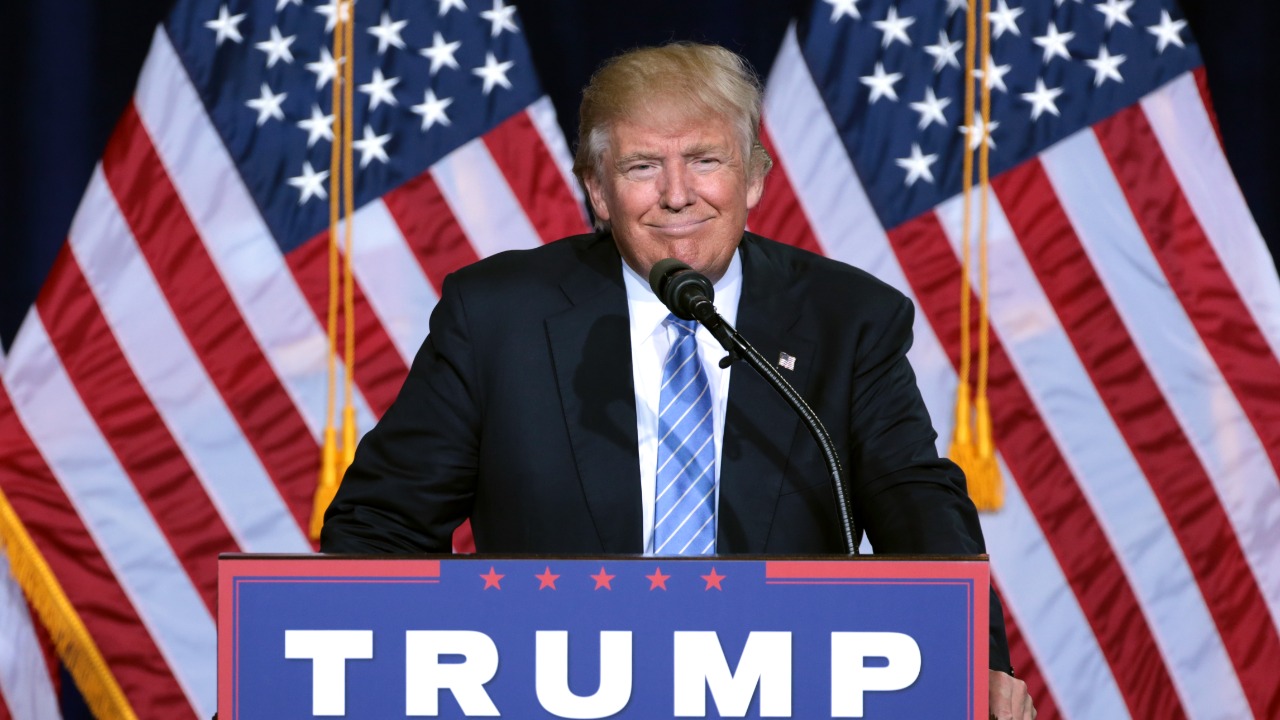
The roots of the Trump-Musk feud can be traced back to a mix of business interactions and divergent political views. Musk, known for his bold and often controversial statements, has clashed with Trump on several occasions, both during and after Trump’s presidency. Their differences have spanned issues from climate change to space policy, creating a backdrop of tension that recently came to a head.
The sequence of events leading to Musk’s threat to decommission the Dragon spacecraft is complex. It began with a series of public exchanges where Trump criticized Musk’s business practices, particularly around government contracts. Musk responded by implying that SpaceX could withdraw the Dragon spacecraft from NASA’s program if Trump continued his attacks. This was seen as a significant escalation in their feud, given the importance of the Dragon spacecraft to NASA’s operations.
Government contracts play a crucial role in SpaceX’s business model. The company relies heavily on these contracts to fund its ambitious projects. Musk’s threat to withdraw the Dragon spacecraft raised eyebrows because it put at risk the lucrative government partnerships that SpaceX has cultivated over the years. This situation highlights how deeply intertwined business and politics can become, particularly in sectors like space exploration that require significant public funding.
Implications for Space Travel
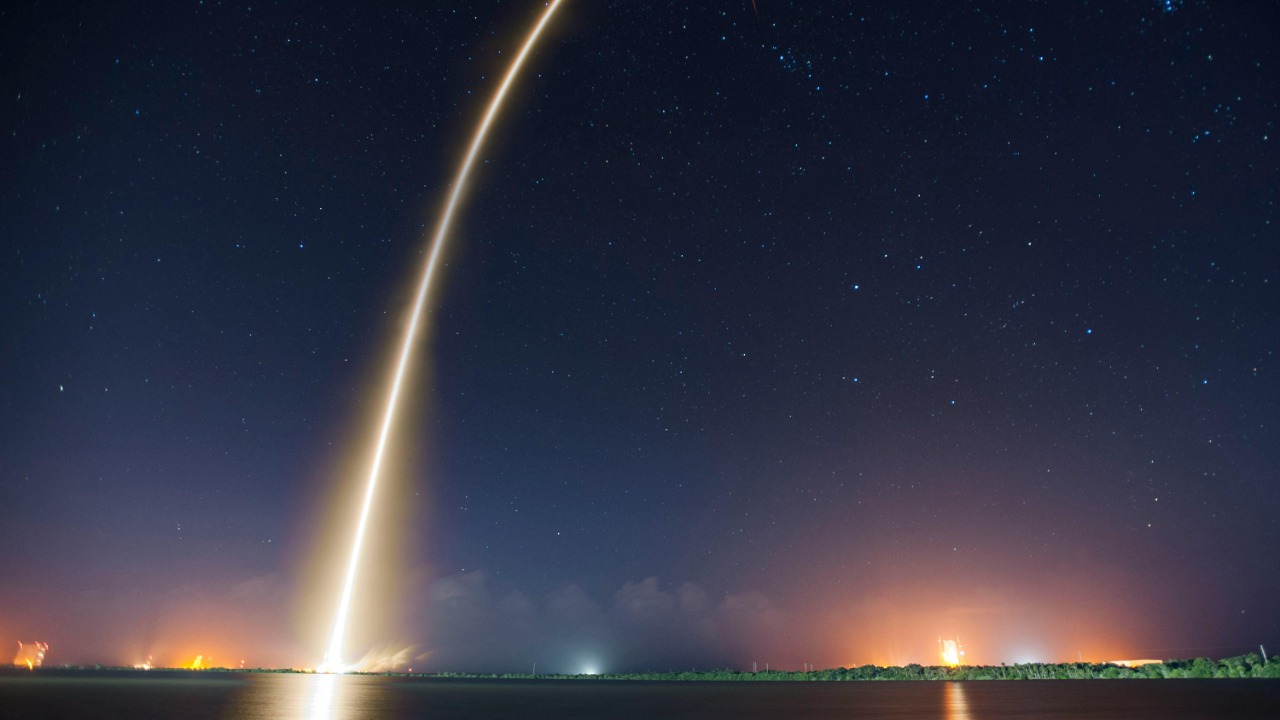
The potential withdrawal of the Dragon spacecraft poses significant risks to the International Space Station (ISS) program. The Dragon is a key component of the transportation infrastructure that supports the ISS. Its removal could disrupt the regular supply missions and crew rotations critical to the station’s ongoing operation. This threat has prompted concerns among space exploration stakeholders about the stability and reliability of the ISS program.
Should Musk follow through with his threat, alternative solutions would need to be explored. Other countries or private companies could potentially step in to fill the gap, but the feasibility of such alternatives remains uncertain. Developing a replacement spacecraft or modifying existing ones could take significant time and resources, which may not be immediately available.
The broader impact on space exploration could be profound. International collaborations, which are essential for large-scale space projects, could be strained. Trust in private companies as reliable partners for government space programs could also be affected, potentially slowing the progress of future space missions and innovations.
Business vs. Politics: A Delicate Balance
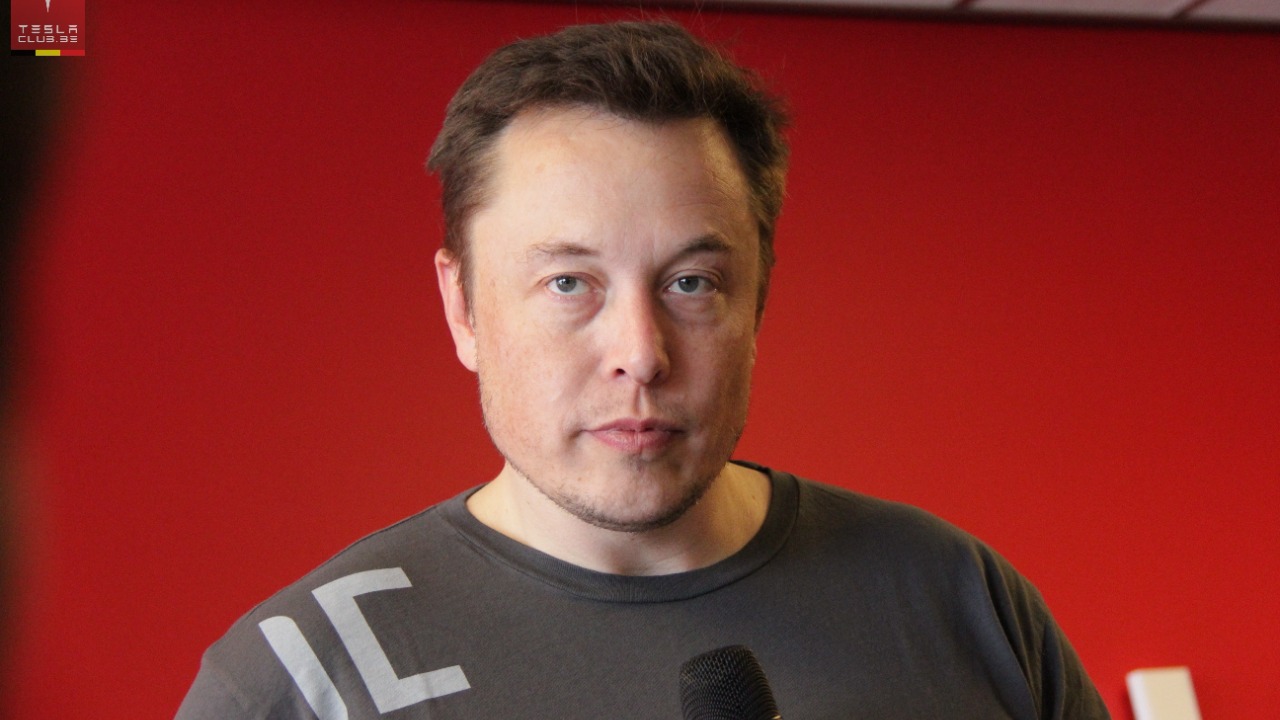
Elon Musk’s public persona and business strategy are characterized by bold moves and outspoken statements. This approach has earned him both admirers and critics. While it undoubtedly contributes to his success, it also makes him a lightning rod for political and public scrutiny. Musk’s willingness to engage in public spats with political figures like Trump demonstrates the challenges of maintaining a balance between business interests and personal beliefs.
The influence of political tensions on business operations is significant. Corporate decisions can be swayed by political landscapes, just as political agendas can be impacted by corporate lobbying and influence. In Musk’s case, the interplay between his business strategies and political engagements has often resulted in high-stakes conflicts that could have wide-reaching implications.
The lessons from this feud underscore the complexity of navigating the intersection of business leadership and political engagement. Companies operating in politically sensitive industries must carefully consider how their public personas and business decisions can affect their relationships with government entities and the public.
A Reconsideration or a Strategic Move?
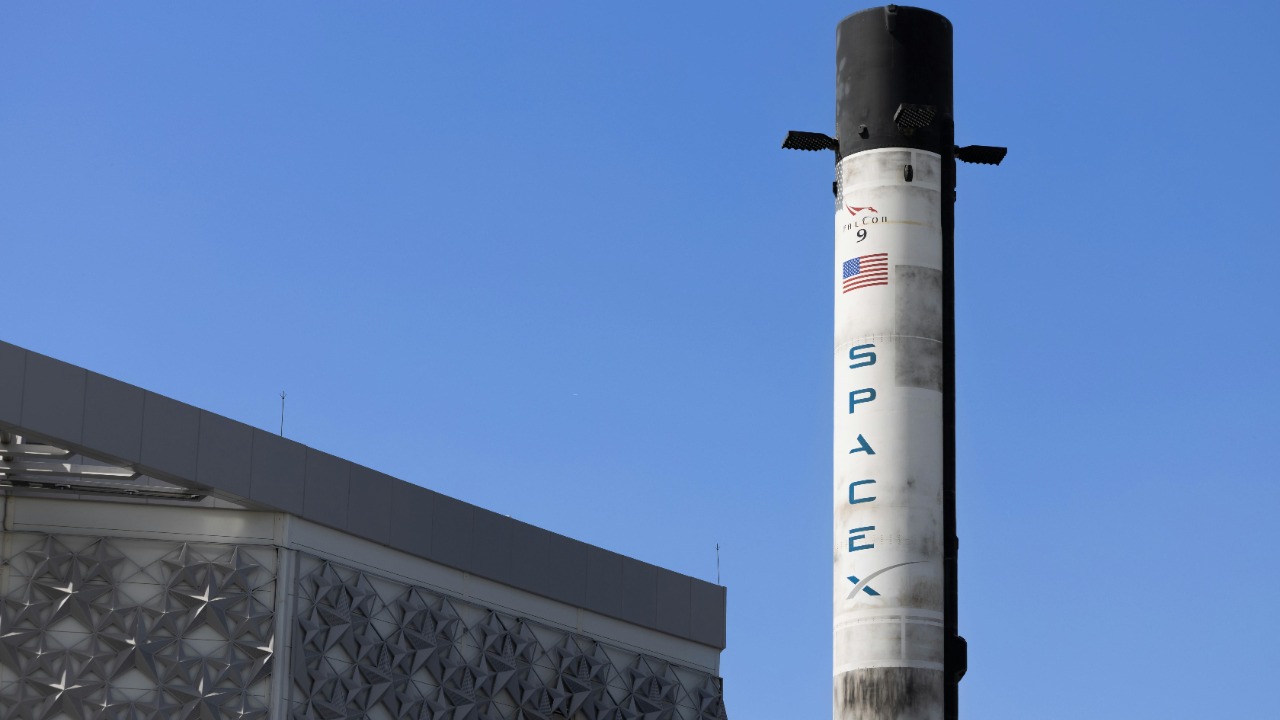
Following the initial uproar, Musk walked back his threat to decommission the Dragon spacecraft. This decision to reconsider the withdrawal was reportedly prompted by discussions with key stakeholders and a reassessment of the potential consequences for SpaceX and the broader space community.
The question remains whether this was a calculated move to gain leverage in negotiations or a genuine reconsideration of the situation. Musk is known for using high-profile announcements to draw attention to issues and position himself advantageously. This episode could be seen as another example of his strategic thinking, leveraging public discourse to influence outcomes.
Looking toward the future, SpaceX’s role in space transport appears secure for now, but the long-term implications of this episode are yet to be fully realized. The company must navigate the delicate balance of maintaining government partnerships while pursuing its ambitious goals in space exploration. This balance will be crucial as SpaceX continues to shape the future of space travel and exploration.
