SpaceX’s CEO, Elon Musk, has made a bold announcement that the company’s ambitious Starship vehicle could be operational and capable of launching 100 tons to Low Earth Orbit (LEO) by 2026. This development could mark a significant milestone in the history of space exploration.
SpaceX’s Starship: The Journey So Far
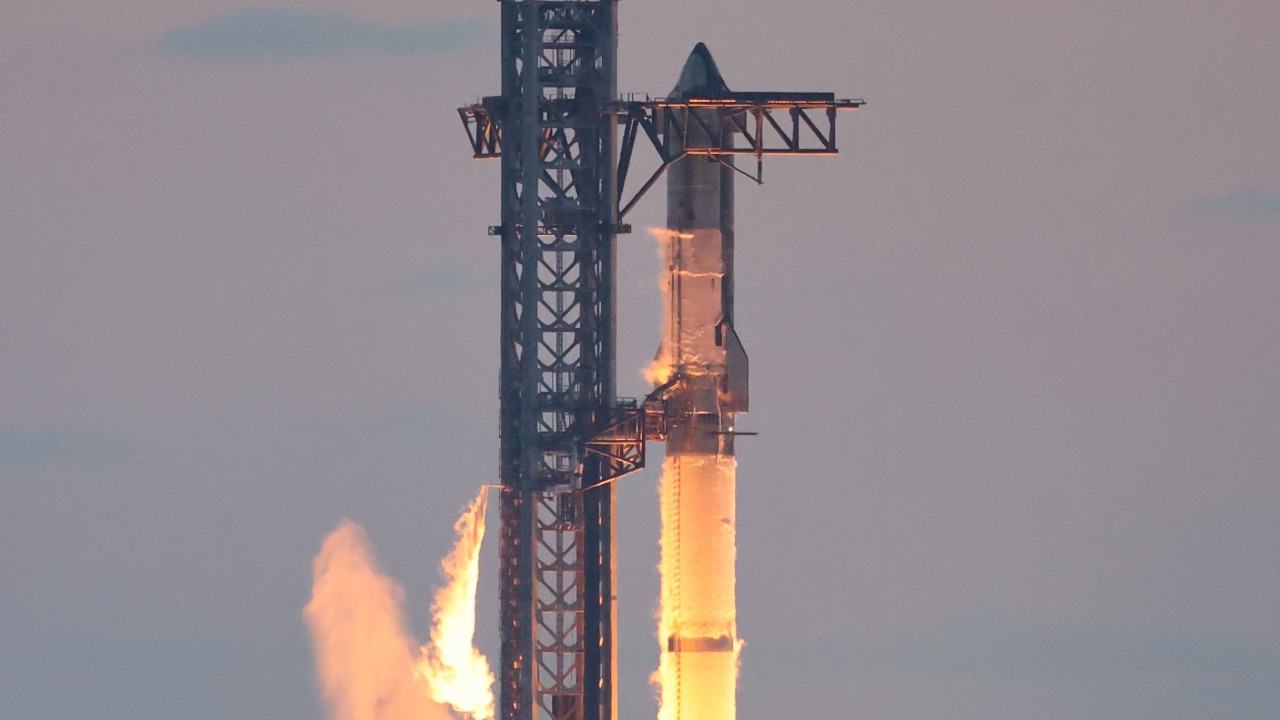
The journey of SpaceX’s Starship has been a fascinating one, marked by rigorous development and testing phases. The project has seen its fair share of challenges, but the SpaceX team has consistently demonstrated resilience and innovation in overcoming these hurdles. The announcement of Starship’s potential operational status by 2026 is a testament to the progress made so far.
Significant milestones have been reached in the Starship project, each one bringing SpaceX closer to its goal of making space travel more accessible. The journey has not been without its trials, but each challenge faced has been an opportunity for learning and growth, propelling the project forward.
According to Orbital Today, the development of Starship began in 2012, with the aim of creating a fully reusable spacecraft. The project has undergone several design changes over the years, reflecting SpaceX’s commitment to innovation and continuous improvement. The Starship project has also benefited from SpaceX’s previous experiences with the Falcon and Dragon spacecraft, incorporating lessons learned from these projects into its design and operations.
The Starship project has also been marked by a series of successful test flights, each one demonstrating the vehicle’s capabilities and bringing SpaceX closer to its goal. These tests have included high-altitude flights and landing tests, with each success building confidence in the vehicle’s design and performance. The journey of Starship is a testament to SpaceX’s commitment to pushing the boundaries of space technology, and the operational status of Starship would be a significant achievement in this journey.
Operational Starship: What It Means For SpaceX
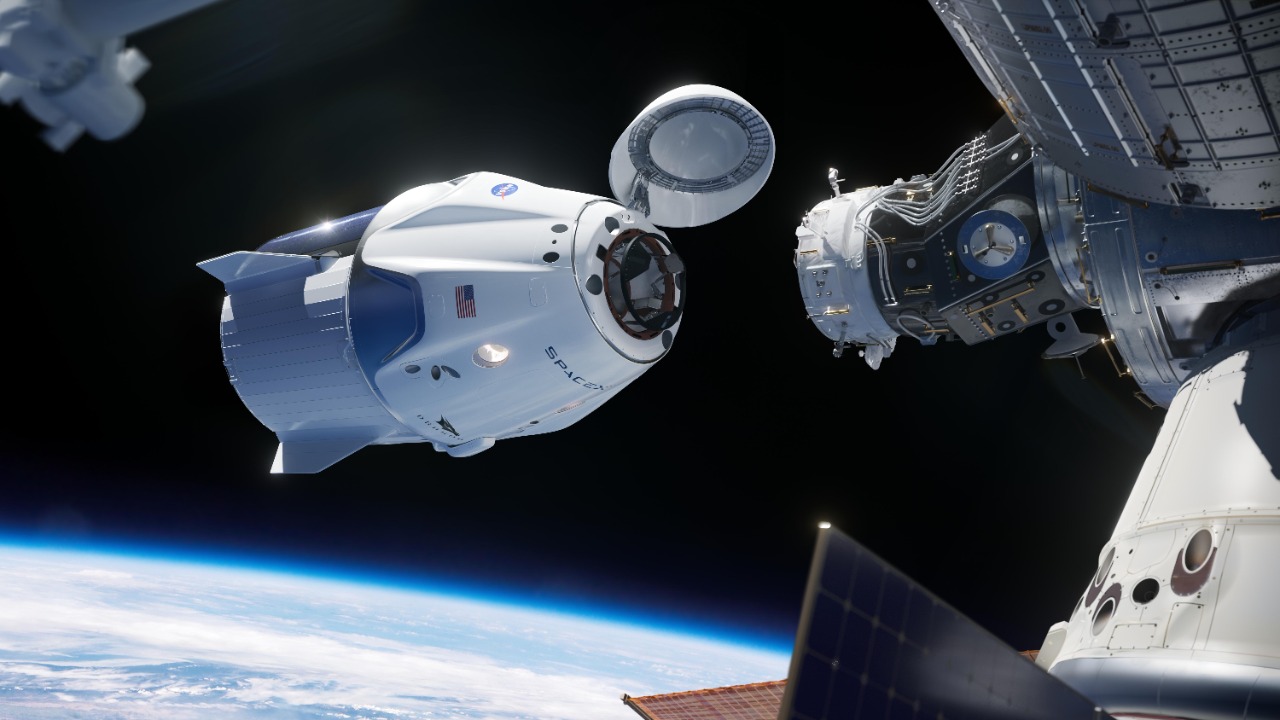
The operational status of a spacecraft is a significant achievement, indicating that it is ready for regular, scheduled missions. For SpaceX, an operational Starship would mean a significant expansion of their capabilities. The ability to launch 100 tons to LEO would open up new possibilities for both commercial and scientific missions, potentially revolutionizing the way we approach space exploration.
Furthermore, the operational status of Starship would have significant implications for SpaceX’s business model. The ability to launch larger payloads to LEO could attract a wider range of clients, from government agencies to private companies, further solidifying SpaceX’s position as a leader in the commercial space industry.
With Starship operational, SpaceX would be able to undertake more ambitious missions, including trips to the Moon, Mars, and beyond. The vehicle’s large payload capacity and potential for reusability could make these missions more feasible and cost-effective. This could open up new opportunities for SpaceX, including the possibility of establishing a permanent human presence on Mars, a goal that Elon Musk has often spoken about.
Moreover, the operational status of Starship could also enhance SpaceX’s capabilities in satellite deployment. The company’s Starlink project, which aims to create a global broadband internet network, could benefit significantly from the increased payload capacity of Starship. This could accelerate the deployment of the Starlink network, potentially transforming global internet access and further expanding SpaceX’s influence in the space industry.
The Future of SpaceX With Starship
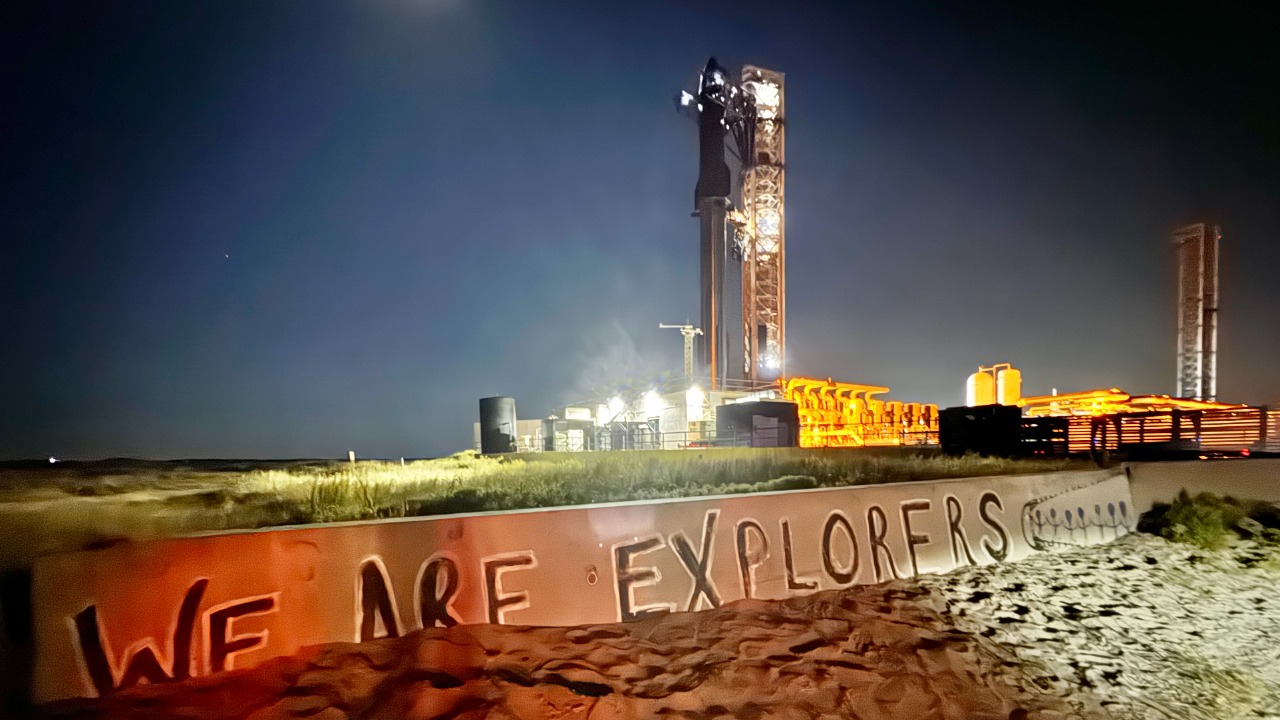
With Starship operational, the future of SpaceX looks promising. The vehicle is expected to play a central role in the company’s future projects and missions. Elon Musk’s vision for Starship extends beyond just commercial and scientific missions; he sees it as a crucial component in SpaceX’s broader goal of making life multiplanetary.
Once Starship becomes operational in 2026, a new chapter in SpaceX’s journey will begin. The timeline of events following this milestone is likely to be filled with exciting developments, as SpaceX continues to push the boundaries of what is possible in space exploration.
Elon Musk has outlined a vision for the future of SpaceX with Starship that includes not only missions to Mars, but also the possibility of interstellar travel. The vehicle’s large payload capacity and potential for reusability could make these ambitious goals more achievable. Furthermore, Musk has also spoken about the potential for Starship to facilitate the construction of a self-sustaining city on Mars by 2050, a goal that would represent a significant leap forward in human space exploration.
Additionally, the operational status of Starship could also pave the way for SpaceX’s involvement in lunar missions. NASA’s Artemis program, which aims to return humans to the Moon by 2024, could potentially benefit from the capabilities of an operational Starship. This could open up new opportunities for collaboration between SpaceX and NASA, further expanding the scope of SpaceX’s influence in space exploration.
Impact on the Global Space Industry
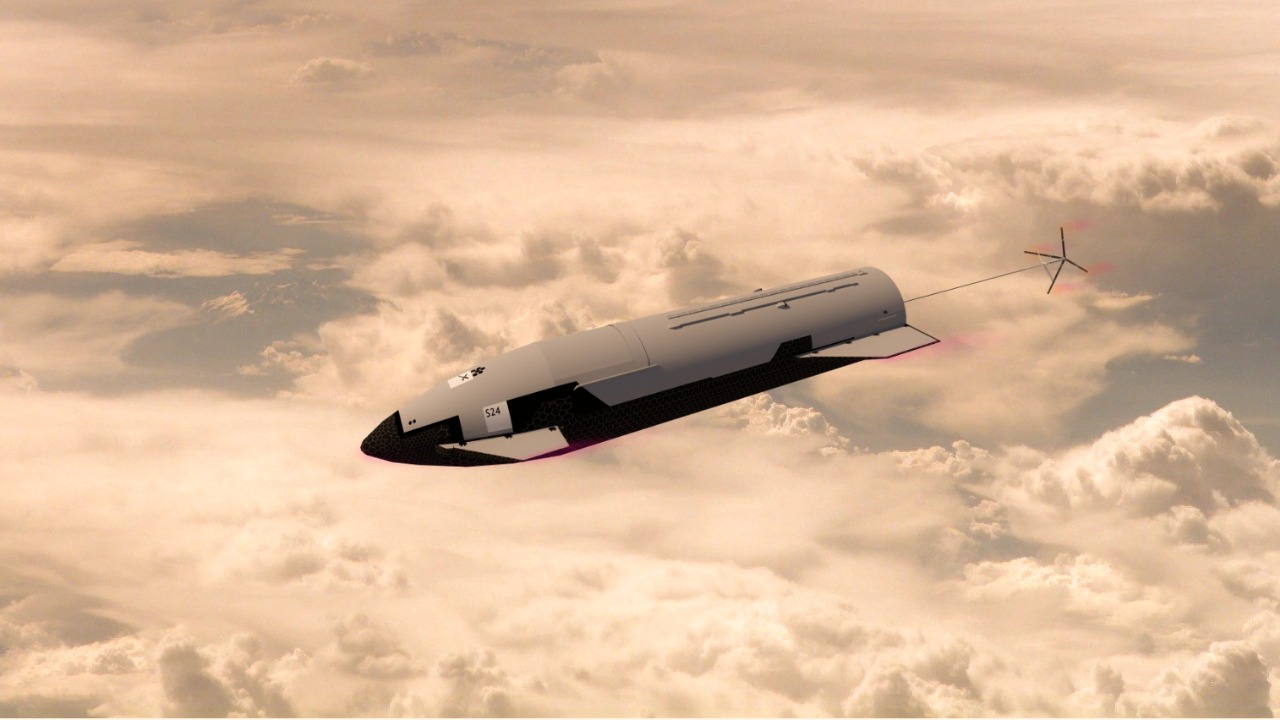
The operational status of Starship is not just a milestone for SpaceX, but for the global space industry as a whole. The ability to launch 100 tons to LEO could significantly impact the dynamics of the industry, potentially influencing the projects and strategies of other space companies.
As SpaceX continues to innovate and push the boundaries of what is possible, it could inspire increased competition or cooperation within the industry. The operational status of Starship could serve as a catalyst for new developments in the global space industry, marking the beginning of an exciting new era in space exploration.
For more information on this development, visit Orbital Today.
The operational status of Starship could also have implications for international space cooperation. With its large payload capacity, Starship could potentially facilitate international space missions, fostering greater collaboration between countries. This could lead to a more interconnected global space community, with SpaceX playing a central role.
Furthermore, the success of Starship could also influence the development of space regulations and policies. As the capabilities of spacecraft advance, there may be a need for new regulations to ensure the safe and responsible use of space. The operational status of Starship could therefore have a significant impact on the future direction of space policy, both in the United States and internationally.
Finally, the operational status of Starship could also inspire a new generation of space enthusiasts. The achievements of SpaceX have already sparked widespread interest in space exploration, and the success of Starship could further fuel this enthusiasm. This could lead to increased investment in space education and research, potentially leading to new discoveries and advancements in the field.
