Elon Musk, the visionary behind SpaceX and Tesla, has hinted at a bold new direction for Starlink, his satellite internet service. In a move that could disrupt the telecommunications industry, Musk has suggested that Starlink could potentially replace traditional cellphone carriers, positioning it as a global carrier.
1. Starlink: A Potential Global Carrier
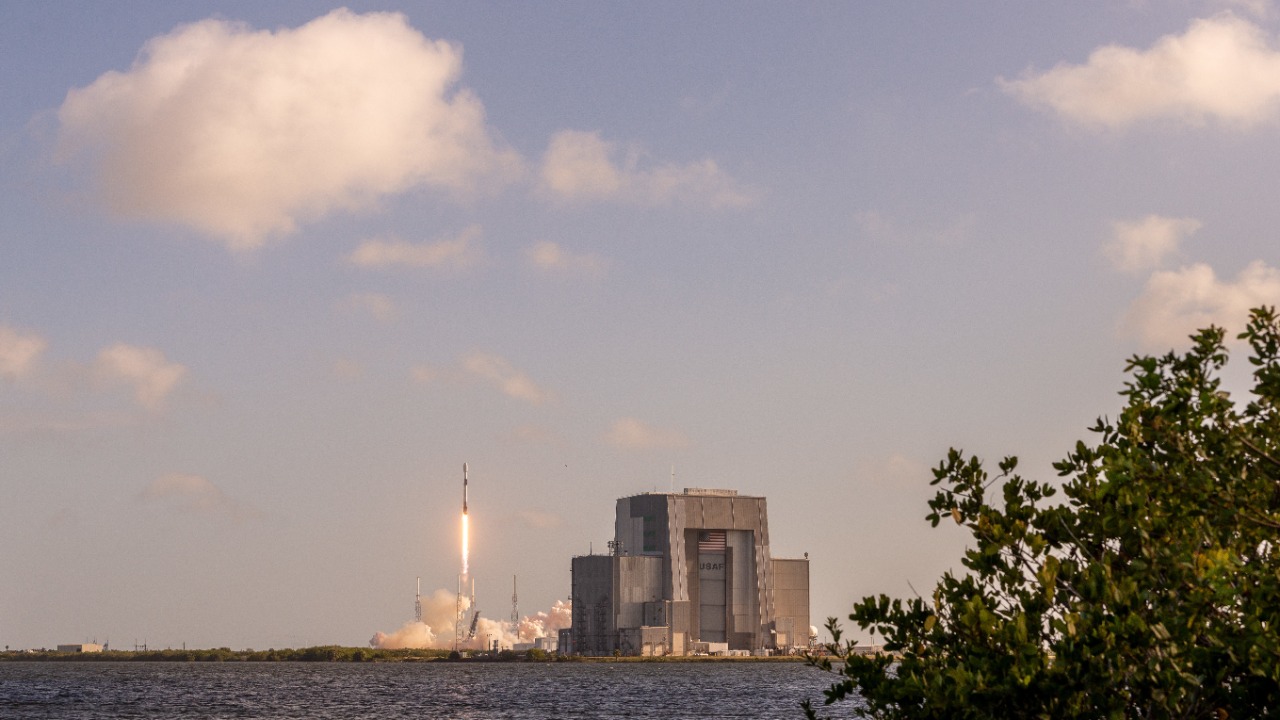
Elon Musk is contemplating turning Starlink into a global carrier, a move that could significantly alter the landscape of the telecommunications industry. According to PCMag, this idea came into focus following a deal with EchoStar, a global satellite services provider. The partnership could provide the necessary infrastructure and resources for Starlink to expand its reach globally.
As CNet reports, the implications of Starlink becoming a global carrier are far-reaching. It could challenge the dominance of traditional telecom companies, offering a new, potentially more efficient way for people to connect. However, the transition would not be without its challenges, including regulatory hurdles and technical issues related to providing reliable service from space.
Starlink’s potential as a global carrier is not just a theoretical concept. As PCMag highlights, the partnership with EchoStar could provide the necessary infrastructure and resources for Starlink to expand its reach globally. This includes the potential for increased bandwidth, improved coverage, and enhanced reliability, all of which are critical for a global carrier.
Moreover, as CNet points out, the move could democratize access to high-speed internet, particularly in remote or underserved areas. This is because Starlink’s satellite-based system can provide coverage in areas where traditional telecom infrastructure is lacking or non-existent. However, the transition would also require overcoming significant regulatory and technical hurdles, including ensuring reliable service from space and navigating complex international telecommunications regulations.
2. Starlink’s Potential to Replace Traditional Cellphone Carriers
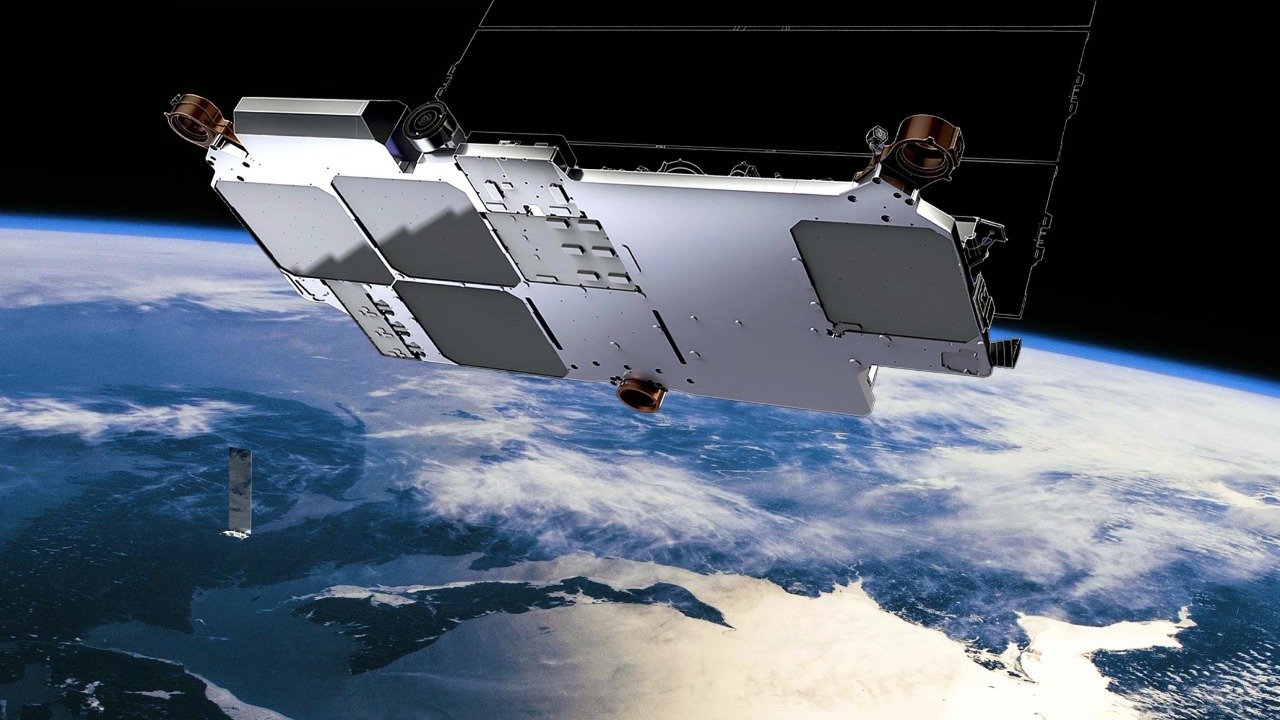
Elon Musk’s suggestion that Starlink could replace conventional cellphone carriers is a bold one. As reported by MSN, this would involve a significant shift in how people access mobile connectivity, moving away from ground-based networks to a space-based system.
However, implementing this change would not be without its challenges. According to Data Center Dynamics, there are numerous hurdles to overcome, including regulatory issues, technical challenges, and the sheer cost of launching and maintaining a global network of satellites. Despite these potential obstacles, Musk’s track record of disrupting established industries suggests that his vision for Starlink should not be dismissed lightly.
The idea of Starlink replacing traditional cellphone carriers is a radical one. As MSN notes, this would involve a paradigm shift in mobile connectivity, with users accessing the internet via a network of satellites rather than ground-based cell towers. This could potentially offer faster, more reliable service, particularly in areas where traditional cell service is spotty or unavailable.
However, as Data Center Dynamics points out, the transition would not be without significant challenges. These include not only the technical difficulties of providing reliable service from space but also the regulatory issues associated with operating a global telecommunications network. Additionally, the cost of launching and maintaining a network of satellites could be prohibitive, raising questions about the affordability of the service for consumers. Despite these potential obstacles, Musk’s track record of disrupting established industries suggests that his vision for Starlink should not be dismissed lightly.
3. The Impact of Starlink’s Possible Global Expansion

Starlink’s potential global expansion could redefine the telecommunications sector. As Light Reading notes, turning Starlink into a global carrier is one of the options Musk is considering. This could lead to a significant shift in the balance of power in the telecom industry, with traditional carriers facing competition from a new, space-based network.
For consumers, the potential benefits and drawbacks of Starlink becoming a global carrier are still being debated. As CNet points out, on the one hand, Starlink could offer faster, more reliable internet access, particularly in remote or underserved areas. On the other hand, there are concerns about the cost of the service, potential data privacy issues, and the environmental impact of launching and maintaining a large satellite network.
