Paleontologists have made a groundbreaking discovery in the Gobi Desert of Mongolia, unearthing the earliest known dome-headed dinosaur, Zavacephale rinpoche. This new species of pachycephalosaur, found in the Ukhaa Tolgod locality, is the most perfectly preserved fossil of its kind ever discovered. The specimen offers unprecedented insights into the evolution of dome-headed dinosaurs during the Late Cretaceous, pushing back the timeline for pachycephalosaur origins by millions of years. EarthSky and other sources highlight the significance of this find.
The Discovery in the Gobi Desert
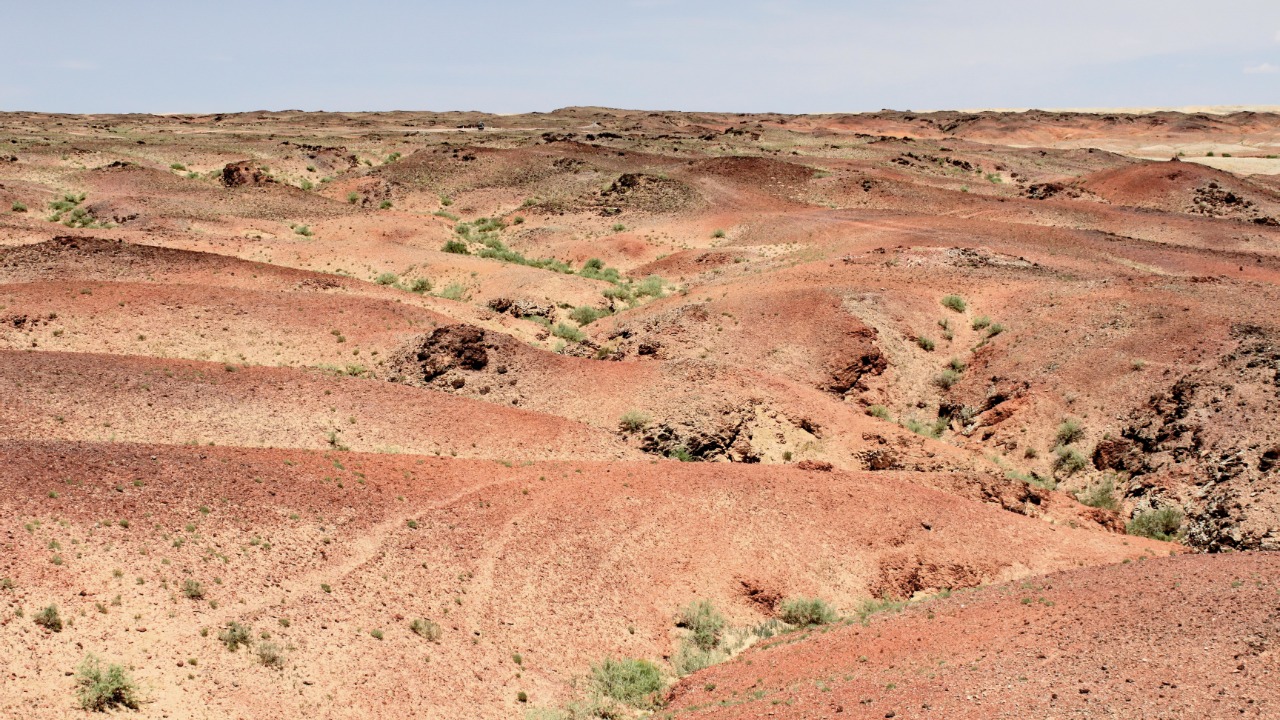
The excavation of Zavacephale rinpoche took place at the Ukhaa Tolgod site in Mongolia’s Gobi Desert, a renowned location for dinosaur fossils. A joint team from the American Museum of Natural History and Mongolian paleontologists conducted the dig, uncovering the fossil in a fine-grained sandstone layer that remarkably preserved it from erosion. The fossil’s condition is extraordinary, with completeness from skull to tail, offering a rare opportunity to study a dinosaur in such detail. This preservation is attributed to the rapid burial in a dune deposit, which protected the specimen over millions of years according to The New York Times.
Leading the 2024 field season that revealed this specimen was Dr. Mark Norell, a prominent figure in paleontology. His leadership and expertise were crucial in the successful excavation and initial analysis of the fossil. The discovery not only adds a new species to the pachycephalosaur family but also provides a deeper understanding of the environmental conditions and evolutionary pressures that shaped these unique dinosaurs as reported by ABC News.
Characteristics of Zavacephale rinpoche
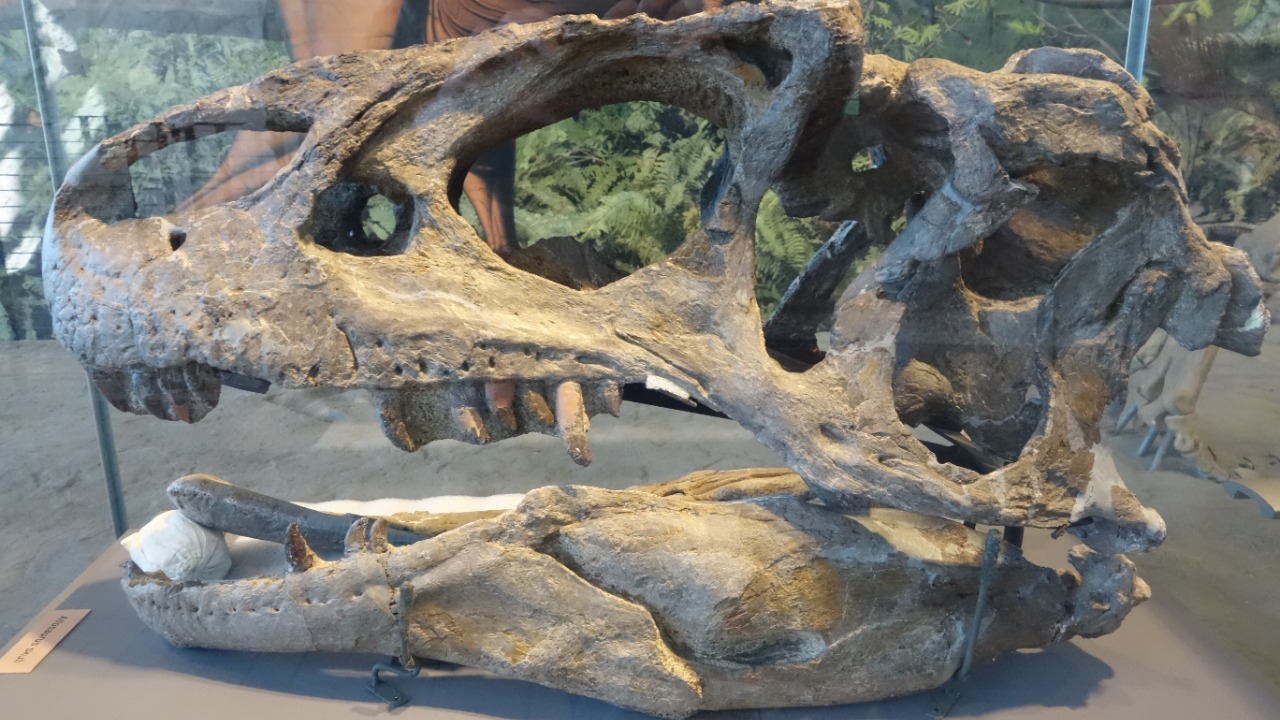
The defining feature of Zavacephale rinpoche is its thick, dome-shaped cranium, which measures 20 centimeters in diameter. This characteristic distinguishes it as a primitive pachycephalosaur, providing insights into the evolutionary adaptations of these dinosaurs. The skull’s structure suggests that these creatures may have engaged in head-butting behaviors, a theory supported by the bone density observed in the fossil. Such behaviors could have played a role in social interactions or mating rituals, offering a glimpse into the lives of these ancient animals as detailed by EarthSky.
Beyond its skull, Zavacephale rinpoche had a body length of about 1.5 meters and evidence suggests it was adapted for bipedal locomotion. This agility would have been advantageous in the arid environments of the Late Cretaceous, allowing it to navigate the challenging terrain effectively. The fossil also includes preserved soft tissue impressions around the limbs, providing rare insights into the skin texture and possible coloration patterns of the dinosaur. Such details are invaluable for reconstructing the appearance and behavior of these extinct creatures as noted by Daily Galaxy.
Evolutionary Significance
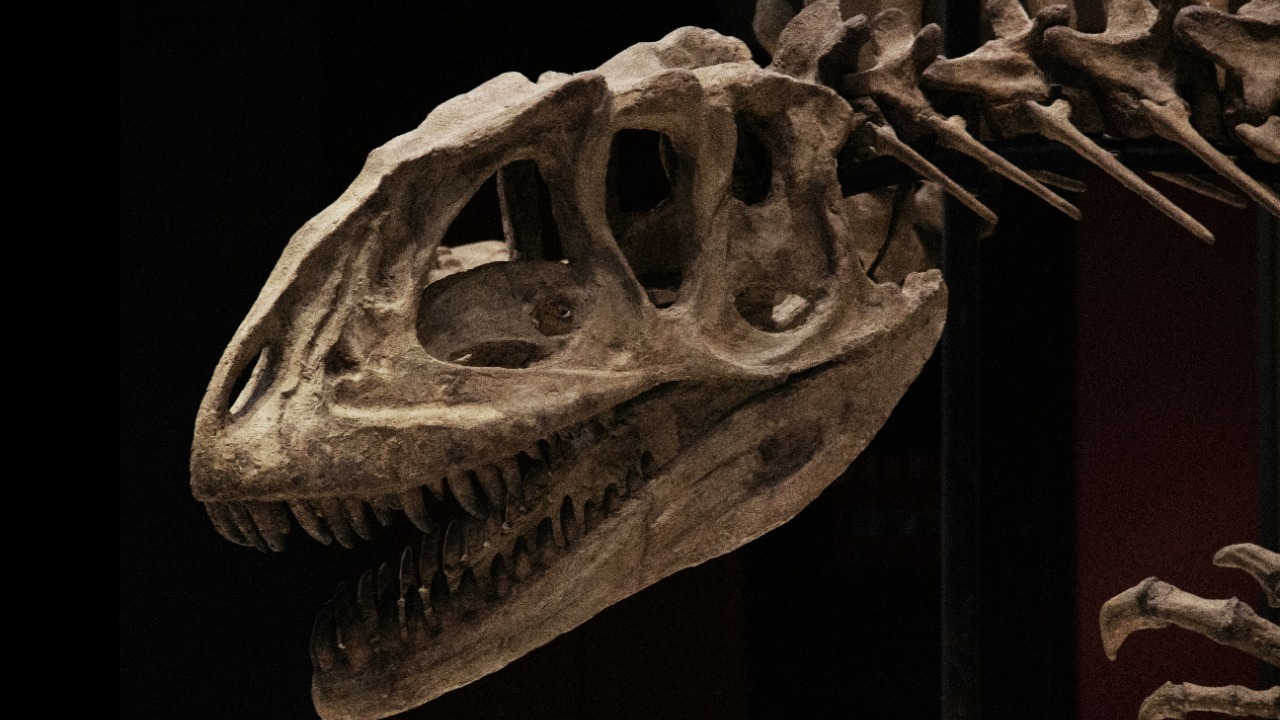
Zavacephale rinpoche, dated to 80 million years ago, represents the oldest known pachycephalosaur, predating previously known species like Pachycephalosaurus by 10 million years. This discovery significantly alters the understanding of pachycephalosaur evolution, suggesting that these dinosaurs originated in Asia before dispersing to North America during the Late Cretaceous. Such findings challenge previous theories and highlight the dynamic nature of dinosaur evolution and migration patterns as reported by ABC News.
The implications of this discovery extend beyond the timeline of pachycephalosaur evolution. The fossil’s features suggest behavioral traits such as head-butting, which could reshape theories on pachycephalosaur social structures. Understanding these behaviors provides a more comprehensive picture of the ecological roles these dinosaurs played and their interactions within their environments as highlighted by EarthSky.
Preservation and Scientific Analysis
The exceptional preservation of Zavacephale rinpoche is attributed to its rapid burial in a dune deposit, which protected it from the elements. This preservation has allowed scientists to use CT scans to reveal internal braincase structures without damaging the fossil. Such non-invasive techniques are crucial for studying delicate fossils and extracting maximum information without compromising their integrity as noted by Daily Galaxy.
The naming of the species, “Zavacephale rinpoche,” reflects both the geological features of the discovery site and a nod to Mongolian cultural reverence for ancient remains. This thoughtful naming process underscores the collaboration between international and local scientists, highlighting the importance of cultural context in paleontological research as reported by SSBCrack.
Ongoing studies at the Mongolian Paleontological Center include isotopic analysis to determine the diet and habitat of Zavacephale rinpoche from tooth enamel samples. These analyses will provide further insights into the ecological niches occupied by these dinosaurs and their interactions with the environment. Such research is vital for reconstructing the ecosystems of the past and understanding the evolutionary pressures that shaped the diversity of life on Earth as detailed by The New York Times.
