Recent findings suggest that the Moon’s two sides are more mysterious than previously thought. The analysis of samples from China’s Chang’e-6 mission reveals unexpected geological characteristics on the Moon’s farside. Furthermore, new research uncovers anomalies on the Moon’s hidden side, pointing to a dynamic past that could influence future exploration. These revelations contribute to the growing body of lunar knowledge, alongside discoveries of unexpected features on other celestial bodies, such as the moons of Uranus.
Chang’e-6 Mission Insights
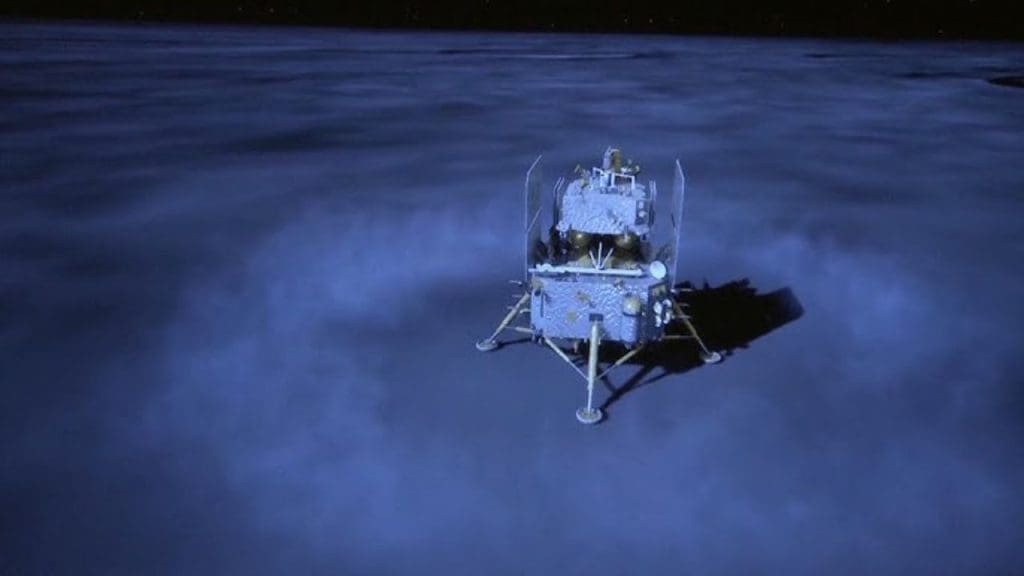
The Chang’e-6 mission has provided groundbreaking insights into the Moon’s farside, which is proving to be stranger than initially thought. The samples collected by this mission have revealed unique geological characteristics that challenge previous assumptions about the Moon’s composition. These findings are crucial for understanding the Moon’s hidden side, offering a glimpse into its complex history and the processes that have shaped it over time.
By analyzing these samples, scientists have been able to identify distinct mineral compositions that differ significantly from those found on the near side of the Moon. This discovery suggests that the Moon’s formation and evolutionary history may be more complex than previously believed. The data from Chang’e-6 is not only expanding our knowledge of the Moon but also providing a foundation for future lunar exploration missions that aim to uncover more of its secrets.
In addition to the mineralogical discoveries, the Chang’e-6 mission has also provided valuable data on the thermal and magnetic properties of the Moon’s farside. These properties differ markedly from those on the nearside, suggesting a varied thermal history that could have influenced the Moon’s geological evolution. The mission’s findings are prompting scientists to reconsider existing models of lunar formation, particularly the impact of external forces such as asteroid collisions and solar radiation on the Moon’s development. This new understanding could lead to more targeted exploration efforts, focusing on areas that may hold further clues to the Moon’s past.
Anomalies on the Moon’s Hidden Side

Studies have revealed a strange anomaly on the Moon’s hidden side, sparking curiosity and further investigation into its origins. This anomaly, which has puzzled scientists, offers new insights into the Moon’s dynamic past. Understanding these anomalies is essential for planning future exploration missions, as they may hold clues to the Moon’s geological processes and history.
The hidden side of the Moon, often referred to as the “dark side,” has long been shrouded in mystery. Recent research suggests that this side of the Moon has experienced significant geological activity, which could have implications for future exploration. By studying these anomalies, scientists hope to gain a better understanding of the Moon’s evolution and how it has been shaped by various forces over billions of years.
Further investigation into the anomalies on the Moon’s hidden side has revealed intriguing patterns of seismic activity that suggest the presence of subsurface structures. These structures could be remnants of ancient volcanic activity or the result of tectonic movements, both of which would have significant implications for our understanding of lunar geology. The presence of such features indicates that the Moon may have been more geologically active in its past than previously assumed, offering new avenues for research into its internal composition and the forces that have shaped its surface over time.
Comparative Discoveries in the Solar System
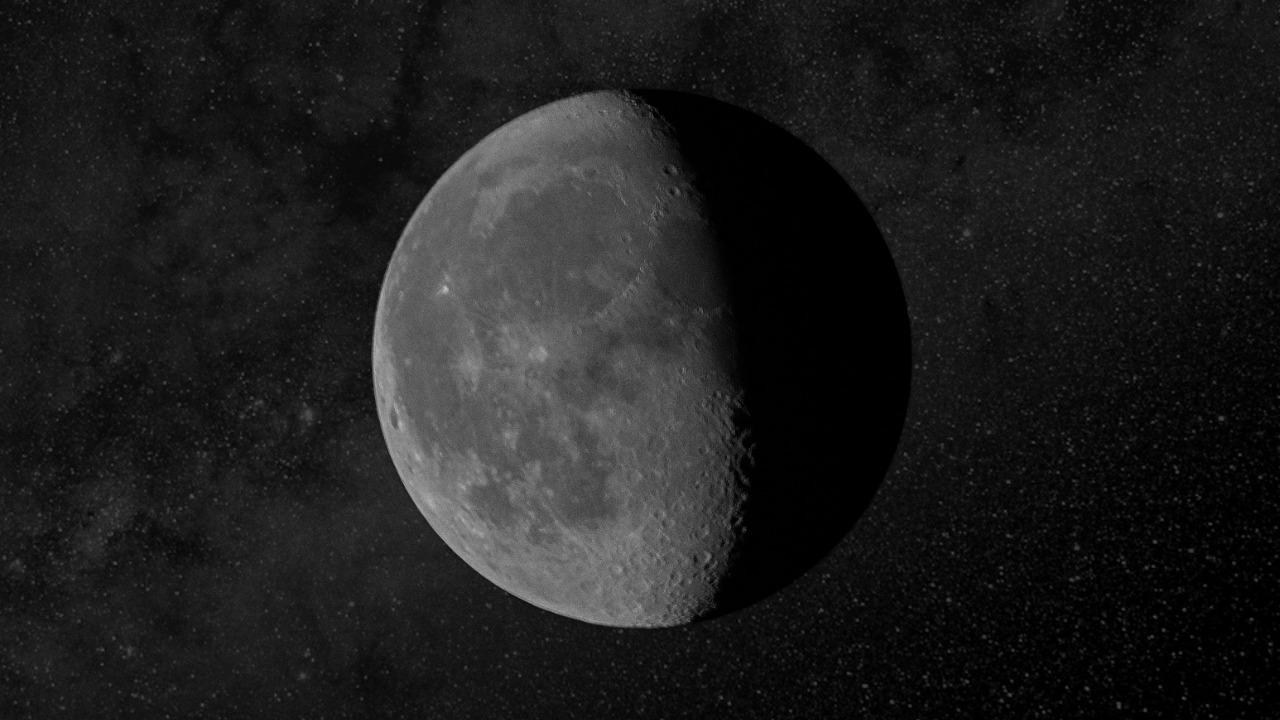
Recent discoveries on the moons of Uranus have provided a fascinating parallel to the Moon’s unexpected features. Scientists have found that the “dark sides” of Uranus’ moons are oriented differently than expected, challenging existing models of their formation and behavior. These findings highlight the need for continued exploration and study of celestial bodies to understand their unique characteristics and histories.
The unexpected orientation of Uranus’ moons underscores the complexity of our solar system and the importance of ongoing research. By comparing these discoveries with those on the Moon, scientists can develop a more comprehensive understanding of planetary systems and the forces that govern them. This comparative approach is crucial for advancing our knowledge of the universe and the diverse phenomena that occur within it.
These discoveries on Uranus’ moons also highlight the potential for unexpected geological phenomena on other celestial bodies. The orientation and surface features of these moons challenge existing theories about their formation and suggest that similar processes could be at work elsewhere in the solar system. By studying these moons alongside the Moon’s own anomalies, scientists can refine their models of planetary dynamics and better predict the conditions that might be found on unexplored worlds. This comparative analysis is crucial for developing a holistic understanding of planetary systems and their evolution.
Implications for Future Exploration
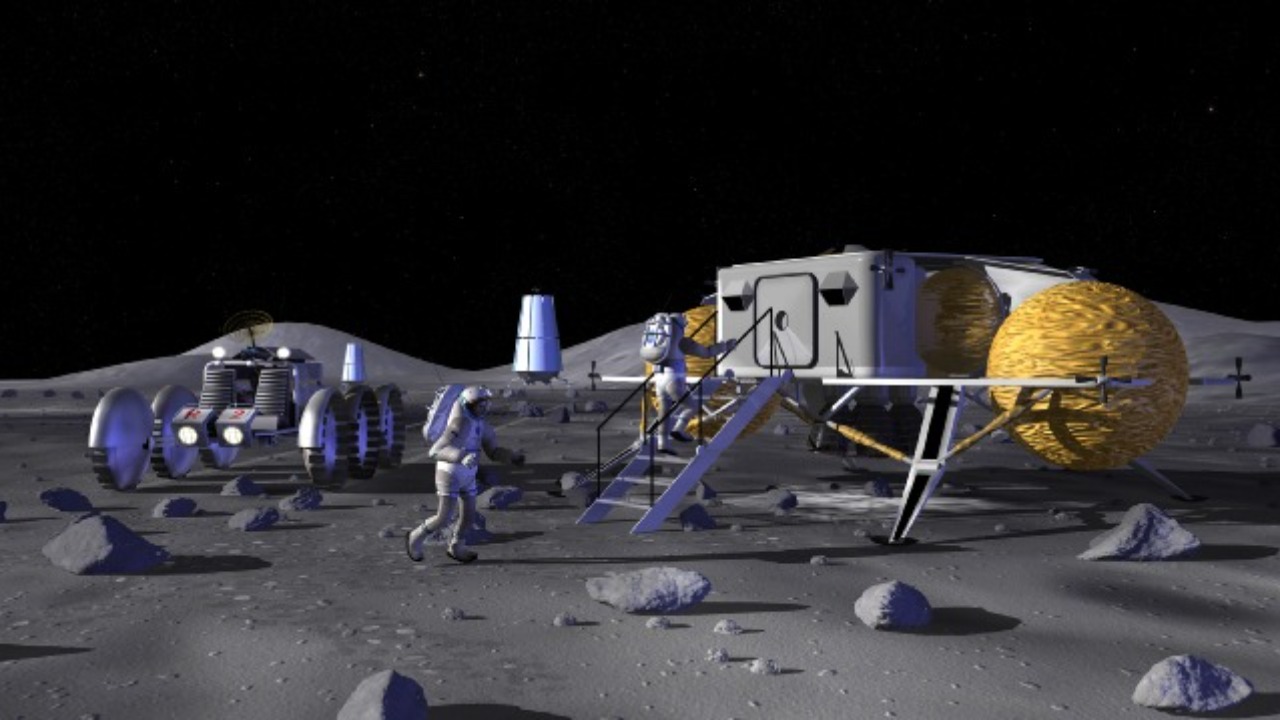
The hidden lunar history revealed by Moon rocks emphasizes the importance of continued lunar exploration to unlock more secrets of our celestial neighbor. As noted in Knowable Magazine, understanding these anomalies aids in preparing for future missions and could shape the strategies for further development and exploration of the Moon. The insights gained from these studies are invaluable for planning future missions that aim to explore the Moon’s surface and subsurface in greater detail.
As we continue to explore the Moon and other celestial bodies, the knowledge gained from these missions will be instrumental in shaping the future of space exploration. By uncovering the mysteries of the Moon’s two sides, scientists can develop new technologies and strategies for exploring other planets and moons in our solar system. This ongoing research not only enhances our understanding of the Moon but also paves the way for future discoveries that could revolutionize our understanding of the universe.
The insights gained from the Moon’s hidden history are not only vital for scientific understanding but also for the practical aspects of future lunar missions. As space agencies plan for manned missions and potential lunar bases, understanding the Moon’s geological and environmental conditions becomes increasingly important. The anomalies and unique features discovered could influence the selection of landing sites and the design of equipment needed to withstand the Moon’s harsh conditions. Additionally, these findings could inform the search for resources, such as water ice, which are critical for sustaining long-term human presence on the Moon.
