The Blue Ghost lander, developed by Firefly Aerospace, has successfully delivered new scientific instruments to the lunar surface, specifically to the Mare Crisium region. This mission marks a significant step in lunar exploration, providing valuable data and insights that will enhance our understanding of the Moon’s geology and environment.
The Mission Overview
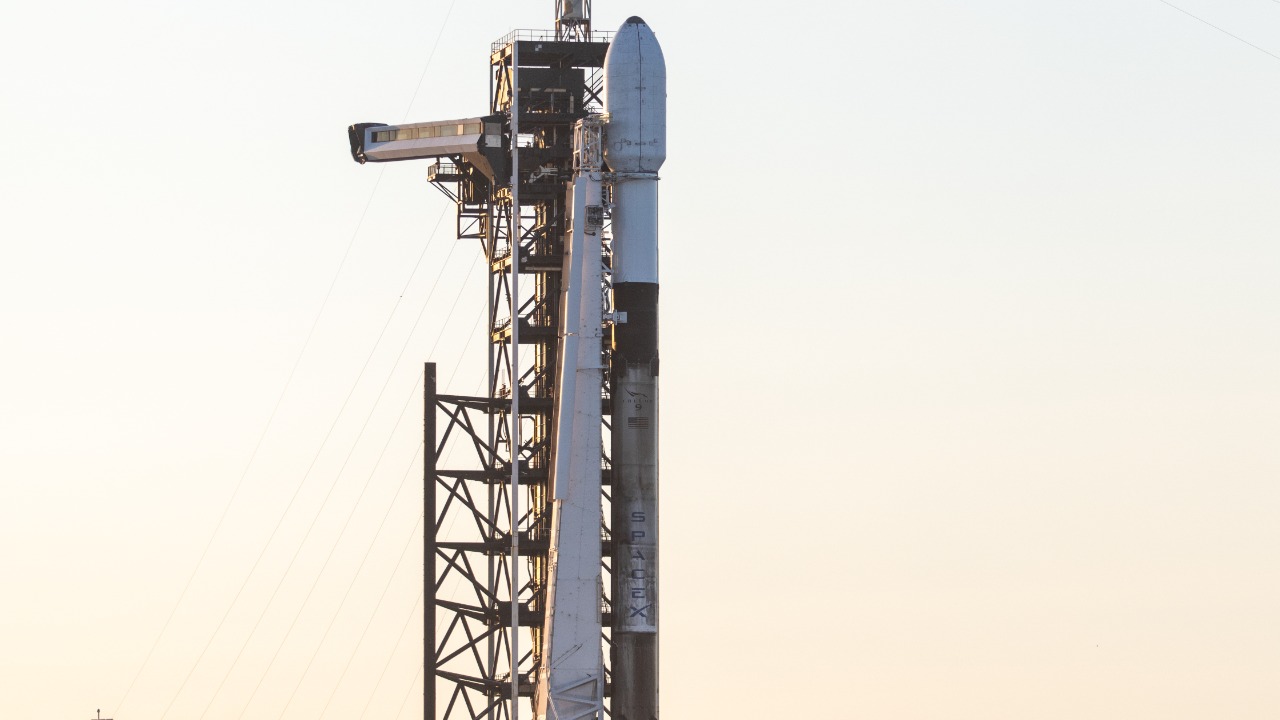
The Blue Ghost lander, developed by Firefly Aerospace, is at the forefront of contemporary lunar exploration, designed to deliver a suite of scientific instruments to the Moon. The company’s vision goes beyond mere exploration; it aims to create a sustainable presence on the lunar surface, facilitating research and potential colonization. The mission began with a launch aboard a reliable rocket, traversing the vast expanse of space before reaching its destination on the Moon. Key milestones included successful insertion into lunar orbit and a precision landing on Mare Crisium, demonstrating the lander’s advanced capabilities in navigation.
Mare Crisium was chosen as the landing site due to its historical and scientific significance. This vast lunar basin, formed by ancient volcanic activity, has been a subject of interest since early lunar missions. Previous missions, including the Soviet Luna program, have returned fascinating data from this region, revealing a complex geological history. Its smooth plains and unique features make it an ideal site for further exploration, offering insights into the Moon’s volcanic past and potential resources.
Scientific Payload and Experiments
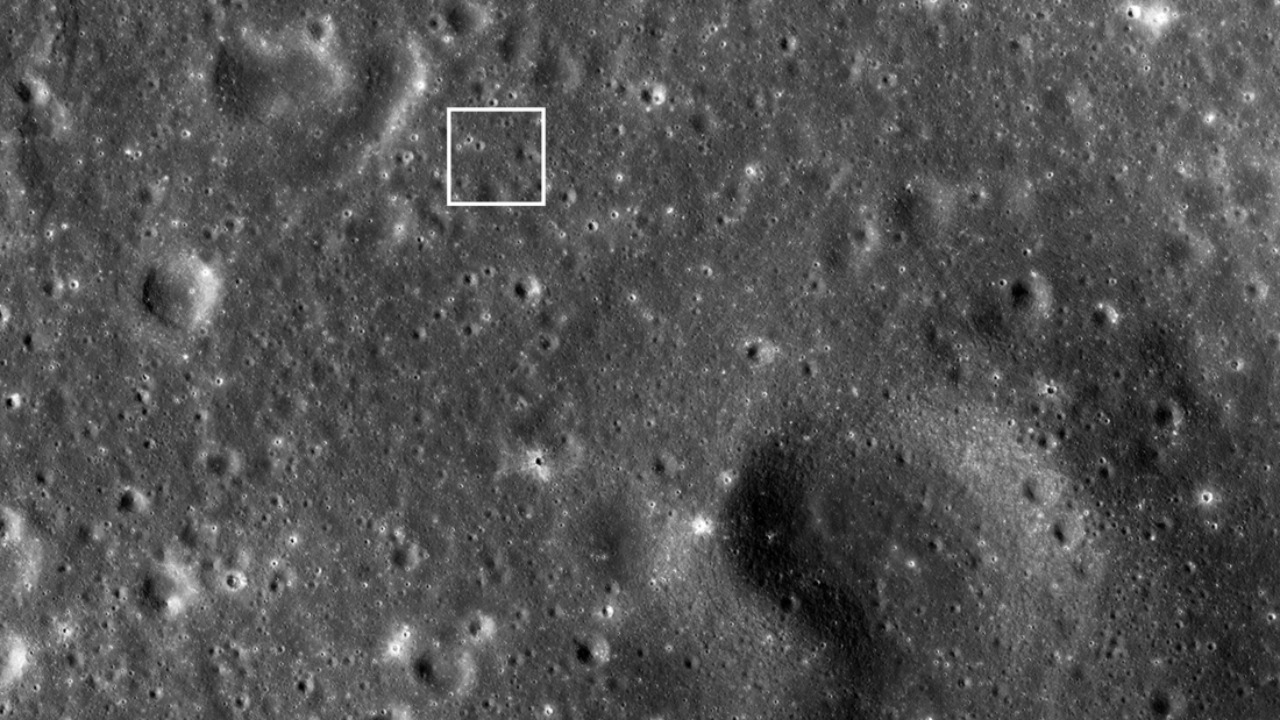
The Blue Ghost lander carries an array of state-of-the-art instruments designed to push the boundaries of lunar science. Among the payload are spectrometers, thermal cameras, and environmental sensors, each playing a crucial role in the mission’s scientific objectives. These instruments are tasked with conducting detailed analyses of the lunar soil, known as regolith, and monitoring environmental conditions on the Moon’s surface.
The primary objectives of these experiments are to deepen our understanding of the Moon’s regolith composition and properties. By analyzing soil samples, scientists hope to uncover the mineralogical makeup of the lunar surface and gain insights into its formation processes. Additionally, the lander is equipped to investigate the lunar exosphere, a tenuous atmosphere that interacts with solar and cosmic radiation. Understanding these interactions is vital for future missions, particularly those involving human presence on the Moon.
Preliminary Findings and Discoveries
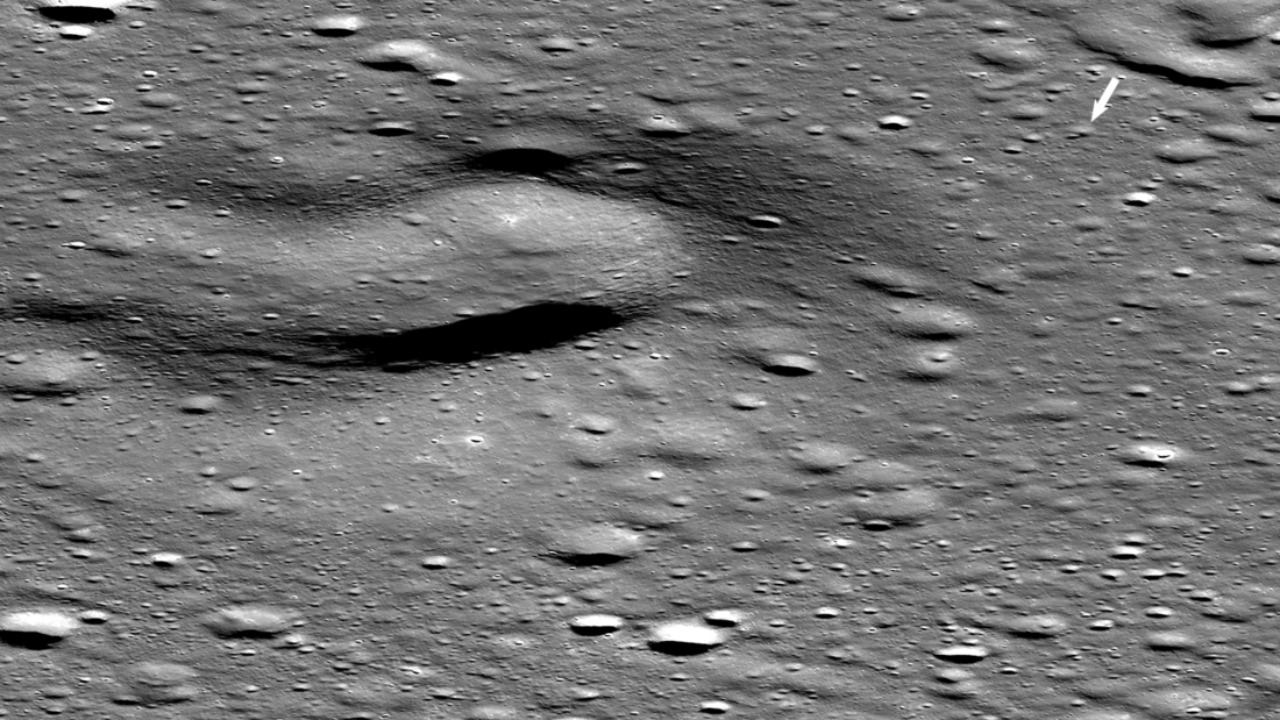
The initial data returned from the Blue Ghost mission has already provided valuable insights into lunar science. Early results from soil composition analysis have revealed a diverse range of minerals, suggesting a complex geological history. These findings could have significant implications for our understanding of the Moon’s formation and evolution.
Observations related to lunar surface temperature variations have also been noteworthy. The data indicates significant temperature fluctuations between day and night, offering crucial information for planning future manned missions. These findings contribute to broader lunar research, providing a foundation for understanding the Moon’s environment and potential challenges for human explorers. The implications extend beyond the Moon, offering potential insights into planetary formation processes throughout the solar system.
Technological Innovations and Challenges
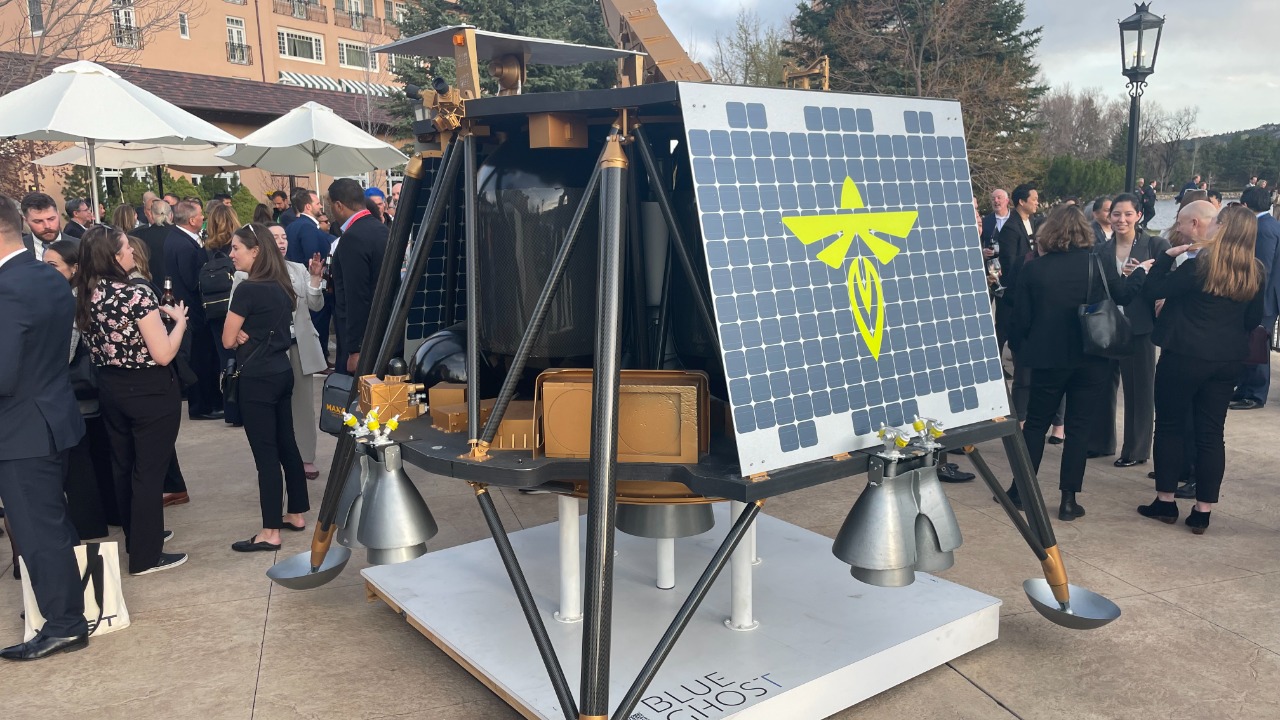
The Blue Ghost mission is a testament to the cutting-edge technologies utilized in modern space exploration. Innovations in lunar landing and navigation systems have been crucial to the mission’s success, enabling precise landings and efficient data collection. Advances in communication technology have also played a vital role, ensuring reliable data transmission back to Earth from the Moon’s surface.
Despite these technological advancements, the mission faced several challenges that tested the resilience and ingenuity of the Firefly Aerospace team. Technical hurdles, such as ensuring the lander’s stability during descent and landing, were overcome through rigorous testing and engineering solutions. Environmental challenges, including extreme temperature variations and radiation exposure, required innovative approaches to protect the lander’s instruments. The lessons learned from addressing these challenges will inform future missions, paving the way for more ambitious lunar exploration endeavors.
Future Prospects for Lunar Exploration
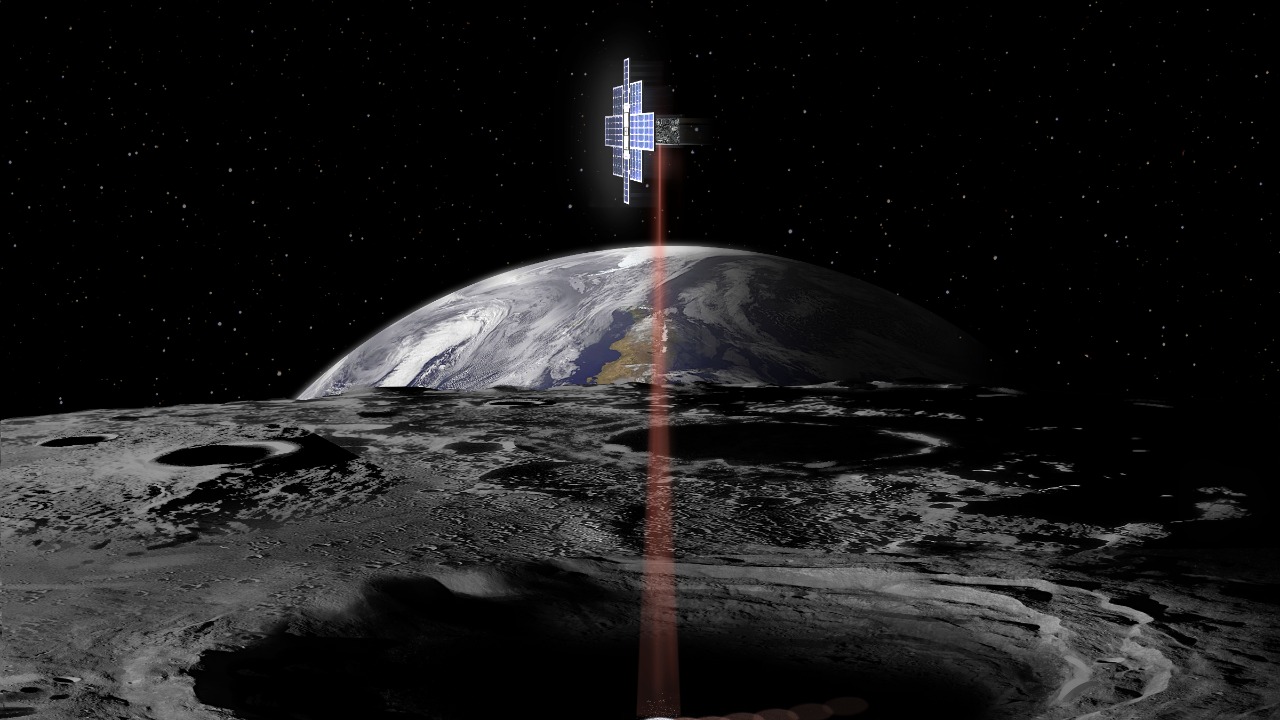
The success of the Blue Ghost mission paves the way for upcoming missions and further exploration of the Moon. Firefly Aerospace, along with other space agencies, has ambitious plans for subsequent missions, aiming to build on the knowledge gained from this mission. The role of commercial partnerships in advancing lunar exploration cannot be overstated, as they provide the resources and expertise needed to accelerate progress.
Looking ahead, the long-term goals for lunar research and development are both exciting and challenging. Establishing a sustainable human presence on the Moon is a key objective, with potential implications for science, industry, and international cooperation. The Moon is seen as a stepping stone for further exploration, including potential missions to Mars and beyond. As we continue to unlock the secrets of the Moon, the possibilities for discovery and advancement are limitless, heralding a new era of space exploration.
