The enigmatic smile of the Mona Lisa has fascinated art enthusiasts and researchers for centuries. Recent scientific advancements have unveiled a hidden secret beneath Leonardo da Vinci’s masterpiece, shedding new light on this iconic painting. This discovery may redefine our understanding of the artwork and its creator.
The Discovery
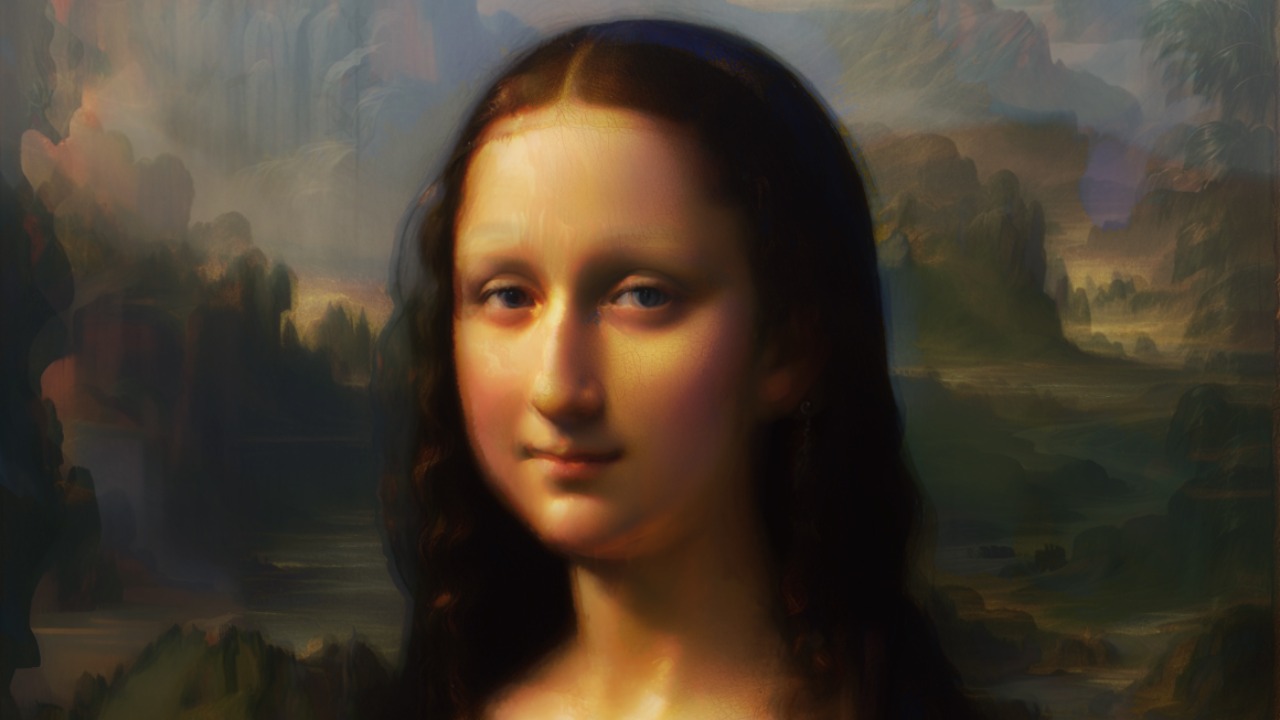
Recent findings have brought to light an unexpected secret hidden beneath the surface of Leonardo da Vinci’s Mona Lisa. Using advanced imaging techniques, researchers have discovered an underlying portrait that had remained concealed for centuries. The breakthrough was achieved through the use of multispectral scanning and reflectography, which allowed researchers to peer beneath the layers of paint and uncover the enigmatic hidden image.
The role of technology was pivotal in this revelation. Cutting-edge techniques, such as laser ablation and X-ray fluorescence, facilitated the discovery by providing unprecedented insights into the painting’s composition. These advancements have not only expanded our understanding of the Mona Lisa but have also opened new avenues for exploring other historic artworks. Initial reactions from the art world have been a mix of astonishment and curiosity, as experts and enthusiasts alike seek to understand the implications of this groundbreaking discovery.
The Hidden Portrait
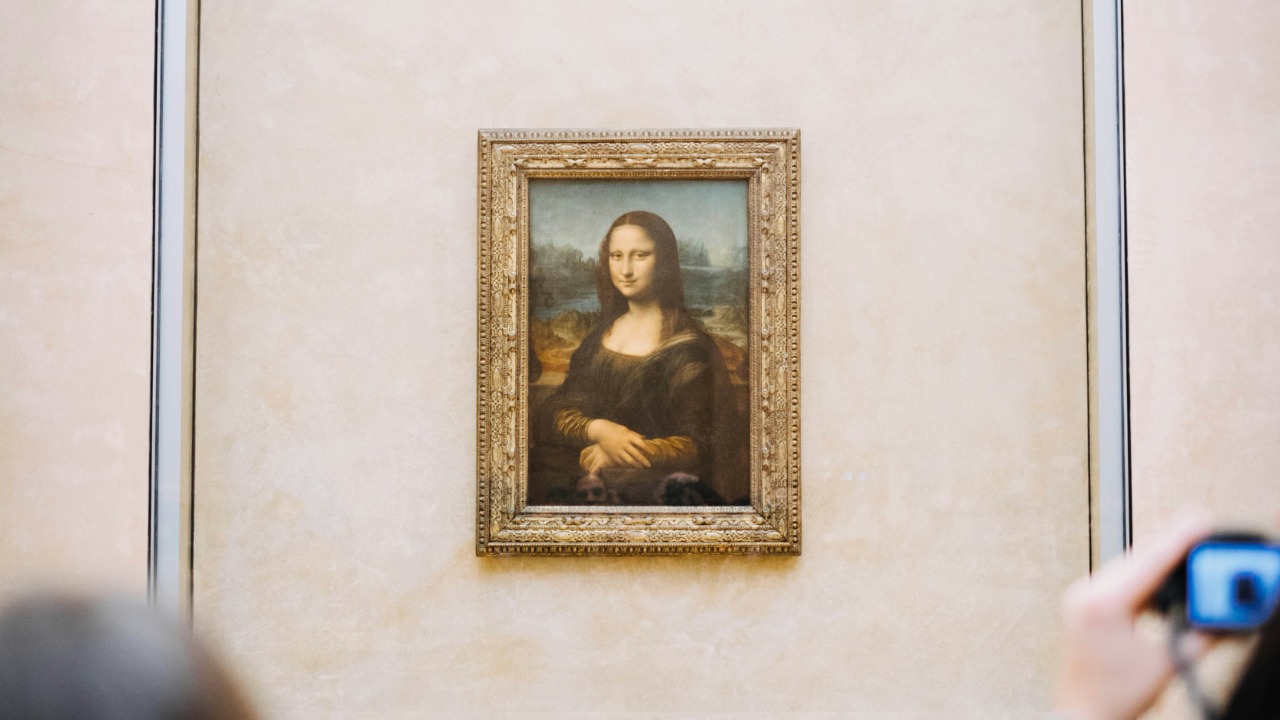
Beneath the surface of the Mona Lisa, researchers discovered a hidden portrait that presents a fascinating enigma. The image, which appears to be a different woman, is subtly different from the final version, with variations in facial expression and pose. This discovery has sparked various theories and interpretations among art historians and scholars.
One possible explanation is that the hidden portrait represents an earlier version of the Mona Lisa, potentially providing insights into da Vinci’s creative process and decision-making. Another theory suggests that the concealed image might have been a completely different subject, offering a glimpse into the artist’s experimentation with composition and form. The historical context of the Renaissance period, marked by a spirit of innovation and exploration, may have influenced da Vinci’s decision to conceal this earlier version beneath layers of paint.
Leonardo da Vinci’s Techniques
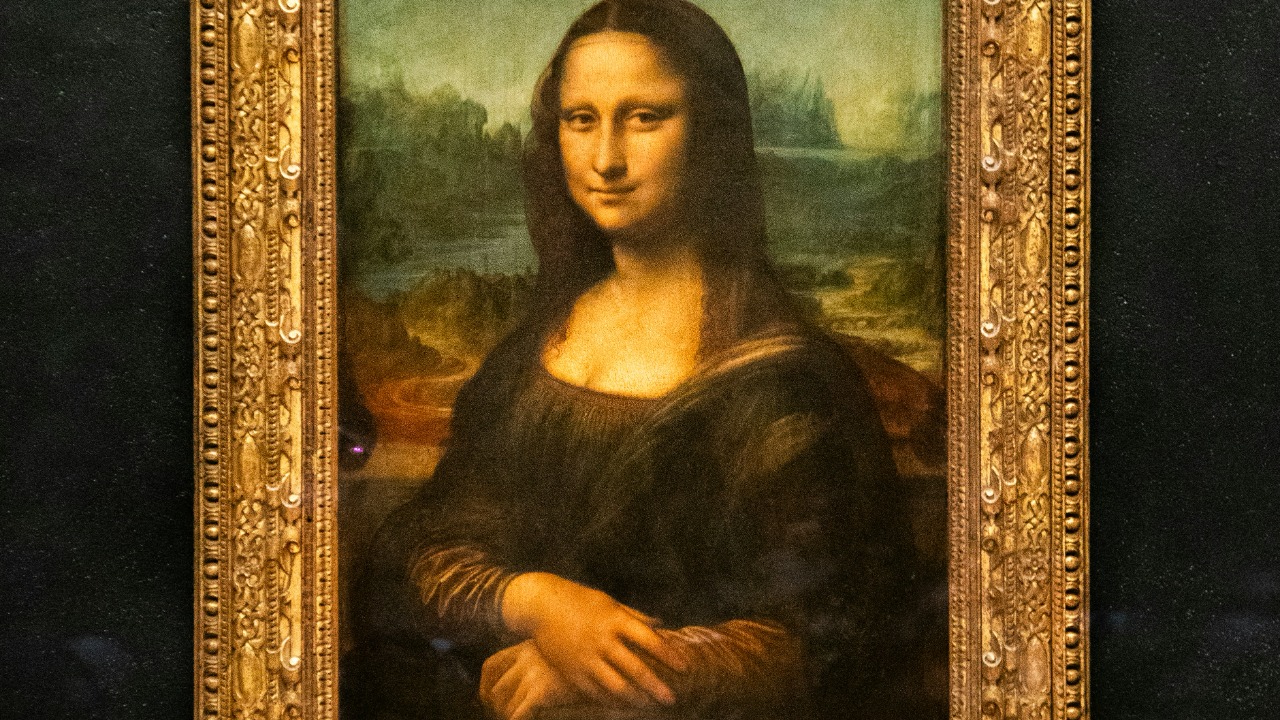
Leonardo da Vinci’s artistic methods have long been admired for their brilliance and innovation. The discovery of the hidden portrait highlights the complexity of his techniques in creating the Mona Lisa. Da Vinci was known for his meticulous layering of paints and glazes, which allowed him to achieve the subtle gradations and lifelike textures that define the painting. This discovery underscores the artist’s mastery of pioneering methods that were ahead of his time.
When compared to other works by da Vinci, such as The Last Supper and The Virgin of the Rocks, the Mona Lisa’s hidden elements reveal a consistency in his approach to experimentation and detail. These findings not only enhance our appreciation of the Mona Lisa but also emphasize the innovative spirit that characterized da Vinci’s entire body of work.
Implications for Art History
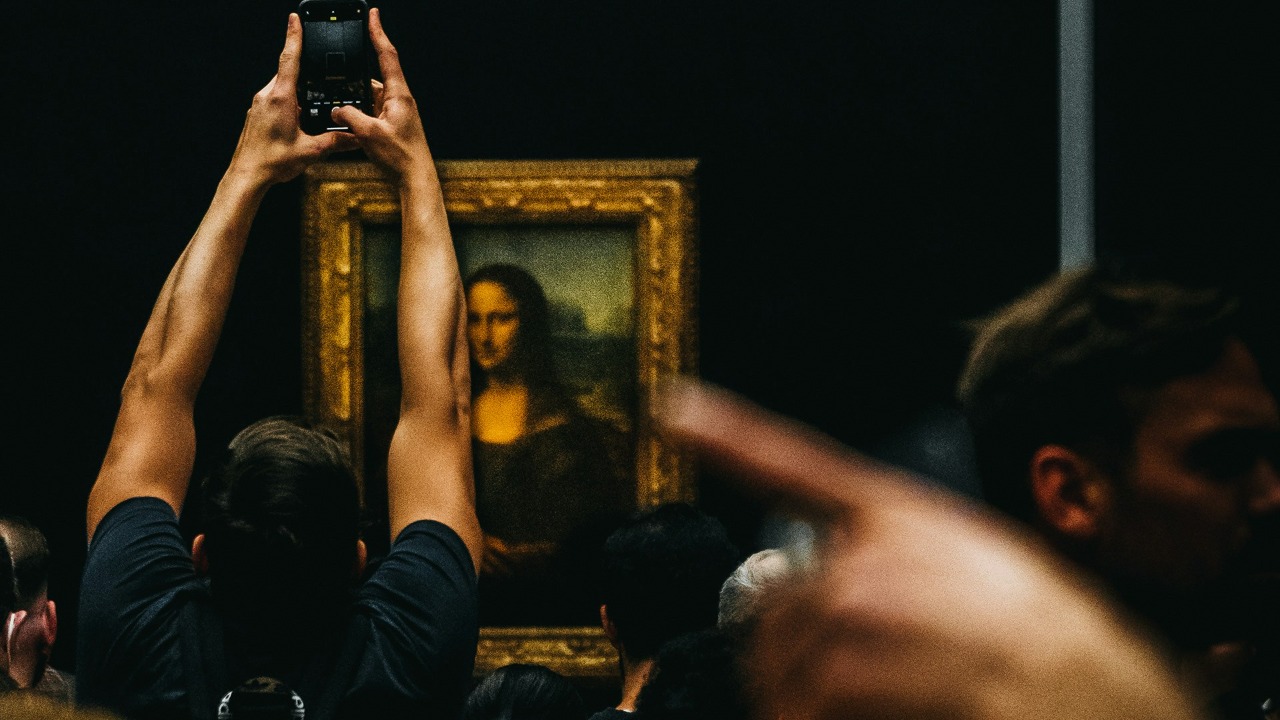
The recent discovery prompts a reevaluation of Leonardo da Vinci’s legacy. As this hidden secret challenges our understanding of his work, it invites art historians to reconsider the nuances of his creative process. This newfound knowledge could potentially reshape perceptions of da Vinci as an artist who continuously pushed the boundaries of his craft.
The impact on the art world is significant, as it encourages further research into other masterpieces that may harbor their own hidden secrets. This discovery could influence future practices in art restoration, guiding conservators in their efforts to preserve and understand historical artworks. Moreover, the hidden portrait offers broader historical insights into the Renaissance period, shedding light on the cultural and intellectual environment that influenced da Vinci’s work.
Future Research Directions
The discovery of a hidden secret within the Mona Lisa opens up the potential for new discoveries in other artworks. As technology continues to evolve, researchers are equipped with ever more sophisticated tools to explore the depths of art history. The possibility of finding additional concealed layers or images in other paintings is a tantalizing prospect that promises to enrich our understanding of the past.
Technological advancements will play a crucial role in these endeavors, offering new methods for analyzing and preserving artworks. Collaborative efforts among art historians, scientists, and technologists are essential in uncovering historical art secrets and ensuring their preservation for future generations. By fostering interdisciplinary partnerships, the art world can continue to build upon this extraordinary discovery, paving the way for even more remarkable revelations in the future.
