In a remarkable leap for neuroscience, lab-grown mini-brains, or brain organoids, have demonstrated the ability to solve math problems. These innovative developments provide new insights into neurodevelopment and cognition, while also prompting a variety of ethical and philosophical considerations.
Understanding Mini-Brains
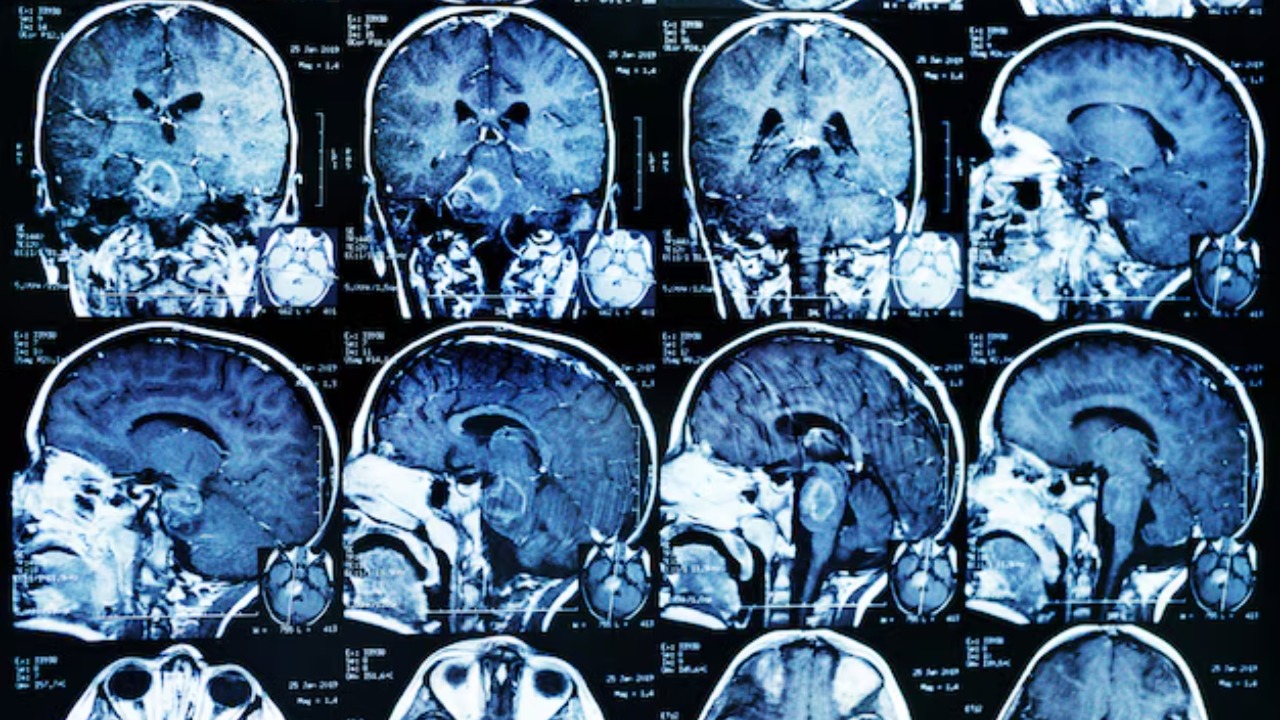
Mini-brains are organoids, essentially simplified versions of an organ produced in vitro in three dimensions that show realistic micro-anatomy. They are derived from human pluripotent stem cells and have been developed to study various aspects of the human brain. The advancements in technology have made it possible to grow these organoids in the lab, enabling scientists to study the brain’s development and function in real-time.
The potential applications of mini-brains are extensive. They can be used to model diseases, study neuronal development, and test drugs. These organoids offer a more ethical and potentially more effective alternative to animal testing. With further development, they could provide invaluable insights into neuropsychiatric and neurodegenerative disorders like schizophrenia and Alzheimer’s.
Mini-Brains and Math Problems

Researchers have pushed the capabilities of mini-brains further, demonstrating their ability to solve mathematical problems. In one experiment, scientists trained a mini-brain to perform a simple task: recognizing patterns in a series of numbers. Astonishingly, the organoid was able to complete this task, demonstrating a level of cognitive function previously thought unattainable in such a simplified model of the brain.
The cognitive abilities of these lab-grown brains could revolutionize our understanding of cognition itself. While the mini-brains don’t think or have consciousness in the way humans do, their ability to solve math problems suggests they could have some form of rudimentary cognition. This finding could lead to breakthroughs in understanding how human cognition develops and how it might be replicated in artificial systems.
Neural Activity in Mini-Brains
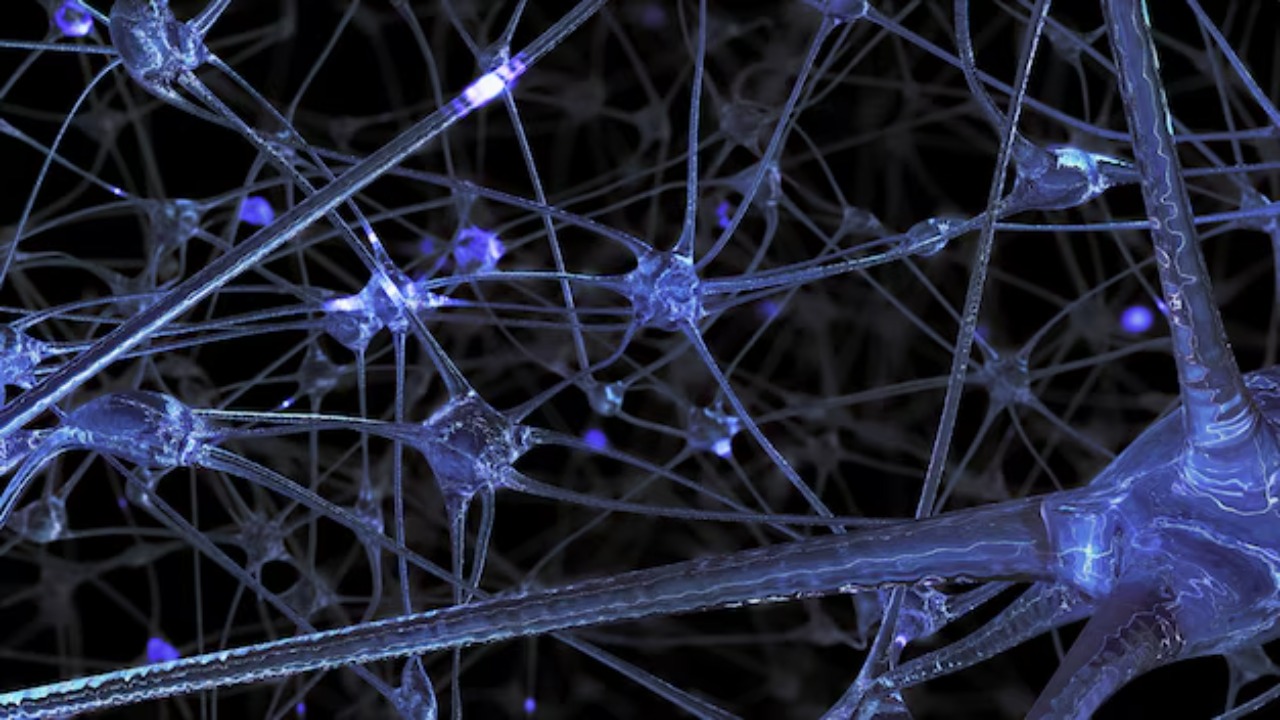
Not only can these mini-brains solve math problems, but they also exhibit similar neural activity to preterm infants. According to a study published in Scientific American, researchers found that the organoids developed complex, organized neural networks. This discovery opens up new possibilities for studying neurodevelopment and neurological disorders.
The complexity and organization of these networks make mini-brains an excellent model for studying a range of neurological and psychiatric disorders. They offer the potential to shed light on conditions such as autism, epilepsy, and schizophrenia, which are difficult to study in living humans. It also opens up new possibilities for drug discovery and testing.
Ethical Considerations

The development and use of mini-brains are not without controversy. As these organoids become increasingly complex and begin to exhibit more sophisticated behaviors, they raise significant ethical and philosophical questions. For instance, if a mini-brain develops a level of cognition, what rights should it have? What ethical obligations do we have towards it?
Currently, there are no specific guidelines or regulations for research involving mini-brains. As a result, the scientific community and regulators must navigate uncharted territory. This situation underscores the necessity for ongoing dialogue and the development of robust ethical frameworks for this kind of research.
Future Directions

The future of mini-brains looks promising, with potential applications in drug discovery and neurodevelopmental studies. However, there are challenges and limitations to consider. For example, while mini-brains can model the structure of the brain, they lack the ability to model the brain’s interactions with other organs and systems in the body.
Despite these challenges, mini-brains are becoming an invaluable tool in neuroscience. They offer the potential to advance our understanding of the human brain and consciousness, and could play a crucial role in developing treatments for a range of neurological and psychiatric disorders. As we continue to explore the capabilities and implications of these organoids, it’s clear that mini-brains will play a significant role in the future of neuroscience.
