Mind-controlled drones, a concept once confined to the realm of science fiction, have now made a significant mark in the real world by emerging victorious in a global race. This unprecedented achievement has brought to the fore the innovative technology behind these drones, the potential implications of their success, and the exciting future prospects this victory heralds for drone technology.
The Technology behind Mind-controlled Drones
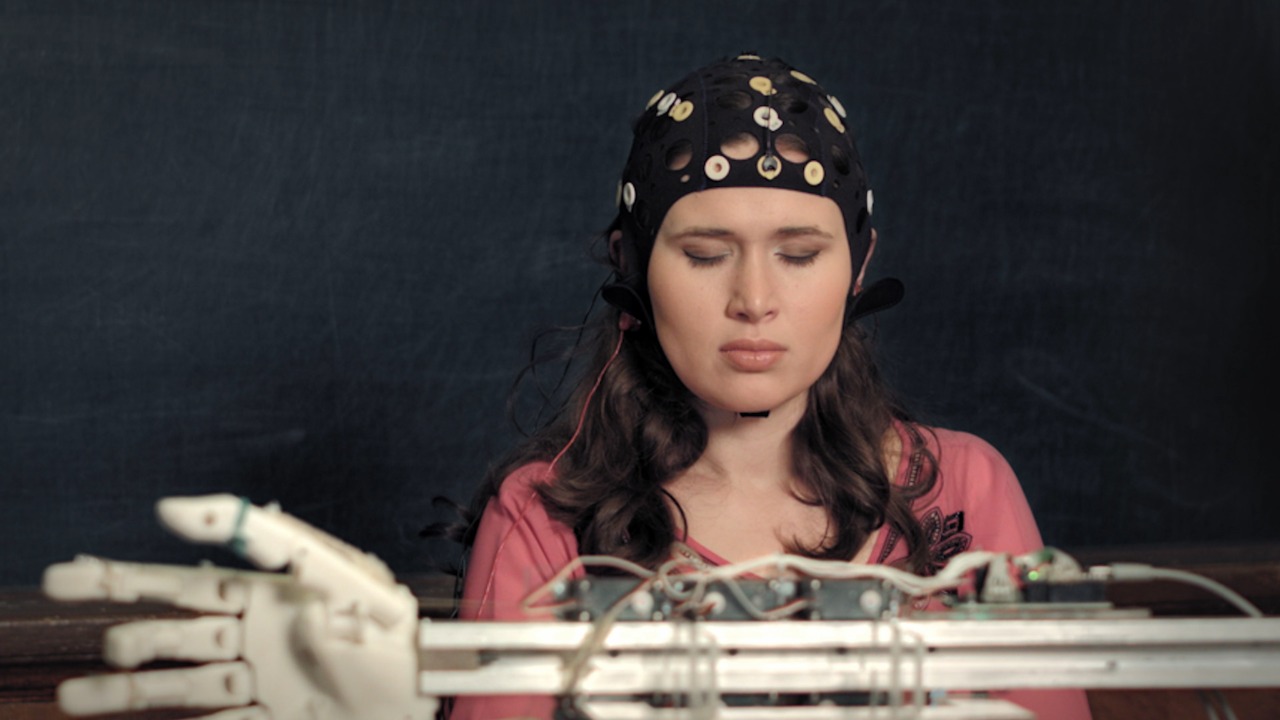
The fascinating field of mind-controlled drones, or brain-computer interfaces (BCIs), has witnessed significant evolution over the years. BCIs essentially establish a direct communication pathway between the human brain and an external device—in this case, a drone. Advances in neuroscience and machine learning have allowed this once theoretical concept to become a practical reality.
The operation of these drones relies on an intricate process. The drone pilot wears an electroencephalogram (EEG) headset that measures brain activity. The headset then translates these signals into commands, which are sent to the drone. This process allows the drone to respond to the pilot’s thoughts, effectively making it an extension of the pilot’s mind. For a deeper dive into the science and evolution of this technology, this book is a recommended read.
The Global Race and the Victory of Mind-controlled Drones
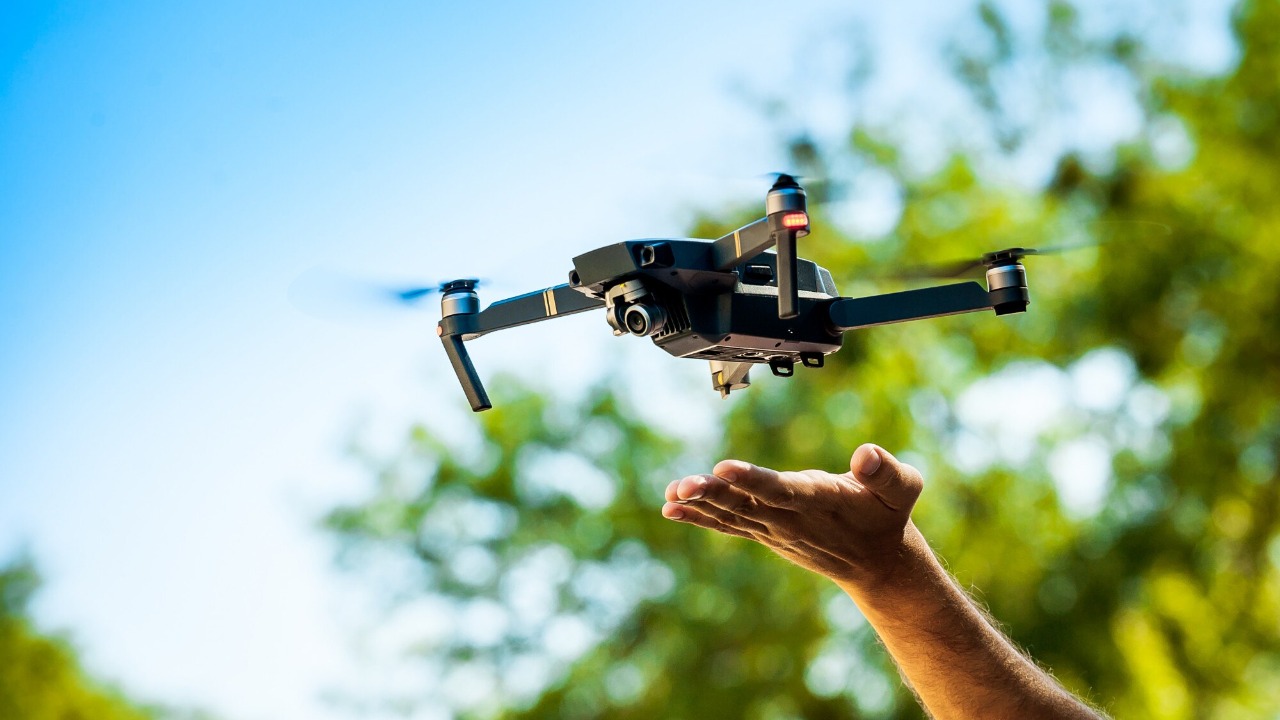
The global drone race was a highly competitive event that brought together some of the most advanced drone technologies from around the world. It was in this high-stakes competition that the mind-controlled drone emerged victorious. The race required a combination of speed, agility, and precision, and the winning drone demonstrated all of these qualities in ample measure.
The victory of the mind-controlled drone has been met with a mixed response. While some in the tech world have hailed it as a significant achievement, others have expressed concerns about the potential risks associated with this technology. For more insights into the race and its aftermath, visit this discussion on Reddit.
Implications of Mind-Controlled Drones in the Drone Industry
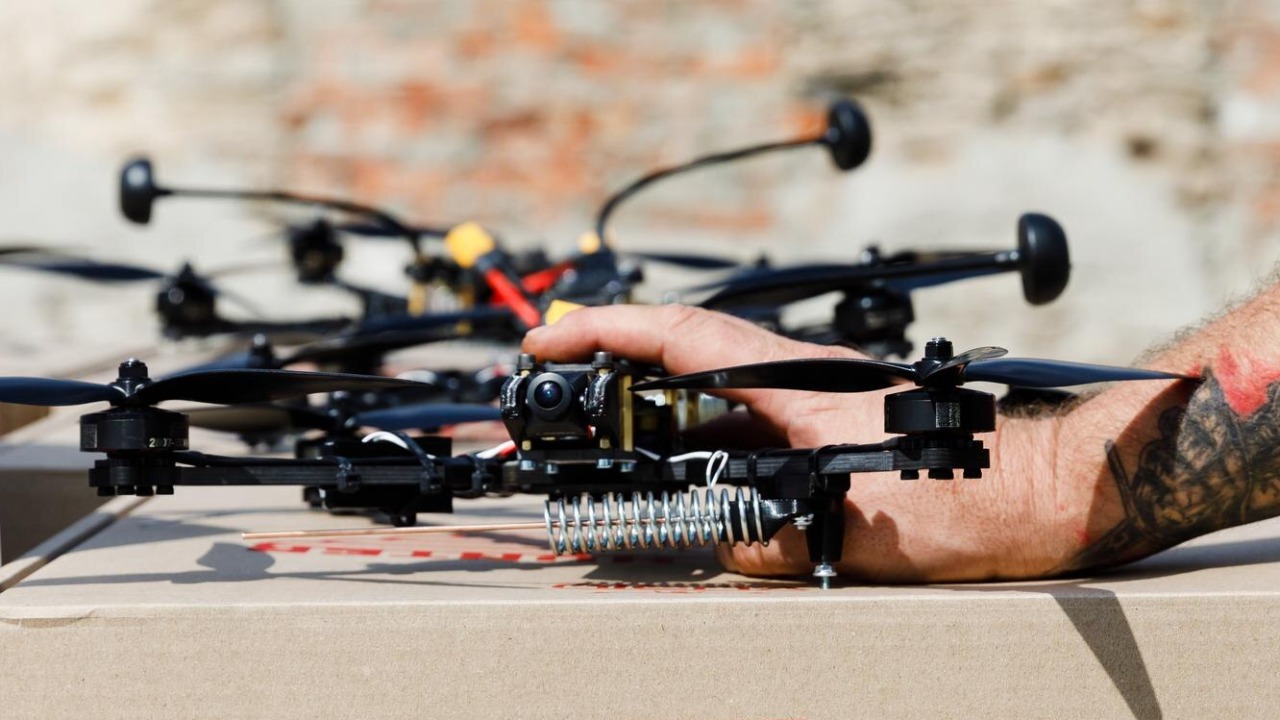
The advent and subsequent success of mind-controlled drones have the potential to significantly impact the drone industry. The technology can change the dynamics of drone racing, making it more about the pilot’s mental stamina and focus than manual control. The success of mind-controlled drones could also spark a shift in the industry’s focus towards developing more advanced BCI technologies.
However, this technology also poses potential challenges. Regulating such advanced technology can be complex, and there are potential privacy and security risks to consider. For a more comprehensive discussion on the implications of this technology in the drone industry, refer to this book.
Future Prospects of Mind-Controlled Drones
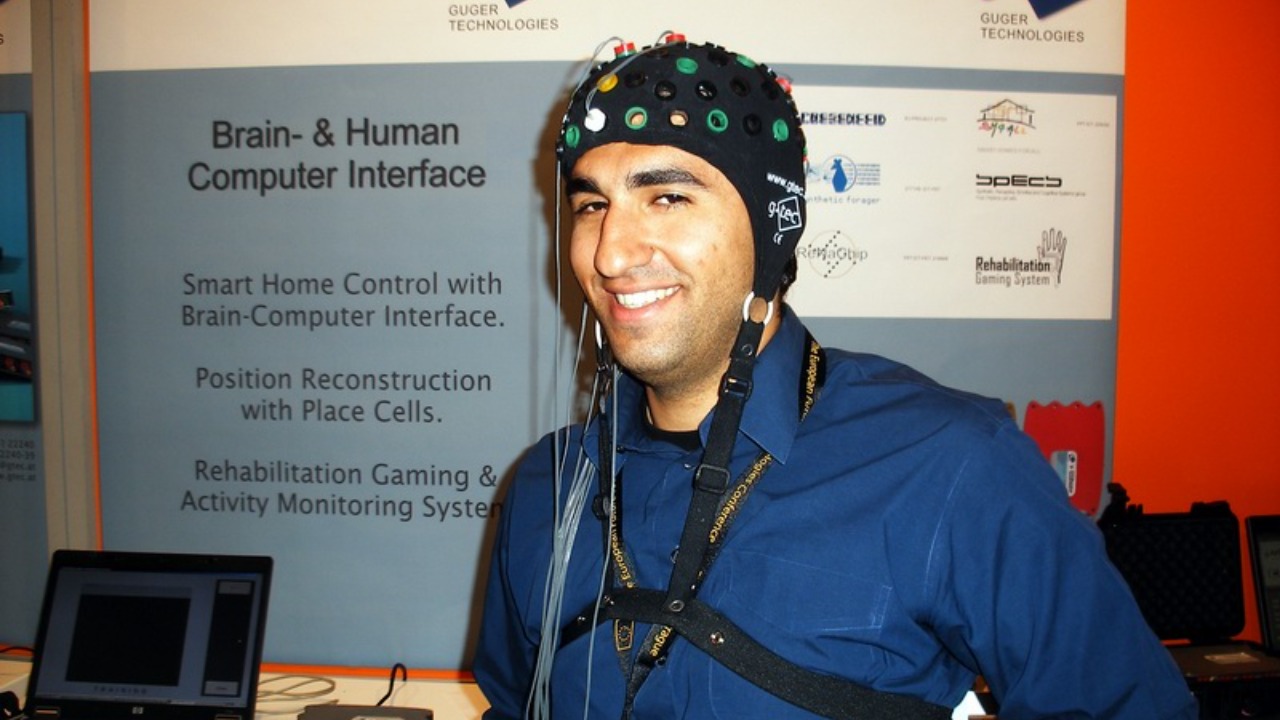
Beyond racing, mind-controlled drones have a wide range of potential applications. They could be used in surveillance, delivering goods, or even in medical emergencies where remote access is required. With continuous advancements in BCI technology, the potential uses of mind-controlled drones are only set to increase.
However, the refinement and improvement of this technology also come with potential ethical and legal considerations. Issues such as user safety, data privacy, and misuse of technology need to be addressed as this technology continues to evolve. For a glimpse into the future prospects of mind-controlled drones, visit this LinkedIn post.
How Mind-Controlled Drones are Shaping the Future of Technology
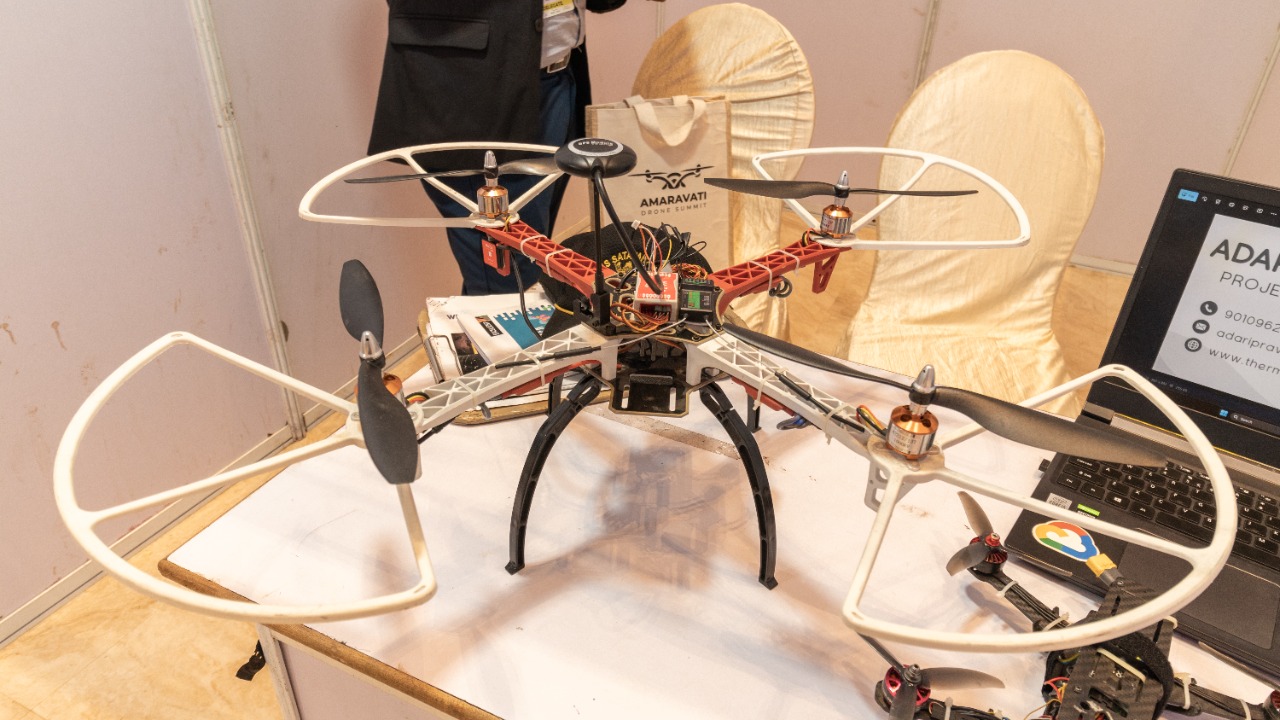
Mind-controlled drones play a pivotal role in advancing technology. Their victory in the global race is a significant milestone that could influence the future of AI and robotics. As BCIs continue to develop, they could potentially redefine the boundaries of human-machine interaction.
The broader implications of this technology extend beyond the tech world. It has the potential to impact society and everyday life in unimaginable ways. From assisting disabled individuals to revolutionizing the gaming industry, the possibilities are endless. As we continue to explore the potential of mind-controlled drones, it’s clear that we’re witnessing a new era in the convergence of neuroscience and technology.
