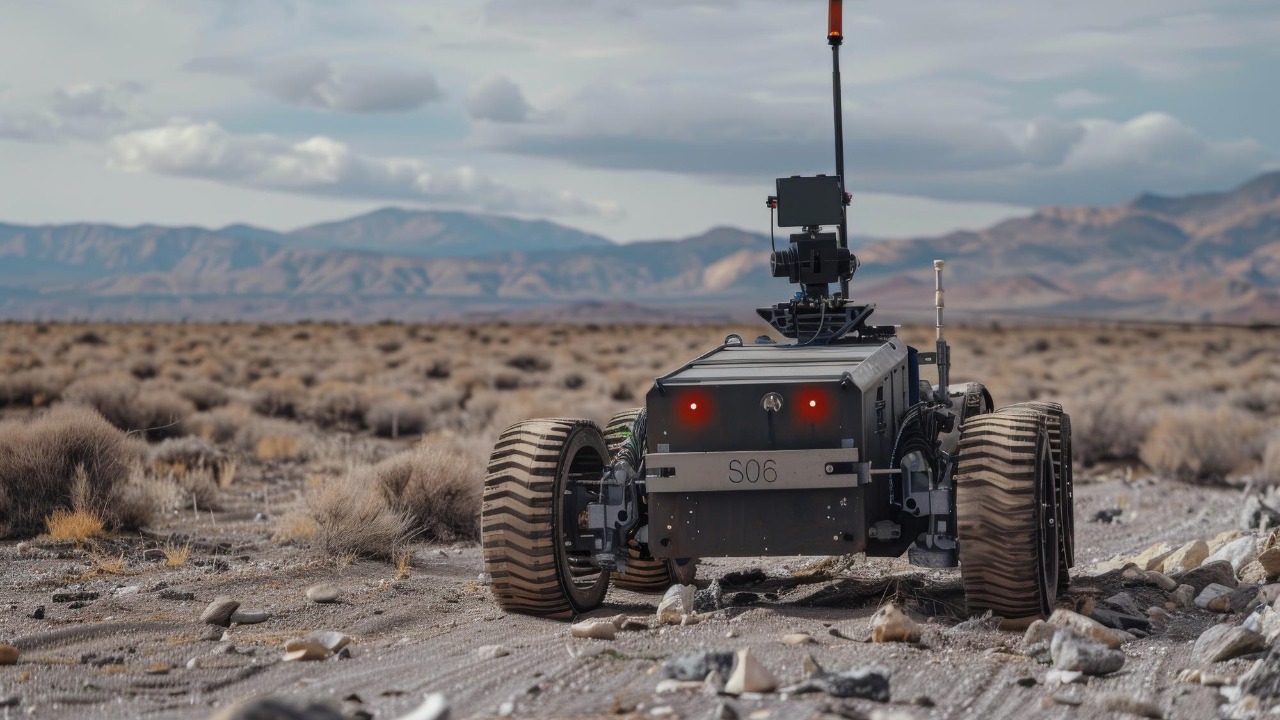
The US Army is on the verge of a technological leap, with plans to develop an uncrewed military vehicle designed to conduct high-risk missions. This autonomous vehicle aims to handle operations that are too dangerous for human soldiers, leveraging advancements in self-driving technology. The development comes against the backdrop of key legislative developments on self-driving vehicles, including enacted laws across states.
Project Announcement and Objectives
On October 3, 2025, the US Army announced the development of an uncrewed military vehicle specifically designed for high-risk missions. The primary objective of this project is to enable the vehicle to conduct operations in environments where human involvement poses excessive danger. By integrating self-driving capabilities, the Army aims to enhance mission efficiency and soldier safety. This initiative marks a significant step in the military’s adoption of autonomous technology, with the potential to revolutionize the way operations are conducted.
The project’s announcement on October 3, 2025, represents a significant milestone in the US Army’s ongoing efforts to leverage cutting-edge technology for enhanced operational efficiency. The development of an autonomous military vehicle is a testament to the Army’s commitment to innovation and soldier safety. The vehicle is envisaged to be capable of navigating complex terrains and executing high-risk missions with minimal human intervention. This project is not just about creating a new piece of military hardware, but about fundamentally transforming the way the Army operates, making it more efficient, effective, and adaptable to evolving threats and challenges.
Technological Foundations of Autonomous Military Vehicles
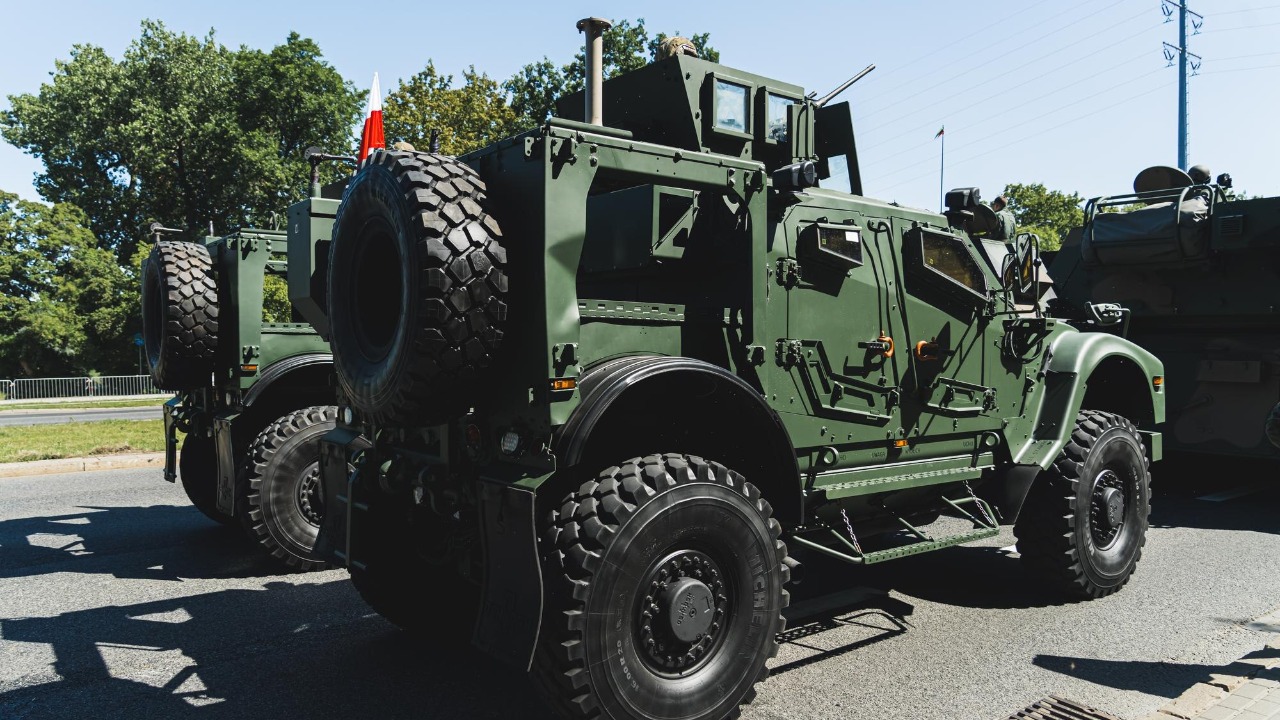
The core self-driving technologies adapted from civilian autonomous vehicles play a crucial role in the development of these military vehicles. Artificial Intelligence (AI) is at the heart of these systems, enabling navigation and decision-making in high-risk scenarios. Insights from self-driving car developments, such as those reported by IEEE Spectrum, have been instrumental in informing military adaptations of this technology.
The technological underpinnings of these autonomous military vehicles are rooted in the advancements made in the civilian sector. The AI systems that power these vehicles are built on sophisticated algorithms that allow for real-time data processing and decision-making. These systems are designed to adapt to changing environments and make split-second decisions, crucial for high-risk military operations. The technology also incorporates advanced sensor systems for environmental perception, including lidar, radar, and cameras, which enable the vehicle to perceive its surroundings, identify obstacles, and navigate effectively. The development of these technologies has been informed by the experiences and challenges encountered in the civilian sector, as reported by IEEE Spectrum.
Legislative Landscape for Autonomous Systems
The legislative landscape for autonomous systems has evolved significantly over the past few years, reflecting the rapid advancements in this field. The laws enacted at both state and federal levels provide a regulatory framework that guides the development, testing, and deployment of autonomous vehicles. These laws address a range of issues, including safety standards, data privacy, and liability in the event of accidents. The legislation also provides guidelines for the integration of autonomous vehicles into existing transportation systems. The current regulatory landscape, as detailed by the National Conference of State Legislatures, is expected to play a crucial role in shaping the future of autonomous military vehicles.
AI Risks and Challenges in Self-Driving Military Tech

Despite the numerous advantages, the integration of AI into self-driving military tech also presents a set of unique challenges. One of the primary concerns is the reliability of AI systems in high-stress, unpredictable combat scenarios. AI systems, while highly efficient, are not infallible and can make errors in judgment, particularly in complex and dynamic situations. There are also concerns about the vulnerability of these systems to cyber-attacks, which could potentially compromise the vehicle’s functionality and mission effectiveness. The development of robust security measures and fail-safe mechanisms is therefore a critical aspect of this project. The lessons learned from incidents involving civilian self-driving vehicles, as highlighted by IEEE Spectrum, are being used to address these challenges.
Strategic Benefits for US Army Operations
The strategic benefits of integrating autonomous vehicles into military operations are manifold. In addition to enhancing soldier safety, these vehicles can significantly increase the Army’s operational capabilities. They can be deployed in a variety of roles, from reconnaissance and surveillance to logistics and combat support. The ability to operate autonomously in high-risk environments allows the Army to extend its operational reach, enabling it to respond more effectively to emerging threats. The use of autonomous vehicles also offers potential cost savings, as they can operate continuously without the need for rest, unlike human soldiers. These benefits, as reported by Interesting Engineering, make the development of autonomous military vehicles a strategic priority for the US Army.
Future Development and Testing Phases
The future development and testing phases of the uncrewed military vehicle project will involve a rigorous process of design refinement, system integration, and extensive field testing. The Army plans to collaborate closely with tech developers to ensure that the vehicle meets the highest standards of performance and reliability. The testing phase will involve a series of trials under various operational conditions to assess the vehicle’s capabilities and identify potential areas for improvement. The project will also need to comply with the existing autonomous vehicle legislation, as per the guidelines provided by the National Conference of State Legislatures. This will ensure that the vehicle meets all safety and operational requirements before it is deployed in real-world missions.
