Recent striking images have captured an antibiotic slaying bacteria in real time, revealing the dramatic process of bacterial death at a microscopic level. Scientists have also obtained live images of bacteria battling antibiotics, showcasing the dynamic struggle between microbes and medication. Furthermore, research explains how bacteria trick themselves into suicide by antibiotic, highlighting a self-destructive mechanism triggered by the drugs.
The Capture of Real-Time Bacterial Death
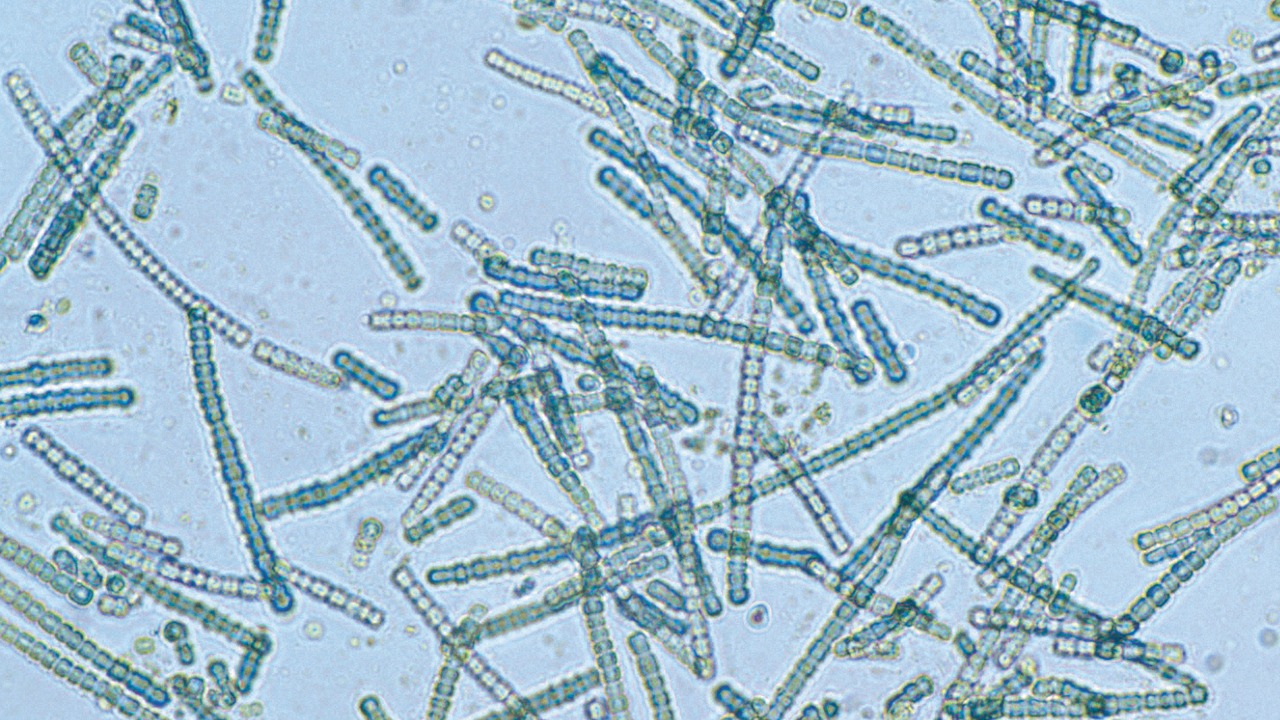
Striking images have provided a vivid glimpse into the microscopic world where antibiotics engage in a lethal dance with bacteria. These images, published on October 5, 2025, offer visual evidence of the antibiotic’s direct impact on bacterial structures during the slaying process. The images reveal how antibiotics penetrate bacterial cells, disrupting their internal machinery and leading to their eventual demise. This visual documentation serves as a powerful tool for scientists seeking to understand the precise mechanisms through which antibiotics exert their effects on bacterial populations (Live Science).
The ability to capture these moments in real time marks a significant advancement in microbiological research. By observing the immediate effects of antibiotics on bacteria, researchers can gain insights into the timing and sequence of cellular events that lead to bacterial death. This knowledge is crucial for developing more effective antibiotics that can target bacteria with precision, minimizing the risk of resistance development. The images not only highlight the destructive power of antibiotics but also underscore the importance of continued research into their mechanisms of action.
These groundbreaking images not only provide a visual spectacle but also serve as a crucial educational tool for the scientific community and the public. By illustrating the exact moments when antibiotics disrupt bacterial cell walls and internal structures, these images help demystify the complex interactions that occur at a microscopic level. This visual evidence supports the development of educational materials that can enhance understanding of antibiotic functions and the importance of responsible antibiotic use in preventing resistance.
Live Visualization of Bacterial Resistance Battles
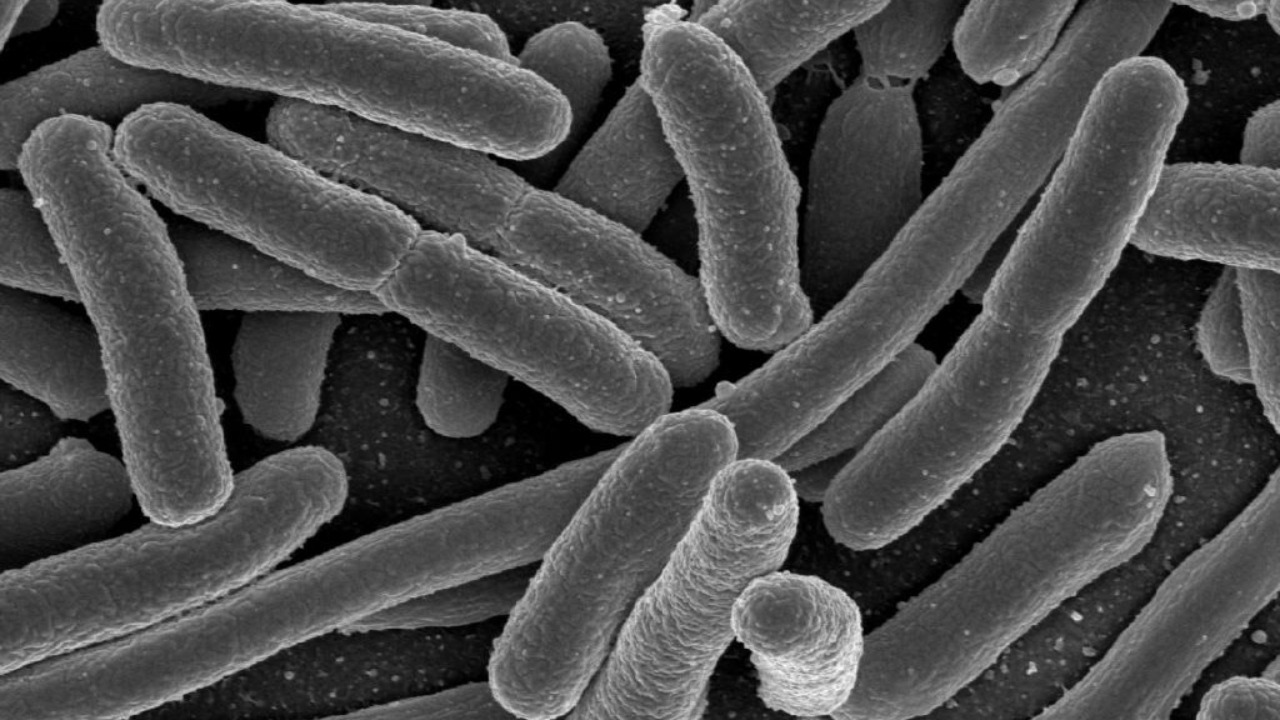
Scientists have captured live images of bacteria battling antibiotics, illustrating the ongoing conflict between these microscopic adversaries. These images, reported on September 30, 2025, depict bacteria employing various strategies to withstand the antibiotic assault. The dynamic interactions captured in these images reveal the resilience of bacteria as they attempt to survive in the presence of antibiotics. This visualization provides a unique perspective on the adaptive capabilities of bacteria, shedding light on the mechanisms they use to resist antibiotic treatment (The Brighter Side).
The live images serve as a valuable resource for researchers studying bacterial resistance. By observing the real-time responses of bacteria to antibiotics, scientists can identify patterns of resistance and develop strategies to counteract them. This knowledge is essential for addressing the growing threat of antimicrobial resistance, which poses a significant challenge to global health. The ability to visualize these battles in real time enhances our understanding of bacterial behavior and informs the development of new therapeutic approaches.
The insights gained from these live visualizations are pivotal in the ongoing battle against antibiotic resistance. By identifying the specific genetic and biochemical pathways bacteria use to resist antibiotics, researchers can target these pathways with novel therapeutic strategies. This approach not only aids in the design of new antibiotics but also in the development of adjunct therapies that can weaken bacterial defenses, making existing antibiotics more effective. The ability to visualize these interactions in real time also facilitates the testing of new drugs in a more dynamic and realistic setting, potentially accelerating the drug development process.
Mechanisms of Antibiotic-Induced Bacterial Suicide
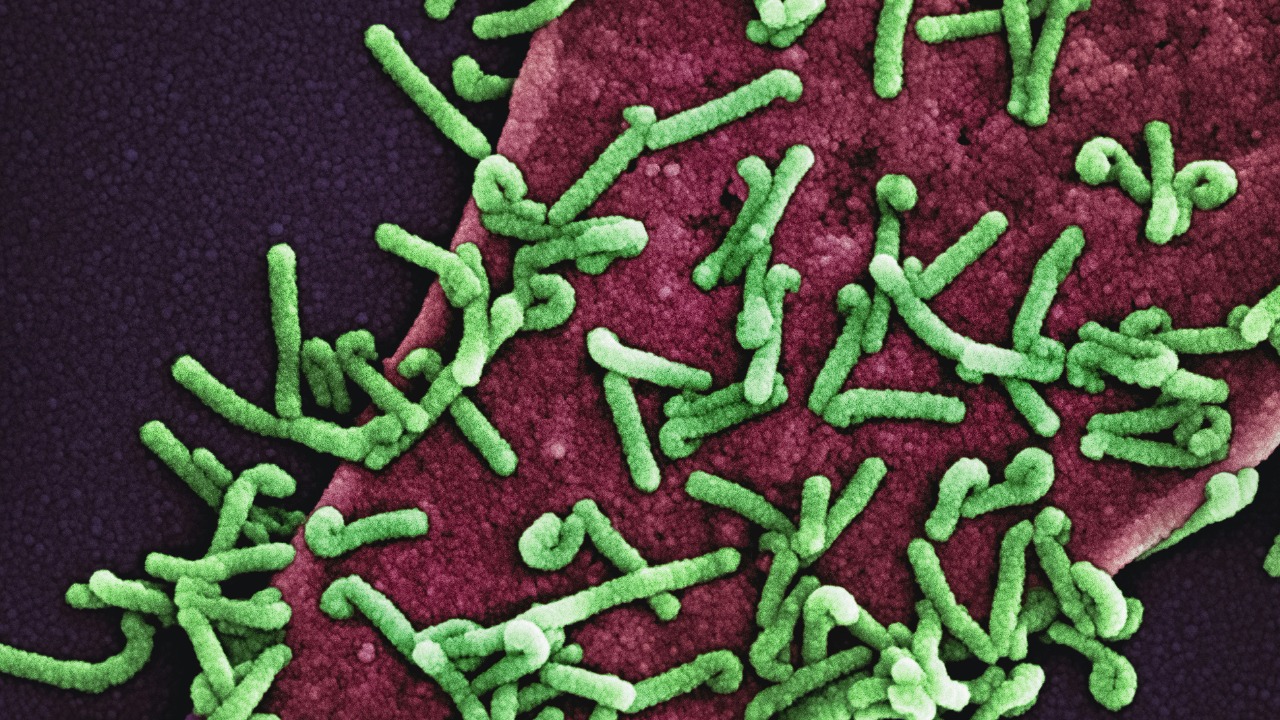
Research has detailed how bacteria trick themselves into suicide by antibiotic, revealing a self-destructive mechanism triggered by the drugs. This process, reported on September 29, 2025, involves internal bacterial responses that lead to programmed cell death upon antibiotic exposure. The study highlights how certain antibiotics can exploit this self-tricking process to effectively terminate bacterial life cycles. Understanding these mechanisms offers valuable insights into why some antibiotics are particularly effective at eliminating bacterial infections (Science Blog).
The concept of antibiotic-induced bacterial suicide challenges traditional notions of how antibiotics work. Rather than simply killing bacteria through direct attack, some antibiotics trigger a self-destructive response within the bacterial cells themselves. This discovery opens up new avenues for antibiotic development, as researchers can explore ways to enhance this self-destructive mechanism to improve treatment efficacy. By leveraging the bacteria’s own cellular processes, scientists can design antibiotics that are more targeted and less likely to contribute to resistance.
This research into antibiotic-induced bacterial suicide also has significant implications for understanding bacterial evolution and adaptation. By studying how bacteria have evolved mechanisms that can be turned against them, scientists can gain insights into the evolutionary pressures that shape bacterial genomes. This knowledge can inform the development of evolutionary-informed strategies to combat bacterial infections, potentially leading to more sustainable and long-term solutions in the fight against antibiotic resistance. Additionally, understanding these self-destructive pathways could lead to the discovery of biomarkers that predict bacterial susceptibility to certain antibiotics, allowing for more personalized and effective treatment plans.
Implications for Antibiotic Development
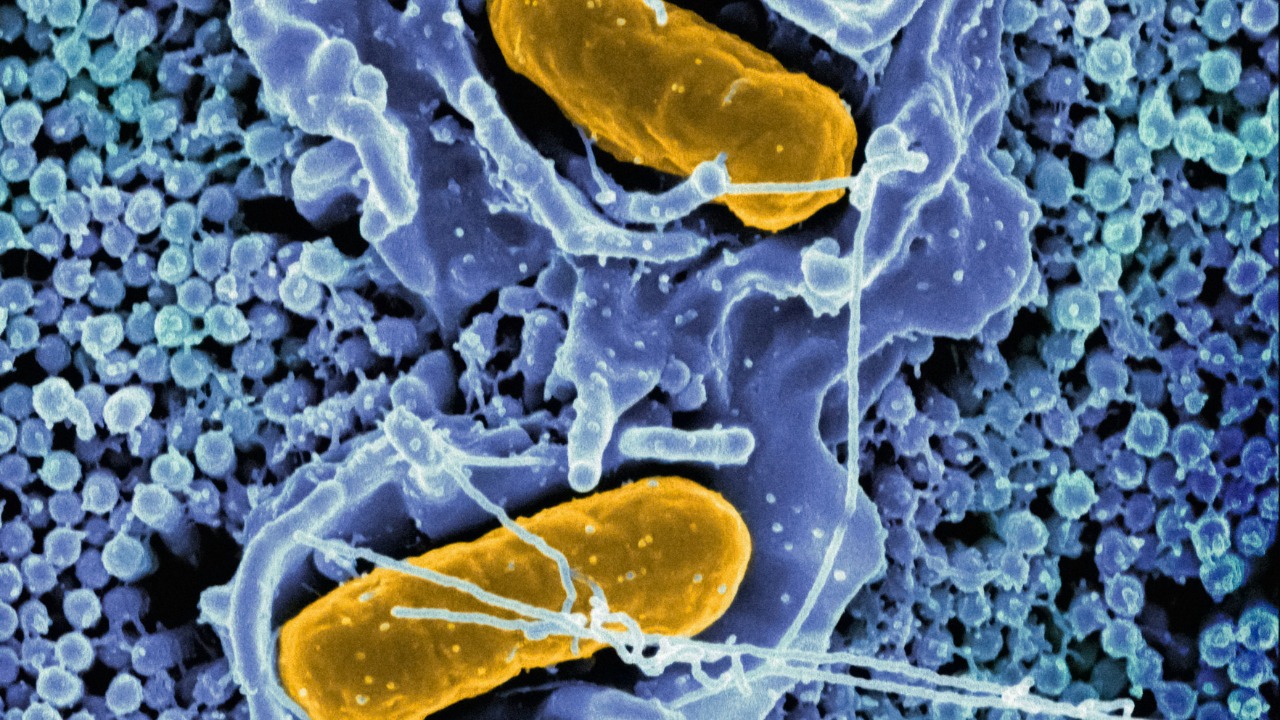
The real-time imaging techniques that captured the striking images of antibiotics slaying bacteria could inform new antibiotic designs by showing slaying dynamics in action. These images provide a detailed view of how antibiotics interact with bacterial cells, offering insights into the specific targets and pathways involved in bacterial death. This information is invaluable for researchers seeking to develop antibiotics that are more effective and less prone to resistance (Live Science).
Similarly, the live battle images may help identify resistance patterns in bacteria, aiding in combating antimicrobial resistance. By analyzing the real-time responses of bacteria to antibiotics, scientists can pinpoint the strategies bacteria use to evade treatment. This knowledge can inform the development of new antibiotics that are specifically designed to overcome these resistance mechanisms, ensuring that they remain effective in the long term (The Brighter Side).
Understanding the suicide tricks employed by bacteria could lead to antibiotics that enhance bacterial self-destruction, improving treatment efficacy. By exploiting the self-destructive mechanisms within bacterial cells, researchers can design antibiotics that trigger these processes more effectively, leading to faster and more complete eradication of bacterial infections. This approach holds promise for developing new treatments that are both potent and less likely to contribute to the development of resistance (Science Blog).
