In recent years, the integration of microphones in household appliances has raised significant privacy concerns. Many consumers remain unaware that these devices can record audio without providing explicit notification. This article delves into the implications of this technology and its impact on personal privacy.
The Rise of Smart Appliances

Smart appliances have become a staple in modern homes, offering convenience and efficiency through advanced technology. The growth of the smart home market has been rapid, with devices like Amazon’s Echo, Google’s Nest, and Samsung’s SmartThings leading the charge. These devices, often equipped with microphones, are designed to make life easier by responding to voice commands and automating household tasks. The appeal is undeniable: who wouldn’t want to control their lights, thermostat, or even refrigerator with a simple voice command?
However, this convenience comes with a caveat. Many appliances now come with embedded microphones, often without the user’s full understanding of their capabilities. For instance, smart refrigerators and televisions have begun incorporating voice-activated features, allowing users to search for recipes or change channels without lifting a finger. However, these features also introduce the possibility of undisclosed audio recording. The potential for these devices to record conversations without explicit user consent raises important questions about privacy in the digital age.
Privacy Concerns and Consumer Awareness
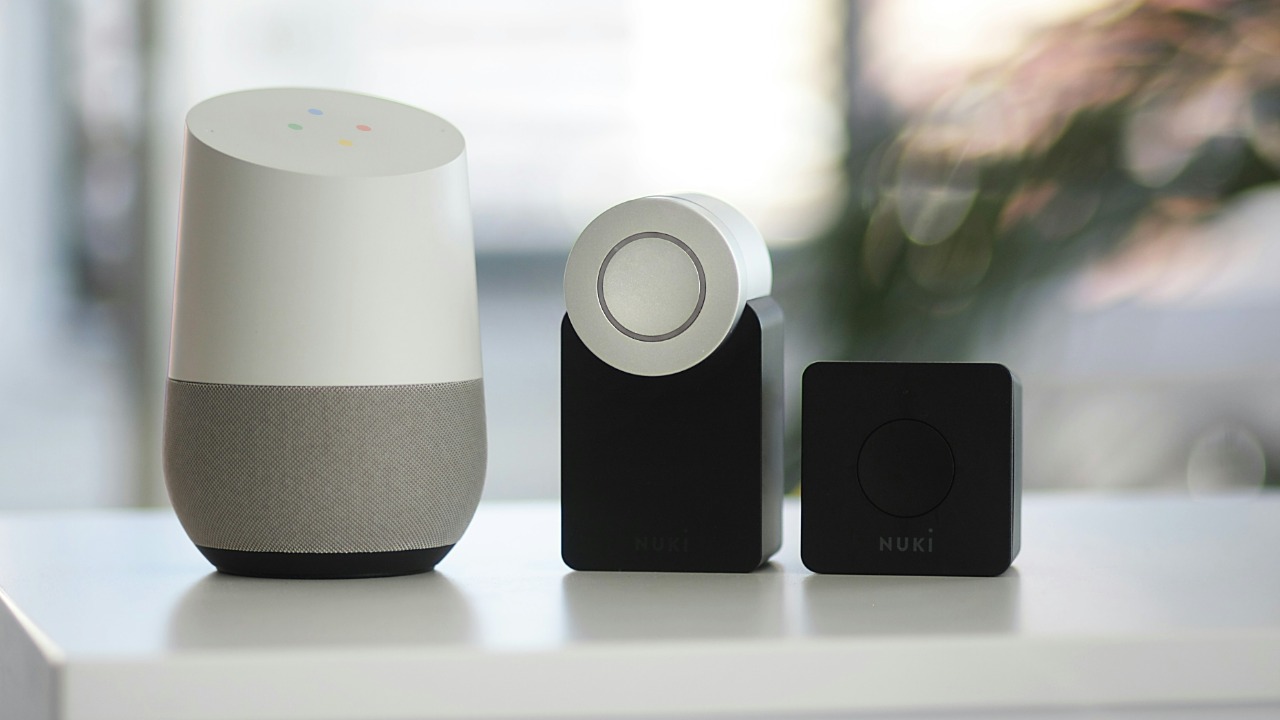
One of the critical issues with smart appliances is the lack of transparency regarding their recording capabilities. Often, users are not adequately informed when purchasing these devices about their ability to capture audio. Notifications, if they exist, are frequently buried in lengthy terms of service agreements that few people read. This lack of clear communication can lead to a false sense of security, as many consumers assume their interactions within the home remain private.
The implications of hidden microphones are far-reaching. Unauthorized audio capture can lead to significant privacy breaches, especially if sensitive information is inadvertently recorded. In worst-case scenarios, this data could be accessed by third parties or even used for malicious purposes. The possibility of such misuse highlights the urgent need for increased consumer awareness and better protection measures. It’s crucial for users to understand the potential risks involved and take proactive steps to safeguard their personal information.
Legal and Regulatory Landscape

The legal framework surrounding audio recording in smart appliances is still evolving, with existing privacy laws struggling to keep pace with technological advancements. In many regions, current regulations are inadequate, often failing to address the unique challenges posed by these devices. For instance, the Always On white paper by the Future of Privacy Forum highlights the complexities involved in applying traditional privacy laws to modern smart devices.
In response to these challenges, legislators have started proposing new laws aimed at enhancing consumer privacy. A notable example is the proposed Senate bill that seeks to establish more stringent guidelines for audio recording in appliances. The bill aims to ensure that users are clearly informed about the recording capabilities of their devices and have the ability to control these features. Key provisions include mandatory notifications and options to disable microphones, which could significantly impact the industry if passed into law.
Industry Response and Best Practices

Manufacturers are increasingly aware of these privacy concerns and are taking steps to address them. Companies like Amazon and Google have introduced privacy features that allow users to mute microphones on their devices. These features are designed to give users more control over when and how their audio is captured, addressing some of the transparency issues highlighted by privacy advocates.
For consumers looking to protect their privacy, several best practices can be implemented. First, it’s essential to regularly review and adjust the privacy settings on all smart devices. Users should familiarize themselves with the features of their appliances and take advantage of any available options to mute microphones or limit audio recording. Additionally, placing these devices in less sensitive areas of the home can reduce the risk of capturing private conversations. By staying informed and proactive, consumers can better safeguard their personal information in an increasingly connected world.
Future Implications and Considerations

The role of AI and machine learning in smart appliances is set to expand, further blurring the lines between convenience and privacy. As these technologies advance, the ability of devices to process and analyze audio data will improve, potentially leading to more sophisticated voice-activated features. However, this also raises concerns about the extent of data collection and the potential for misuse. Balancing innovation with privacy rights will be a key challenge for both manufacturers and regulators.
Looking ahead, the likelihood of increased regulation in this area seems high. As consumer awareness grows and advocacy groups push for stronger protections, governments may be compelled to introduce more comprehensive privacy standards. This could lead to stricter enforcement of existing laws and the development of new regulations tailored to the unique challenges posed by smart appliances. Organizations such as the IEEE and ACM have already begun exploring these issues, offering valuable insights into the future of privacy in the digital age. For example, the IEEE’s research on smart home privacy provides a framework for understanding and addressing these challenges.
Consumer advocacy will play a crucial role in shaping these standards. As more people become aware of the potential privacy risks associated with smart appliances, the demand for greater transparency and control will likely increase. By working together, consumers, manufacturers, and regulators can create a more secure and privacy-conscious future, ensuring that the benefits of smart technology do not come at the expense of personal privacy.
