Microchip implants have emerged as a groundbreaking technology with the potential to revolutionize the health sector. These innovative devices can track health vitals in real-time, offering immense possibilities for proactive health management and disease prevention. Let’s delve into understanding this technology, its potential benefits, challenges, and ethical considerations that surround its usage.
Understanding the Technology
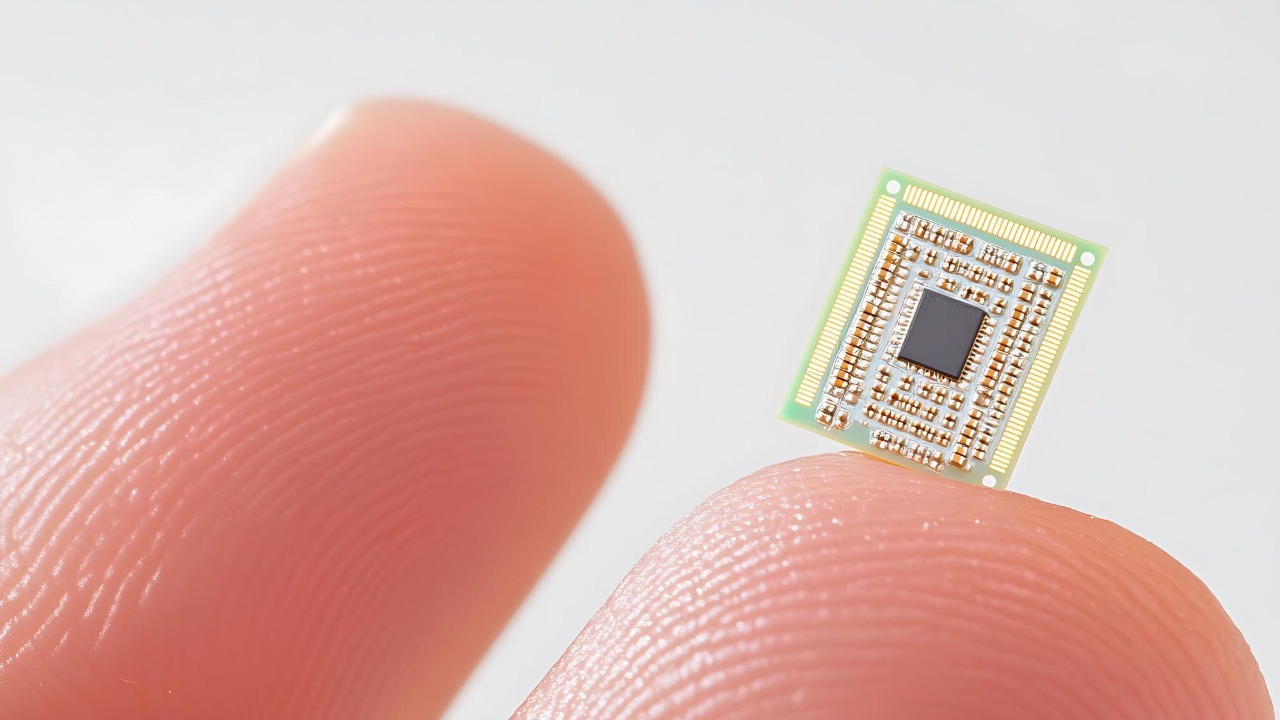
Microchip implants work on a simple yet effective principle. A tiny, programmable chip is inserted under the skin, which collects and transmits health data. The fundamental component of this technology is the transdermal microchip, which monitors health vitals from within the body. This technology has seen significant advancements that have made real-time health monitoring possible.
These advancements include improvements in data collection and transmission capabilities, miniaturization of components, and development of biocompatible materials for the chip’s casing. Furthermore, the evolution of IoT (Internet of Things) technology has played a significant role in enabling the seamless interaction of these microchips with other devices and systems for data analysis and interpretation.
Health Monitoring Capabilities
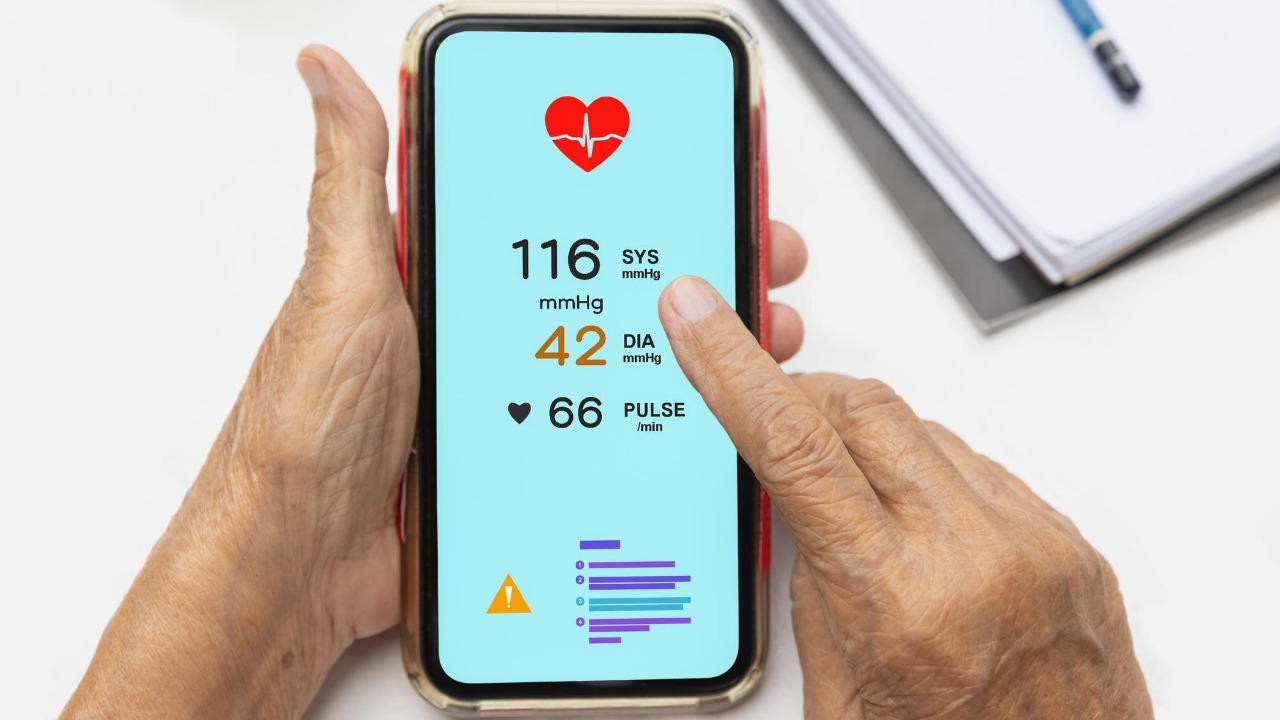
The types of health vitals that can be monitored by these implants are vast. They can track body temperature, heart rate, glucose levels, and other vital signs. The real-time tracking and data collection capabilities of these chips offer continuous health monitoring, which can be crucial in managing chronic diseases or monitoring post-surgery recovery.
There have been numerous case studies demonstrating the effectiveness of microchip implants in health monitoring. For instance, the use of microchip implants in prisons has shown how such technology can monitor inmate health in real-time and alert medical staff to any abnormalities.
Benefits and Advantages
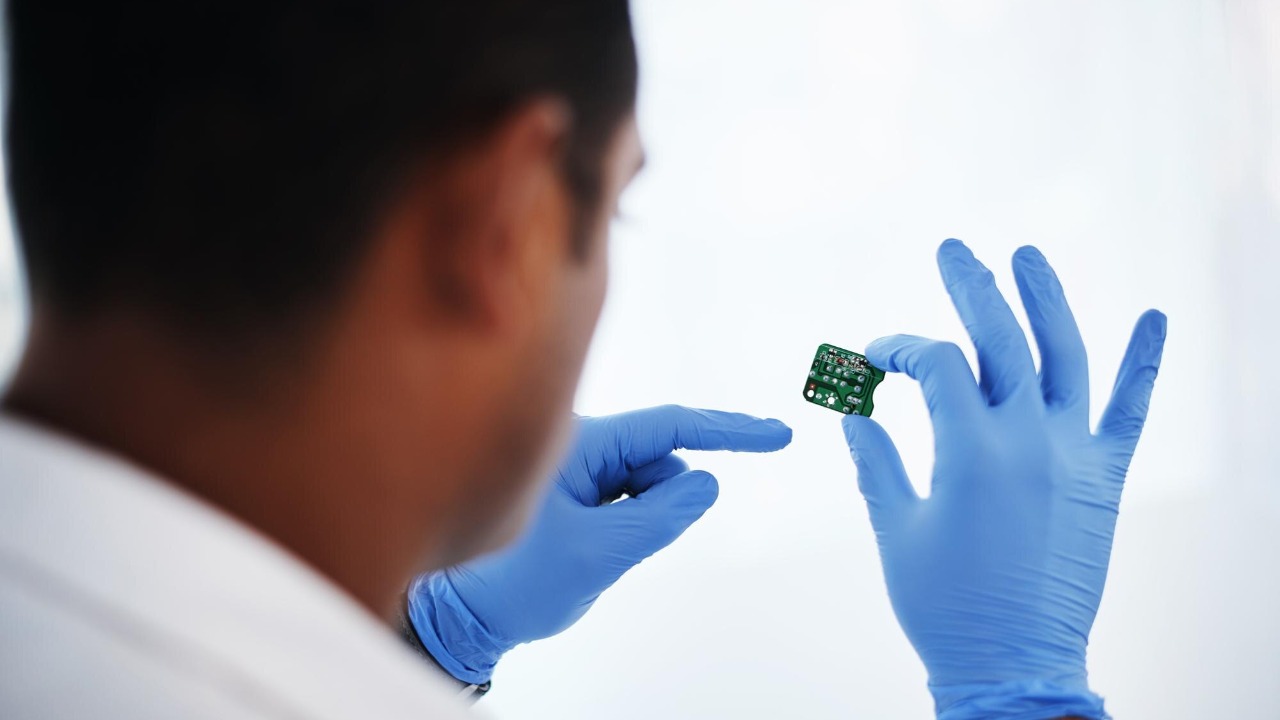
Microchip implants hold the potential to revolutionize healthcare and treatment methods. With the ability to monitor health vitals in real-time, healthcare professionals can gain immediate access to a patient’s health data, enabling quick response in emergencies and more effective treatment planning. Personal health management also becomes more proactive and accurate with these implants, as individuals can have a more precise understanding of their health status.
Moreover, the technology can aid in the early detection and prevention of diseases. By continuously monitoring health vitals, these implants can detect abnormalities that may signal the onset of a disease, thus allowing for early intervention and treatment.
Potential Challenges and Limitations

While the technology offers immense benefits, it also presents several challenges and limitations. Technical challenges in the development and implementation of these implants include ensuring the device’s longevity, developing reliable wireless data transmission methods, and ensuring the implant’s biocompatibility with the human body. Furthermore, the current state of the technology has limitations in terms of the range of vitals it can monitor and the precision of collected data.
Another major concern is data security and privacy. With health data being continuously collected and transmitted, there are valid concerns over how this sensitive information is protected from unauthorized access. These issues need to be addressed to ensure the technology’s wider acceptance and use.
Ethical Considerations and Future Prospects

The use of microchip implants raises several ethical issues and debates. Questions about informed consent, privacy, and the potential for misuse of the collected data are some of the major concerns. The potential impact of the technology on society has been explored in depth in The Atlantic. The article discusses the potential for such technology to be used for surveillance and the implications for personal privacy.
Despite these challenges, the future of microchip implants looks promising. Continuous advancements in technology will likely lead to improvements in the functionality, accuracy, and security of these implants. The potential impact of these developments on healthcare is vast, promising a future where proactive health management and early disease detection become the norm rather than the exception.
