In an electrifying feat of nature, a megaflash has shattered previous records for the longest single lightning strike. Stretching an astounding 515 miles and crossing three states, this megaflash has captured the attention of meteorologists and weather enthusiasts alike, sparking discussions on the evolving dynamics of extreme weather phenomena.
The Record-Breaking Megaflash
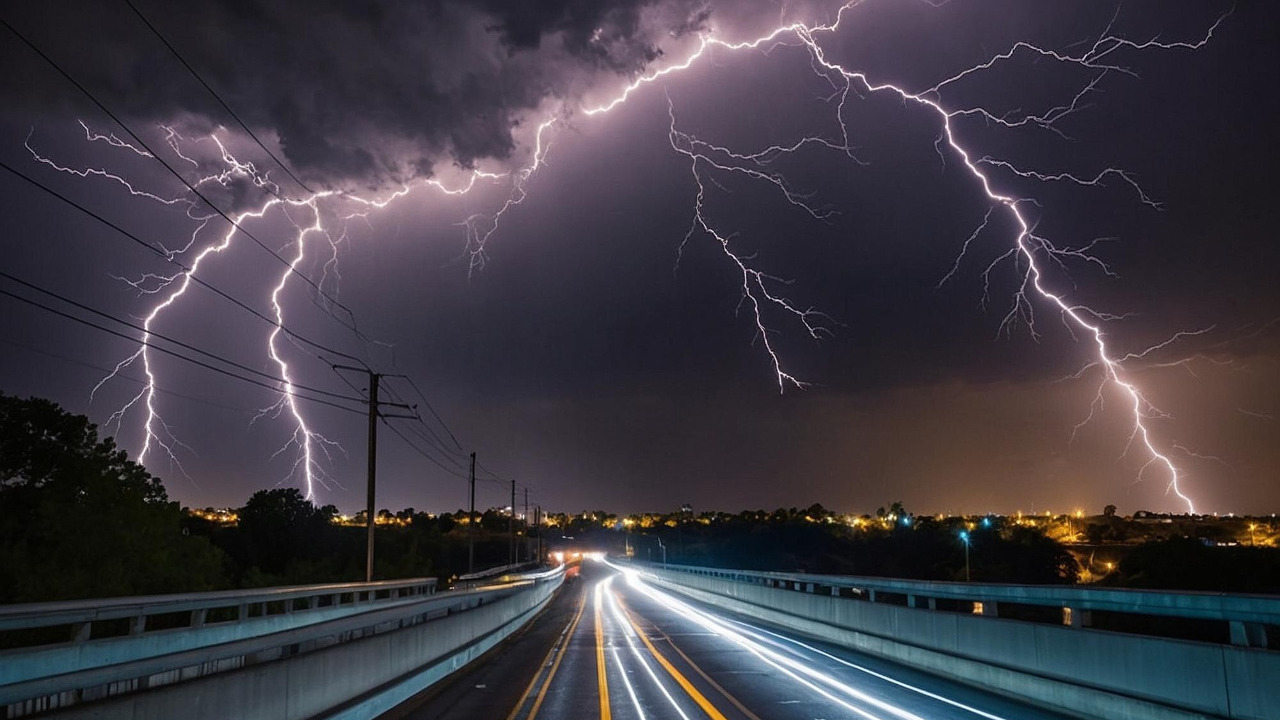
The recent megaflash stretched over 515 miles, traversing Texas, Louisiana, and Mississippi, setting a new benchmark for lightning phenomena. This extraordinary event surpassed the previous record, which was set by a 440-mile flash across parts of Argentina and Brazil in 2018. The new record was authenticated using advanced satellite technology, which has revolutionized the way we observe and measure lightning events. These satellites provide high-resolution data that capture the intricate paths of lightning, allowing scientists to confirm the unprecedented length of this megaflash.
To accurately capture such phenomena, meteorologists rely on tools like the Geostationary Lightning Mapper (GLM) onboard the GOES-16 and GOES-17 satellites. These instruments provide continuous coverage, tracking lightning activity across vast areas with remarkable precision. The GLM detects the optical emissions produced by lightning, enabling researchers to track flashes in real-time and providing critical data for weather forecasting and storm analysis. By leveraging this state-of-the-art technology, scientists confirmed the record-breaking scale of this megaflash.
The Science Behind Megaflashes
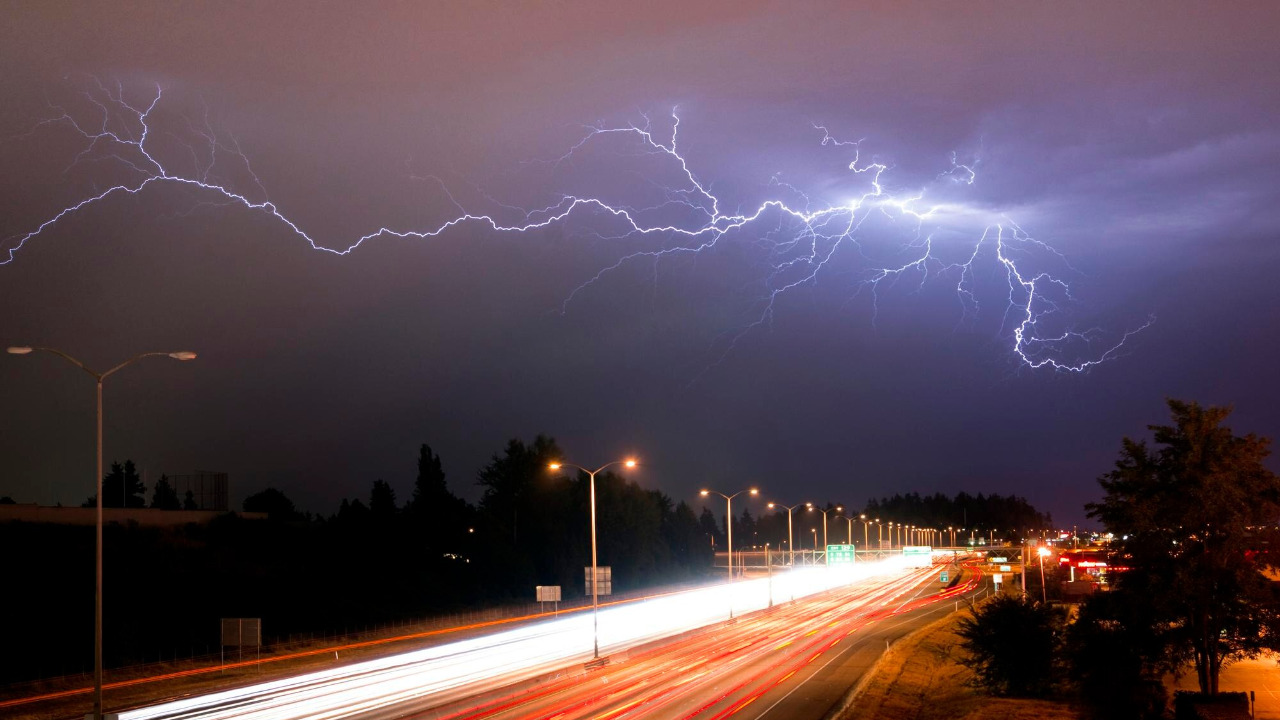
The formation of megaflashes is a complex process influenced by a myriad of meteorological conditions. These lightning events typically occur within massive thunderstorm complexes known as mesoscale convective systems. Such systems produce vast amounts of energy, allowing lightning bolts to stretch over long distances. The conditions necessary for megaflashes include strong updrafts, abundant moisture, and large areas of electrically charged clouds, all of which contribute to the immense power and reach of these lightning strikes.
Thunderstorms play a pivotal role in facilitating megaflashes. The dynamics within these storms, such as the interaction between updrafts and downdrafts, contribute to the build-up of electrical charges within the cloud. When these charges become sufficiently separated, a discharge occurs, resulting in a lightning bolt. Recent advances in lightning detection technology, such as the aforementioned GLM and ground-based Lightning Mapping Arrays (LMAs), have enhanced our ability to observe and understand these phenomena. These tools allow scientists to track lightning paths with unprecedented detail, offering new insights into the behavior and formation of megaflashes.
Implications for Weather Science
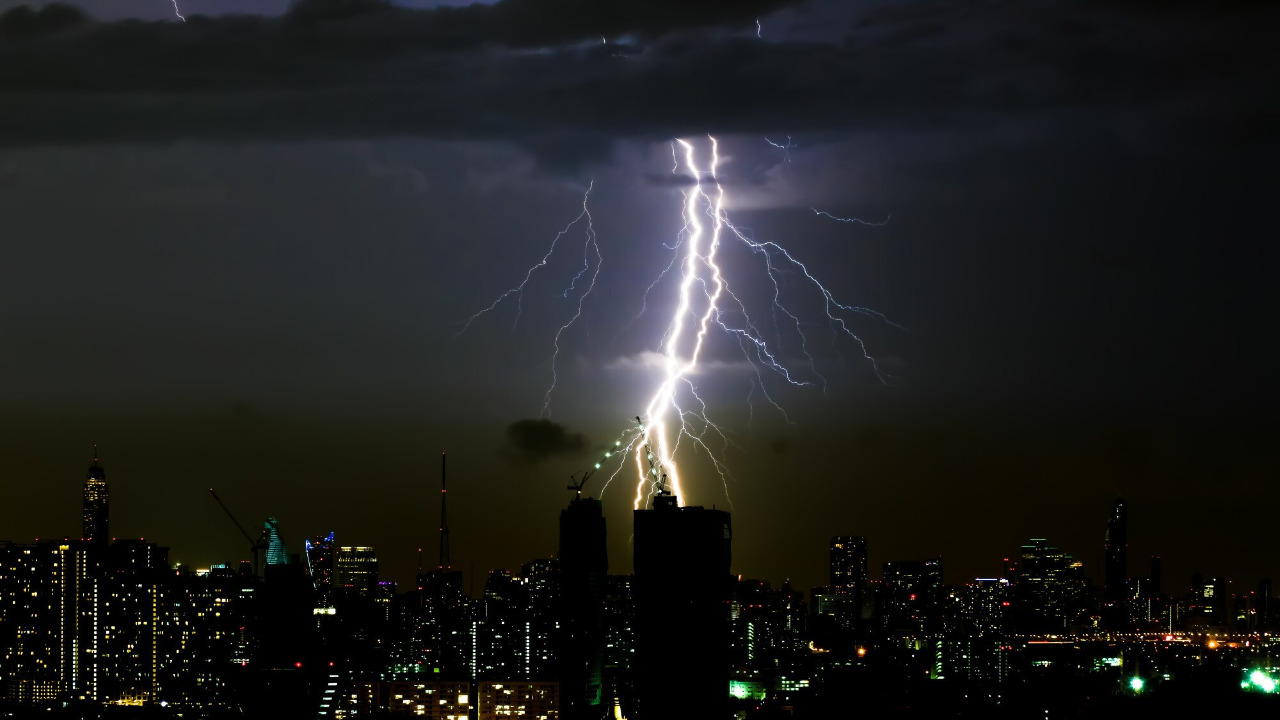
This record-breaking megaflash offers new insights into atmospheric science, challenging existing paradigms about lightning phenomena. The sheer scale of the event suggests that our understanding of lightning dynamics may be incomplete, prompting researchers to delve deeper into the atmospheric conditions that give rise to such extreme events. By studying this megaflash, scientists hope to refine models of lightning behavior, which could improve weather prediction and enhance our understanding of storm systems.
The potential link between climate change and increased lightning activity is also a significant area of interest. Some studies suggest that as global temperatures rise, the frequency of lightning strikes may increase due to the heightened instability in the atmosphere. This megaflash provides a case study to explore these connections, prompting questions about how future climate scenarios might influence lightning patterns. Researchers are keen to investigate whether the conditions that led to this event may become more common as the climate continues to change.
Future research will likely focus on addressing these questions, with scientists aiming to quantify the relationship between climate change and lightning activity. By improving our understanding of these dynamics, we can better anticipate the impacts of extreme weather events on society and the environment. Efforts to advance lightning detection and forecasting technology will be crucial in this endeavor, as they offer the tools needed to monitor changes in lightning behavior over time.
Safety and Preparedness
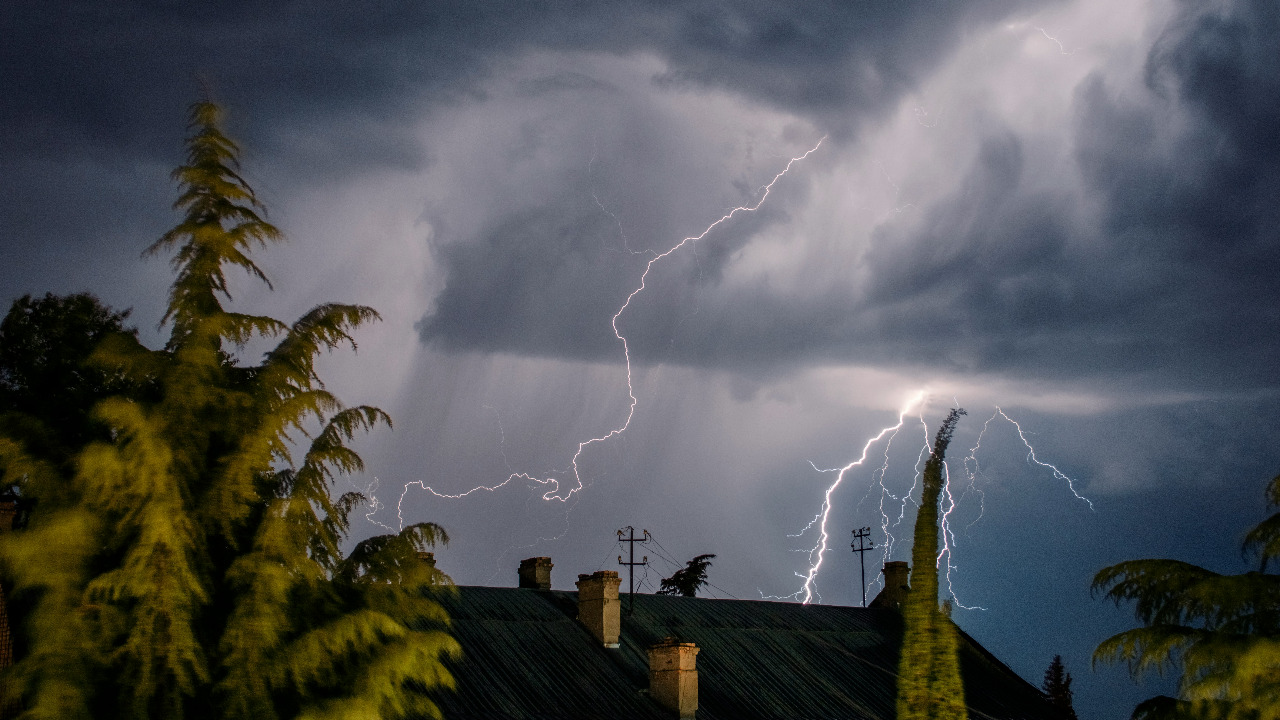
With the increasing frequency of extreme weather events, public safety during thunderstorms and lightning events becomes paramount. It’s essential to know how to stay safe when lightning is in the area. Key safety tips include seeking shelter indoors, avoiding tall objects, and staying away from water bodies. Understanding the dangers associated with lightning can help individuals make informed decisions and reduce the risk of injury or death during severe weather events.
The role of media and education in promoting lightning safety cannot be overstated. By raising awareness about the risks associated with lightning and disseminating safety information, media outlets can play a crucial role in protecting the public. Educational programs aimed at schools and communities can further enhance preparedness by teaching individuals how to respond effectively during thunderstorms.
Innovative systems for lightning detection and warning have made significant strides in recent years. For instance, the National Weather Service and other organizations have developed advanced lightning detection networks that provide real-time data and alerts. These systems enable timely notifications, allowing individuals and organizations to take appropriate action to protect life and property when severe weather looms.
Broader Impact and Public Reaction

This record-breaking megaflash has captured the public’s imagination, sparking fascination and curiosity about the power of nature. Media outlets have played a vital role in spreading awareness of this extraordinary event, bringing attention to the remarkable scale of the lightning strike. Articles and news segments have highlighted the significance of the megaflash, prompting discussions about the implications for weather science and public safety.
The widespread media coverage of the megaflash has provided an opportunity to educate the public about atmospheric science. By leveraging high-profile weather phenomena, educators can engage audiences and foster a deeper understanding of the natural world. This engagement is crucial for promoting scientific literacy and encouraging individuals to take an interest in the factors that influence our planet’s climate and weather.
As climate change continues to shape our environment, understanding and preparing for these phenomena will become increasingly important. By highlighting the science behind these events and promoting safety measures, we can better equip ourselves to navigate the challenges posed by our changing climate.
