Over the past decade, the Mayan calendar has been subjected to close examination and intense debate. Could an ancient calendar system predict solar flares? This fascinating theory will be delved into, using historical data and scientific findings as a basis.
The Mayan Calendar: An Overview
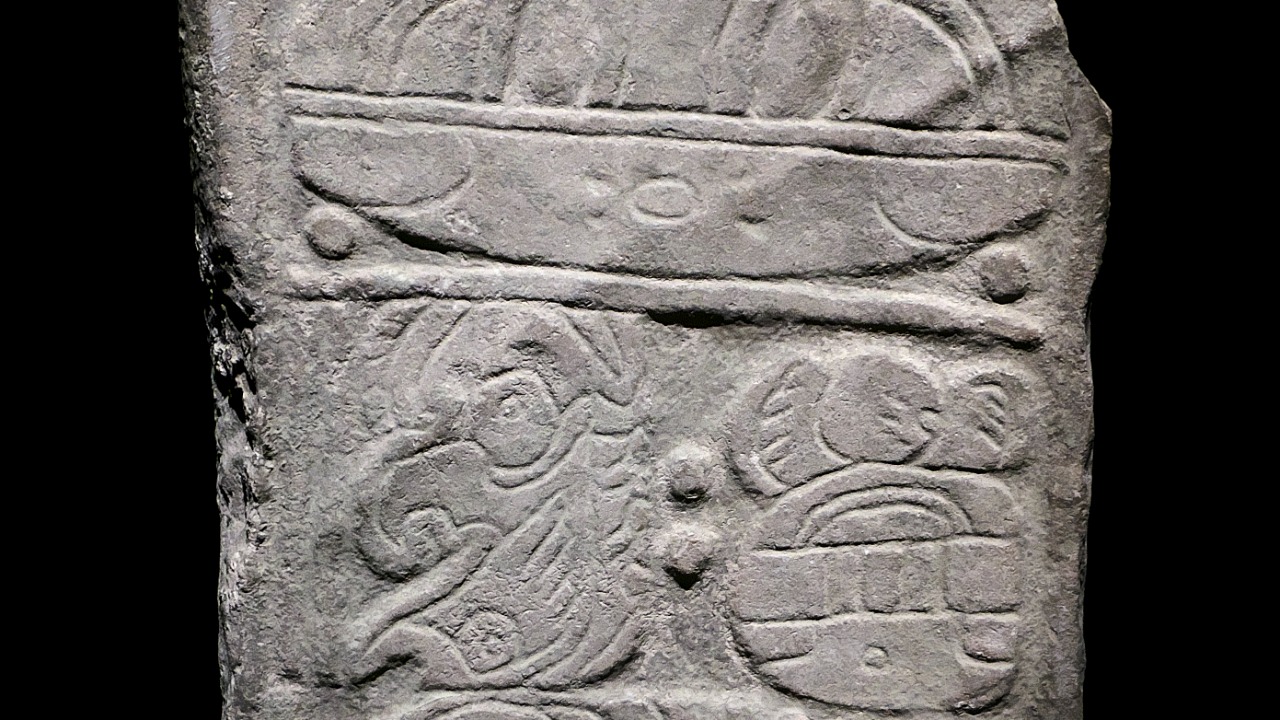
The Mayan calendar, developed by the highly sophisticated Mayan civilization, is a complex system that merges both lunar and solar years into an integrated whole. It played a central role in Mayan culture, with its intricate cycles dictating agricultural practices, religious rituals, and social activities.
One of the most controversial aspects of the Mayan calendar is the so-called 2012 phenomenon, which ignited a global conversation about the end of the world. The controversy arose from misinterpretations of the calendar’s “Long Count” cycle, which completed a full rotation in December 2012, leading some to believe it signaled an impending apocalypse.
Solar Observations in the Mayan Culture
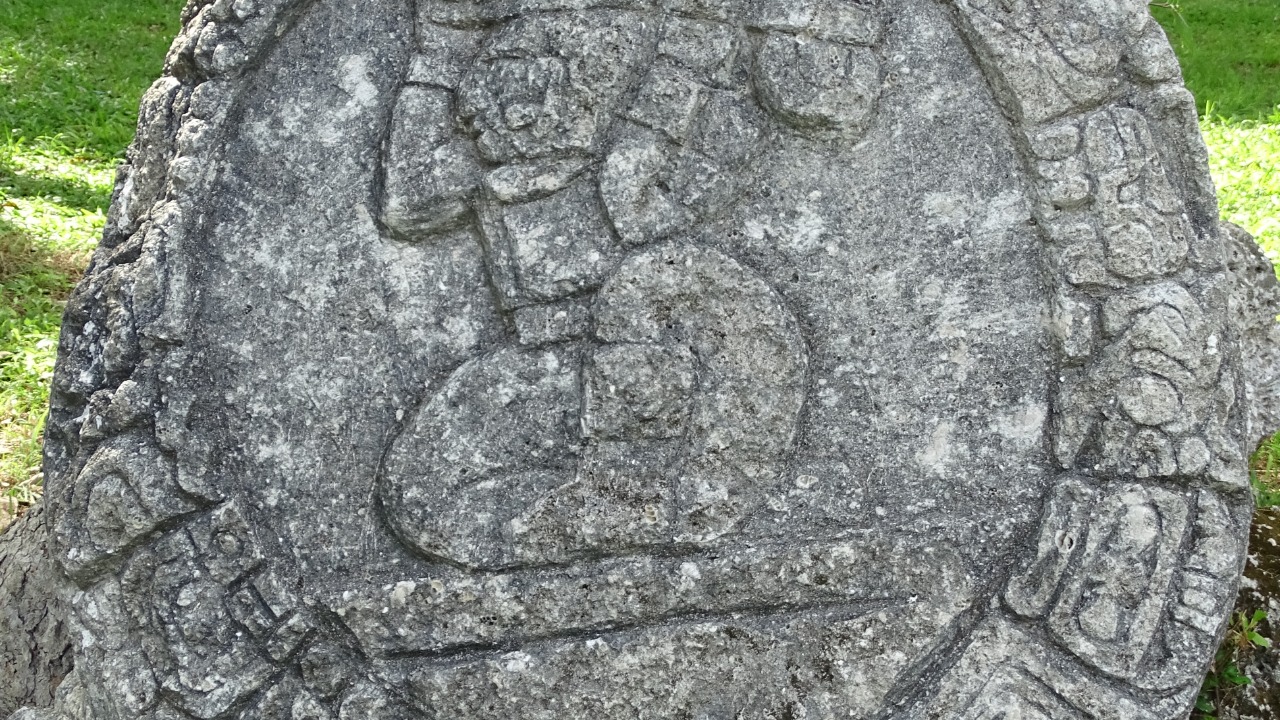
The Mayans’ astute solar observations played a significant role in shaping the Preclassic Mayan calendar. According to a Cambridge study, the Mayans carefully tracked solar cycles, developing a profound understanding of solar behavior that influenced their timekeeping systems.
This deep understanding of the solar cycles was integral to the Mayans’ perception of cosmic cycles. The Mayans believed in a cyclical universe where events repeated themselves, a concept deeply ingrained in their calendar and cosmology.
The Mayan Calendar and Solar Flares
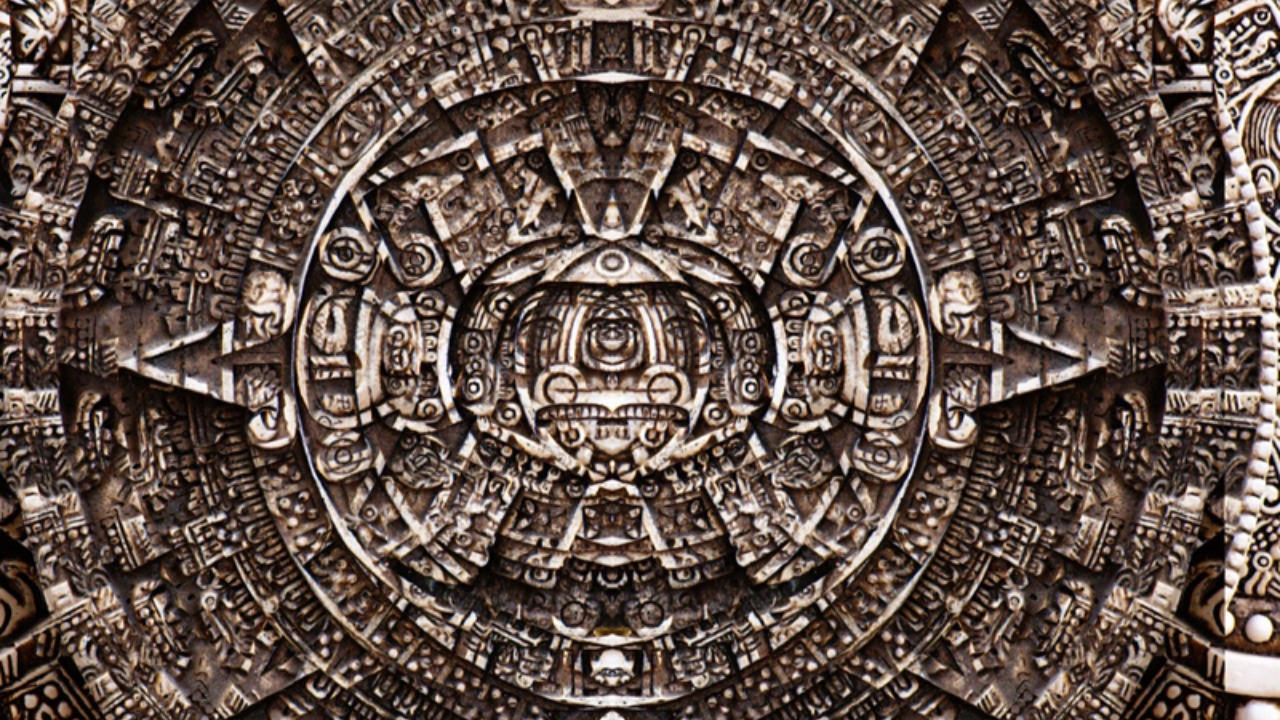
The theory that the Mayan calendar could predict solar flares stems from the civilization’s meticulous tracking of solar behavior. Proponents argue that the Mayans’ understanding of solar cycles might have allowed them to forecast solar activity, including the occurrence of solar flares.
Historical evidence provides some support for this theory. Certain alignments and events within the Mayan calendar correspond with periods of increased solar activity. However, the scientific community remains divided on the feasibility of accurately predicting solar flares, with some experts cautioning against drawing definitive conclusions from these correlations.
The 2012 Phenomenon: Fear and Misinterpretation
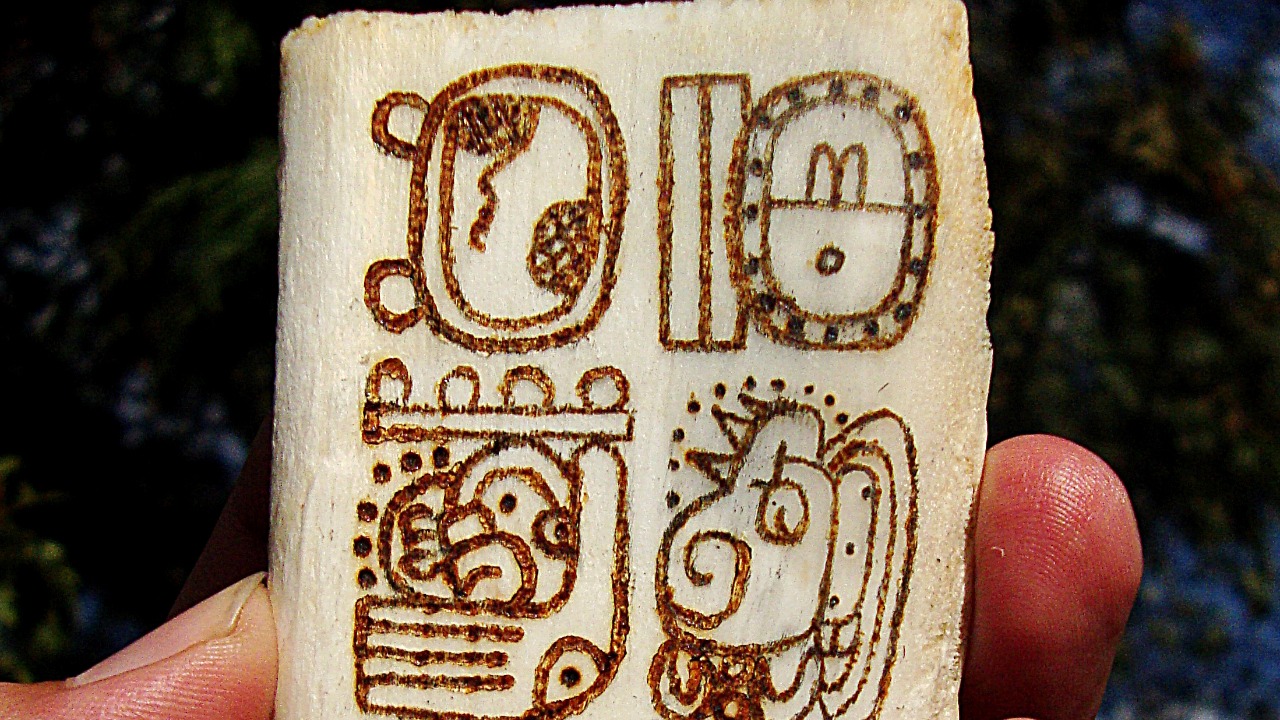
The 2012 phenomenon caused widespread fear and panic, with people around the world bracing themselves for an apocalyptic event. However, experts have since debunked the notion that the Mayan calendar foretold the end of the world. They argue that the conclusion of the “Long Count” cycle in 2012 simply marked the beginning of a new cycle, not a global calamity.
This misunderstanding of the Mayan calendar also led to unfounded beliefs in an impending solar flare catastrophe. As The Sun Today explains, while solar flares can cause minor disruptions to satellite communications, they do not pose a significant threat to life on Earth.
The Influence of the Mayan Calendar Today

Despite the passage of centuries, the Mayan calendar continues to exert a strong cultural influence. It has become an object of fascination due to its complexity and the mysteries surrounding its meanings and interpretations.
Moreover, the Mayan calendar plays a role in modern science and astronomy. Scientists study it to gain insights into the Mayans’ advanced understanding of astronomy and timekeeping. Its alleged predictions of solar flares have also sparked interest in the study of solar activity and the potential impact on Earth.
The theory that the Mayan calendar can predict solar flares has influenced contemporary views on Earth’s vulnerability to solar events. It serves as a reminder of the importance of studying and understanding solar activity, thereby contributing to our preparation for potential solar events in the future.
