Scientists have discovered a massive lava dome beneath Yellowstone National Park, raising both intrigue and concerns about the geological activity of the area. This discovery provides new insights into the dynamics of the Yellowstone Caldera, one of the world’s most studied supervolcanoes. The findings could have significant implications for understanding volcanic behavior and assessing potential risks.
The Discovery of the Lava Dome
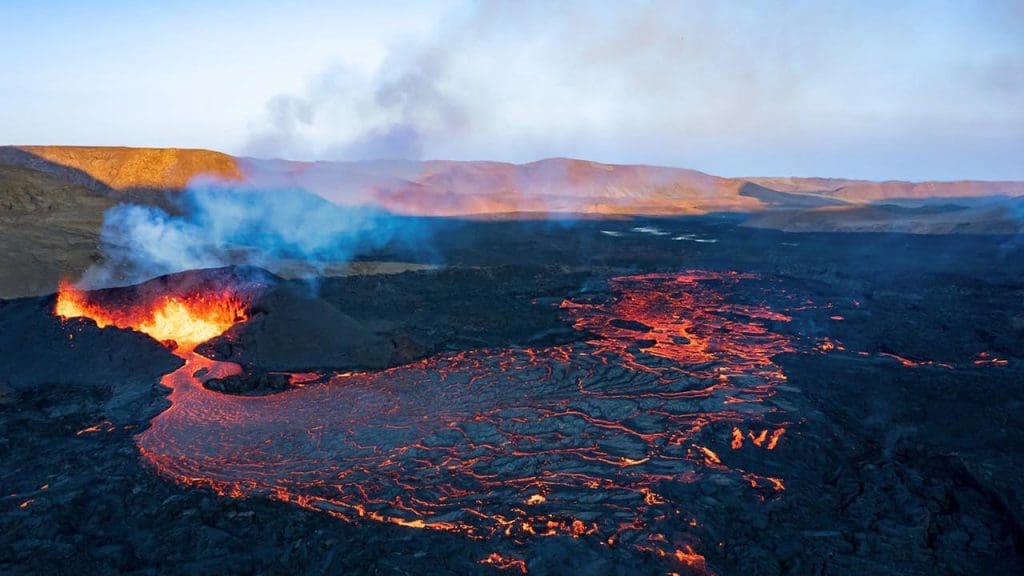
The recent identification of a substantial lava dome beneath Yellowstone was made possible through advanced techniques such as seismic imaging and analysis of satellite data. These methods allowed scientists to visualize the subterranean structures and confirm the presence of this massive geological feature. The project was a collaborative effort, bringing together geologists and volcanologists from multiple institutions, combining expertise and resources to enhance the understanding of the caldera’s subsurface.
The newly discovered lava dome is notable for its impressive size and unique composition. Located within the Yellowstone Caldera, the dome’s dimensions are comparable to some of the largest known lava domes globally. Its composition suggests a complex interaction between different types of magma, indicating dynamic geological processes beneath the park. When compared to other volcanic features, this dome stands out for its potential to influence volcanic activity, both in the short and long term.
Implications for Yellowstone’s Volcanic Activity
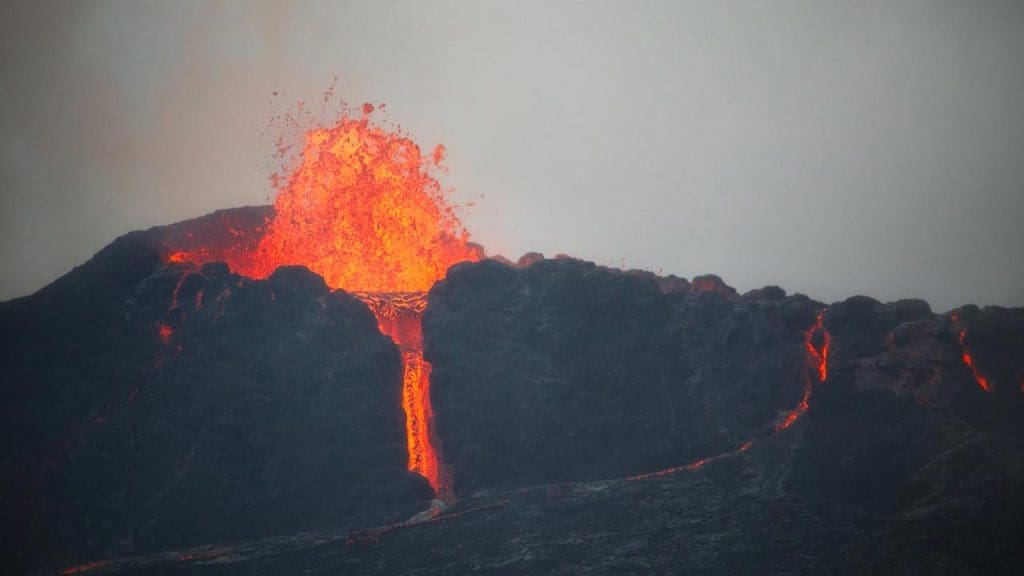
The presence of the lava dome has significant implications for magma movement within the caldera. Its influence on magma flow and pressure dynamics could potentially alter the patterns of volcanic activity in the region. Scientists are particularly interested in how the dome might affect the overall stability of the caldera, with possible scenarios ranging from increased geothermal activity to more substantial volcanic events.
Current efforts by the Yellowstone Volcano Observatory are focused on enhancing monitoring and data collection to assess these risks accurately. Real-time data is crucial for public safety, enabling timely alerts and preparation strategies. The observatory’s work is vital in ensuring that communities are well-prepared and informed about potential volcanic hazards.
The Broader Geological Context
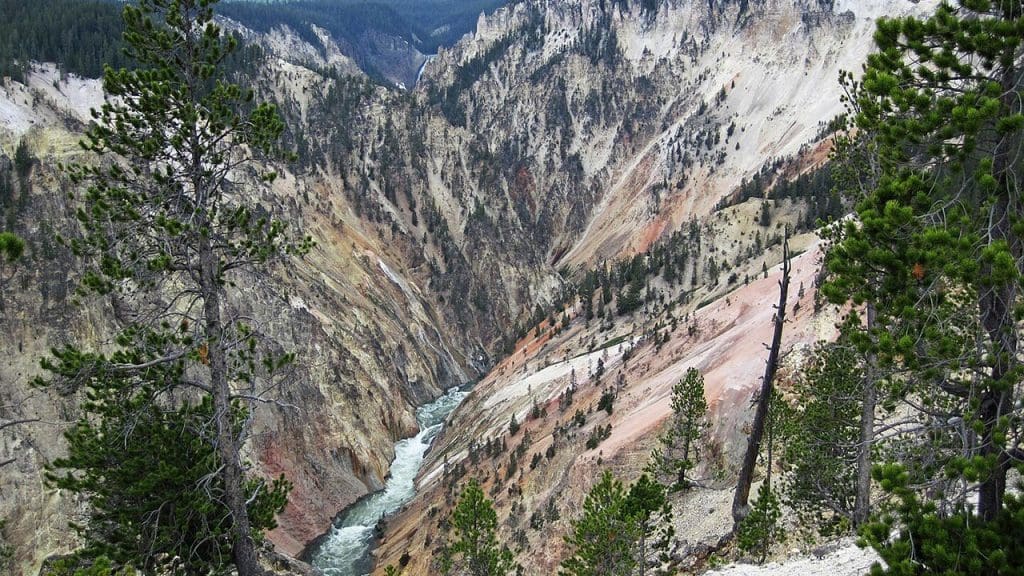
Yellowstone’s geological history provides a fascinating backdrop to the recent discovery. The caldera, formed through a series of cataclysmic eruptions, has long been a subject of scientific interest. Understanding its past eruptions and geological transformations is essential to contextualize current findings. Historical data, combined with recent discoveries, offers a comprehensive view of the caldera’s evolving nature.
Globally, the discovery of the lava dome beneath Yellowstone contributes to the broader understanding of supervolcanoes and their potential impacts. Such findings are crucial in studying how supervolcanoes might influence climate and ecosystems on a global scale. International collaboration plays a pivotal role in advancing this research, with scientists from around the world pooling expertise and resources to unlock the mysteries of these powerful geological phenomena.
