
A recent study suggests that crews for Mars missions should include a diverse mix of personality types rather than relying solely on dominant “alpha” personalities. This approach, detailed in research published in 2023, emphasizes balancing leadership traits with complementary interpersonal skills to mitigate conflicts in high-stress environments like deep-space travel. The findings challenge traditional astronaut selection criteria focused on high-achievers and suggest broader psychological profiling for future missions. Source.
The Role of Personality in Long-Duration Space Missions
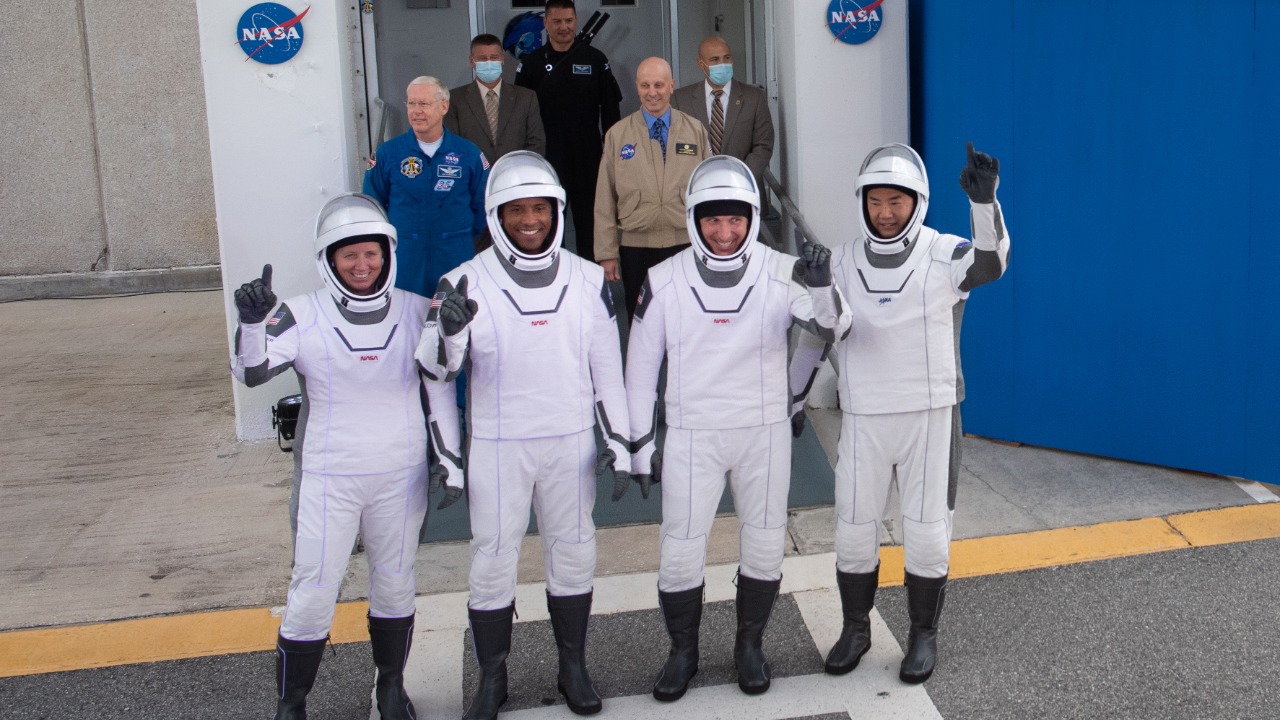
Personality traits play a crucial role in crew cohesion during long-duration space missions. Evidence from analog simulations such as HI-SEAS and NEEMO, which replicate Mars conditions, reveals that tensions often arise from teams composed of uniform dominant personalities. These simulations highlight the importance of diverse personality types in maintaining harmony and efficiency. The concept of “alpha” types, characterized by assertiveness and decisiveness, is valuable in crisis situations. However, psychological assessments indicate that these traits can be limiting in collaborative settings, where a mix of personalities can enhance team dynamics.
Introverted or agreeable traits are essential for supporting emotional regulation and group harmony during missions that can last two to three years. These traits help balance the assertiveness of alpha personalities, fostering an environment where all team members can contribute effectively. The study underscores the need for a variety of interpersonal skills to ensure the psychological well-being of crew members in the confined and isolated conditions of space travel.
Drawbacks of All-Alpha Crew Compositions
Case studies from past missions, such as the 2018-2019 HI-SEAS simulation, demonstrate the drawbacks of homogeneous high-alpha teams. These teams experienced increased interpersonal conflicts and reduced productivity under stress. The psychological risks associated with all-alpha crews include decision-making bottlenecks and burnout. Data shows that alpha-dominant groups had a 30% higher conflict rate in isolated environments, underscoring the need for a balanced mix of personalities.
Over-reliance on alpha personalities can exacerbate issues in confined Mars habitats. Experts emphasize the importance of varied conflict-resolution styles to address the unique challenges of long-duration space missions. By incorporating a range of personality types, mission planners can mitigate the risks associated with high-stress environments and enhance overall team performance.
Evidence Supporting Mixed Personality Crews
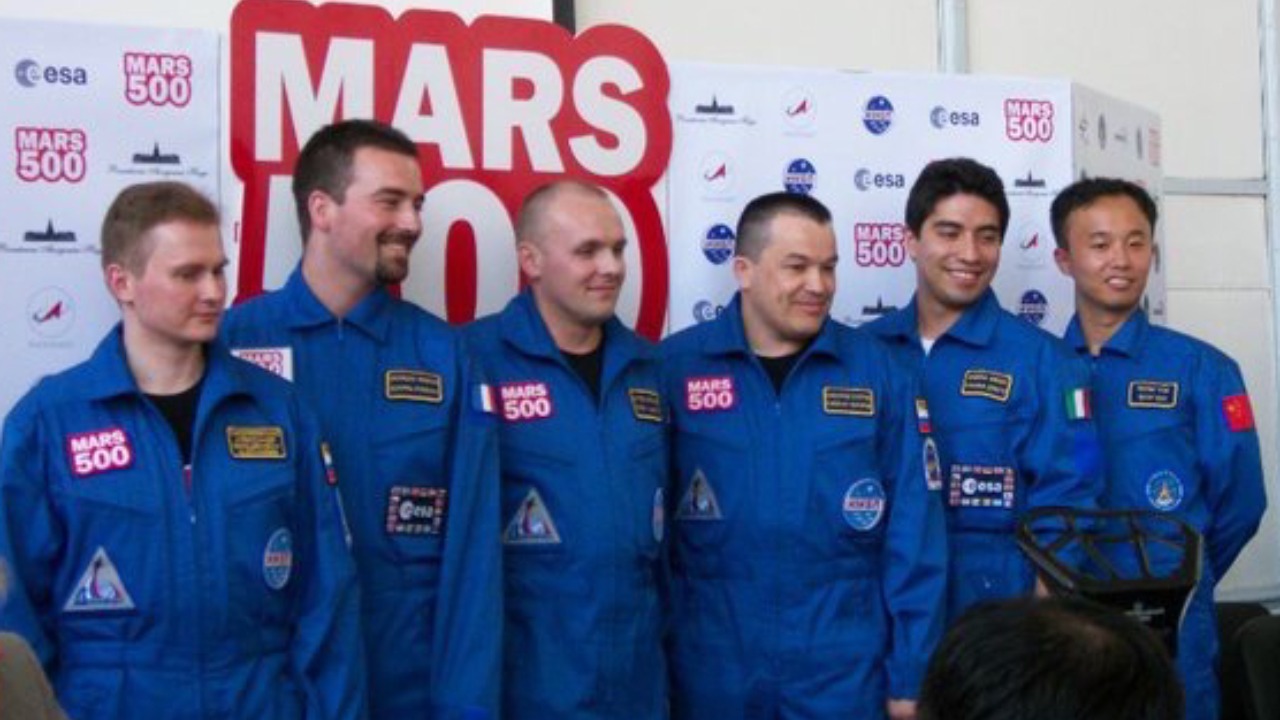
The 2023 study by Sigrid S. Schmidt and colleagues provides compelling evidence for mixed personality crews. Analyzing personality inventories from over 100 space professionals, the study advocates for a 40-60% blend of alpha and non-alpha types for optimal performance. This approach is supported by examples from successful diverse teams in Antarctic expeditions and submarine missions, where mixing extroverted leaders with empathetic supporters led to 25% better task completion rates.
Validated tools like the Big Five personality model were used in the research to identify complementary traits, such as conscientiousness paired with openness. These findings highlight the importance of psychological diversity in enhancing team dynamics and achieving mission objectives. By leveraging a mix of personality types, space agencies can improve the resilience and adaptability of crews during extended missions.
Implications for Mars Mission Planning
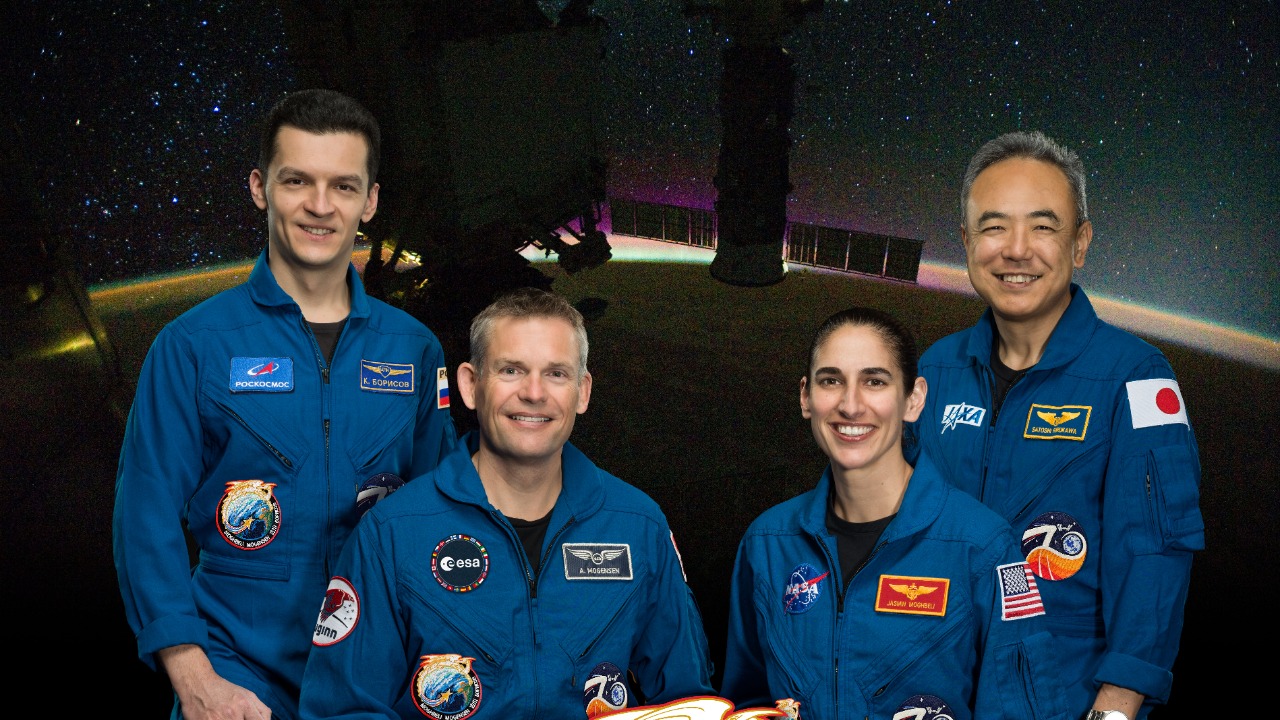
The study’s recommendations have significant implications for NASA and ESA selection processes. Integrating personality diversity into training protocols, starting with the Artemis program, could enhance the effectiveness of future Mars missions. However, challenges such as cultural biases in astronaut recruitment must be addressed. Solutions like AI-assisted profiling can help ensure balanced crews for the 2030s Mars timeline.
The broader applications of these findings extend to commercial space ventures like SpaceX’s Starship crews. Diverse personalities could enhance innovation and resilience, providing a competitive edge in the rapidly evolving space industry. By embracing a mix of personality types, space agencies and companies can foster a collaborative environment that supports the success of long-duration missions.
