NASA’s Perseverance rover has made a groundbreaking discovery by identifying organic molecules in a Martian rock formation, potentially marking the strongest evidence of life on Mars to date. This revelation, announced in recent findings, suggests that Mars may hold signs of life, a prospect that has intrigued scientists for decades. Meanwhile, the Curiosity rover has also been active, spotting a peculiar rock resembling “chocolate cake” and detecting life signs in a “leopard rock,” further fueling the excitement surrounding Mars exploration.
The Perseverance Rover’s Key Detection
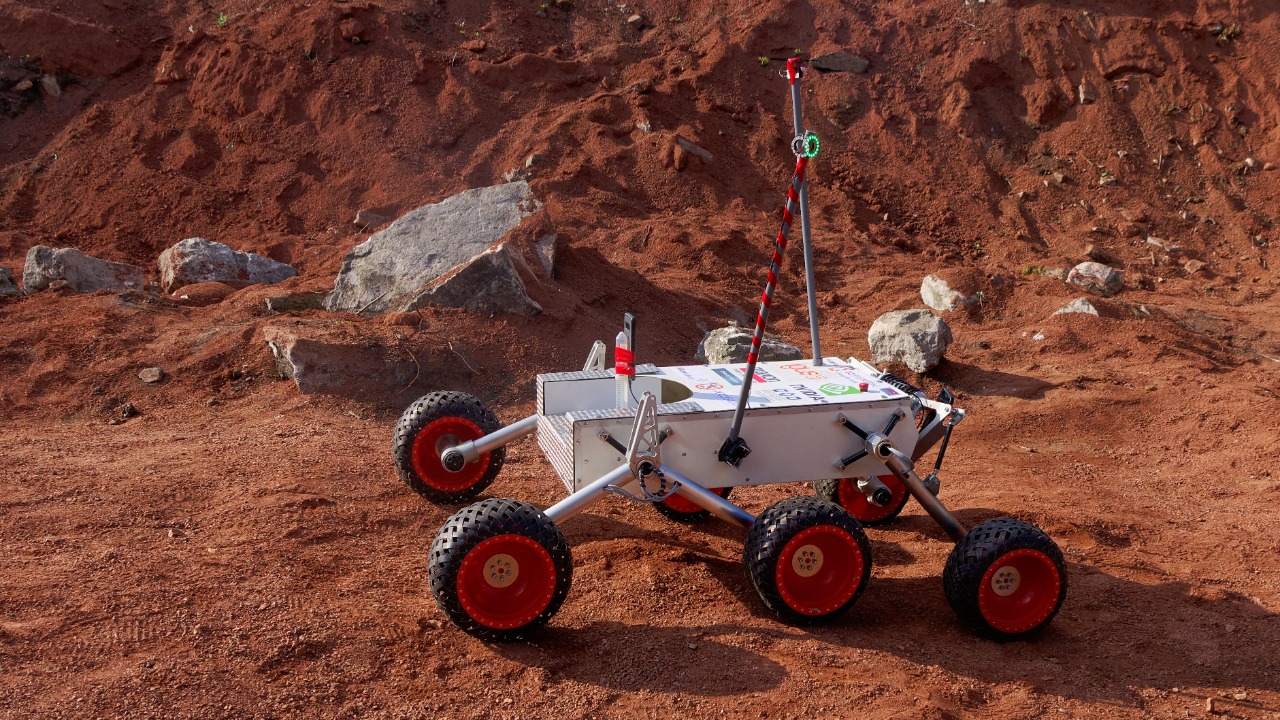
The Perseverance rover’s recent discovery of organic molecules in a Martian rock formation has been described as potentially Mars’ first sign of life. This stunning find, highlighted by SciTechDaily, underscores the rover’s critical role in the ongoing search for extraterrestrial life. The announcement, made on September 10, 2025, positions this discovery as the strongest evidence yet of life on Mars, according to a report by Vice.
NASA confirmed that a potential biosignature was discovered last year, adding another layer to the significance of Perseverance’s findings. This confirmation, reported by NASA, highlights the rover’s ongoing contributions to our understanding of Mars and its potential to harbor life. The detection of these organic molecules not only supports previous findings but also sets the stage for future explorations and studies.
In addition to detecting organic molecules, the Perseverance rover has been equipped with a suite of scientific instruments designed to analyze the Martian surface and atmosphere. These tools allow scientists to conduct detailed studies of the planet’s geology and climate, providing a comprehensive picture of its environmental conditions. The rover’s ability to drill into rocks and collect samples is crucial for identifying potential biosignatures, which are chemical indicators of past or present life. As these samples are analyzed, they may reveal complex organic compounds that could suggest biological processes once occurred on Mars.
Moreover, the Perseverance rover’s mission is part of a broader strategy to prepare for future human exploration of Mars. By understanding the planet’s habitability, scientists can better assess the risks and challenges of sending humans to Mars. This mission also lays the groundwork for the Mars Sample Return program, which aims to bring Martian samples back to Earth for more detailed analysis. Such efforts are essential for confirming the presence of life and understanding the planet’s potential to support human colonization.
Curiosity Rover’s Unusual Rock Sighting
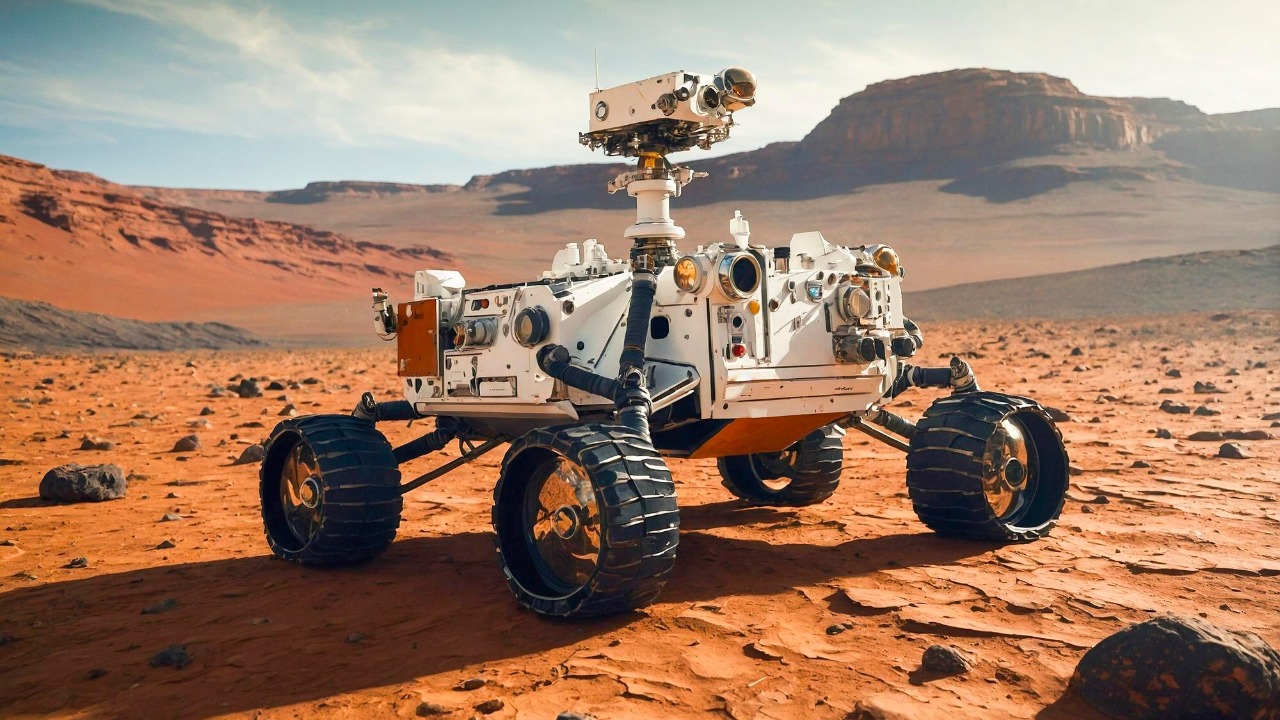
In a separate yet intriguing development, NASA’s Curiosity rover has spotted a strange Martian rock that bears a striking resemblance to “chocolate cake.” This unusual sighting, observed on April 28, 2025, was reported by The Independent. While the rock’s appearance is captivating, its significance lies in its potential to provide insights into the broader search for organic molecules on Mars.
The discovery of such peculiar formations adds depth to our understanding of the Martian landscape and its geological history. These findings, while visually intriguing, also serve as a reminder of the diverse and complex processes that have shaped Mars over millions of years. As scientists continue to analyze these formations, they may uncover new clues about the planet’s past and its capacity to support life.
The Curiosity rover’s discovery of the “chocolate cake” rock is not just a visual curiosity but also a scientific opportunity. The rock’s unique appearance may be due to specific mineral compositions or erosion processes that have yet to be fully understood. By studying such formations, scientists can gain insights into the environmental conditions that shaped them, including the presence of water or volcanic activity in Mars’ past. These findings contribute to a broader understanding of the planet’s geological history and the processes that have influenced its surface over time.
Furthermore, the Curiosity rover’s ongoing mission continues to provide valuable data about Mars’ climate and atmosphere. By analyzing the chemical composition of rocks and soil, the rover helps scientists piece together the planet’s climatic history, including periods when it may have been warmer and wetter. This information is crucial for understanding how Mars evolved into the cold, arid world we see today and for assessing its potential to support life in the past or future.
Signs of Life in the Leopard Rock
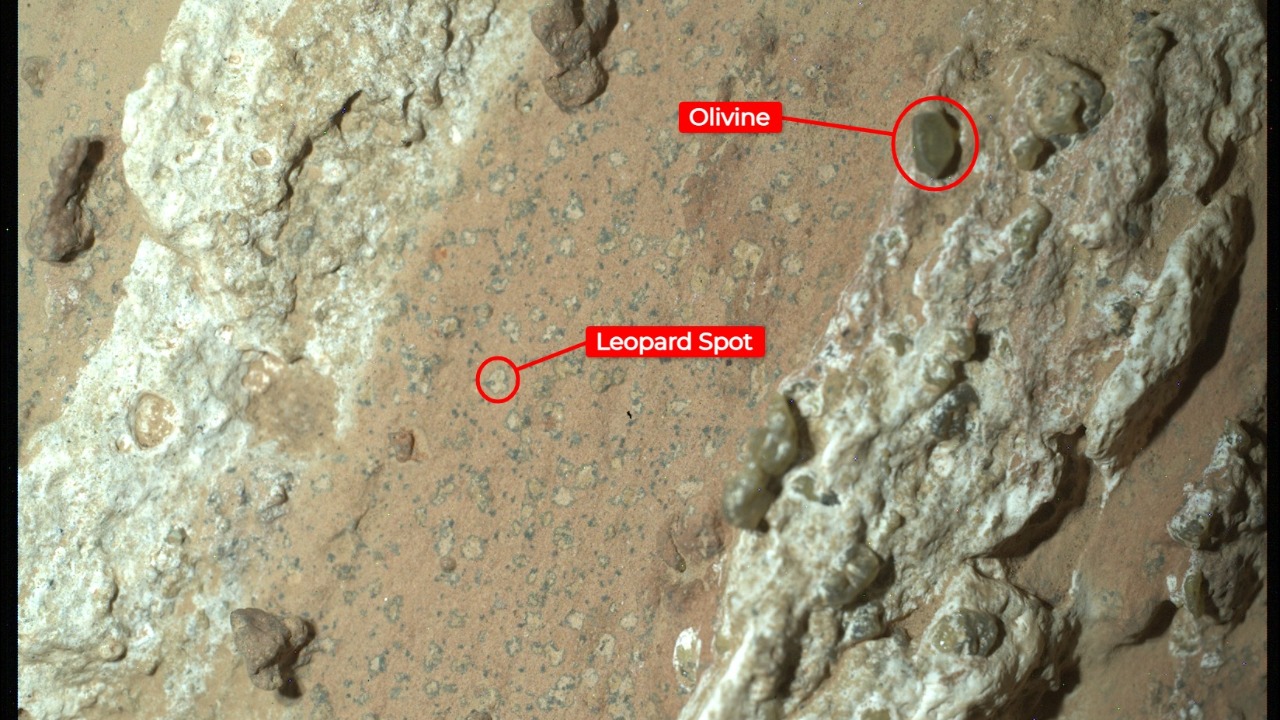
Adding to the excitement of recent discoveries, NASA has identified stunning signs of life in a formation known as “leopard rock.” This finding, reported on September 10, 2025, by Rolling Out, further bolsters the case for the presence of life on Mars. The detection of life signs in such formations highlights the potential for organic molecules to exist in various Martian environments.
The implications of these findings are profound, as they suggest that Mars may have once harbored conditions suitable for life. By studying these formations, scientists can gain a better understanding of the planet’s history and its potential to support life in the future. The discovery of life signs in “leopard rock” serves as a testament to the ongoing efforts of NASA’s rover missions and their ability to uncover the mysteries of the Red Planet.
The discovery of life signs in “leopard rock” is particularly intriguing because it suggests that life-supporting conditions may have existed in diverse Martian environments. This finding raises questions about the planet’s ability to sustain life in various ecological niches, potentially similar to extremophiles on Earth that thrive in harsh conditions. By studying these formations, scientists can explore the possibility of life existing in subsurface habitats or other protected areas on Mars.
Additionally, the identification of organic molecules in “leopard rock” may provide clues about the chemical processes that occurred on early Mars. Understanding these processes is vital for reconstructing the planet’s history and assessing its habitability. The presence of such molecules could indicate that Mars had a more complex chemical environment than previously thought, with implications for the planet’s potential to support life. These discoveries underscore the importance of continued exploration and study of Mars’ diverse geological features.
Broader Implications for Martian Exploration
The discovery of organic molecules by the Perseverance rover on September 10, 2025, may represent Mars’ first sign of life, as detailed by SciTechDaily. This finding has significant implications for the future of Martian exploration, as it suggests that the planet may have once been home to life or could potentially support life in the future.
NASA’s confirmation of a potential biosignature from the previous year, announced on September 10, 2025, underscores the importance of ongoing rover missions in unraveling the mysteries of Mars. As reported by NASA, these missions continue to provide valuable insights into the planet’s geological and biological history. The recent report by Vice emphasizes this discovery as the strongest evidence of life yet, highlighting the potential for future breakthroughs in our understanding of Mars.
As scientists and researchers continue to analyze these findings, the potential for new discoveries remains high. The ongoing exploration of Mars, driven by the efforts of rovers like Perseverance and Curiosity, promises to deepen our understanding of the planet and its capacity to support life. These discoveries not only enhance our knowledge of Mars but also inspire future missions and the quest for answers to one of humanity’s most profound questions: Are we alone in the universe?
