The European Space Agency’s Mars Express orbiter has captured stunning images of the interstellar comet 3I/ATLAS as it made a close pass by Mars. This event marks a rare encounter with an object originating from beyond our solar system. Discovered by the ATLAS survey, 3I/ATLAS zipped past Mars at a distance that allowed for detailed observations of its icy nucleus and glowing coma against the Martian backdrop. The flyby provided scientists with unprecedented views, highlighting the comet’s hyperbolic trajectory, which confirms its extrasolar origin. Source.
Mars Express Captures the Flyby
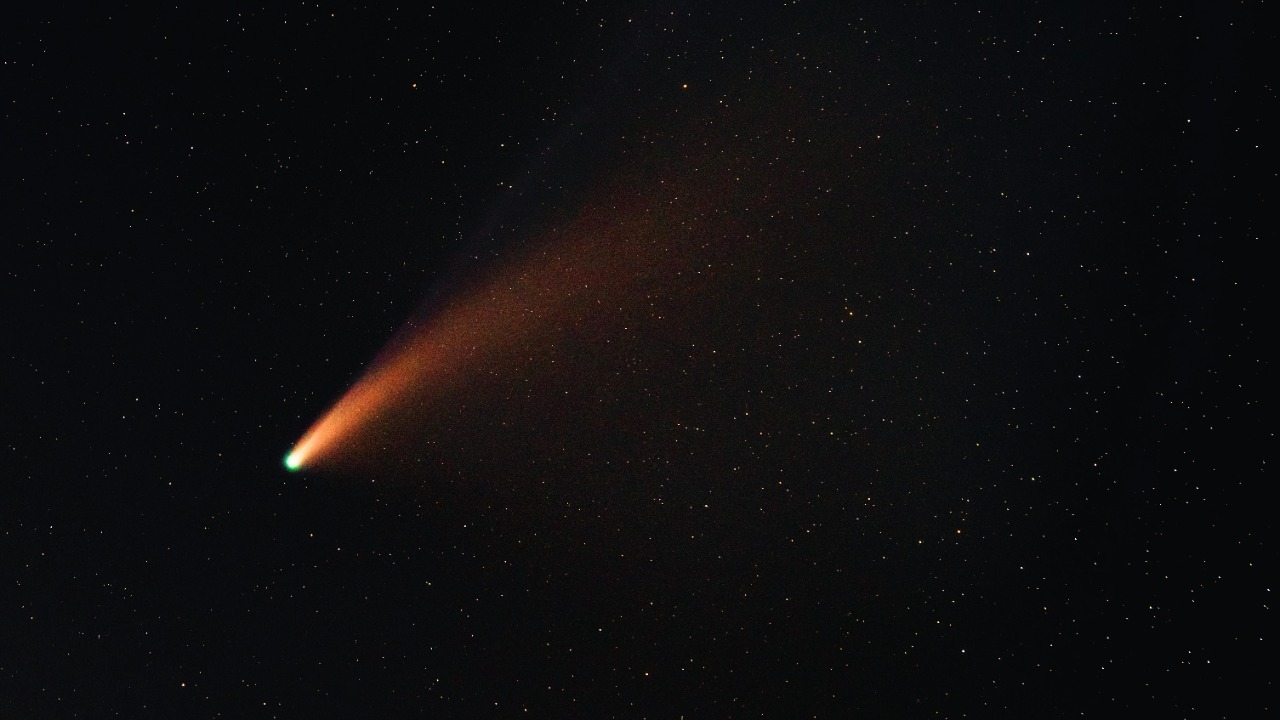
The Mars Express orbiter’s imaging sequence provided high-resolution photos of 3I/ATLAS, showcasing its bright tail and its position relative to Martian craters during the closest approach. The images were captured using the orbiter’s Visual Monitoring Camera (VMC), which allowed scientists to observe the comet’s apparent magnitude and how it appeared against the planet’s limb. This detailed imaging was possible due to the comet’s proximity to Mars during its perihelion distance from the Sun, enhancing its visibility from Mars orbit. Source.
The timing of the observations was crucial, as the flyby occurred when 3I/ATLAS was at its closest point to the Sun, making it particularly bright and visible. This allowed the Mars Express to capture detailed images that not only highlight the comet’s structure but also provide insights into its composition. The images revealed the comet’s bright tail and its interaction with the Martian atmosphere, offering a unique perspective on this interstellar visitor. Source.
Characteristics of Interstellar Comet 3I/ATLAS
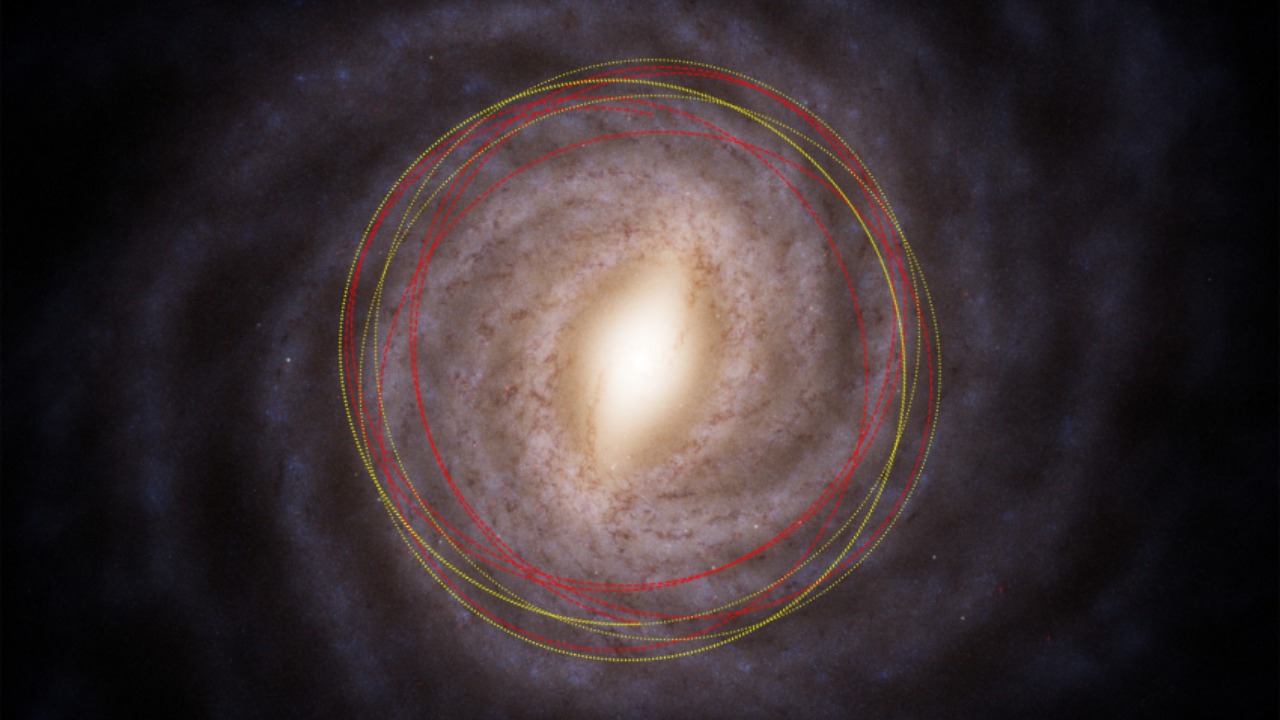
3I/ATLAS was discovered by the ATLAS telescope network in 2019 and is identified as the third interstellar object after 1I/’Oumuamua and 2I/Borisov. Its velocity, which exceeds the solar system’s escape speed, confirms its interstellar origin. The comet’s nucleus is estimated to be about 1 kilometer in size, and its composition is rich in volatiles, as inferred from spectral data collected during the Mars flyby. These characteristics provide valuable information about the materials present in other star systems. Source.
The hyperbolic orbit of 3I/ATLAS, with an eccentricity greater than 1, further confirms its origin from another star system. This trajectory suggests that the comet was ejected from its original stellar nursery, providing astronomers with a rare opportunity to study material from beyond our solar system. The insights gained from studying 3I/ATLAS could help scientists understand the processes that occur in other star systems and how they compare to those in our own. Source.
Scientific Insights from the Encounter
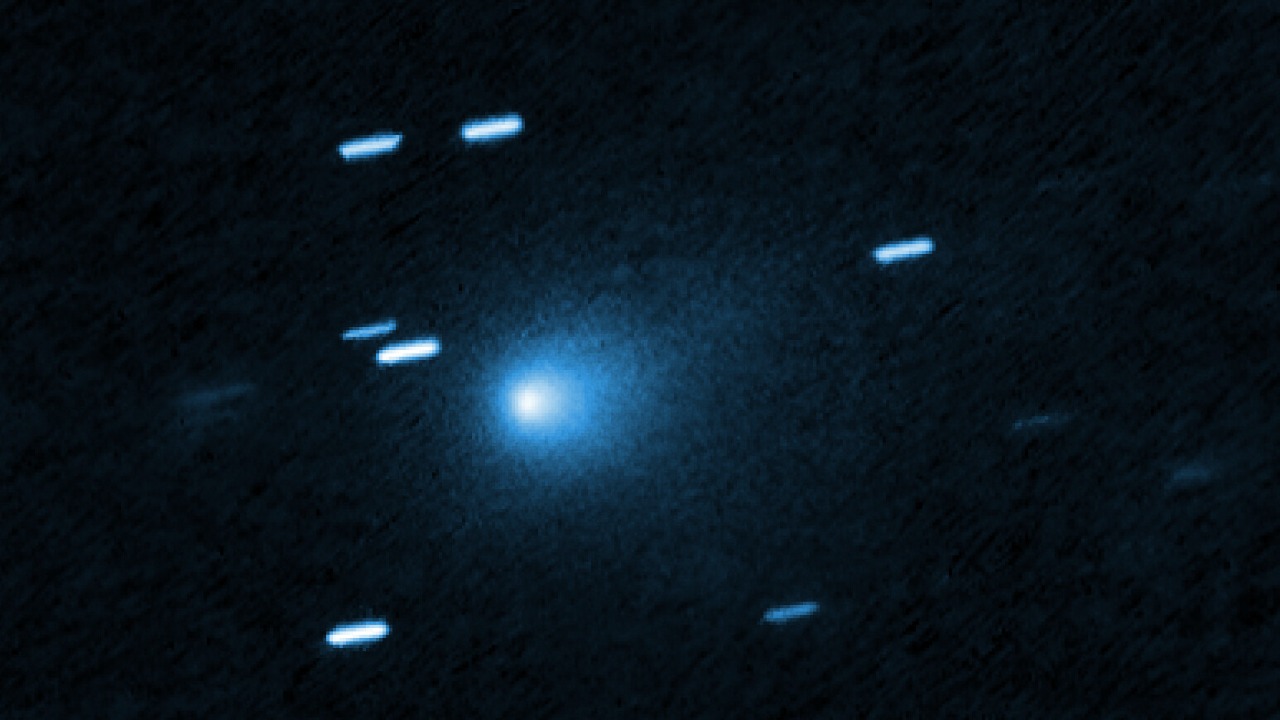
The Mars Express images of 3I/ATLAS reveal dust and gas emissions from the comet, providing clues about interstellar chemistry and how it differs from solar system comets. These observations are crucial for understanding the composition and behavior of interstellar objects. Collaborative efforts with other missions, such as ESA’s ExoMars Trace Gas Orbiter, could further enhance our understanding of these interactions by studying atmospheric changes during the comet’s pass. Source.
European orbiters play a vital role in tracking transient events like this flyby, paralleling their monitoring of over 1,000 Martian dust devils to understand planetary weather. These efforts highlight the importance of continuous observation and data collection in advancing our knowledge of both interstellar and planetary phenomena. The data collected from 3I/ATLAS’s flyby will contribute to a broader understanding of cometary behavior and the dynamics of interstellar objects. Source.
Broader Implications for Astronomy
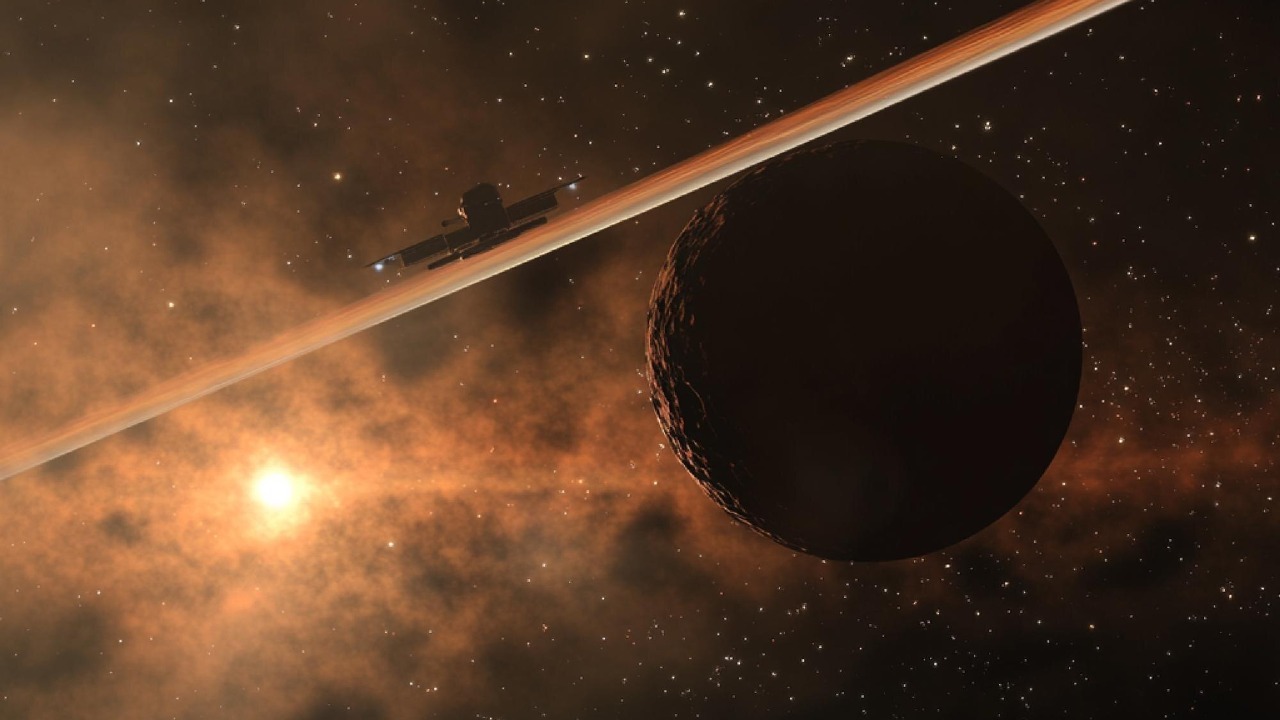
The passage of 3I/ATLAS expands our knowledge of interstellar objects, with its trajectory suggesting ejection from a distant stellar nursery. This event provides astronomers with a unique opportunity to study an object from another star system, offering insights into the processes that occur beyond our solar system. Future observation opportunities, including ground-based telescopes tracking the comet post-flyby, will continue to provide valuable data as 3I/ATLAS heads out of the solar system. Source.
The European Space Agency’s contributions to comet studies via Mars missions are significant, linking to ongoing atmospheric research like dust devil mapping. These efforts underscore the importance of international collaboration in space exploration and the study of interstellar phenomena. By continuing to monitor and study these objects, scientists can gain a deeper understanding of the universe and the diverse processes that shape it. Source.
