Recent studies have unveiled compelling evidence that Mars was once enveloped by a vast ancient ocean, potentially featuring sandy beaches akin to those on Earth. This ocean is estimated to have covered a significant portion of Mars’ surface, with data from orbiting spacecraft and rovers analyzing the planet’s northern lowlands. The findings from 2022 and rover data from 2025 further support the existence of oceans and sandy beaches, suggesting Mars may have had habitable coastal environments in its ancient past.
Geological Indicators of Ancient Water
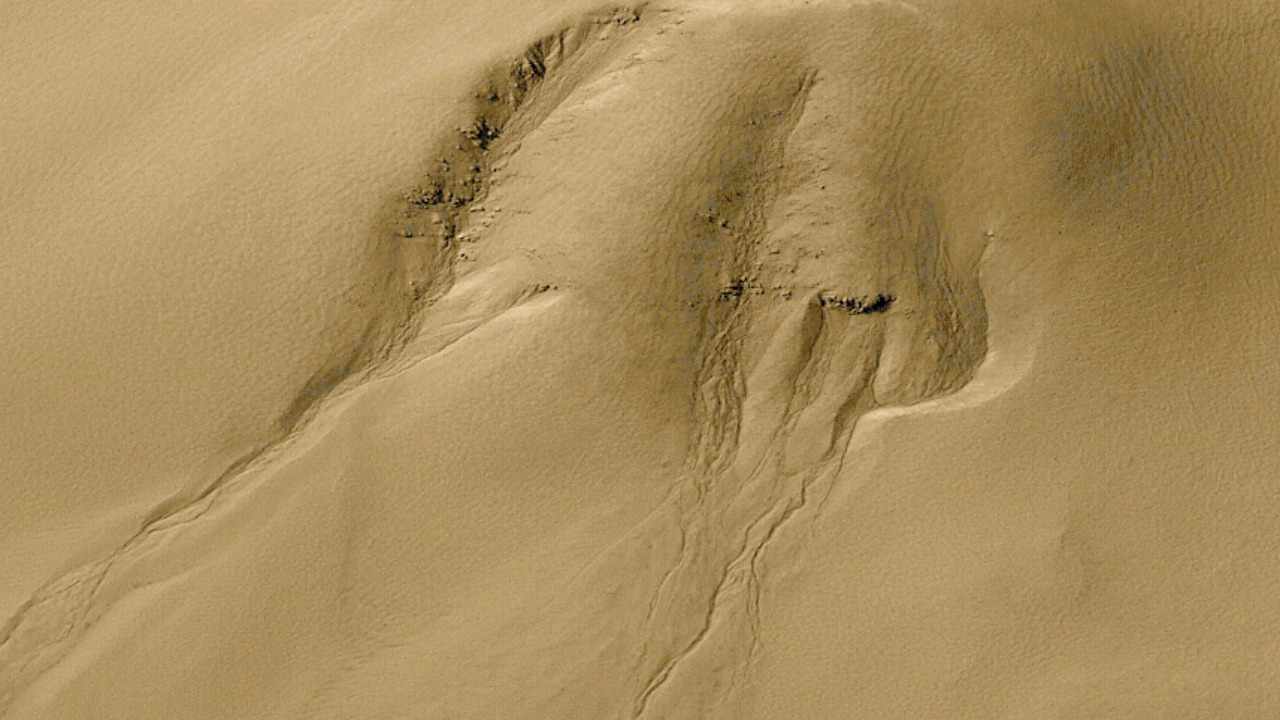
Layered sedimentary deposits in Mars’ northern hemisphere provide a strong indication of prolonged water coverage. These patterns mirror those seen on Earth from ancient ocean basins, suggesting a similar geological history (MSN). Additionally, the presence of delta formations and outflow channels suggest massive flooding events from a receding ocean, preserving evidence of a once-vast body of water (VOA News).
Further supporting the ocean hypothesis are mineral signatures like clays and sulfates found in crater beds. These minerals are typically formed only in watery environments, pointing to a stable ancient ocean on Mars (CBC Radio).
Moreover, the identification of hematite, a mineral that forms in water, in the Meridiani Planum region of Mars, further strengthens the case for an ancient ocean. Hematite is often found in hot springs and hydrothermal vents on Earth, suggesting that similar environments may have existed on Mars (MSN).
Additionally, the discovery of jarosite, a mineral that forms in acidic, water-rich environments, in the Martian soil by the Opportunity rover, provides further evidence of a watery past. The presence of jarosite suggests that the Martian ocean may have been acidic, providing a unique environment for potential life forms (CBC Radio).
Orbital Observations Revealing Ocean Remnants
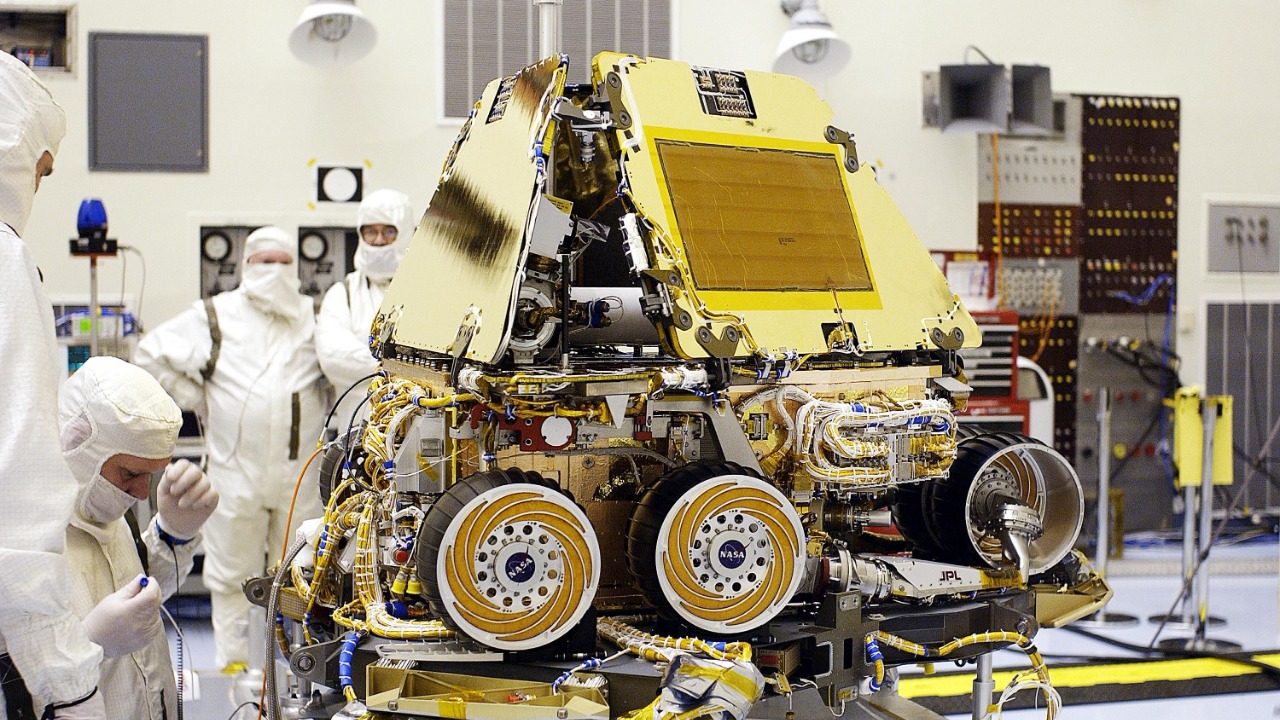
High-resolution images from missions like the Mars Reconnaissance Orbiter have revealed smooth plains in the Vastitas Borealis region, which are interpreted as dried ocean floor (MSN). Additionally, radar data penetrating the surface has detected subsurface ice layers, consistent with frozen remnants of a northern ocean that covered nearly a third of the planet (VOA News).
Spectroscopic analysis from orbit has identified hydrated minerals across low-lying terrains, further supporting the hypothesis of a vast, shallow ocean in Mars’ early history (CBC Radio).
Furthermore, the Mars Express orbiter has detected the presence of hydrated minerals in the northern plains of Mars. These minerals, which require water to form, suggest that the region was once covered by a vast ocean. The detection of these minerals provides additional evidence of Mars’ watery past (MSN).
Moreover, the Mars Global Surveyor has detected the presence of gullies and channels on the Martian surface. These features are typically formed by flowing water, suggesting that a vast ocean once existed on Mars (VOA News).
Rover Discoveries of Coastal Features
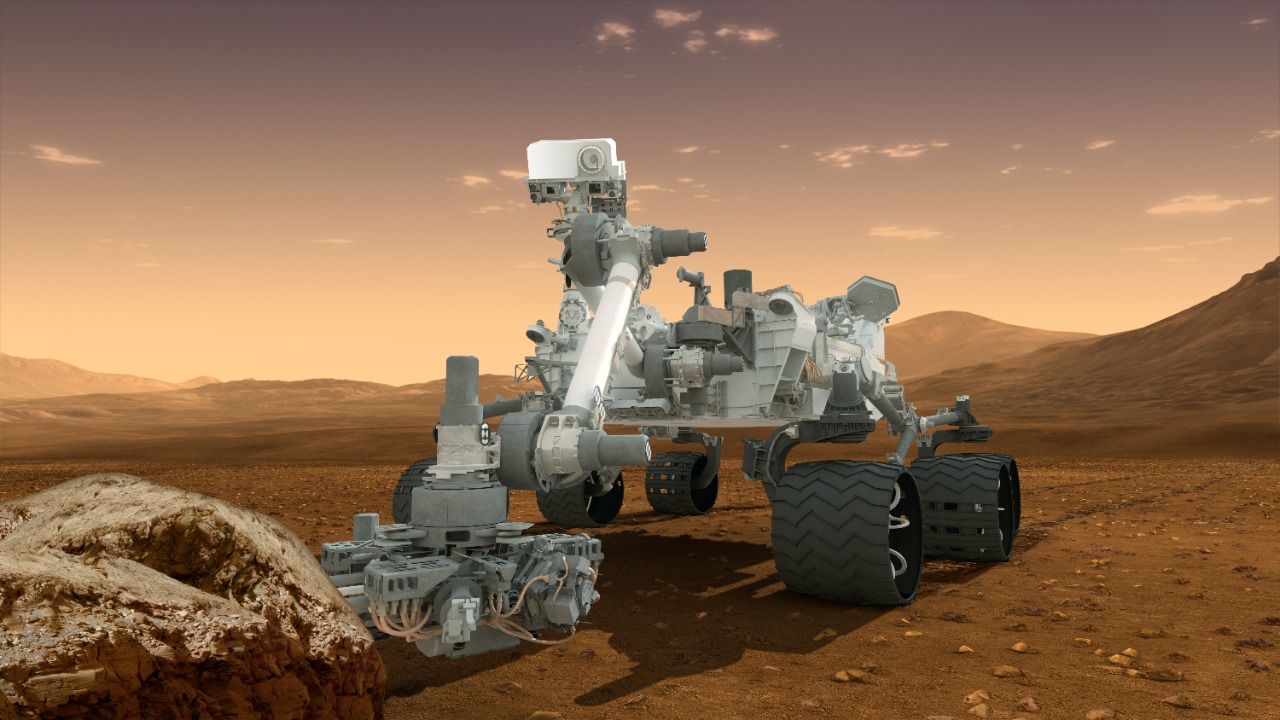
The Perseverance rover has found rounded pebbles and sand deposits in Jezero Crater, resembling materials transported by waves on ancient beaches (Popular Science). Meanwhile, data from the Curiosity rover in Gale Crater has revealed shoreline-like ridges and evaporite layers, indicating proximity to a large ocean with ‘vacation-style’ sandy beaches (Firstpost).
In-situ measurements of soil composition have shown silica-rich sands, akin to Earth’s beach formations, from rover traverses in potential coastal zones (Popular Science).
Additionally, the Spirit rover has detected the presence of opaline silica in the Gusev Crater. This mineral, which forms in water-rich environments, suggests that the region was once a coastal area. The detection of opaline silica provides further evidence of Mars’ watery past (Popular Science).
Moreover, the Curiosity rover has detected the presence of conglomerates, rocks composed of rounded pebbles cemented together. These rocks are typically formed in water, suggesting that a vast ocean once existed on Mars (Firstpost).
Climate Models Supporting Ocean Existence
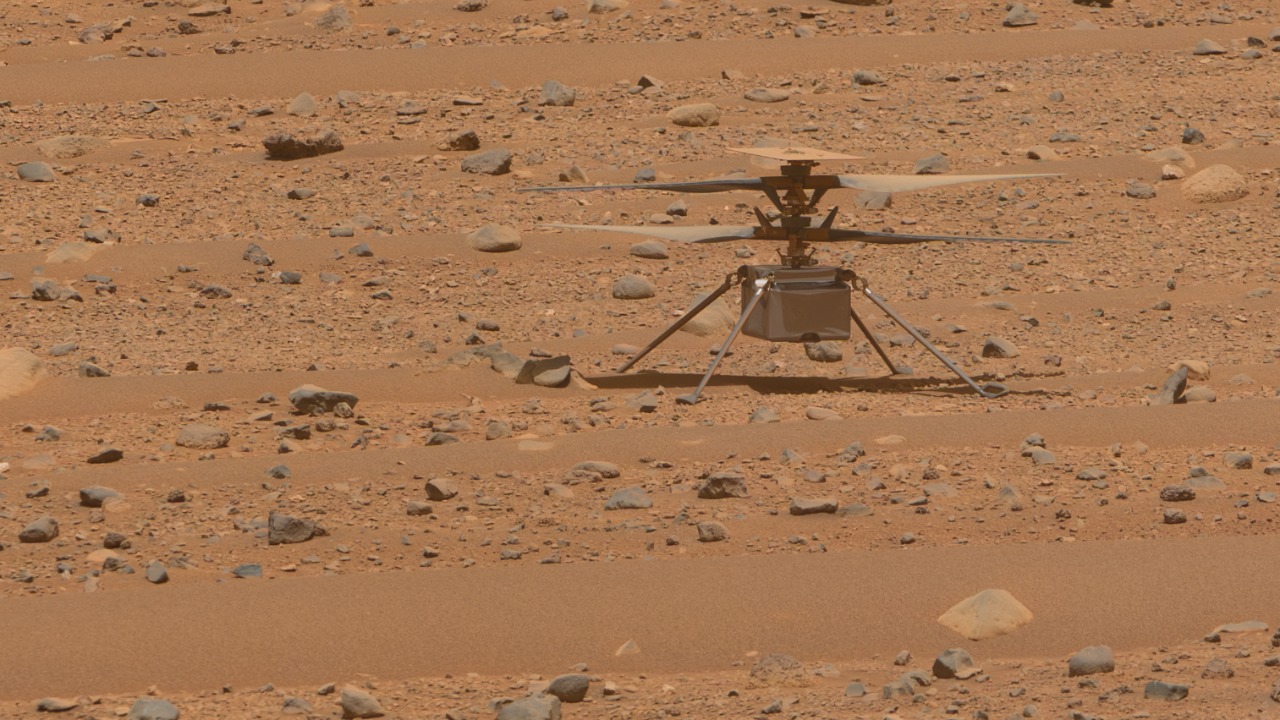
Atmospheric simulations from 2022 studies have reconstructed a warmer, wetter Mars with sufficient pressure to sustain a vast ocean for millions of years (CBC Radio). Hydrological models integrating orbital and rover data have estimated the ocean’s volume, covering up to 19 million square kilometers at its peak (VOA News).
There is also evidence of polar ice caps as relic ice from the ocean’s evaporation, with models predicting gradual freezing as Mars cooled (MSN).
Moreover, climate models suggest that Mars’ axial tilt may have played a role in the formation of the ocean. These models suggest that changes in Mars’ axial tilt could have led to periods of increased warming, allowing for the formation of a vast ocean (CBC Radio).
Additionally, climate models suggest that the Martian ocean may have been salty. This would have allowed the ocean to remain liquid even in Mars’ cold climate, providing a stable environment for potential life forms (MSN).
Implications for Martian Habitability
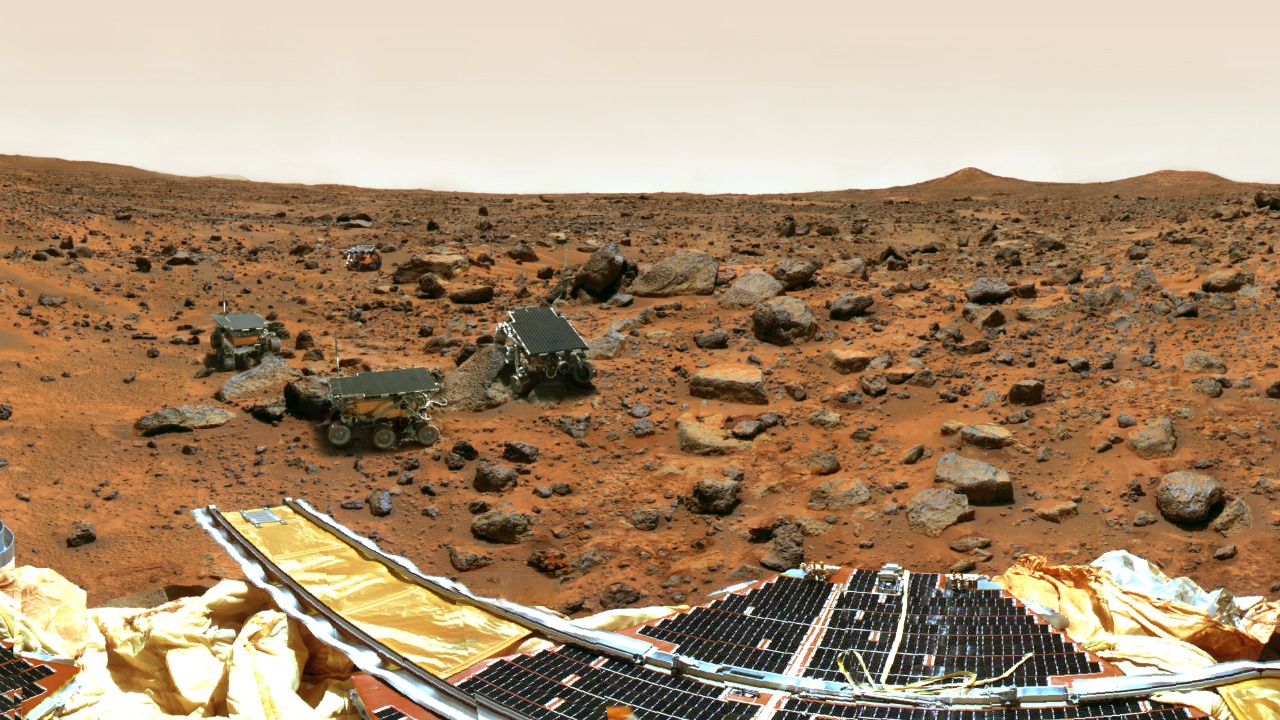
The presence of an ocean could have created stable environments for microbial life, with rover-detected organic molecules in ancient sediments as potential biosignatures (Firstpost). Beaches and shorelines could have played a role in concentrating nutrients, drawing parallels to Earth’s early life origins in coastal zones (Popular Science).
There are ongoing debates on the duration of the ocean, with evidence suggesting it persisted long enough—possibly billions of years—to foster prebiotic chemistry (CBC Radio).
Furthermore, the presence of an ocean on Mars could have implications for the planet’s habitability. The ocean could have provided a stable environment for life to develop, similar to how life evolved in Earth’s oceans. The detection of potential biosignatures in Martian sediments provides further evidence of this possibility (Firstpost).
Moreover, the presence of an ocean could have influenced Mars’ climate, making it more hospitable for life. The ocean could have acted as a heat sink, moderating the planet’s temperature and creating a more stable environment (Popular Science).
Recent Advances in Evidence Collection
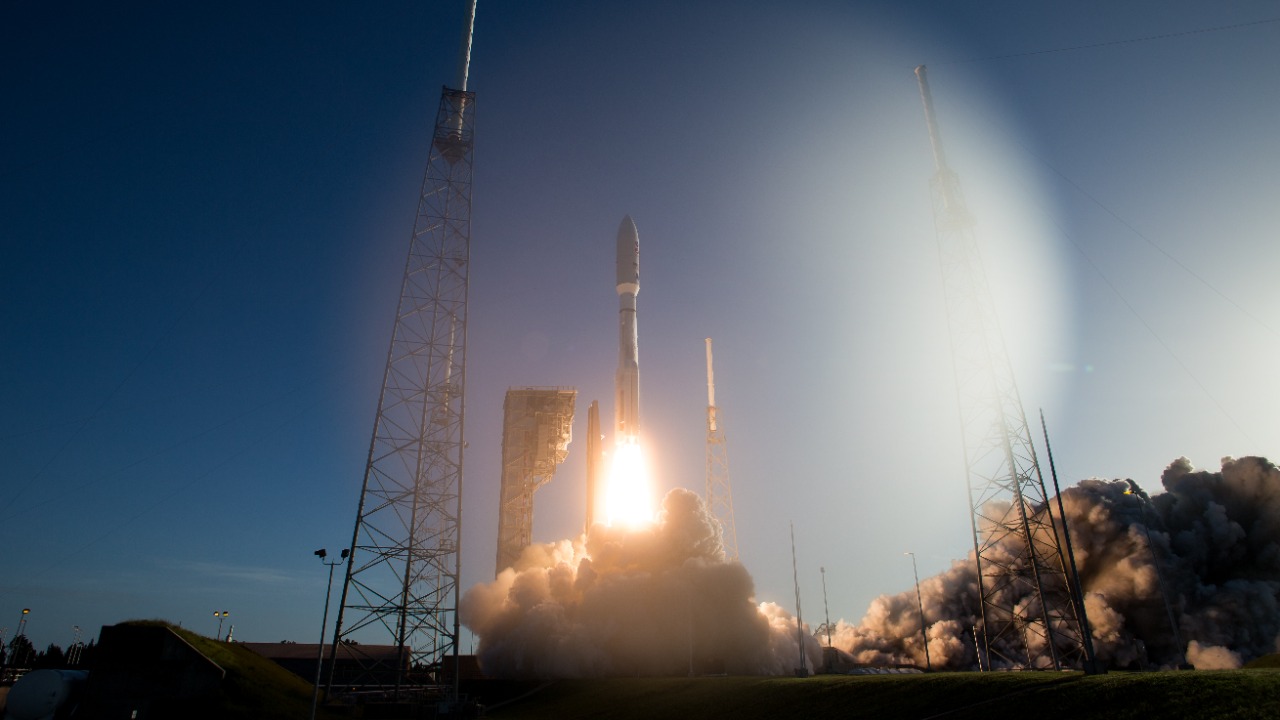
Updates from rover missions in 2025 have provided fresh data on beach-like formations, enhancing prior orbital evidence for widespread oceans (Popular Science). Integrated analyses from multiple sources have confirmed the ocean’s northern location and its transition to dry conditions around 3.5 billion years ago (MSN).
Upcoming sample return missions could verify ocean-related minerals through Earth-based labs, building on current rover and orbital findings (Firstpost).
Moreover, the Mars 2020 mission has provided new data on the presence of an ancient ocean on Mars. The Perseverance rover, part of the Mars 2020 mission, has detected the presence of minerals that form in water-rich environments, providing further evidence of Mars’ watery past (Popular Science).
Additionally, the Mars Sample Return mission, planned for the late 2020s, could provide further evidence of an ancient ocean on Mars. The mission aims to return samples from Mars to Earth for further analysis, potentially confirming the presence of ocean-related minerals (MSN).
