Recent scientific discoveries indicate that the planet Mars might be more than just a barren wasteland. Its extensive network of caves could harbor life, providing the right conditions for it to thrive. This brings a new dimension to our understanding of where extraterrestrial life might exist.
Exploring the Caves of Mars

Life on Earth is predominantly found on the surface, but other planets, including Mars, may have a different story to tell. The caves on Mars are under consideration as potential habitats for life. These subterranean structures offer protection from the harsh Martian climate, including extreme temperatures and cosmic radiation. Therefore, they could potentially support life forms.
The discovery and exploration of Mars’ extensive underground network has been a significant focus of recent space missions. The sheer size and complexity of these caves, some of which are large enough to house entire cities, have intrigued scientists. They hold the promise of unlocking the secrets of Mars’ past and possibly its present.
Mars’ Geological History and Potential for Life

Mars has a rich and varied geological history, which includes evidence of ancient beaches and volcanic activity. These features suggest that the planet once had a more Earth-like climate, capable of supporting life. The ancient beaches on Mars, in particular, suggest that the planet once held large bodies of water – a key ingredient for life.
These geological features and the history they represent could have played a crucial role in creating possible life-sustaining environments on Mars. The presence of volcanic activity, for instance, indicates the potential for geothermal heat sources, which could provide the necessary energy for life to exist.
Survivability Beneath the Martian Surface
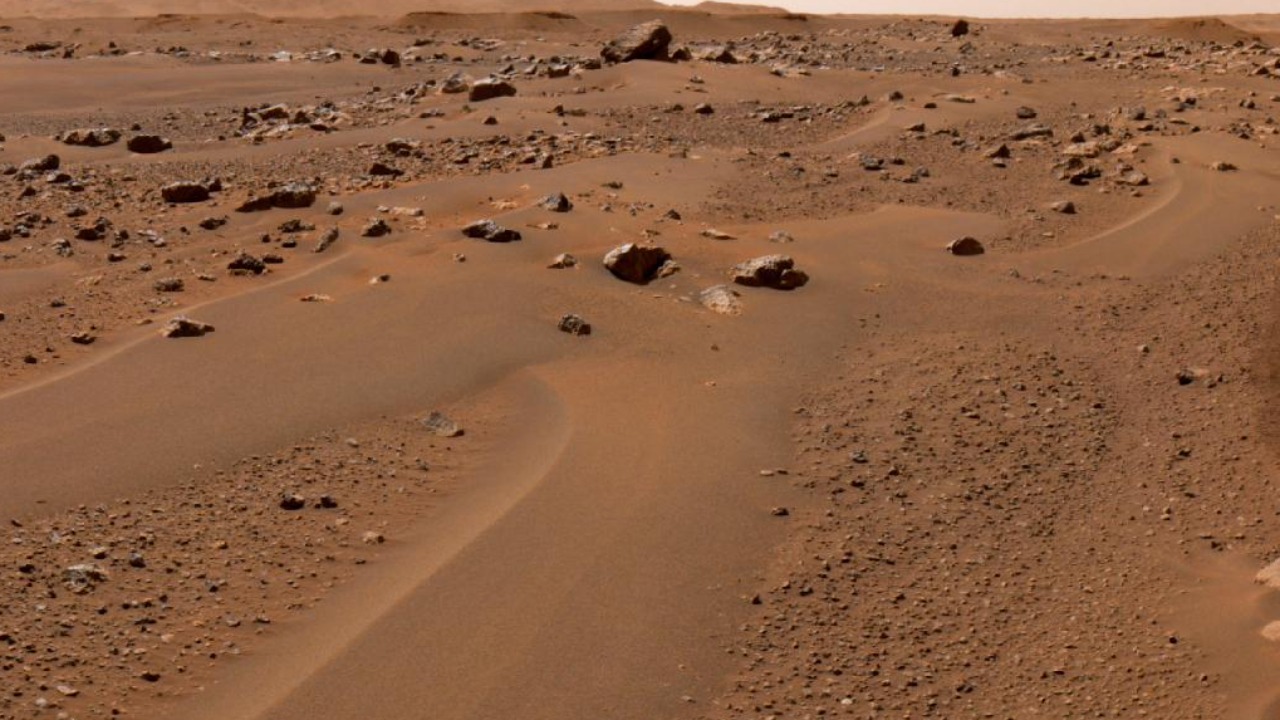
Life on Mars may not be limited to the surface. New research suggests that life could survive beneath the surface of Mars, using high-energy particles from space. These particles, known as galactic cosmic rays, can penetrate the Martian soil and provide the necessary energy for microbial life to survive.
The Martian carbon cycle also plays a crucial role in supporting potential life forms. Unlike Earth, where carbon is cycled through plants and animals, Mars’ carbon cycle is driven primarily by physical and chemical processes. This cycle could provide the necessary building blocks for life.
Understanding the Martian Carbon Cycle
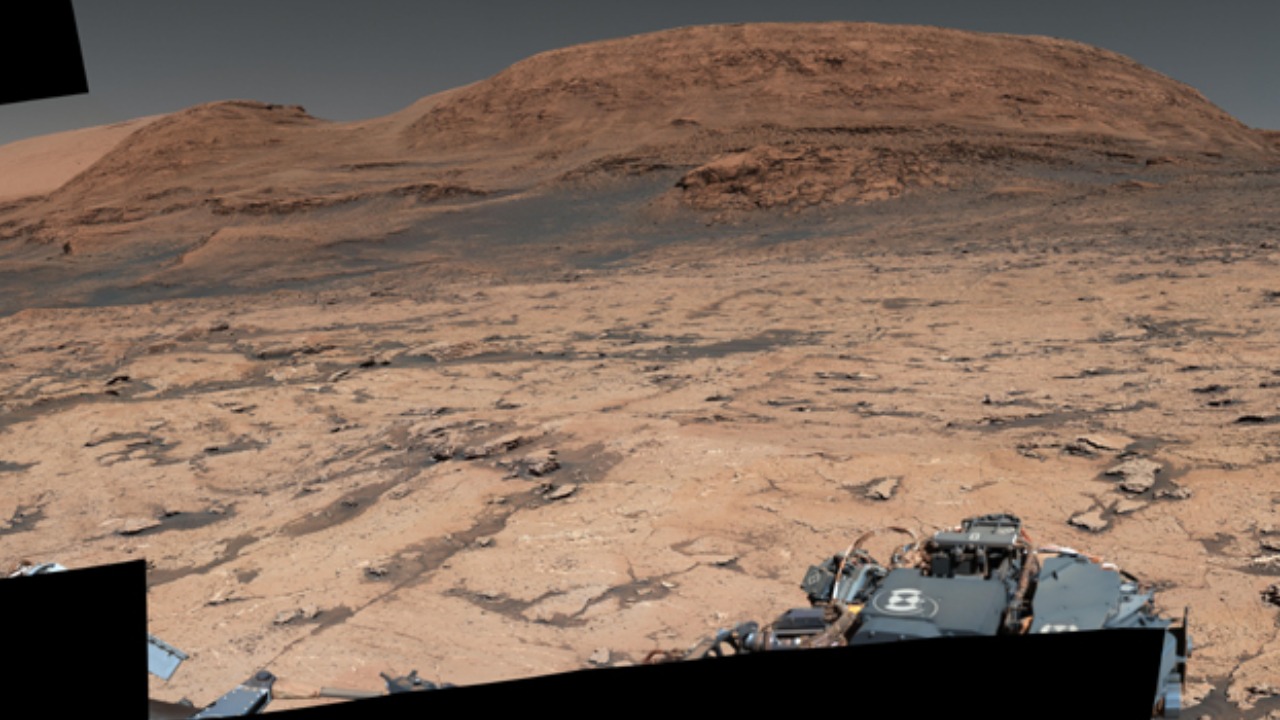
The carbon cycle on Mars is of paramount importance when considering the planet’s potential to harbor life. It involves the movement of carbon in various forms, from the atmosphere to the Martian soil and back. Understanding this cycle is key to understanding how life could exist and thrive on the Red Planet.
Research indicates that the Martian carbon cycle could contribute to sustaining life. By providing a steady supply of carbon – an essential element for all known forms of life – this cycle could support the survival and growth of potential life forms on Mars.
Next Steps in the Search for Martian Life
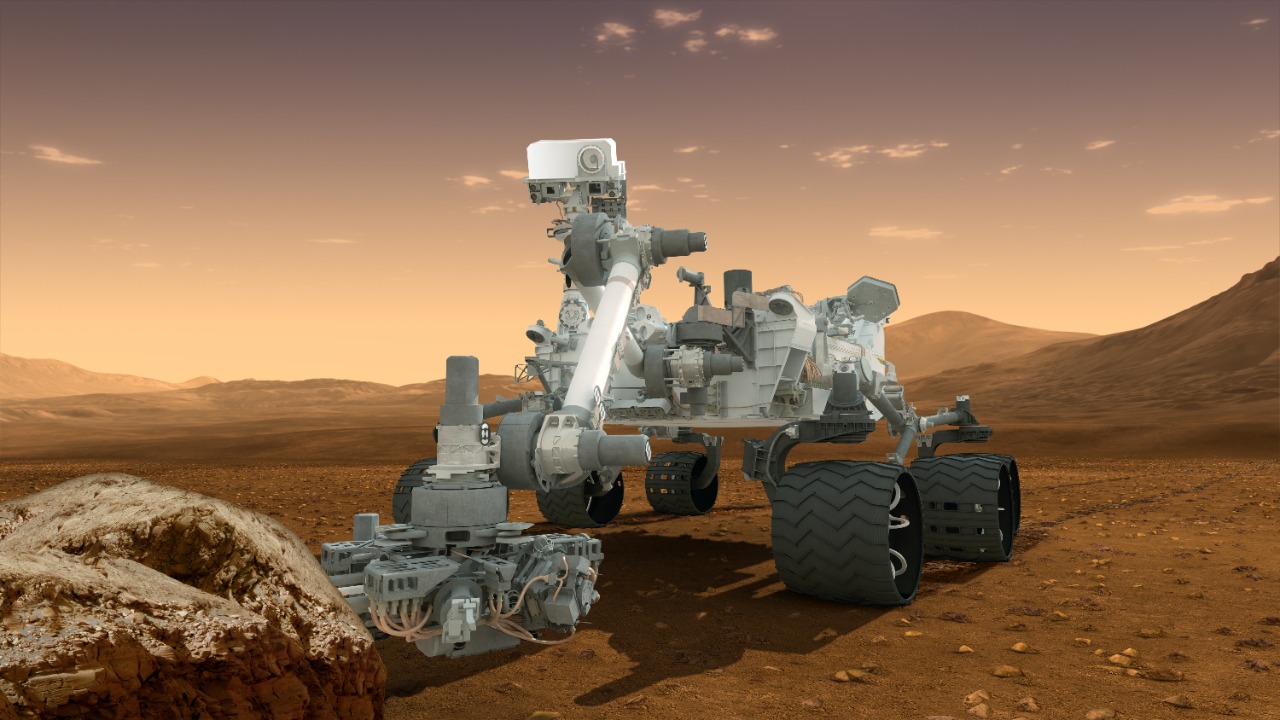
Future Mars missions will play a vital role in investigating the possibility of life in Martian caves. These missions will involve advanced robotics and drilling technologies to explore the subterranean depths of Mars. They will also carry instruments capable of detecting signs of life, including biological markers and potential energy sources.
Finding life on Mars could have profound implications for our understanding of extraterrestrial life. It would not only confirm that we are not alone in the universe but also provide valuable insights into how life can adapt and survive in extreme environments.
New Insights from Volcanic Ash Deposits
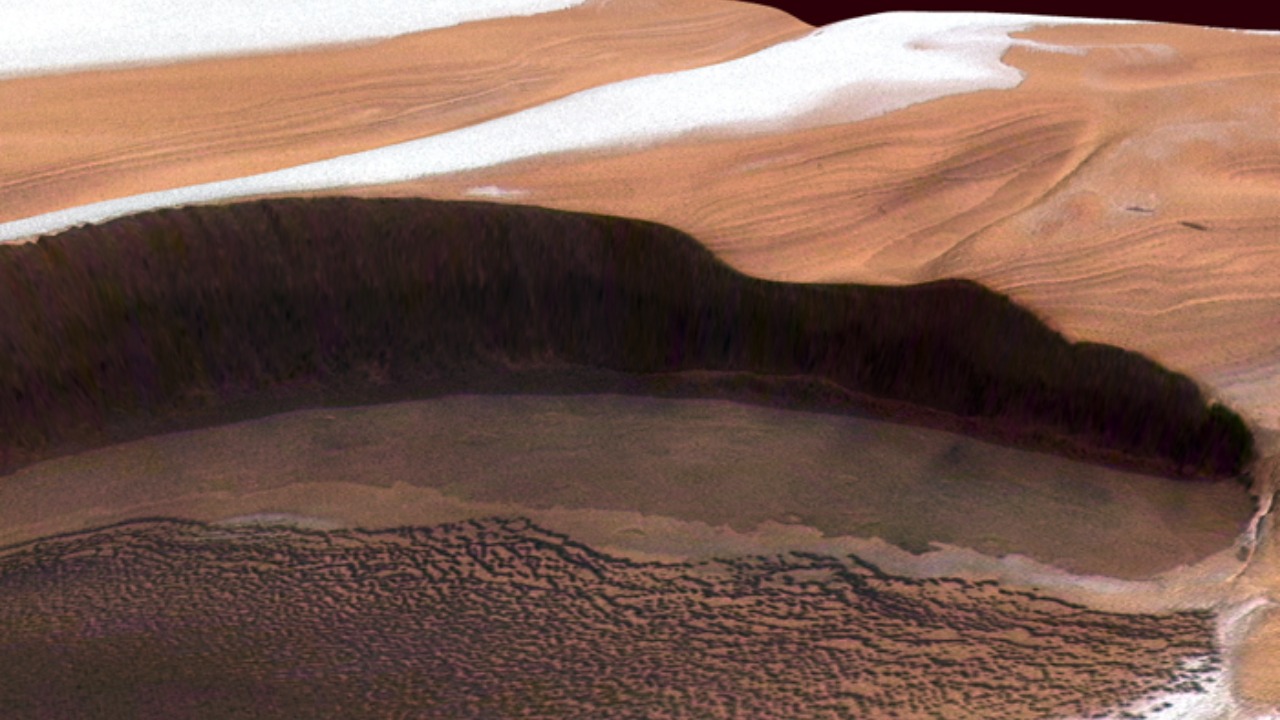
Volcanic ash deposits on Mars could offer new clues in the search for life. These deposits are the remnants of ancient volcanic eruptions, and they may hold preserved signs of past life. Analyzing these deposits could provide valuable information about the planet’s past climate and its potential to support life.
A recent study published in ScienceDaily found that ancient volcanic ash on Mars could offer new clues in the search for extraterrestrial life. The study suggests that the ash could have created environments conducive to life and preserved signs of past life, similar to how fossilized organisms are found in volcanic ash deposits on Earth.
