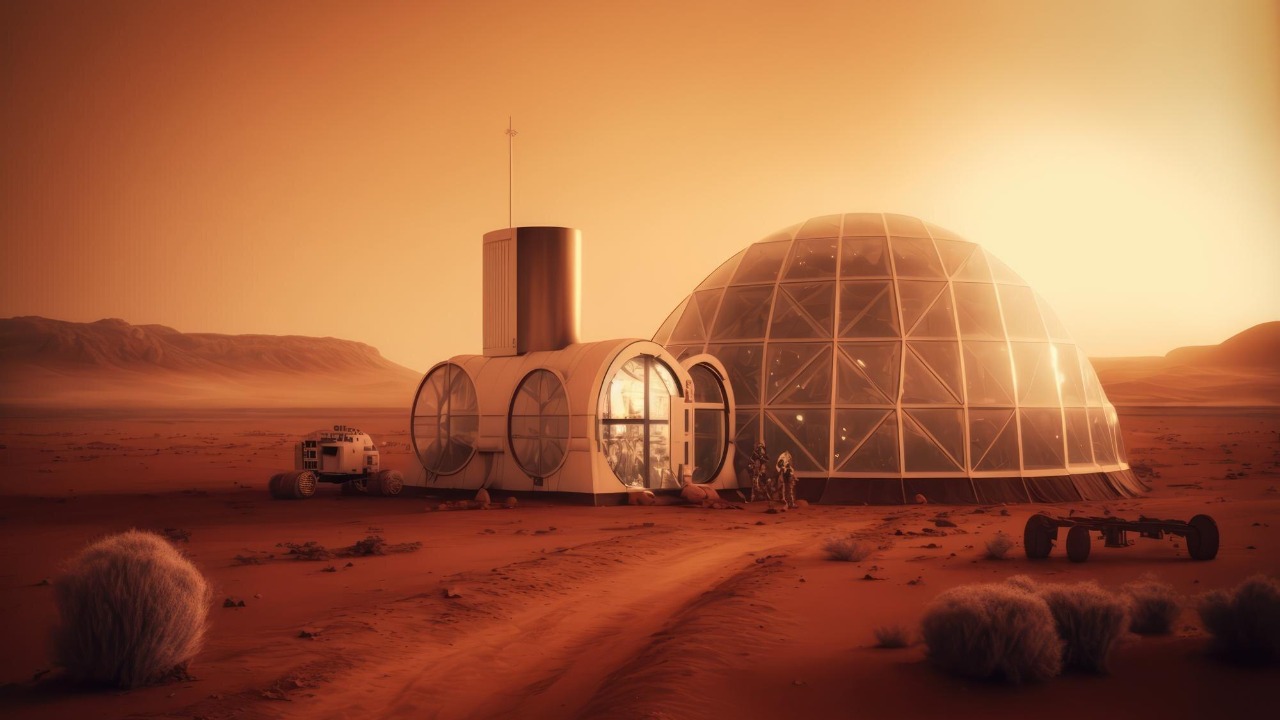
After a period of relative silence, the ambitious Mars base project has quietly resumed, stirring excitement within the scientific community. This renewed effort aims to address previous challenges and capitalize on new technological advancements to establish a sustainable human presence on the Red Planet.
The Revival of the Mars Base Project
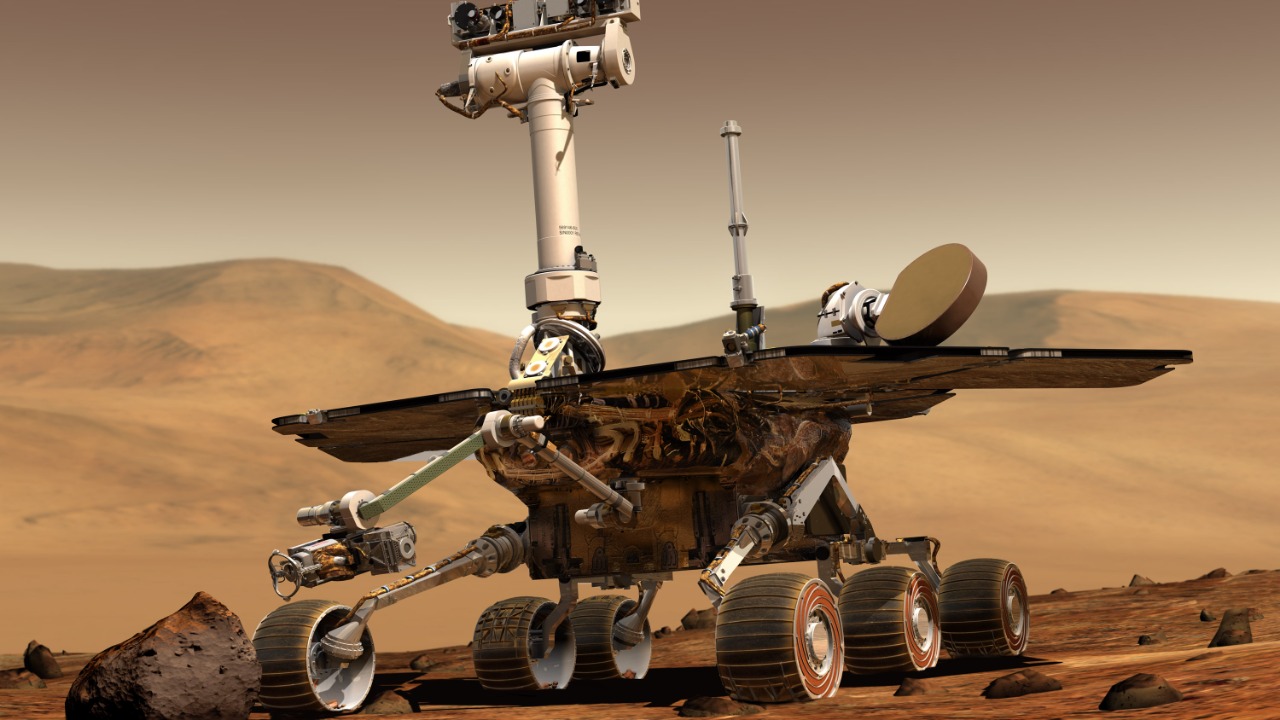
The Mars base project experienced an initial hiatus due to various challenges, including budget constraints and technological limitations. Recent developments, however, have reignited interest and investment in this groundbreaking venture. The resumption of the project is largely driven by a renewed focus on space exploration as a strategic priority for scientific advancement and international prestige.
Key organizations, such as NASA and the European Space Agency (ESA), alongside private entities like SpaceX, are at the forefront of this effort. Their collaboration is crucial for pooling resources and expertise, ensuring that the Mars base project progresses efficiently. Reviving this initiative aligns with current space exploration goals, such as lunar base development and deep space travel, positioning humanity closer to becoming an interplanetary species.
Technological Advancements and Innovations
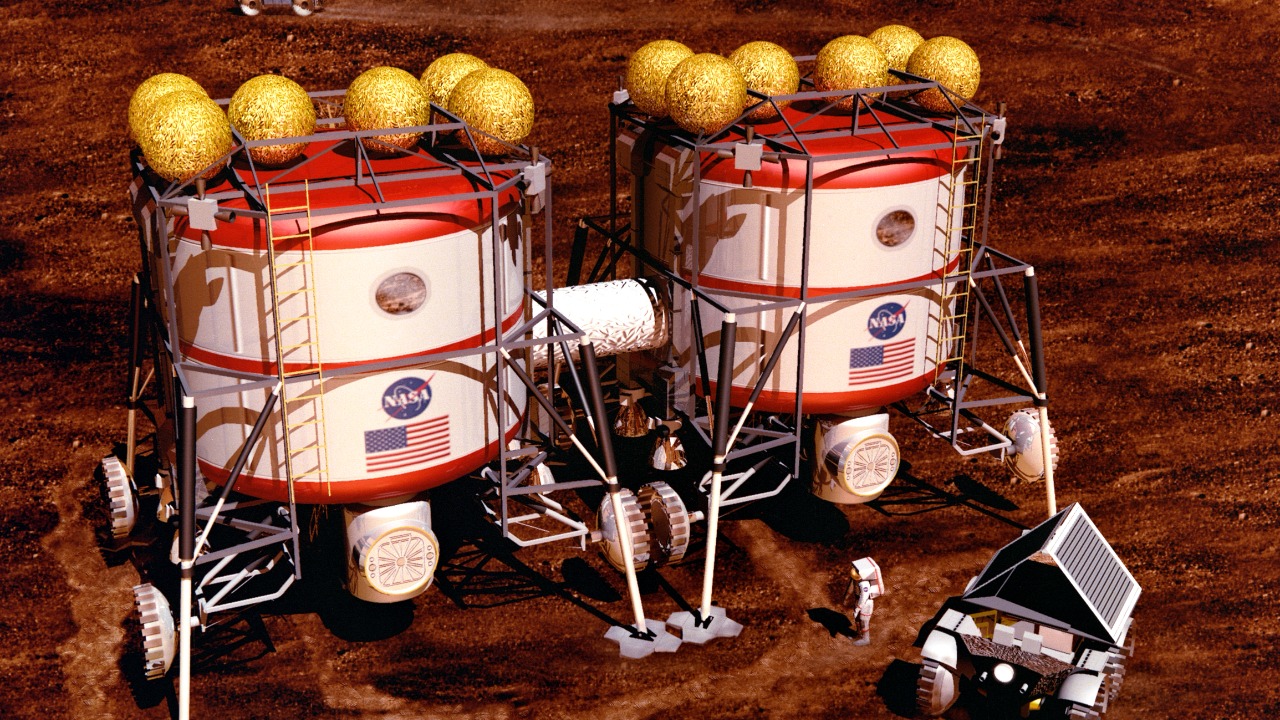
Recent breakthroughs in propulsion technology have significantly reduced travel time to Mars, making the journey more feasible and less resource-intensive. Innovations such as reusable rockets and advanced ion propulsion systems are paving the way for more frequent and reliable missions to the Red Planet. These advancements not only decrease costs but also improve the safety and efficiency of Mars travel.
In addition to propulsion, there have been remarkable strides in life support systems and habitat construction tailored for Martian conditions. These include sustainable oxygen generation, water recycling, and autonomous habitat assembly. The integration of artificial intelligence and robotics plays a pivotal role in supporting human activities on Mars, from routine maintenance to complex scientific research, ultimately enhancing the viability of long-term human presence.
Scientific Goals and Objectives
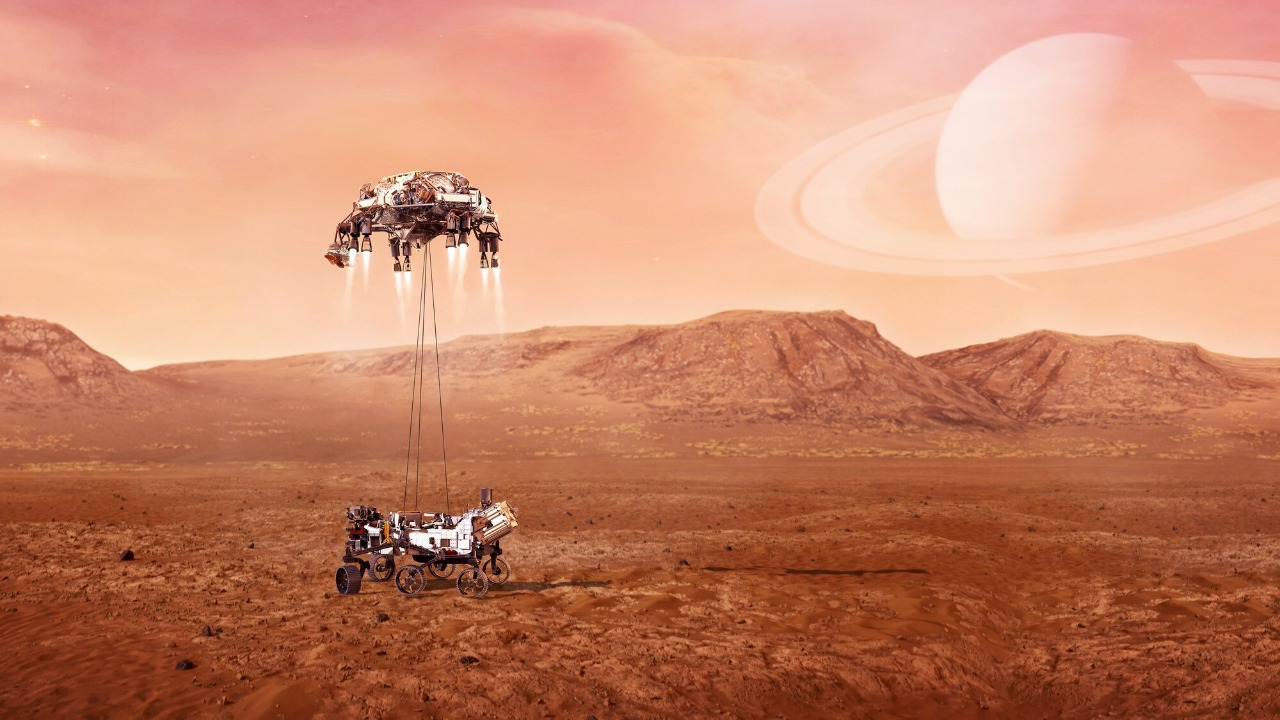
The Mars base project aims to explore new insights into the planet’s geology and climate, building on recent studies that have revolutionized our understanding of Mars. These insights are critical for selecting ideal locations for settlement and for understanding the planet’s past habitability. Additionally, the project seeks to address unresolved scientific questions, such as the mechanisms of Martian dust storms and the presence of liquid water under its surface.
A significant objective is the search for signs of past or present life on Mars. Discovering microbial life or fossilized remains would be a monumental scientific achievement, reshaping our understanding of life’s potential beyond Earth. This quest not only fuels scientific curiosity but also informs the development of future exploration missions and planetary protection protocols.
Challenges and Risks
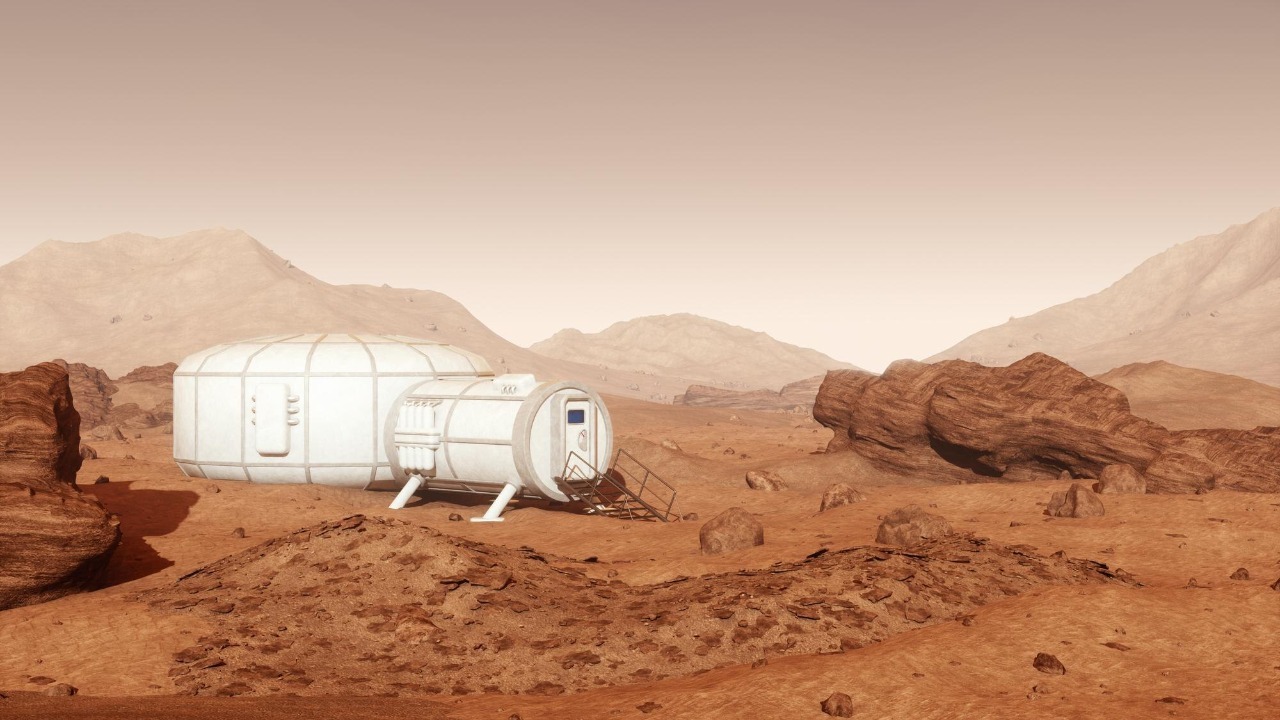
Transporting materials and personnel to Mars presents significant technical and logistical challenges. Ensuring the safe and timely delivery of essential supplies requires meticulous planning and robust engineering solutions. Moreover, addressing the psychological and physical health of astronauts during long-duration missions is paramount, as they will face isolation, microgravity, and radiation exposure, all of which can impact their well-being and mission performance.
Environmental concerns and ethical considerations also come into play as human activities on Mars increase. The potential contamination of Martian ecosystems by terrestrial organisms raises questions about the preservation of the planet’s natural state. Ethical frameworks must guide the exploration to ensure responsible stewardship of Mars, preventing irreversible impacts on its environment.
International Collaboration and Policy Implications
International partnerships play a crucial role in the Mars base project by facilitating the sharing of knowledge and resources. Collaborative efforts between space agencies and countries enhance the project’s success, promoting peaceful exploration and the exchange of technological advancements. These partnerships are vital for overcoming the financial and technical hurdles associated with such a monumental endeavor.
Policy frameworks and agreements guide the exploration and habitation of Mars, ensuring that activities adhere to international space laws. These regulations address issues such as territorial claims, resource utilization, and environmental protection, setting the stage for future extraterrestrial colonization. As the project progresses, it will likely influence the development of new space laws and regulations, shaping the governance of human activities beyond Earth.
Public Interest and Cultural Impact
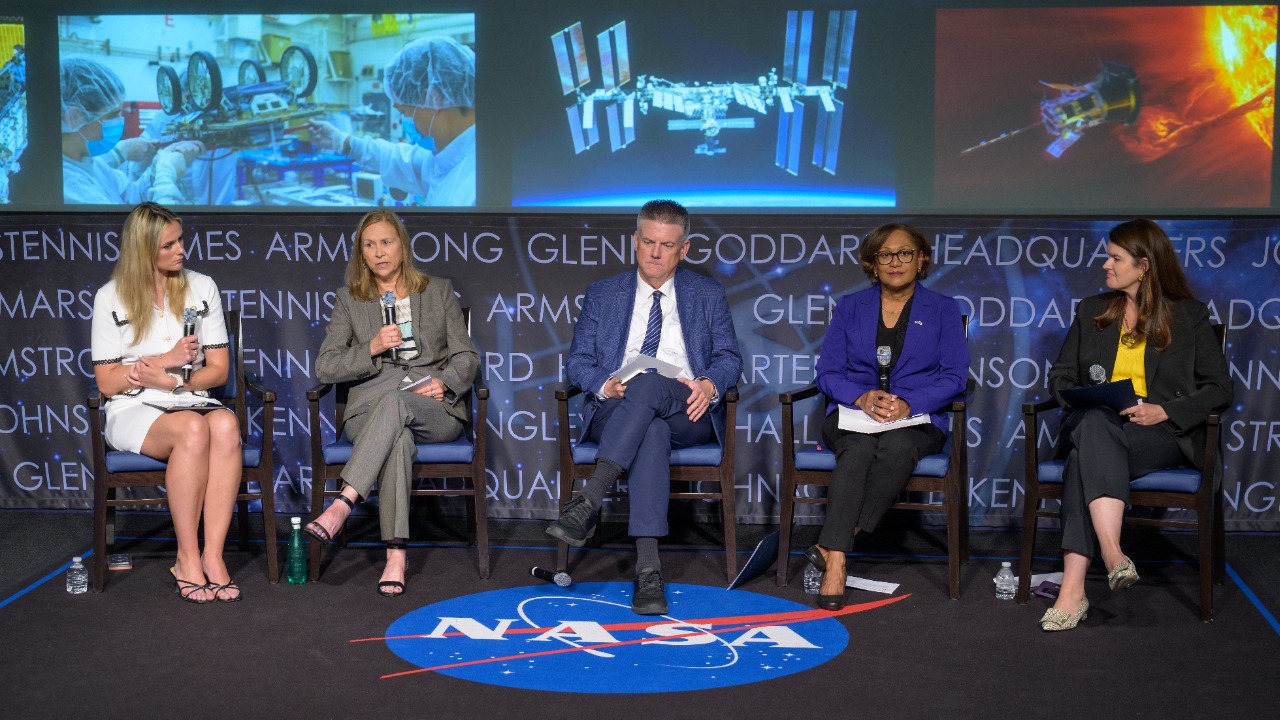
The influence of popular media and public perception on space exploration initiatives cannot be understated. Films, documentaries, and literature have sparked widespread interest and support for Mars exploration, inspiring a new generation of scientists and enthusiasts. Educational and outreach programs are designed to engage global audiences, fostering a deeper understanding of the project’s goals and the science behind it.
The long-term vision of humanity as a multiplanetary species carries profound cultural significance. It challenges our perception of Earth’s uniqueness and encourages us to consider the broader implications of space exploration for our future. As we ponder our place in the universe, the Mars base project stands as a testament to human ingenuity and our unyielding quest for discovery.
