Scientists have recently captured detailed images of Mars’s atmosphere, revealing a layered structure that strikingly resembles a giant French pastry. This unexpected discovery has left experts in awe, as it suggests a previously unknown complexity in the Martian atmosphere. The findings challenge existing theories and open new avenues for understanding the Red Planet’s atmospheric dynamics.
Mars’s Atmosphere: A Pastry-like Phenomenon
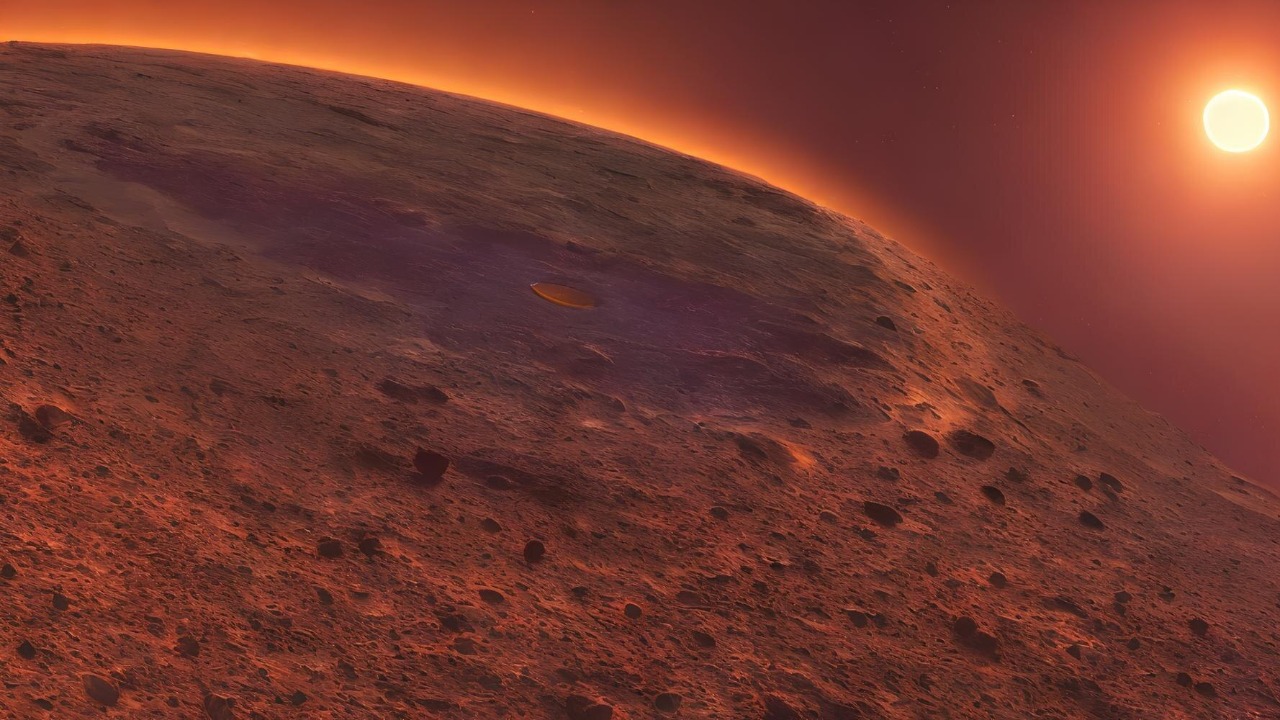
Detailed images captured by scientists show Mars’s atmosphere with a layered structure resembling a French pastry. This remarkable visual similarity has stunned scientists, challenging previous understandings of the Martian atmosphere. The intricate layers observed suggest a level of complexity that was not anticipated, prompting a reevaluation of how Mars’s atmospheric processes are understood. The discovery, described in reports from SSB Crack, highlights the need for further exploration and study.
The revelation of this pastry-like phenomenon has sparked significant interest within the scientific community. As noted by MSN, the discovery challenges long-standing assumptions about the simplicity of Mars’s atmospheric structure. The unexpected complexity observed in these images suggests that Mars may have more dynamic atmospheric processes than previously thought, potentially influencing its climate and weather patterns.
Technical Details of the Discovery
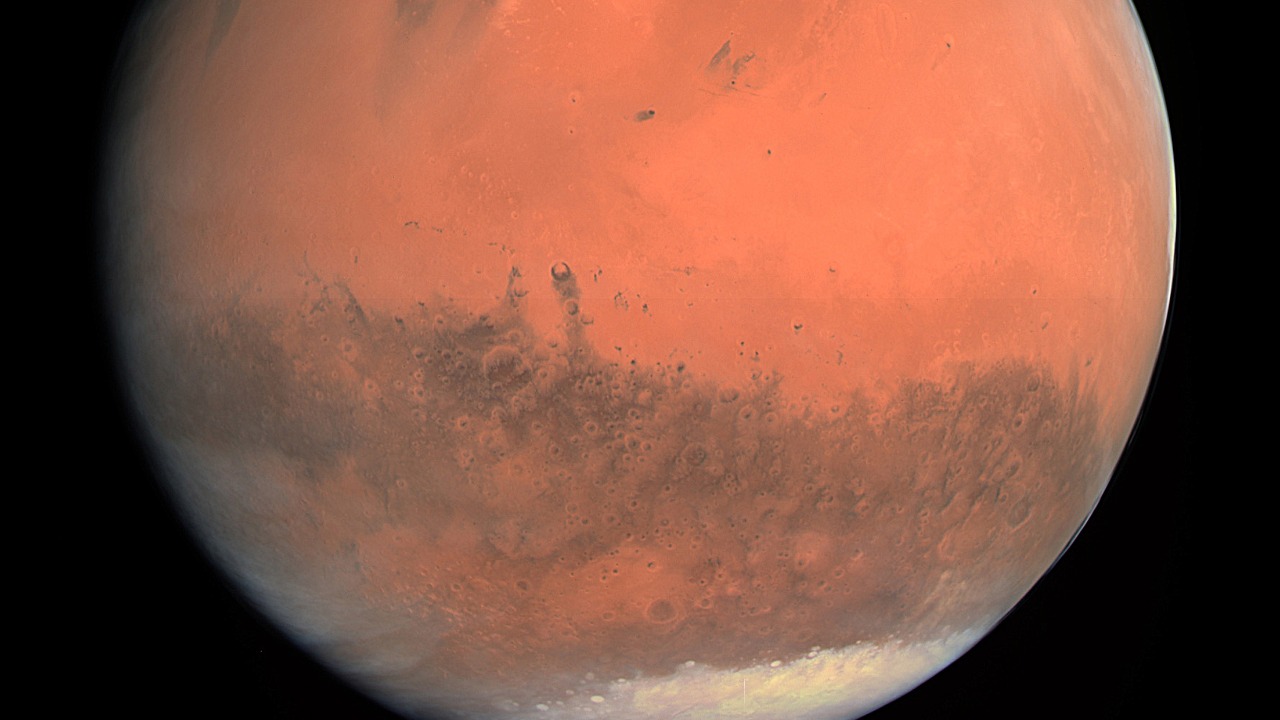
The images providing this new insight into Mars’s atmosphere were captured using advanced imaging technology. This technology allowed scientists to observe the intricate layers within the atmosphere, which had previously gone unnoticed. The discovery was made public on September 30, 2025, highlighting its recent and groundbreaking nature. The use of cutting-edge imaging techniques has been crucial in unveiling these details, as reported by SSB Crack.
These advanced imaging capabilities have provided a new perspective on Mars, allowing scientists to see beyond the surface and into the atmospheric layers. The ability to capture such detailed images marks a significant advancement in space exploration technology. This breakthrough not only enhances our understanding of Mars but also sets a precedent for future planetary studies, where similar techniques could be applied to other celestial bodies.
Implications for Understanding Mars
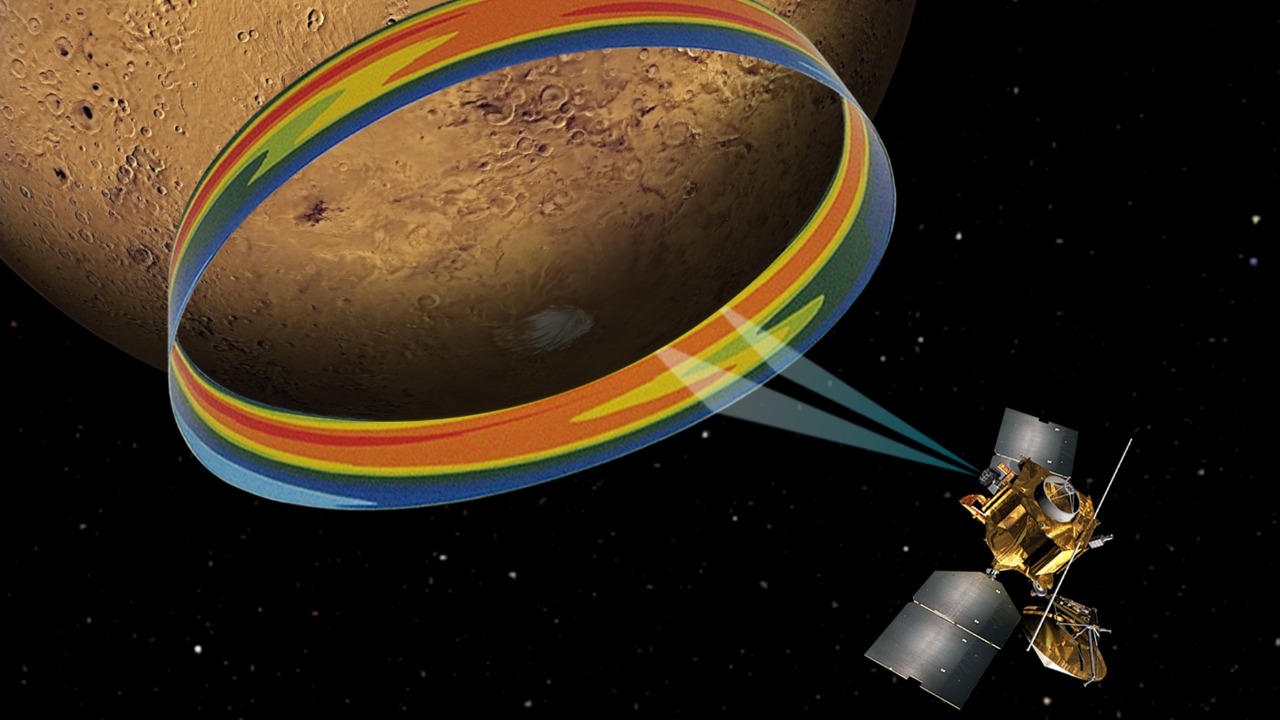
This layered atmospheric structure suggests a complexity that could impact theories about Mars’s climate and weather patterns. The unexpected nature of the findings prompts further inquiry into atmospheric processes on Mars. As reported by MSN, the discovery could lead to a deeper understanding of how Mars’s atmosphere behaves and evolves over time.
The implications of these findings are vast, potentially affecting models of Mars’s climate history and future. Understanding the atmospheric layers could provide insights into past climate conditions and help predict future changes. This knowledge is crucial for any future missions to Mars, particularly those involving human exploration, as it could influence landing site selection and mission planning.
Furthermore, the discovery of these atmospheric layers could have implications for understanding the potential for life on Mars. The complexity of the atmosphere might influence the planet’s surface conditions, including temperature and pressure variations that could affect the habitability of certain regions. As scientists continue to analyze these layers, they may uncover clues about the presence of water vapor or other elements that are crucial for sustaining life, as suggested by the reports from MSN.
Additionally, this newfound complexity in Mars’s atmosphere could provide insights into the planet’s geological history. The layers might record past atmospheric conditions, offering a timeline of climatic changes that have occurred over millions of years. By studying these layers, scientists can better understand the processes that have shaped Mars’s environment, potentially drawing parallels with Earth’s atmospheric evolution. This knowledge could be invaluable for comparative planetology, helping researchers to identify universal atmospheric processes that apply across different planets, as highlighted by SSB Crack.
Reactions from the Scientific Community
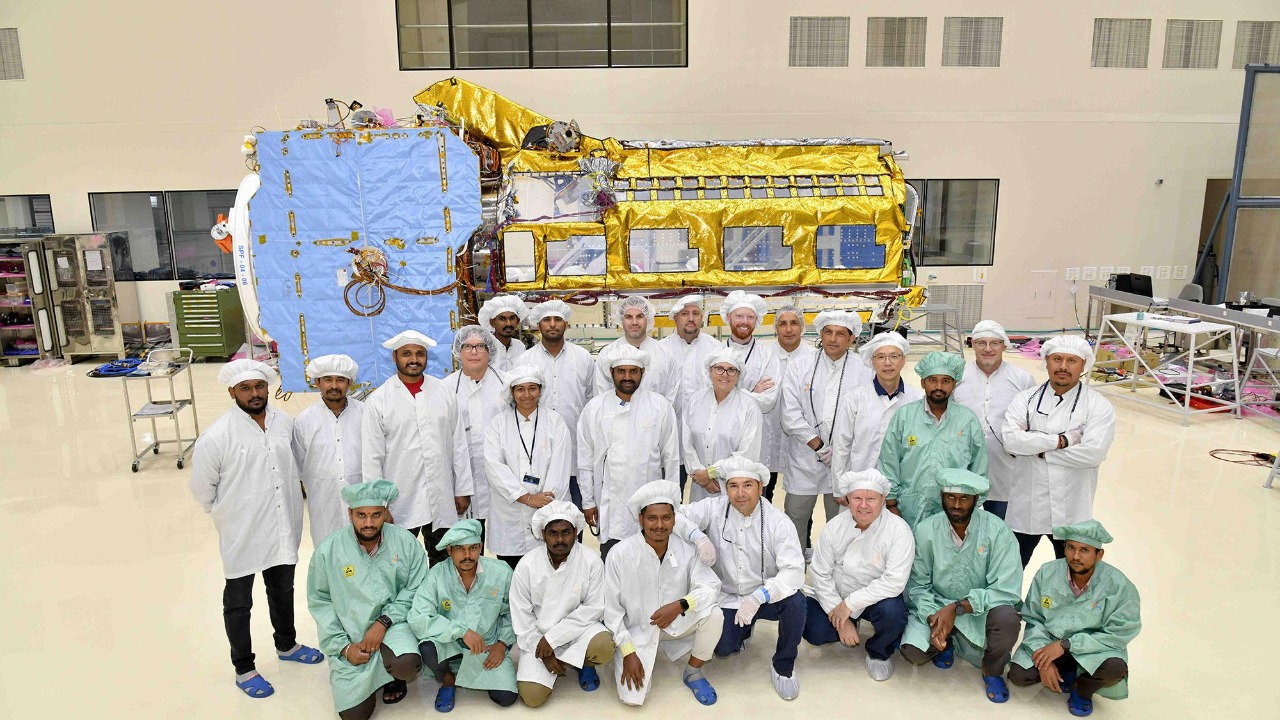
Experts have expressed surprise and intrigue at the discovery, indicating a potential shift in Mars research priorities. The phenomenon has sparked discussions on the need for more comprehensive studies of the Martian atmosphere. According to SSB Crack, the scientific community is eager to explore these new findings further, recognizing the potential for significant advancements in our understanding of Mars.
The discovery has also highlighted the importance of continued investment in space exploration technologies. As scientists digest these new insights, there is a growing consensus that more detailed studies are necessary to fully understand the implications of the layered atmospheric structure. This could lead to increased collaboration between international space agencies and research institutions, fostering a new era of Mars exploration and study.
