A marine biologist has made a groundbreaking discovery by identifying a mysterious black goo coating a ship docked in Cleveland. This enigmatic substance is suspected to be an entirely new lifeform, sparking excitement and curiosity in the scientific community. As researchers delve deeper, this discovery could redefine our understanding of life on Earth and beyond.
Discovery of the Black Goo
The discovery of the black goo was as unexpected as it was intriguing. While inspecting the hull of a ship docked in Cleveland, the marine biologist stumbled upon this strange substance, resembling nothing seen in marine biology before. The goo covered large sections of the ship’s exterior, prompting immediate curiosity and a call for further investigation. Given its unusual appearance and location, the initial thought was that it might be some form of industrial residue or pollution; however, a closer examination hinted at a more complex reality.
The initial reactions from the marine biologist and experts in the field were filled with a mixture of excitement and skepticism. Could this be an entirely new lifeform? Speculations ranged from a novel type of algae to a previously unidentified microbial colony. What made the black goo particularly fascinating was its apparent lack of resemblance to any known marine organism. Unlike typical marine life that exhibits clear biological structures, this substance seemed to defy conventional classification, leading many to ponder its potential origins and ecological role.
Comparisons to known lifeforms only deepened the mystery. Traditional marine organisms, whether plant or animal, follow a biological blueprint that this black goo seemed to ignore. Its presence on the ship’s hull, instead of in a more natural environment, also added to the enigma. Such discoveries often challenge existing paradigms, much like the ongoing debates over the vast unknowns of the ocean floor, which still holds many secrets.
Scientific Analysis and Testing
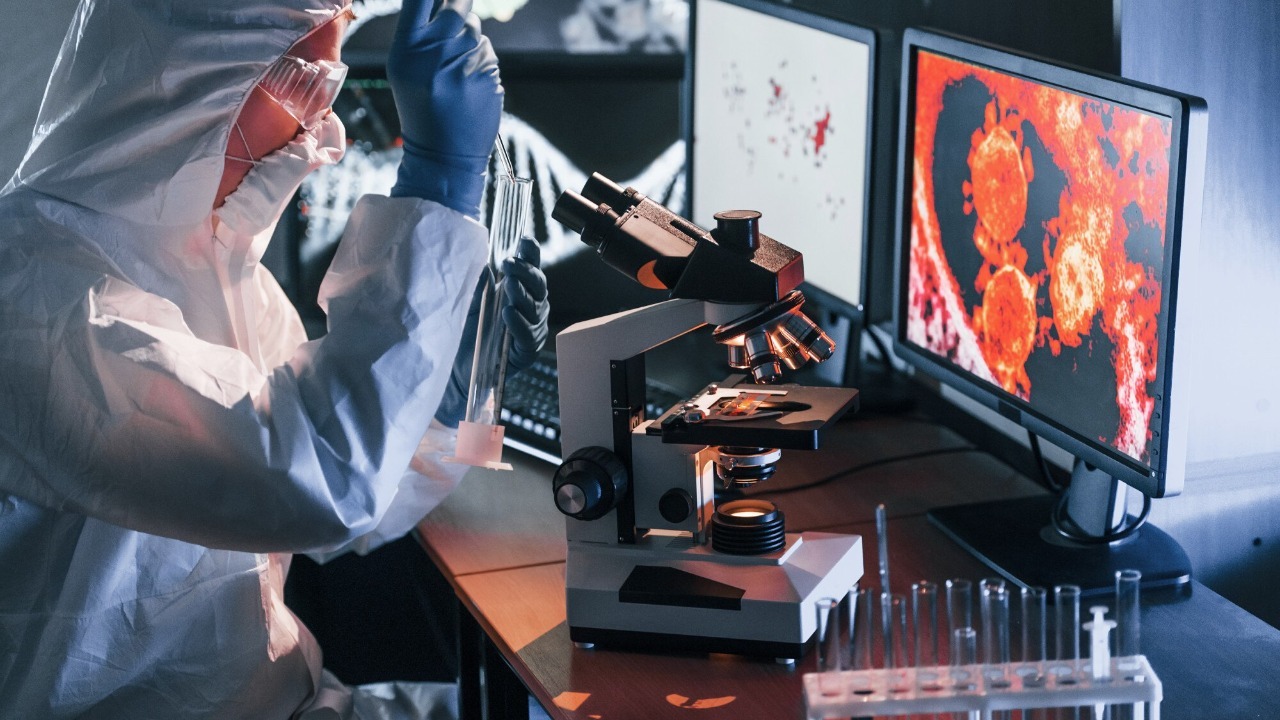
To unlock the secrets of the black goo, scientists employed a variety of analytical methods. DNA sequencing was a primary tool, aimed at uncovering any genetic material that could link the goo to known species. Chemical analysis was also conducted to determine its composition, focusing on identifying organic compounds that might hint at biological processes. These techniques, while standard in many biological studies, were particularly challenging when applied to such an unorthodox subject.
Preliminary findings have been tantalizing yet inconclusive. Initial tests revealed a complex mixture of organic and inorganic materials, some of which have been identified in other marine contexts, but never in such a combination. The presence of certain proteins and enzymes suggested biological activity, raising more questions than answers about the goo’s life status. As researchers delve deeper into its chemical and genetic makeup, the black goo continues to defy easy classification, embodying both familiar and alien characteristics.
The challenges in analyzing this substance are manifold. Its unusual properties make it difficult to handle, requiring special techniques to ensure sample integrity. Moreover, the potential for contamination from the ship and surrounding environment complicates efforts to isolate the goo’s intrinsic properties. These obstacles highlight the difficulties inherent in studying any unprecedented lifeform, underscoring the need for innovative approaches in marine biology.
Potential Implications for Marine Biology
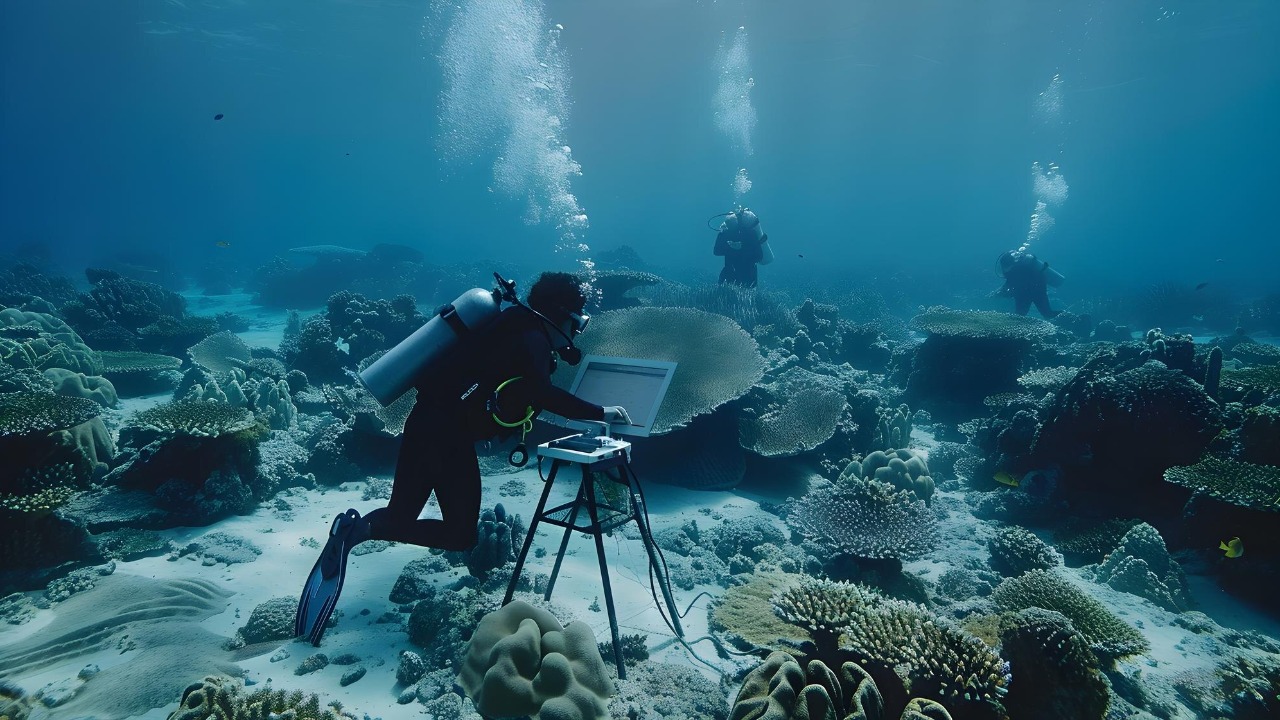
The discovery of the black goo has profound implications for marine biology, particularly in redefining what constitutes life. Traditionally, life is classified based on certain criteria, such as cellular structure and metabolic processes. However, if the black goo is indeed a new lifeform, it could necessitate a reevaluation of these criteria, expanding the boundaries of what scientists consider biologically viable.
Considerations of the goo’s impact on marine ecosystems are equally important. Should this organism be found to interact with existing species, it could alter ecological balances, potentially affecting food chains and nutrient cycles. Understanding these interactions is crucial, as the introduction of any new organism into an ecosystem can have far-reaching consequences, similar to the introduction of invasive species.
Beyond immediate ecological concerns, the black goo’s discovery could also influence broader biological theories, such as those regarding evolution and biodiversity. If the goo represents a new branch of life, it could offer insights into evolutionary processes that have remained hidden until now. Such discoveries challenge existing evolutionary models and highlight the incredible diversity of life that continues to flourish in the world’s oceans.
Public and Media Reactions
The public reaction to the discovery of the black goo has been one of fascination and speculation. Many have drawn parallels to science fiction, with references to popular culture phenomena like alien lifeforms and mysterious substances in films and television. This response underscores the human penchant for mystery and the unknown, fueling both curiosity and imagination.
Media coverage has been extensive, with various outlets offering their interpretations of the discovery’s significance. Some reports have emphasized the scientific potential of the find, while others have highlighted its more sensational aspects, tapping into broader narratives about humanity’s quest to understand the universe. This diverse media landscape reflects the multifaceted nature of the discovery itself, as well as its potential to capture public interest on multiple levels.
As the story of the black goo unfolds, its influence on popular culture is likely to grow. Whether inspiring new works of fiction or sparking debates about the nature of life, the discovery serves as a reminder of the ongoing interplay between science and culture. The potential for the goo to enter the realm of literature and film is apparent, as is its capacity to inspire new forms of cultural expression.
Future Research Directions
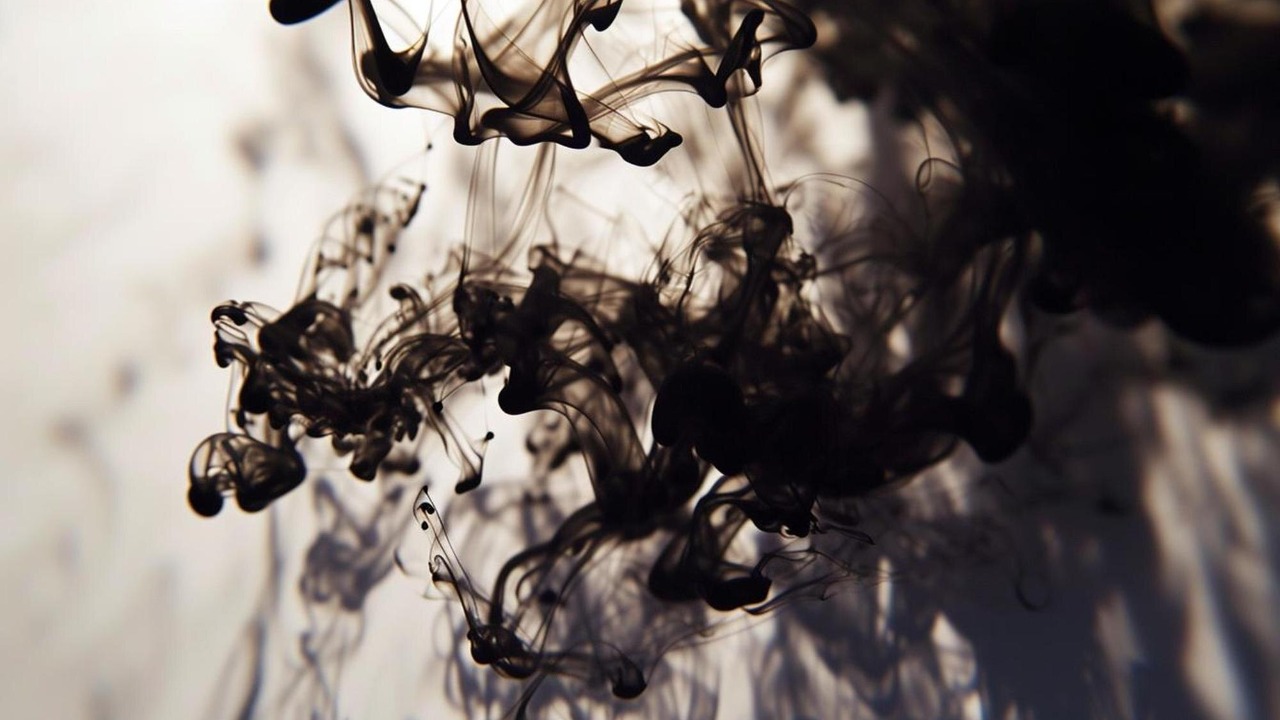
Looking ahead, scientists are eager to continue their investigation of the black goo, outlining several key research directions. First and foremost is the need for more detailed analysis, utilizing advanced technologies and methodologies to unravel the goo’s mysteries. This will involve an interdisciplinary approach, drawing on expertise from fields such as microbiology, chemistry, and environmental science.
Potential collaborations with other scientific disciplines and institutions are also on the horizon. By partnering with experts in related fields, researchers hope to gain new insights and perspectives that could enhance their understanding of the black goo. Such collaborations are essential in tackling complex scientific questions and advancing knowledge.
Ultimately, the long-term goals of this research are ambitious yet attainable. Scientists aim to fully characterize the black goo, determining its biological status and ecological role. By doing so, they hope to contribute to a broader understanding of life on Earth, potentially paving the way for new discoveries in marine biology and beyond. As the research progresses, the black goo stands as a symbol of the unknown, challenging scientists to push the boundaries of their knowledge.
