Researchers are delving into the intricate interactions between RNA and proteins, colloquially referred to as ‘chats,’ with the aim of potentially discovering new treatments for cancer and brain diseases. This groundbreaking work extends to decoding RNA-protein signals that are relevant to a range of conditions, from cancer to Alzheimer’s. The exploration of these interactions is seen as a pathway to innovative therapies for cancer and brain diseases.
Understanding RNA-Protein Interactions
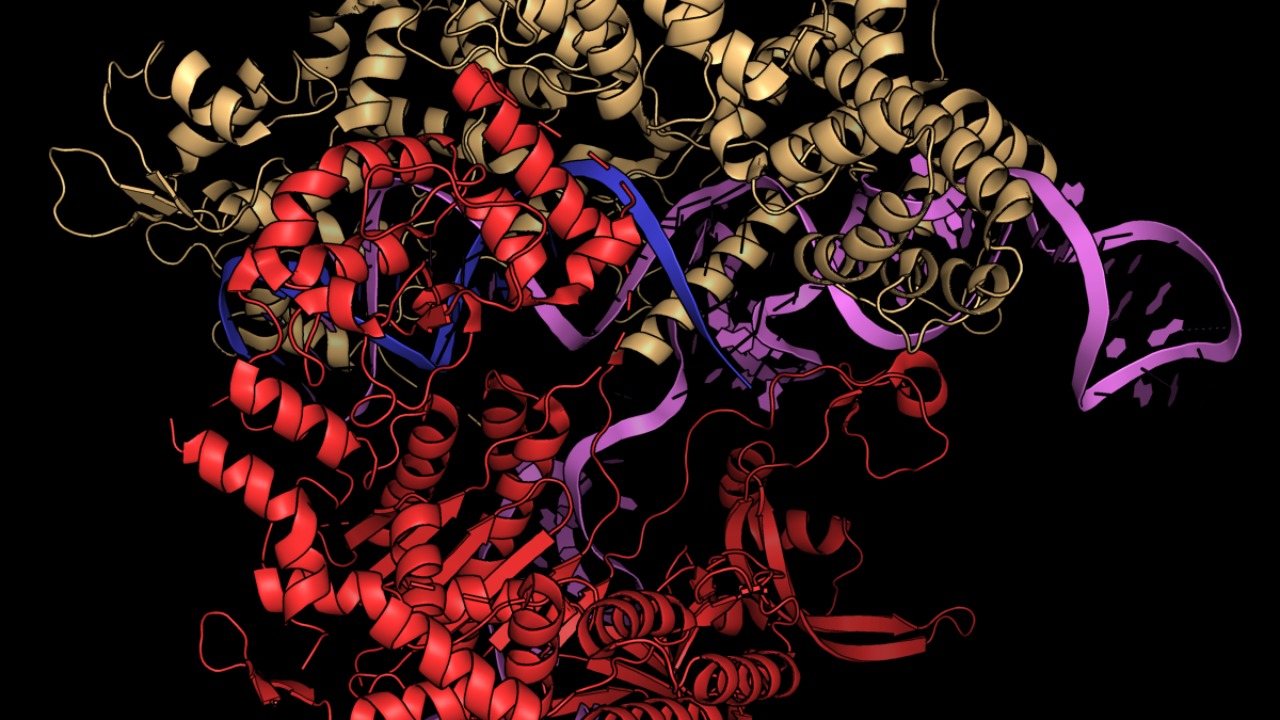
RNA-protein interactions are a critical part of the cellular machinery, and their dysregulation can lead to disease. The ‘chats’ between RNA and proteins are essentially a form of cellular communication, where RNA molecules carry messages from the DNA to the protein-making machinery of the cell. This process, known as transcription and translation, is fundamental to life. When this process goes awry, it can lead to diseases like cancer and Alzheimer’s. Therefore, understanding these interactions is not just a scientific curiosity, but a matter of life and death.
Moreover, RNA-protein interactions are not static, but dynamic, changing in response to various cellular signals and environmental factors. This dynamic nature makes them a challenging, yet rewarding, subject of study. By mapping these interactions, researchers can gain insights into the cellular processes that underlie disease, potentially leading to the development of new treatments. This is the promise of RNA-protein interaction research: to turn the language of the cell into a tool for healing.
Techniques for Mapping RNA-Protein ‘Chats’
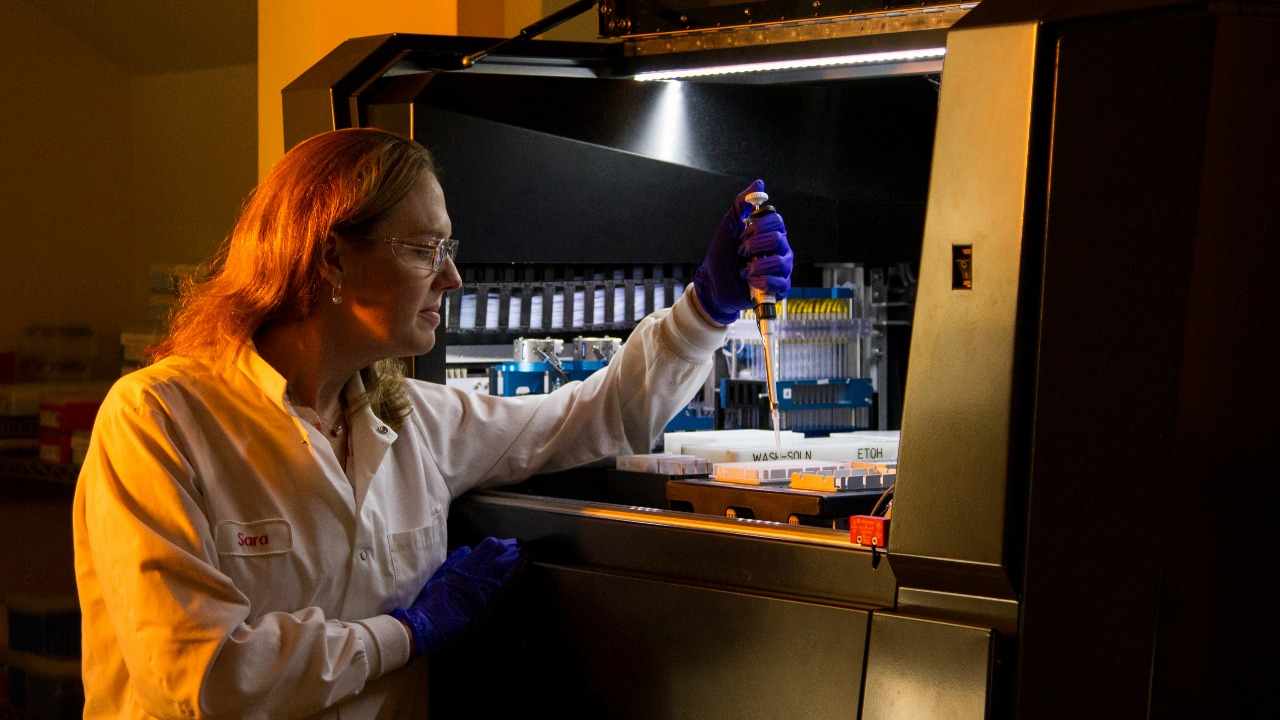
Visualizing and analyzing RNA-protein interactions is a complex process that requires advanced methods and tools. The mapping approach is central to this process, providing a detailed view of these interactions. Technological tools play a significant role in decoding these signals, offering precision that is crucial for understanding the intricacies of these interactions.
Studying these interactions opens up pathways for therapeutic innovation. By understanding how RNA and proteins interact, researchers can develop new treatments that target these interactions, potentially leading to breakthroughs in the treatment of cancer and brain diseases.
There are several techniques for mapping RNA-protein interactions, each with its own strengths and limitations. One common approach is crosslinking and immunoprecipitation (CLIP), which involves using a chemical crosslinker to bind RNA and protein molecules together, followed by immunoprecipitation to isolate the RNA-protein complexes. This method allows researchers to identify the specific RNA molecules that are bound by a particular protein. However, it does not provide information about the dynamics of these interactions, which can be crucial for understanding disease processes.
Another technique is RNA sequencing, which can provide a global view of RNA-protein interactions. This method involves sequencing all the RNA molecules in a cell and then using computational methods to predict which proteins they are likely to interact with. While this approach can provide a comprehensive view of RNA-protein interactions, it is limited by the accuracy of the prediction algorithms. Despite these challenges, these techniques have already yielded valuable insights into the role of RNA-protein interactions in disease, and with further refinement, they hold the promise of even greater discoveries.
RNA-Protein Dynamics in Cancer
RNA-protein interactions play a crucial role in cancer. For example, certain proteins that bind to RNA are known to be overexpressed in cancer cells, leading to the production of abnormal proteins that drive cancer progression. Moreover, some RNA molecules, known as non-coding RNAs, can interact with proteins to regulate their activity, and dysregulation of these interactions can also contribute to cancer. Therefore, mapping these interactions can provide valuable insights into the molecular mechanisms of cancer, potentially leading to the development of new treatments.
One promising area of research is the study of RNA-protein interactions in cancer stem cells. These are cells that have the ability to self-renew and give rise to all the different cell types in a tumor. Understanding the RNA-protein ‘chats’ in these cells could provide clues to their ability to resist treatment and cause relapse, potentially leading to the development of more effective therapies.
Implications for Brain Diseases
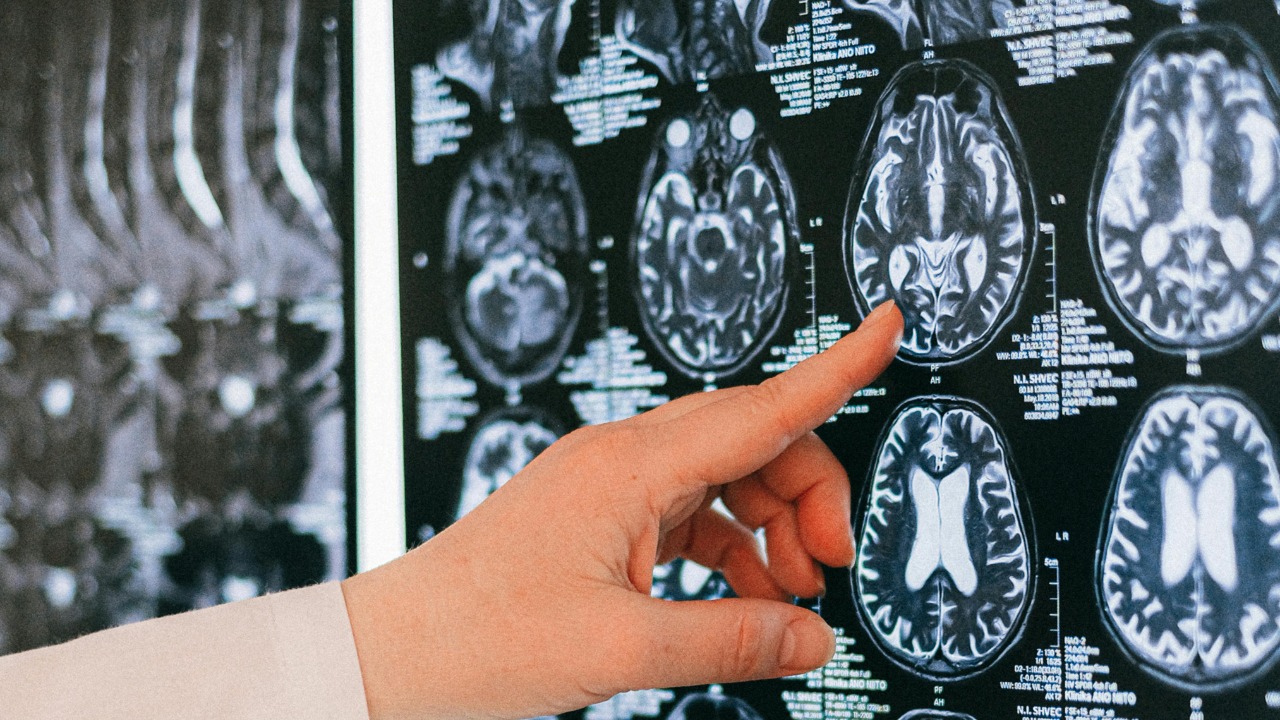
RNA-protein interactions also have important implications for brain diseases. For example, in Alzheimer’s disease, certain RNA-binding proteins are known to form aggregates in the brain, leading to neuronal death. Moreover, dysregulation of RNA-protein interactions can lead to the production of toxic proteins that contribute to neurodegeneration. Therefore, understanding these interactions could provide valuable insights into the molecular mechanisms of brain diseases, potentially leading to the development of new treatments.
One promising area of research is the study of RNA-protein interactions in neurogenesis, the process by which new neurons are generated in the brain. Dysregulation of this process is thought to contribute to several brain diseases, including Alzheimer’s. By mapping the RNA-protein ‘chats’ involved in neurogenesis, researchers could gain insights into the molecular mechanisms of these diseases, potentially leading to the development of new therapies.
Therapeutic Potential and Targets
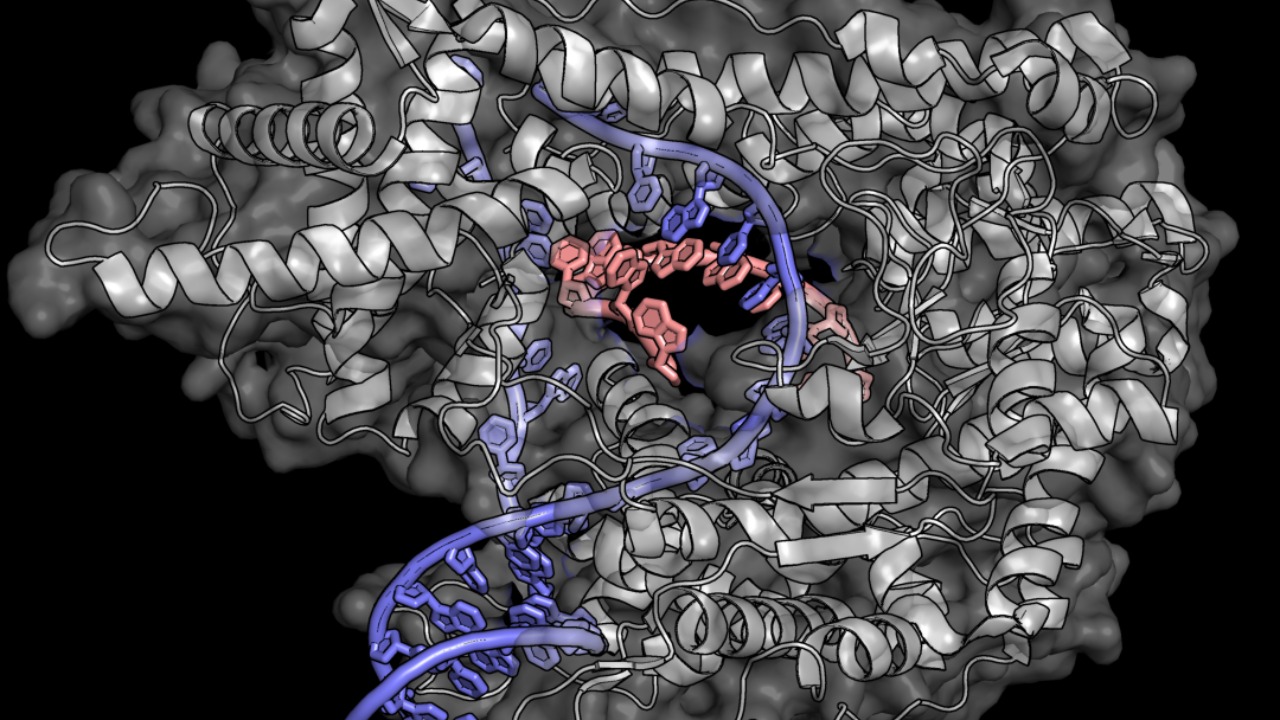
The therapeutic potential of targeting RNA-protein interactions is vast. By understanding these interactions, researchers can identify potential drug targets for a range of diseases. For example, drugs could be designed to disrupt harmful RNA-protein interactions, or to enhance beneficial ones. Moreover, RNA molecules themselves could be used as drugs, by designing them to bind to specific proteins and modulate their activity. This approach, known as RNA therapeutics, is already showing promise in the treatment of several diseases, including cancer and genetic disorders.
One of the key challenges in developing these therapies is the delivery of RNA molecules to the right cells in the body. However, recent advances in nanotechnology and gene delivery systems are making this increasingly possible. With further research, the therapeutic potential of RNA-protein interactions could be fully realized, leading to the development of new treatments for a range of diseases.
Challenges and Future Directions
Despite the promise of RNA-protein interaction research, there are several challenges that need to be overcome. One of the main challenges is the complexity of these interactions. Each cell contains thousands of different types of RNA and protein molecules, each capable of interacting with multiple partners. Moreover, these interactions can change in response to various signals and conditions, adding another layer of complexity. Therefore, mapping these interactions is a daunting task, requiring sophisticated techniques and computational tools.
Another challenge is the translation of research findings into effective treatments. While understanding RNA-protein interactions can provide valuable insights into disease mechanisms, turning these insights into therapies is a complex process, requiring extensive testing and validation. Despite these challenges, the future of RNA-protein interaction research is bright, with the potential to revolutionize our understanding of disease and open up new avenues for treatment.
