The recent discovery of a significant lithium deposit in the United States has captured global attention, particularly in China, which has long dominated the lithium supply chain. As nations scramble for control over this critical resource essential for battery technology, the geopolitical landscape is shifting, marking a potential realignment in the race for technological and economic supremacy.
The Discovery: A Game Changer in the Lithium Market

The U.S. has reported the discovery of a substantial lithium deposit in Nevada, believed to be one of the largest in the world. This find is estimated to contain over 7 million tons of lithium, offering a potential boost to the global supply chain. The location in Nevada is strategically significant, given its proximity to existing production facilities and infrastructure, which could expedite development and extraction processes. This discovery could potentially double the current U.S. lithium production, positioning the nation as a key player in the global market.
Advancements in technology have played a crucial role in uncovering new mineral reserves. The use of airborne electromagnetic surveys and machine learning algorithms has enabled geologists to identify lithium-rich brine deposits and hard rock sources with greater accuracy. These innovations not only enhance extraction efficiency but also reduce environmental impact, making the process more sustainable. Compared to existing reserves in countries like Australia and Chile, the U.S. deposit could meet significant future demand, which is projected to increase exponentially with the rise of electric vehicles (EVs) and renewable energy storage solutions.
China’s Dominance and Strategic Interests
China has long maintained a dominant position in the lithium market, controlling a major portion of the global supply chain. Its strategic initiatives, such as investments in mining operations in Africa and South America, have fortified its influence. The Belt and Road Initiative further underscores China’s intent to secure critical resources, including lithium, by establishing extensive logistical networks and partnerships. This U.S. discovery challenges China’s monopolistic hold, potentially reshaping the competitive landscape.
The implications for China’s strategic interests are profound. With the U.S. poised to increase its lithium output, the dynamics of the Belt and Road Initiative may be affected, particularly in regions where China’s influence has been predicated on resource control. This could lead to shifts in bilateral relations and trade policies between the U.S. and China, as both countries navigate the evolving landscape of resource security and technological advancement.
Impacts on Global Lithium Supply Chains
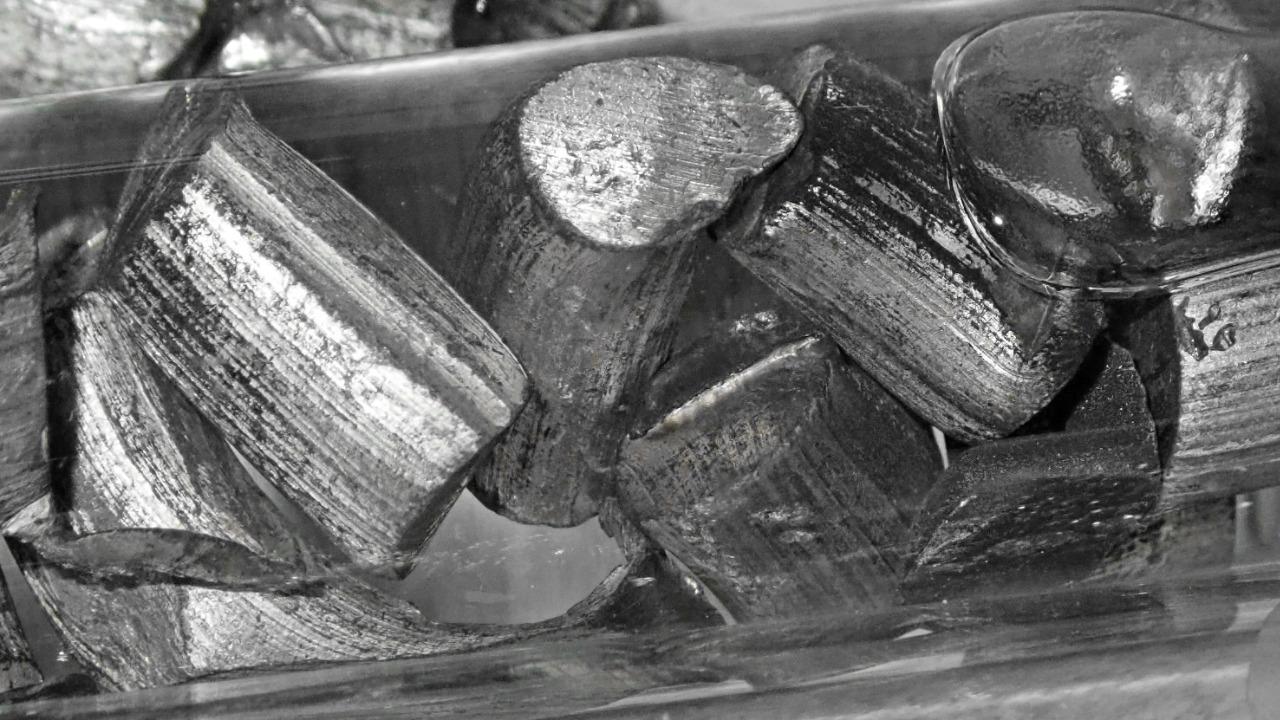
The discovery of this lithium deposit in the U.S. has the potential to significantly alter global supply chains, reducing the world’s dependency on China for this essential mineral. With the U.S. increasing its share of lithium production, other nations may seek to diversify their supply sources, fostering competition and potentially lowering costs. This shift could encourage international partnerships and alliances, as countries collaborate to secure stable and reliable access to lithium resources.
However, the extraction and processing of lithium come with their own set of challenges. Environmental concerns, such as water usage and habitat disruption, must be addressed to ensure sustainable practices. Regulatory frameworks will play a vital role in overseeing the development of these operations. As the U.S. navigates these challenges, the global community will closely watch how it balances economic growth with environmental stewardship. International cooperation may become crucial in establishing best practices and standards for lithium extraction and processing.
Technological and Economic Implications
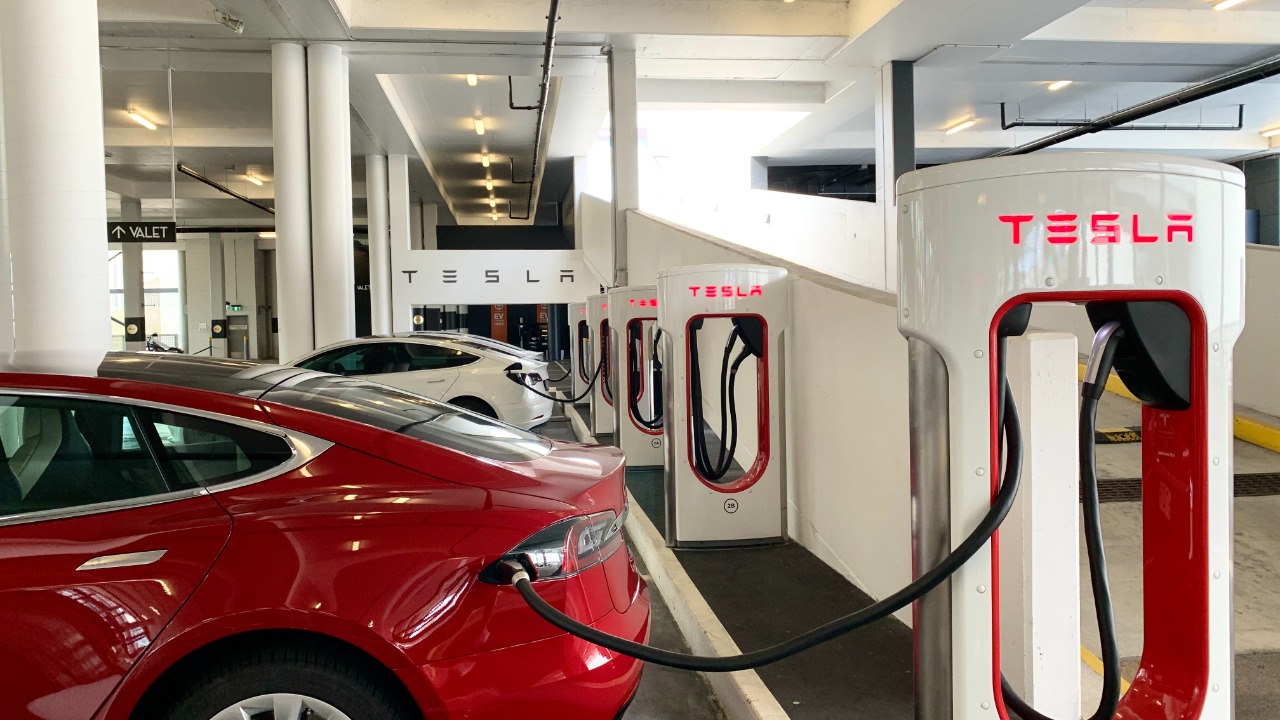
Lithium is a cornerstone of the burgeoning electric vehicle (EV) market and renewable energy storage solutions. The U.S. discovery could accelerate the transition to green technologies by ensuring a steady supply of this vital resource. As automakers like Tesla and General Motors ramp up production of EVs, the demand for lithium-ion batteries will continue to surge. This discovery not only supports the domestic market but also positions the U.S. as a potential exporter of lithium, contributing to global supply.
The economic benefits for the U.S. are significant. Job creation in mining, processing, and related industries could bolster local economies, particularly in regions surrounding the deposit. Additionally, technological innovation in extraction and processing methods could spur further advancements in the clean energy sector. The impact on global competition in the tech and energy sectors will be profound, as countries vie for leadership in the transition to sustainable energy sources. Strategic investments and policies will be crucial in harnessing these opportunities for economic growth and technological advancement.
Geopolitical Ramifications and Future Prospects
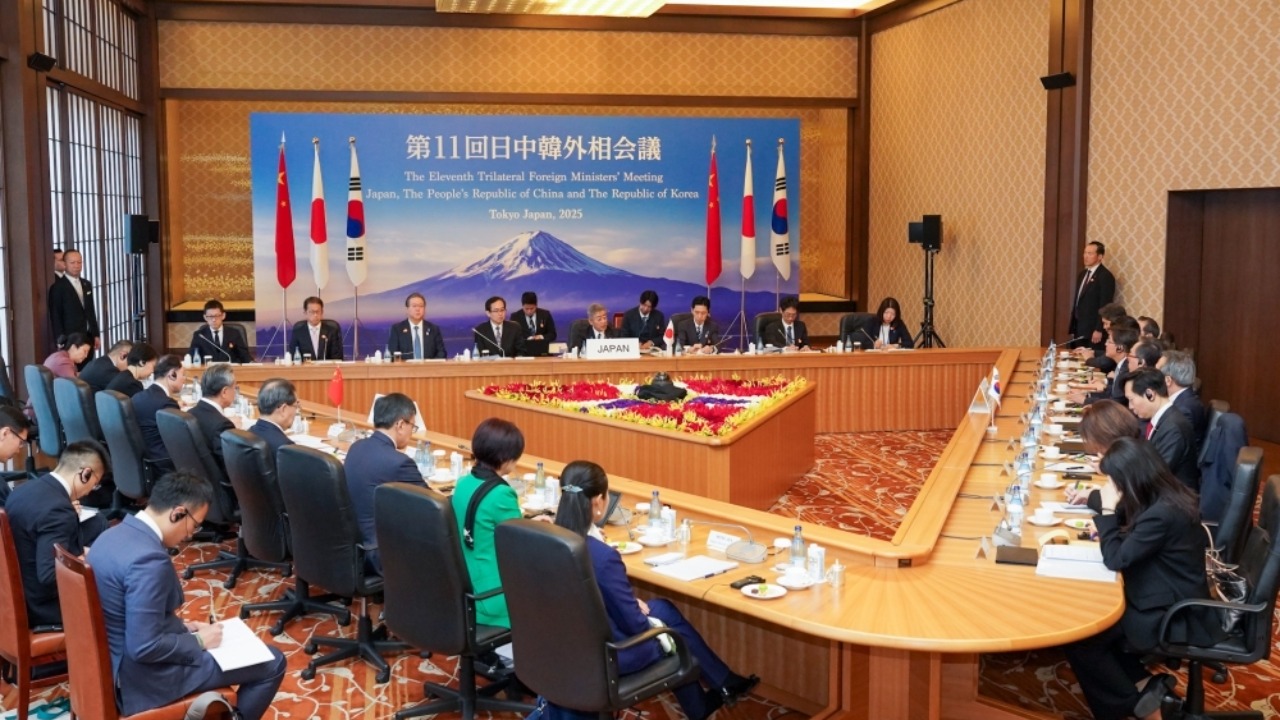
The broader geopolitical implications of this lithium discovery extend beyond mere resource acquisition; they signify a potential shift in global power dynamics. As nations vie for control over critical resources, new alliances and rivalries may emerge, reshaping the geopolitical landscape. The U.S. could leverage its newfound resource to strengthen ties with allies and counterbalance China’s influence in the global market.
Looking ahead, the global race for resource supremacy will likely intensify. As demand for lithium continues to rise, driven by the needs of the technology and energy sectors, nations will need to navigate complex geopolitical terrains. Strategic recommendations for policymakers include fostering international cooperation, investing in sustainable extraction technologies, and developing robust regulatory frameworks. By balancing resource security with international collaboration, nations can ensure a stable and prosperous future in the evolving global economy.
