Recent archaeological advancements have uncovered what may be a lost city beneath the shifting sands of the Sahara Desert. This discovery promises to reshape our understanding of historical trade routes, ancient civilizations, and the geographic transformations that have occurred over millennia.
The Discovery
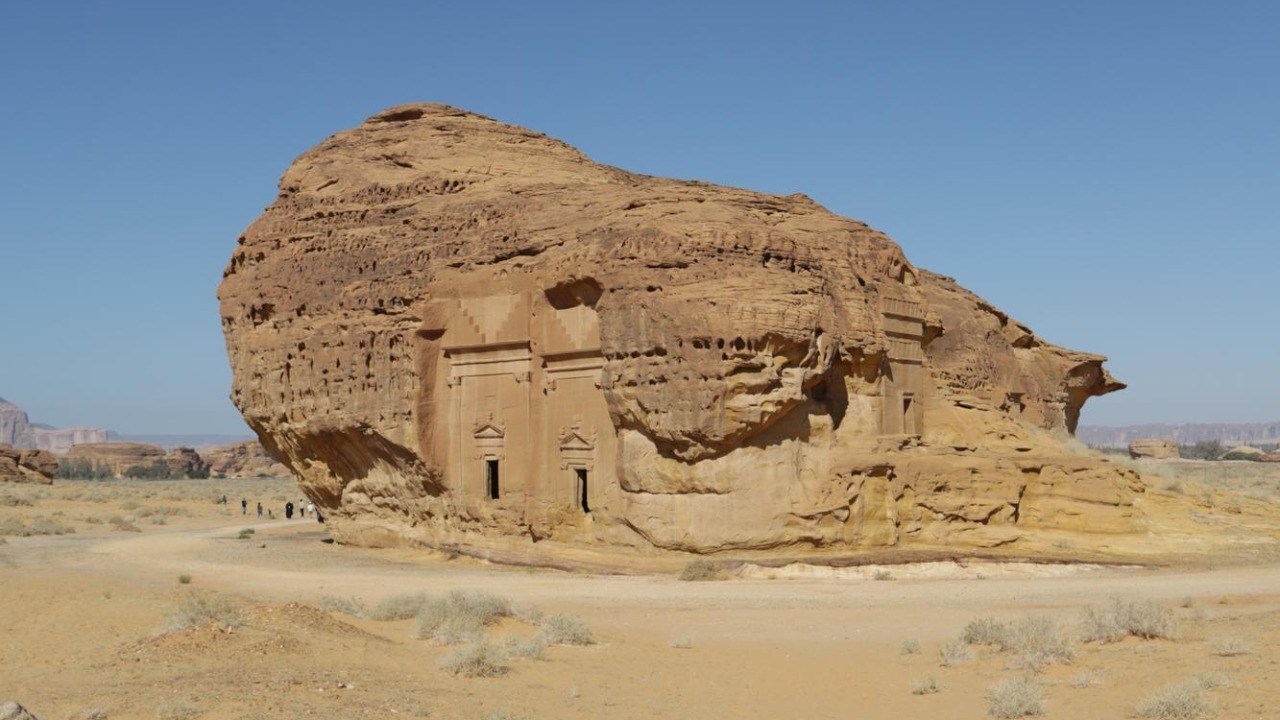
In a groundbreaking revelation, archaeologists have unearthed what could be an ancient city concealed beneath the vast expanse of the Sahara. This remarkable finding was made possible by cutting-edge technologies, including ground-penetrating radar and satellite imagery, which allowed researchers to detect structures hidden beneath layers of sand. These technologies have offered a new lens through which we can view the enigmatic desert, revealing a tapestry of human history previously thought lost to time.
The scientific community has been abuzz with reactions to this discovery, as it challenges long-held beliefs about the region’s history. Historians and archaeologists alike have expressed excitement over the potential insights this city could offer, not only about the Sahara itself but also about connections to other ancient civilizations. The possibility of such a city existing has long been dismissed by skeptics, but these findings have reignited interest and debate within academic circles.
Historical Context
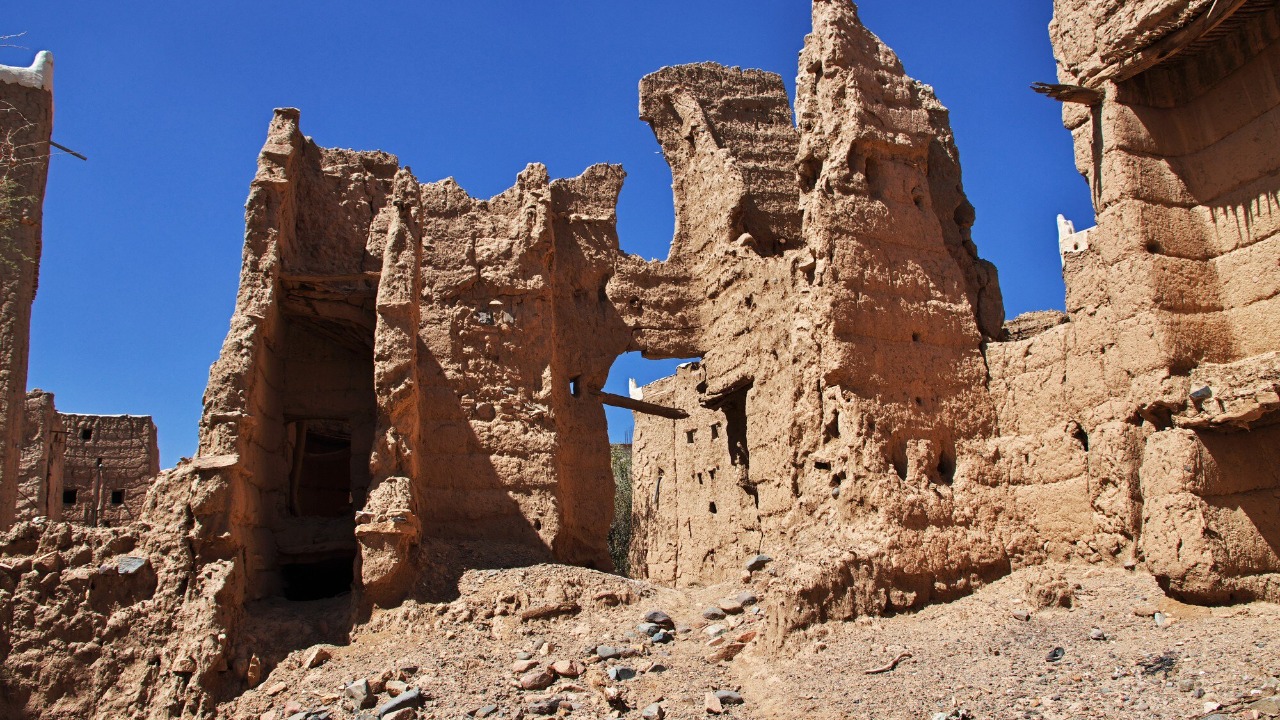
The Sahara has long been a region of intrigue, with ancient trade routes weaving through its harsh landscape, connecting distant civilizations. The city recently discovered may have been a critical node in these networks, facilitating the exchange of goods, ideas, and culture between peoples of Africa, the Mediterranean, and beyond. Such connections could potentially rewrite our understanding of the economic and cultural dynamics of ancient Africa.
Some scholars suggest that this city might be linked to the mythical “Atlantis of the Sands,” a fabled city mentioned in various historical texts and legends. While definitive identification remains elusive, the city’s existence lends credence to tales of thriving civilizations that once inhabited the region. Historical records and oral traditions have hinted at such cities, often dismissed as mere legend, but this discovery may bridge the gap between myth and reality.
The Significance of the Find
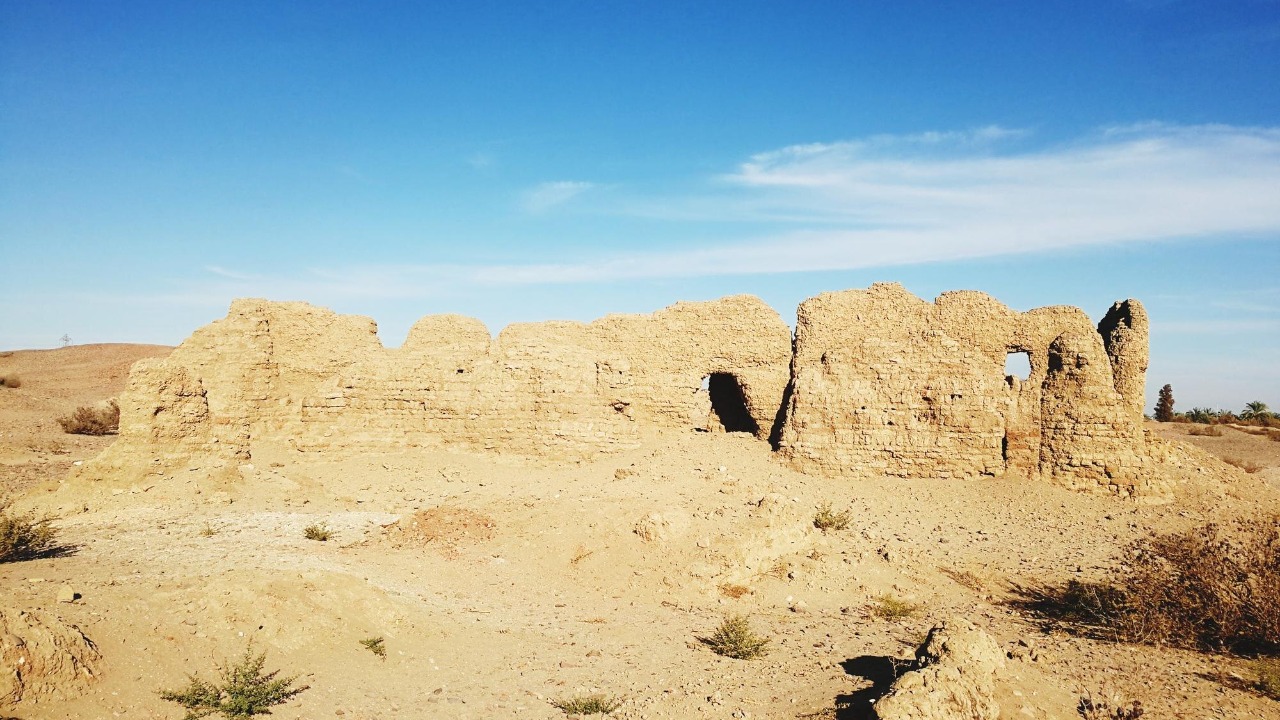
Uncovering this lost city holds immense significance for understanding the daily lives of ancient Saharan inhabitants. The layout of the city, along with artifacts discovered, can provide insights into the social structures, economic activities, and cultural practices of its residents. Such information is invaluable in piecing together the broader narrative of human civilization in this region.
Moreover, the city offers a unique opportunity to study the impact of climate change on ancient societies. The Sahara’s transformation from a lush landscape to a vast desert is one of the most dramatic examples of environmental change, and understanding how its inhabitants adapted could inform current and future climate strategies. The city might also have played a pivotal role in regional or even global trade networks, acting as a hub for commerce and exchange.
Cultural and Archaeological Implications
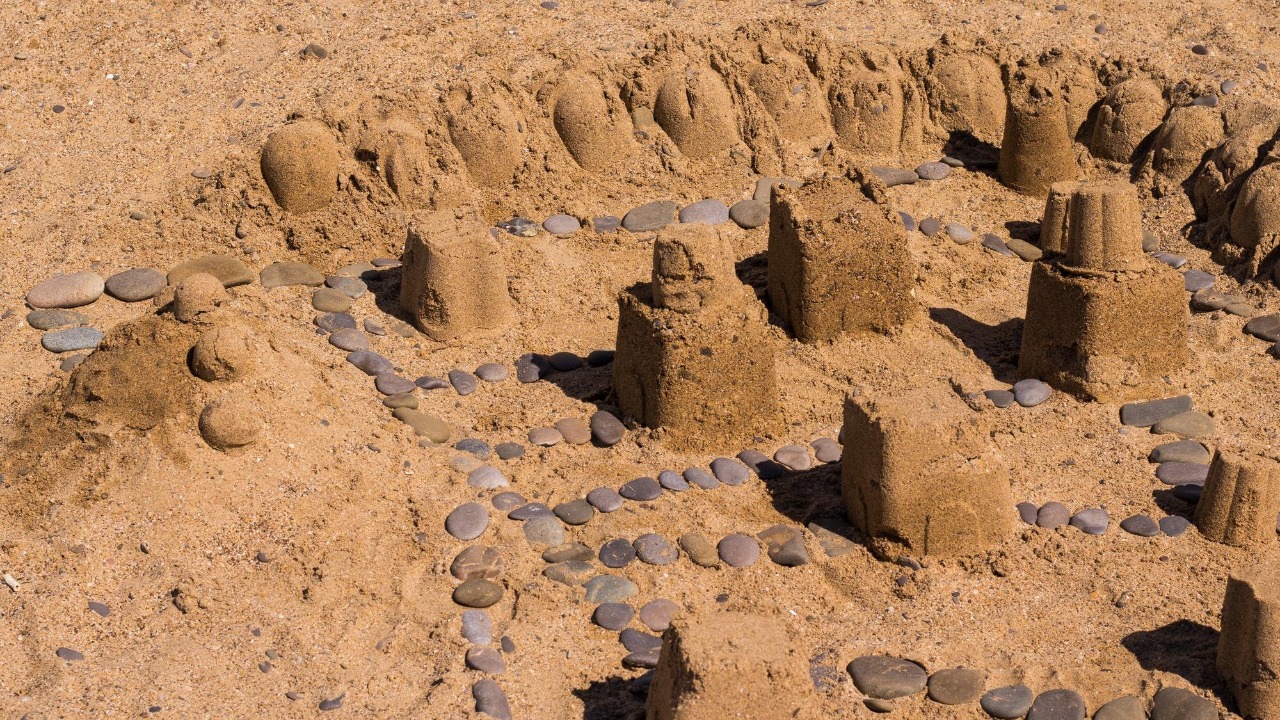
The artifacts and structures found at the site are of tremendous cultural significance. They offer a glimpse into the artistry, technology, and daily life of a civilization that thrived in one of the world’s most challenging environments. However, preserving these artifacts poses significant challenges due to the harsh desert conditions, which threaten the integrity of the site. Archaeologists must employ innovative preservation techniques to ensure that these treasures are not lost to time once again.
This lost city may also have modern cultural implications, influencing contemporary Saharan cultures by providing a deeper understanding of their historical roots. The cultural legacy of such a discovery could inspire new generations to explore and preserve their heritage, fostering a renewed sense of identity and pride.
Future Research and Exploration
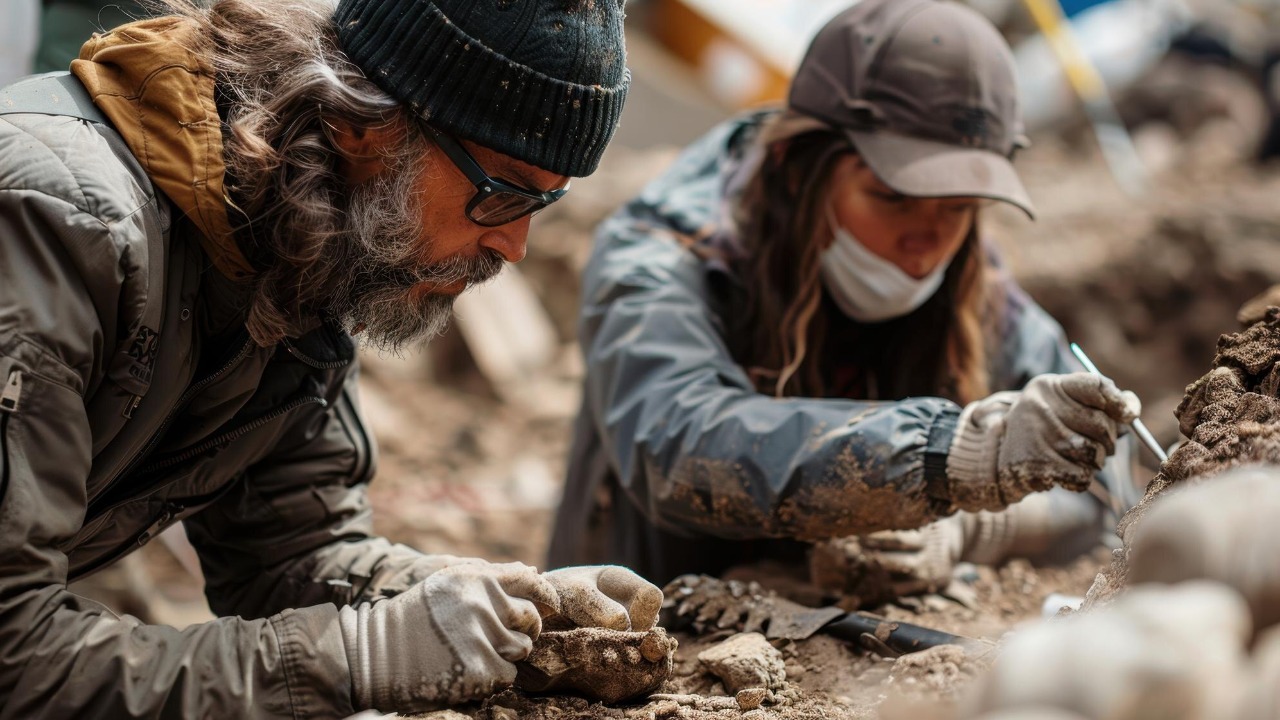
As we look to the future, archaeologists are planning the next steps in the exploration of this enigmatic site. Detailed excavation plans are being developed to further uncover the city’s secrets, with potential collaborations with international institutions and universities on the horizon. Such partnerships will be crucial in bringing together the expertise and resources needed to unravel the mysteries of this lost civilization.
Continued funding and support for archaeological research in the Sahara are essential for the success of these endeavors. The information gleaned from this site could transform our understanding of ancient history, offering lessons that resonate far beyond the desert’s boundaries. As we advance, the hope is that this discovery will encourage more exploration and research, shedding light on the many unknowns of our past.
