The Lockheed D-21, a high-speed, high-altitude drone, was an unmanned variant of the illustrious SR-71 Blackbird. The following exploration delves into the intriguing design, development, and deployment of this unique aircraft, revealing how it helped shape the landscape for modern unmanned vehicles.
The Origin and Design of Lockheed D-21
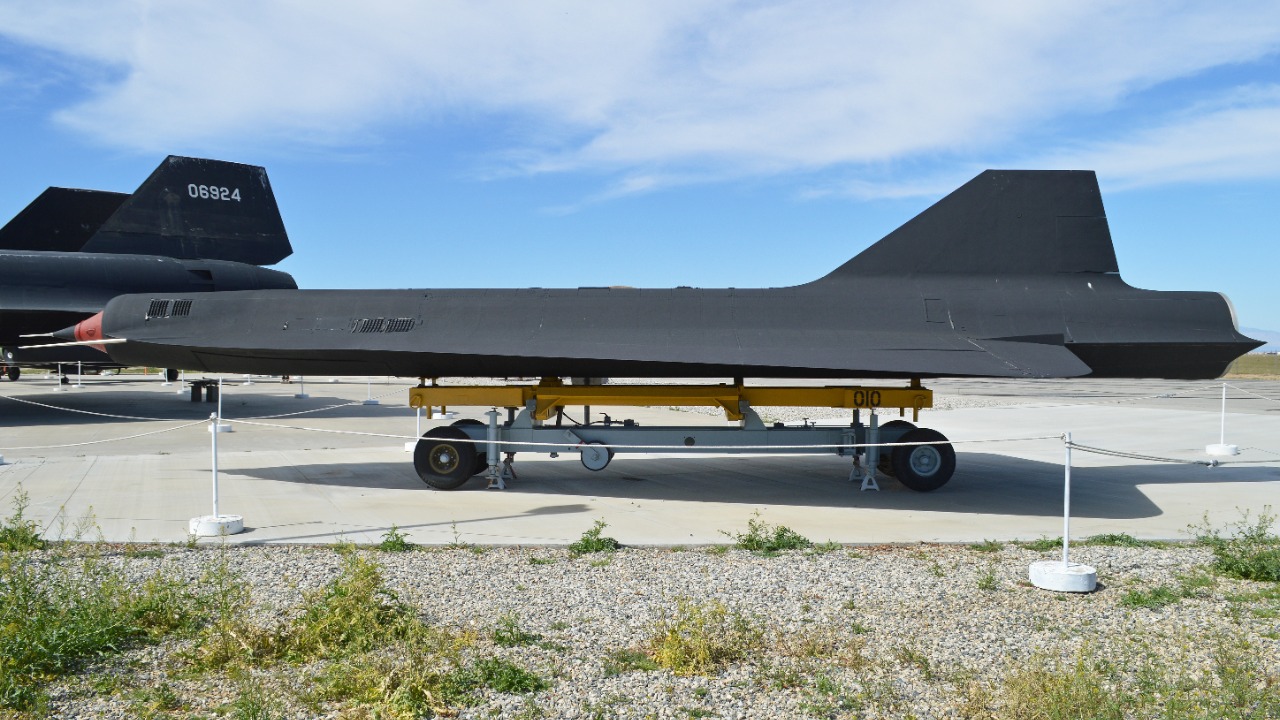
The D-21 drone was initially conceived as a variant of the SR-71 Blackbird, a high-speed, high-altitude manned aircraft. However, the D-21 was designed to be unmanned, capable of autonomous flight. This innovative concept was driven by the need for a vehicle that could perform high-risk reconnaissance missions without endangering human lives. The D-21 was an evolution of the SR-71 Blackbird’s design, but with distinct differences.
One of the unique design elements of the D-21 was its engine, a Marquardt RJ43-MA-11 ramjet. Unlike traditional jet engines, a ramjet operates by subsonic combustion of fuel in a stream of air compressed by the forward speed of the aircraft itself. This design facilitated the D-21’s high-speed, high-altitude capabilities, allowing it to cruise at speeds of over Mach 3 and altitudes of 90,000 feet. The D-21’s airframe was also made of titanium, which was both lightweight and resistant to the high temperatures generated at high speeds.
Developmental Challenges and Achievements
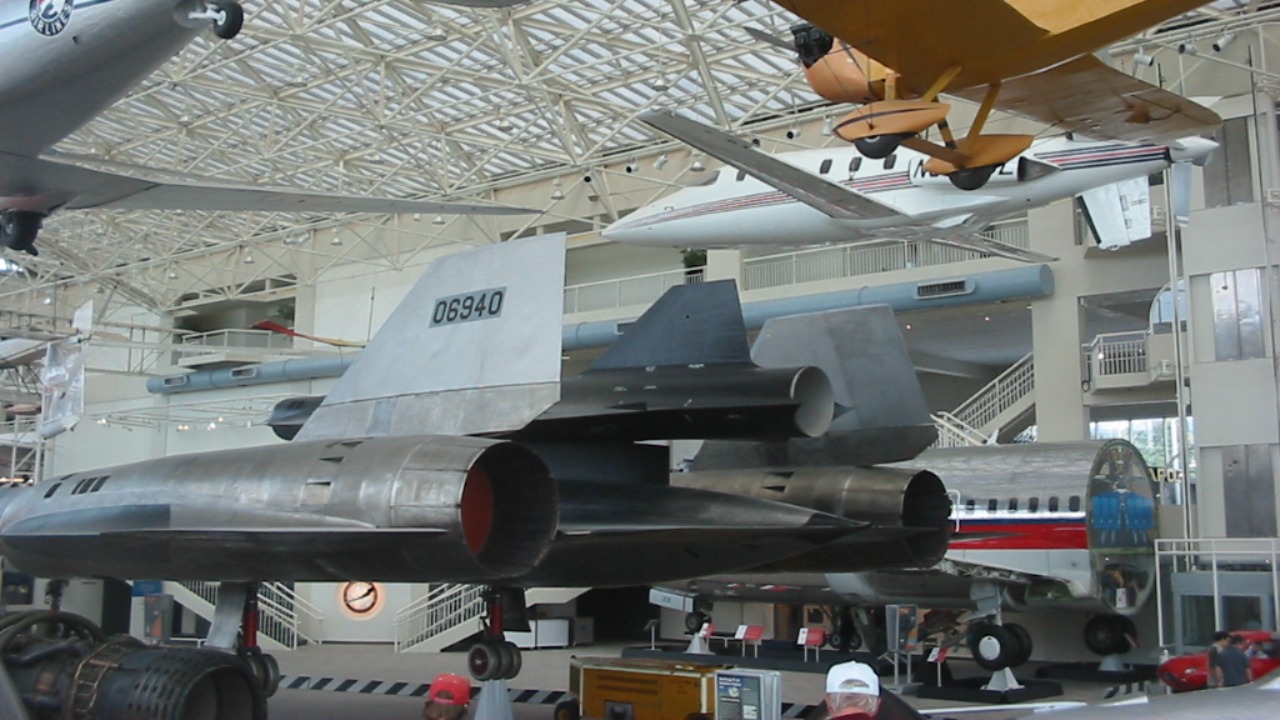
The development of the D-21 was not without its share of challenges. The drone’s high-speed, high-altitude capabilities required sophisticated guidance and flight control systems. Moreover, the use of a ramjet engine required the D-21 to be launched from a high-speed, high-altitude platform, such as the SR-71 or a specially modified B-52 bomber. This presented significant logistical and engineering problems.
Despite these challenges, the development of the D-21 resulted in several notable achievements. The drone’s autonomous flight control system, for instance, was a significant advancement in drone technology at the time. The D-21’s unique launch system, where it was dropped from a modified B-52 bomber and then ignited its ramjet engine, was also a remarkable engineering feat. These achievements not only made the D-21 a groundbreaking drone for its time, but also laid the groundwork for future developments in unmanned vehicle technology.
Operational History of the D-21
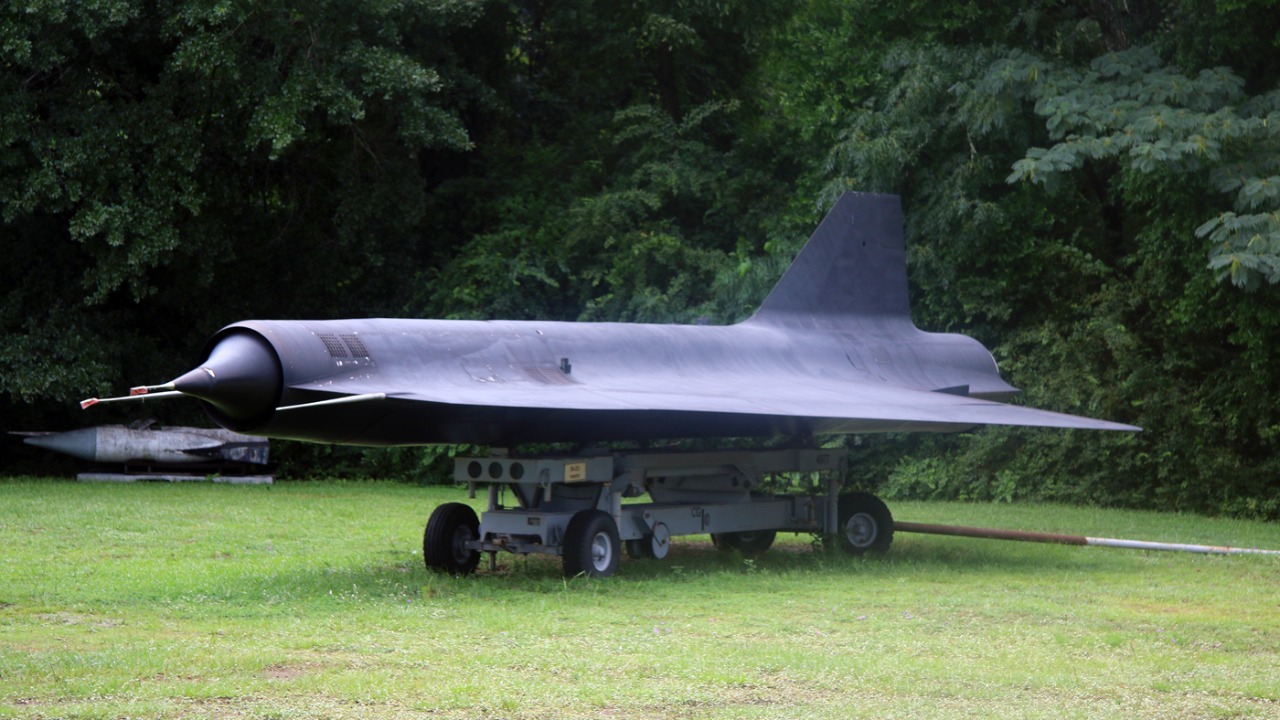
The D-21’s first flight took place in 1964, and it was used in several reconnaissance missions over the following decade. However, the drone’s operational history was mixed, with a number of successes and failures. A notable success was a mission over China in 1971, where the D-21 successfully returned valuable reconnaissance data. On the other hand, the D-21 program suffered several setbacks, including crashes and lost drones, which eventually led to its cancellation in 1971.
Despite the challenges, the D-21’s operational history is a testament to its innovative design and capabilities. The drone’s ability to fly at high speeds and altitudes, combined with its autonomous flight control system, made it a valuable asset for reconnaissance missions. It was a trailblazer, setting the stage for the development of high-speed, high-altitude drones in the future.
The D-21’s Role in Cold War Espionage
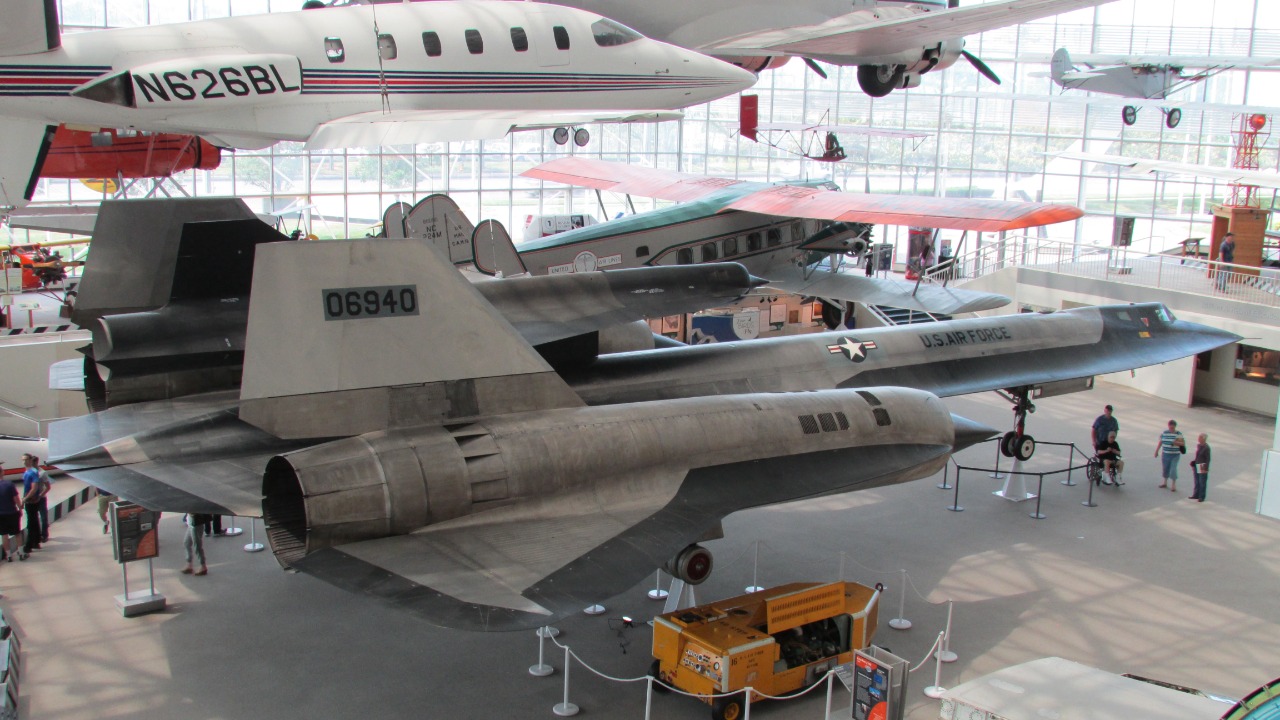
During the Cold War, the D-21 served a crucial role as a spy drone. Its high-speed, high-altitude capabilities made it an ideal platform for reconnaissance missions over hostile territory. The D-21’s missions, often flown over the Soviet Union and China, provided valuable intelligence that contributed to US strategic planning during this tense period.
The impact of the D-21’s missions on US-Soviet relations during the Cold War is difficult to quantify, but it’s clear that the drone’s capabilities added a new dimension to the espionage game. The D-21’s high-speed, high-altitude missions undoubtedly put pressure on the Soviets to develop their own countermeasures, contributing to the technological arms race of the era.
The Legacy of the D-21 and its Influence on Modern Drone Technology
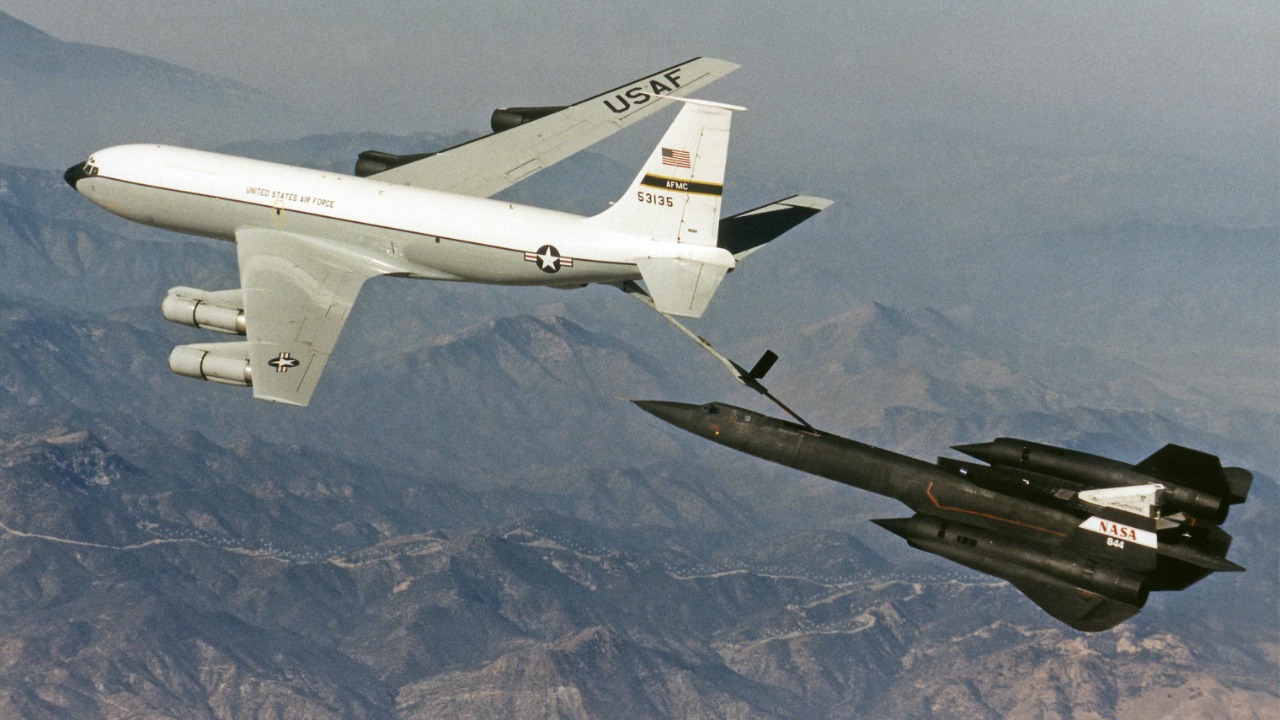
The D-21’s influence on modern drone technology is significant. As one of the first high-speed, high-altitude drones, it set a precedent for future developments in unmanned vehicle technology. The D-21’s autonomous flight control system, in particular, paved the way for the development of today’s sophisticated drones, which can perform complex tasks autonomously.
Examples of modern drones that have been influenced by the D-21 include the Global Hawk and the Predator, both of which incorporate elements of the D-21’s design and capabilities. The legacy of the D-21 is also evident in the continued development of high-speed, high-altitude drones, such as the Lockheed Martin SR-72, which is touted as the successor to both the SR-71 and the D-21.
