
Lockheed Martin has proposed a plan to increase the combat-ready F-22 Raptor fleet by 32 jets, a significant boost to the U.S. military’s air capabilities. This initiative aims to enhance the operational capacity of the F-22 fleet, which plays a crucial role in maintaining air superiority. Lockheed’s proposal comes amidst evolving global security challenges.
Lockheed Martin’s Proposal
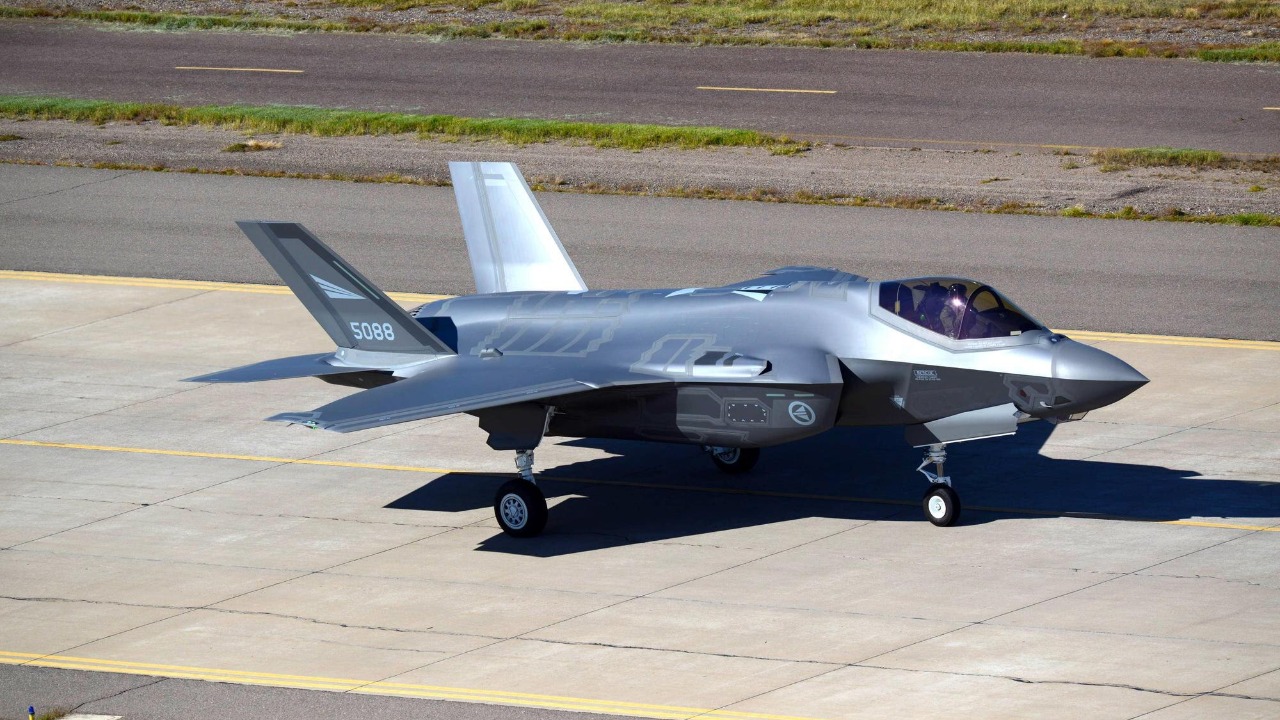
Lockheed Martin has outlined a comprehensive strategy to bolster the F-22 Raptor fleet by adding 32 combat-ready jets. This plan is designed to address the current limitations in the fleet’s size and enhance the U.S. Air Force’s ability to project power globally. The proposal includes upgrading existing aircraft and potentially reactivating stored jets to meet the increased demand for air superiority missions. According to Lockheed Martin, this expansion is crucial for maintaining the technological edge of the U.S. military in aerial combat scenarios.
The implementation timeline for this ambitious plan is expected to span several years, with initial phases focusing on assessing the condition of stored aircraft and upgrading them to current operational standards. Lockheed Martin anticipates potential challenges, including logistical hurdles in sourcing parts and the need for skilled personnel to carry out the upgrades. The company is working closely with the U.S. Department of Defense to ensure a smooth execution of the plan, although specific timelines and milestones have yet to be publicly detailed.
Financially, Lockheed Martin’s plan involves significant investment, with funding sources expected to include both government allocations and private investments. The exact financial details remain under discussion, but the company has indicated that the cost will be justified by the enhanced capabilities and readiness of the expanded fleet. This investment is seen as a necessary step to maintain the U.S. Air Force’s competitive advantage in the face of growing global threats.
In addition to the technical upgrades, Lockheed Martin is exploring partnerships with other defense contractors to streamline the production and integration processes. These collaborations aim to leverage specialized expertise and resources, potentially accelerating the timeline for bringing the additional jets into service. The company is also considering advancements in manufacturing technologies, such as additive manufacturing, to reduce costs and improve the efficiency of producing complex components required for the F-22.
Significance of the F-22 Raptor Fleet
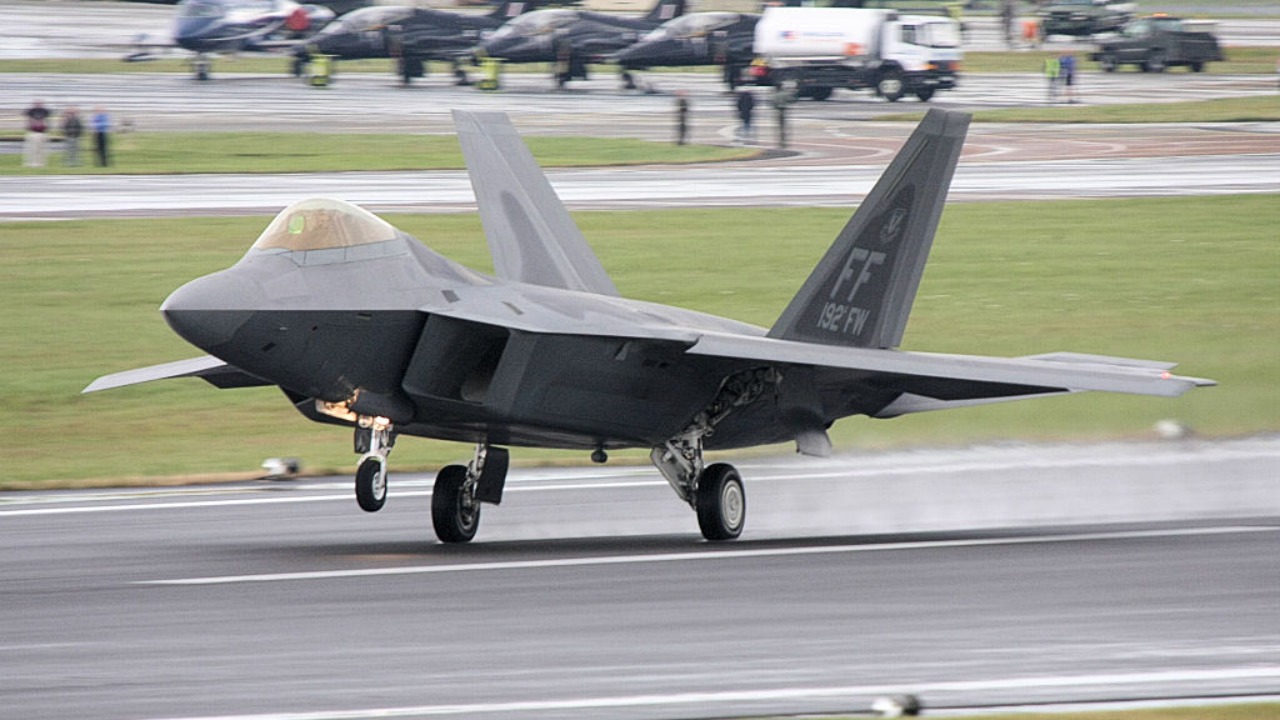
The F-22 Raptor is a cornerstone of the U.S. military’s air superiority strategy, renowned for its stealth capabilities, advanced avionics, and unmatched maneuverability. As one of the most advanced fighter jets in the world, the F-22 plays a critical role in deterring potential adversaries and ensuring the U.S. maintains control of the skies. The proposed increase in the fleet size by 32 jets is expected to significantly enhance the operational readiness and strategic flexibility of the U.S. Air Force.
Currently, the F-22 fleet faces limitations due to its relatively small size and the high operational demands placed on each aircraft. The addition of 32 combat-ready jets would alleviate some of these pressures, allowing for more effective deployment and maintenance cycles. This expansion is particularly important given the increasing complexity of global military engagements and the need for rapid response capabilities.
Increasing the F-22 fleet by 32 jets is anticipated to have a profound impact on U.S. national security and the global military balance. By enhancing the U.S. Air Force’s ability to project power and maintain air superiority, the expanded fleet will serve as a deterrent to potential adversaries and reassure allies of the U.S.’s commitment to collective defense. This move is likely to influence military strategies and force postures worldwide, as other nations assess their own capabilities in response.
The F-22’s advanced radar and sensor systems provide unparalleled situational awareness, allowing pilots to detect and engage threats at greater distances than many adversary aircraft. This capability is crucial in modern combat scenarios where electronic warfare and stealth technology play significant roles. The expansion of the fleet will further enhance these capabilities, ensuring that the U.S. Air Force remains at the forefront of aerial combat technology.
Challenges and Considerations
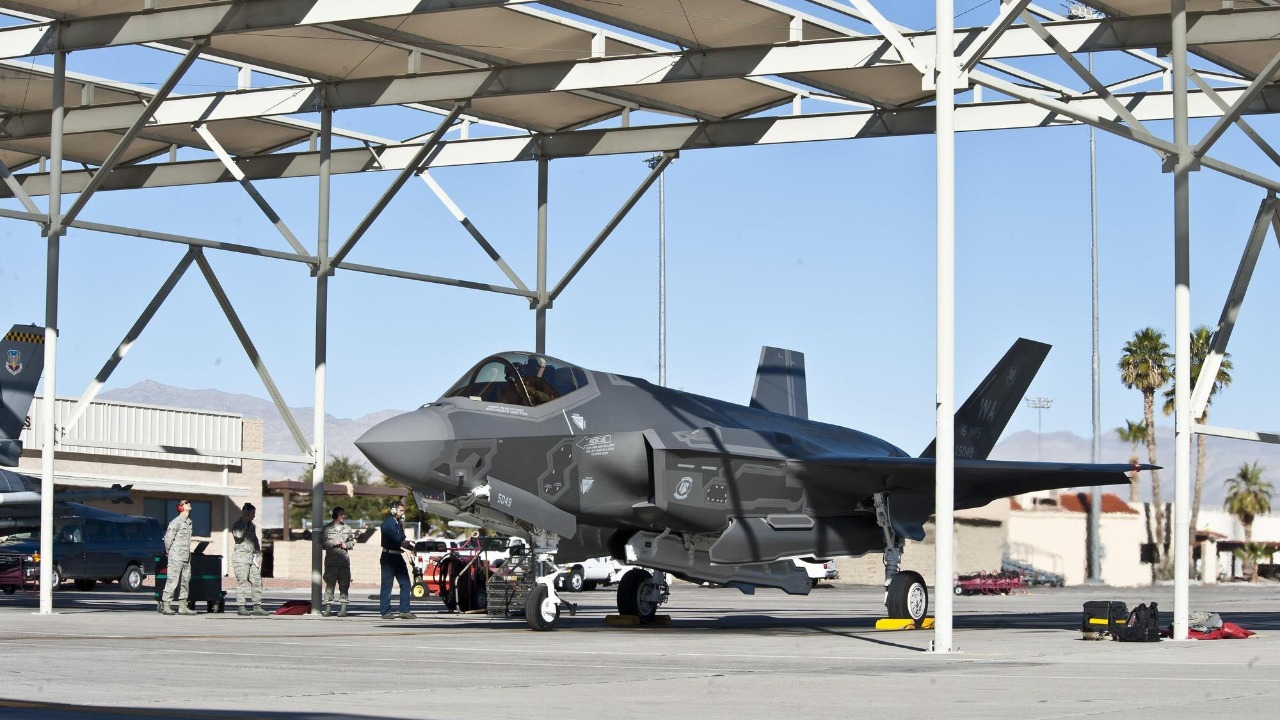
Executing Lockheed Martin’s plan to expand the F-22 fleet involves several logistical and technical challenges. One of the primary concerns is the availability of parts and the need for specialized maintenance to bring stored aircraft back to operational status. Additionally, the integration of upgraded systems into existing jets requires careful planning and execution to ensure compatibility and performance standards are met.
The role of government and military stakeholders is crucial in facilitating the progress of this plan. Coordination between Lockheed Martin, the U.S. Department of Defense, and other relevant agencies is essential to address potential bureaucratic and regulatory hurdles. The success of the expansion depends on effective collaboration and support from these stakeholders, who must balance the immediate needs of the military with long-term strategic goals.
Environmental and political considerations also play a role in the expansion of the F-22 fleet. The production and operation of additional jets have environmental impacts that must be managed, including emissions and resource consumption. Politically, the decision to expand the fleet may face scrutiny from both domestic and international observers, who may question the necessity and implications of such a move in the current geopolitical climate.
Another significant challenge is the training and retention of skilled personnel required to operate and maintain the expanded fleet. The U.S. Air Force will need to invest in comprehensive training programs to ensure that pilots and maintenance crews are fully prepared to handle the complexities of the F-22. This includes not only technical training but also strategic exercises to integrate the new jets into existing combat operations effectively.
Expert Opinions and Reactions
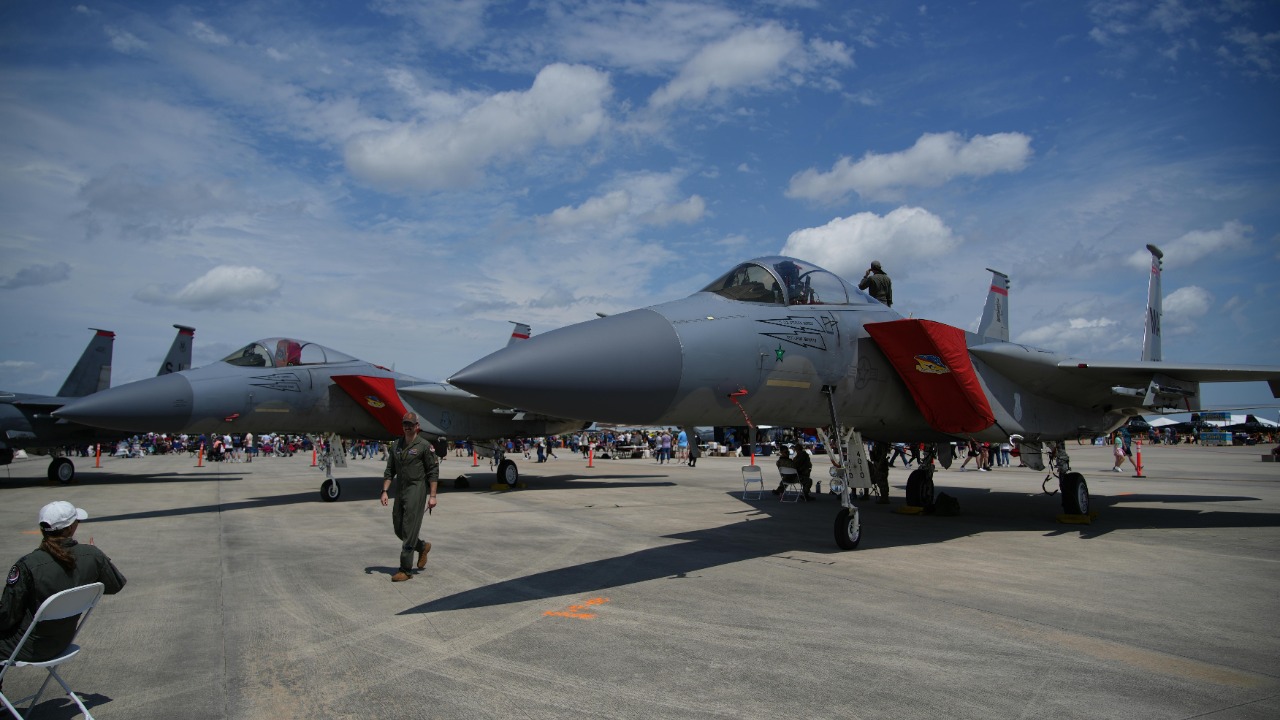
Military experts have weighed in on Lockheed Martin’s proposal, offering a range of insights and opinions. Some experts emphasize the strategic necessity of expanding the F-22 fleet to counter emerging threats and maintain technological superiority. They argue that the investment in additional jets is justified by the enhanced capabilities and deterrence value they provide. Others caution that the plan must be carefully managed to avoid cost overruns and ensure that the expanded fleet meets operational requirements.
Reactions from policymakers and international observers have been mixed, with some expressing support for the plan as a necessary step to bolster national defense. Others have raised concerns about the potential for escalating military tensions and the impact on global arms dynamics. The proposal has sparked discussions about the balance between maintaining a strong defense posture and pursuing diplomatic solutions to international conflicts.
Historically, military aircraft expansions have been pivotal in shaping the capabilities and strategies of the U.S. Air Force. Comparisons to previous expansions highlight the importance of careful planning and execution to achieve desired outcomes. Lessons learned from past initiatives can inform the current proposal, ensuring that the expanded F-22 fleet effectively enhances the U.S. military’s operational readiness and strategic flexibility.
