In the annals of aviation history, we often find aircraft that, despite their remarkable design and performance, were retired not due to any operational shortcomings but simply due to the inexorable passage of time. Let’s delve into the captivating stories of these flying wonders, their groundbreaking features, and the circumstances that led to their premature retirement.
The BAC TSR-2: A High-Performance British Bomber That Never Saw Combat
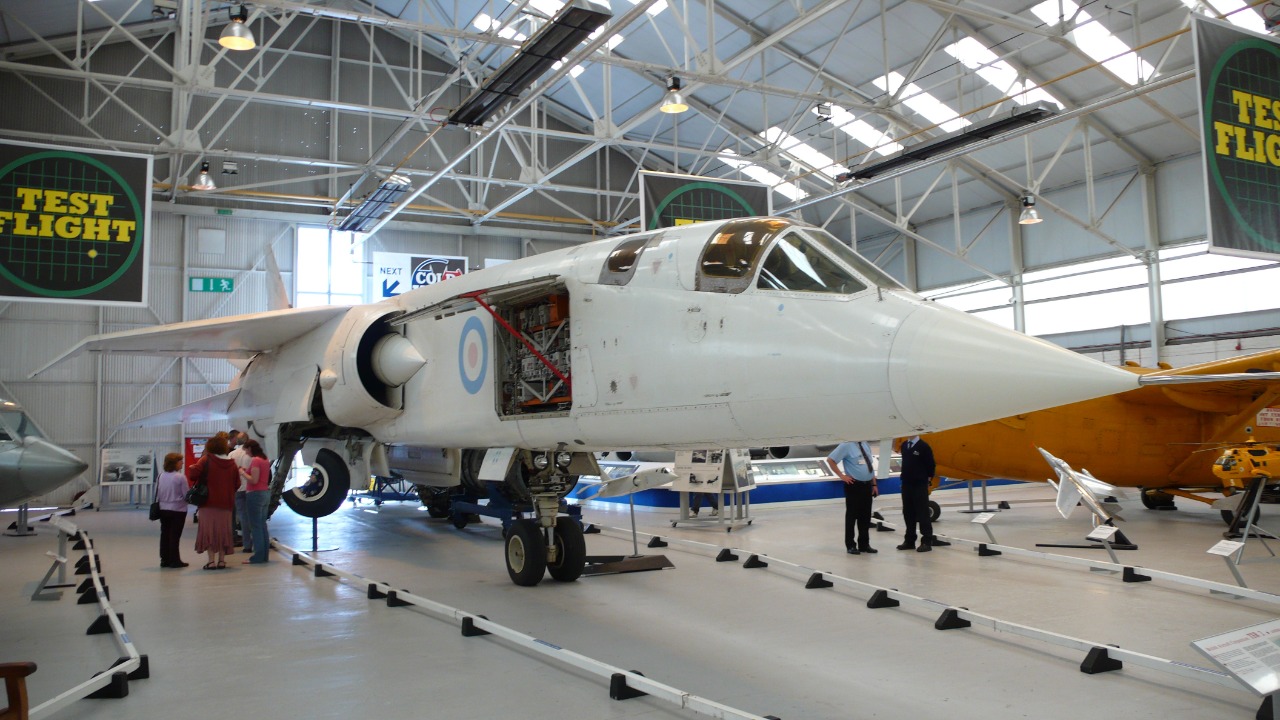
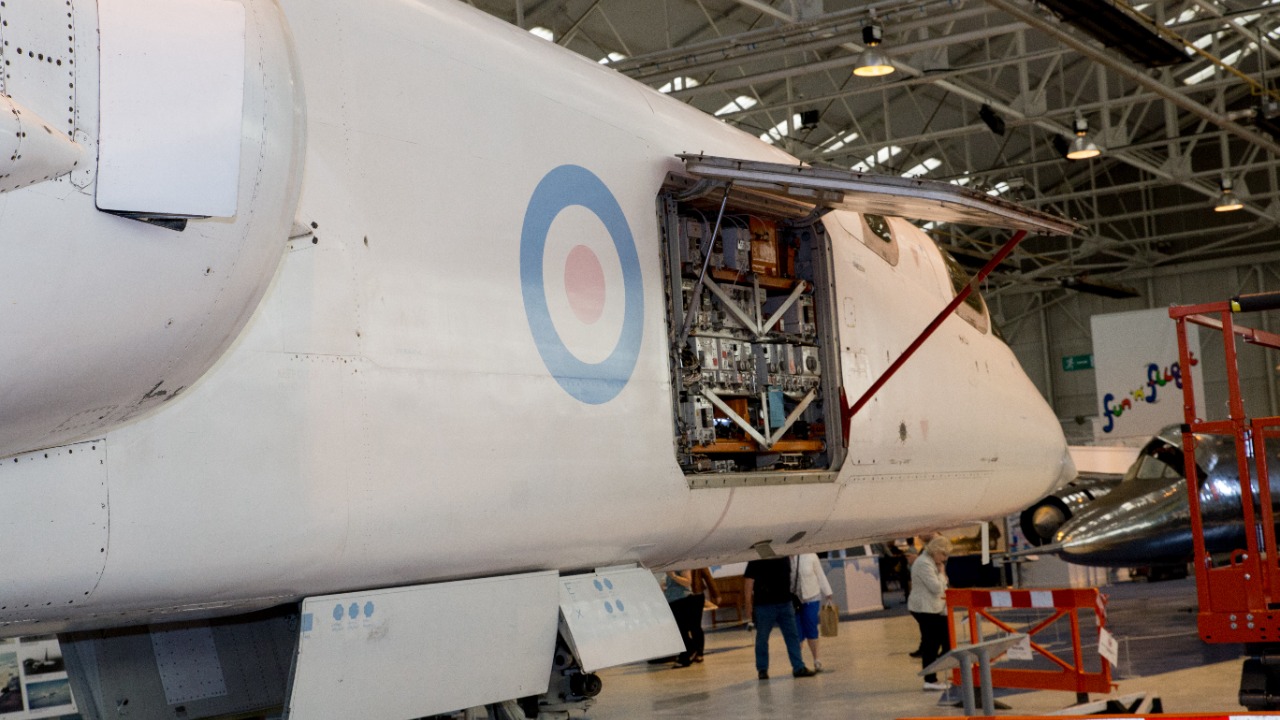
The BAC TSR-2 was conceived as a high-speed, low-altitude strike and reconnaissance aircraft designed to replace the English Electric Canberra in the Royal Air Force. Its innovative design and cutting-edge technology, including advanced avionics and terrain-following radar, promised a game-changing leap in aerial warfare capabilities.
However, the TSR-2’s journey from the drawing board to the battlefield was fraught with political and financial hurdles. The development costs skyrocketed, and the project was cancelled before the aircraft could enter service. Despite its untapped potential, the TSR-2 became a symbol of the struggles faced by the British aviation industry in the post-war period.
The Avro Arrow: A Canadian Marvel Grounded by Politics
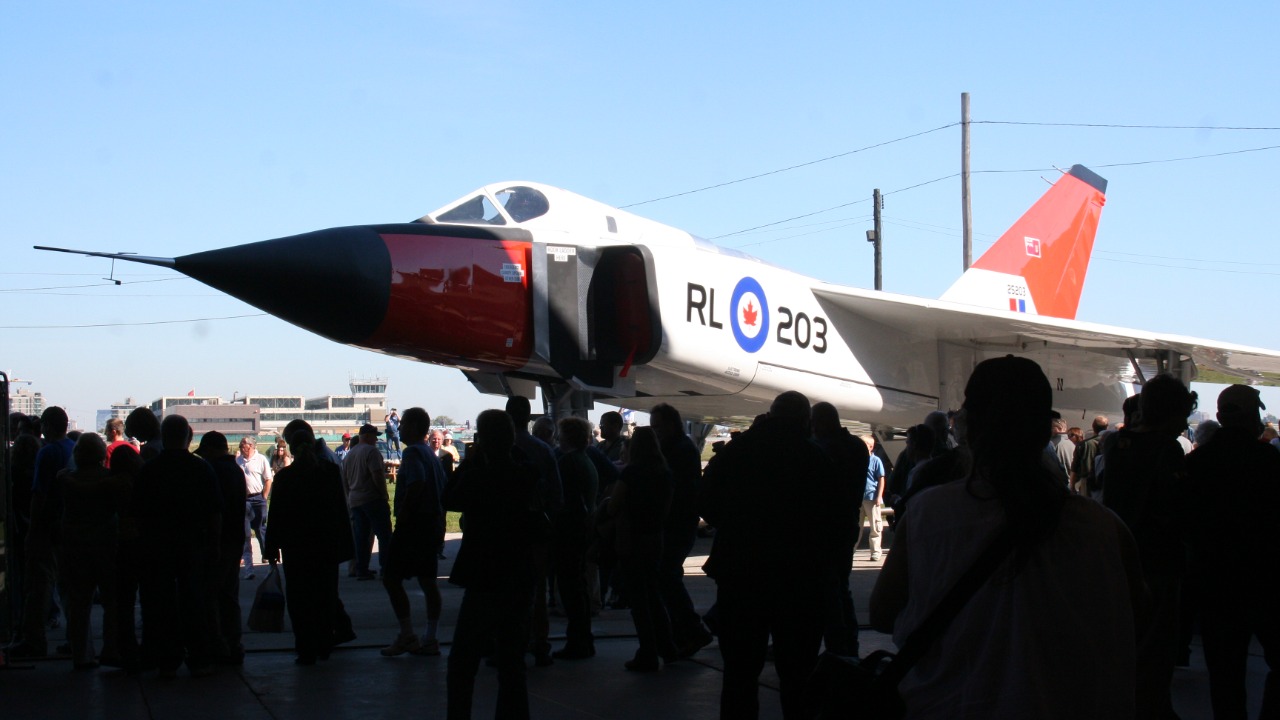
The Avro Arrow, a Canadian built interceptor, represented a significant leap forward in aviation technology. Its advanced design and superior speed and altitude capabilities promised to give Canada an edge in the Cold War era. The aircraft’s delta wing design and powerful engines allowed it to reach speeds of up to Mach 2, making it one of the fastest aircraft of its time.
However, the Arrow project was controversially cancelled in 1959. The decision was influenced by a combination of political and financial factors, including budget constraints and a shift in defense strategy towards missile systems. The cancellation of the Arrow remains a contentious issue in Canadian history, symbolizing the challenges faced by innovative technologies in the face of political and economic realities.
Unsung Heroes: Other Brilliant Aircraft Lost to Time
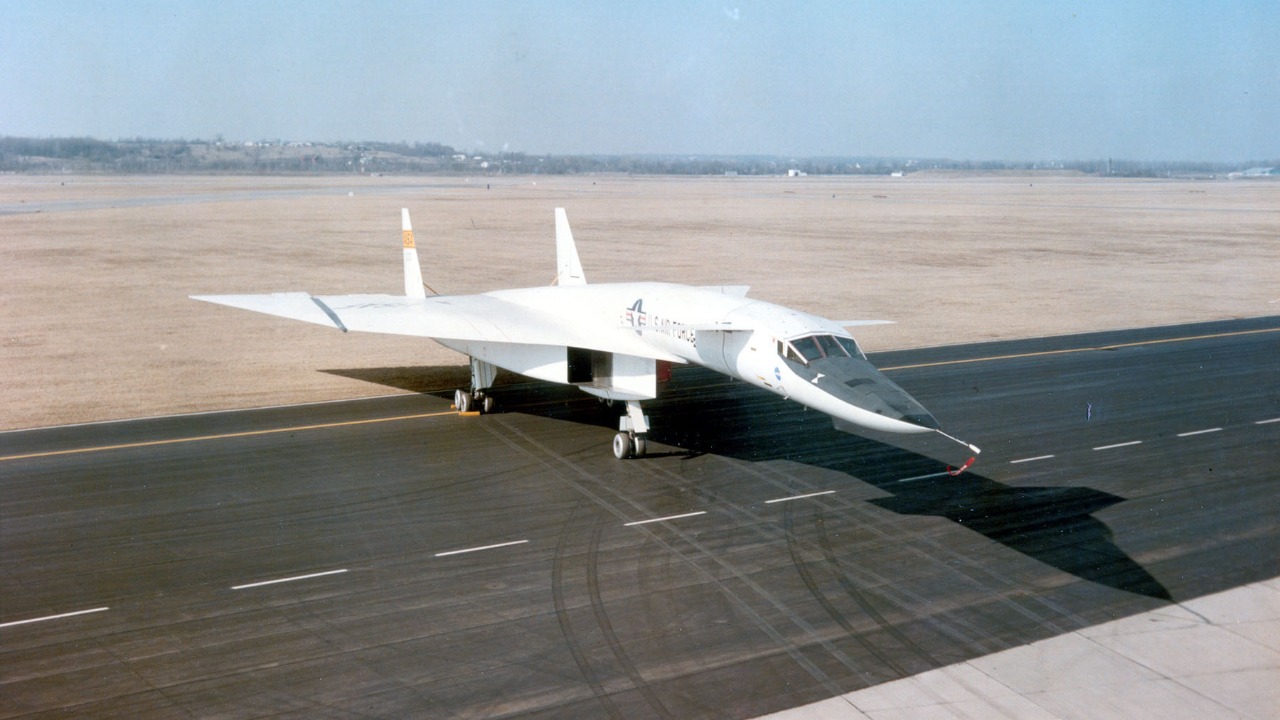
Apart from the BAC TSR-2 and the Avro Arrow, there are many other lesser-known aircraft that were ahead of their time but didn’t make it to widespread use. These include the North American XB-70 Valkyrie, a high-speed, high-altitude bomber designed to fly at three times the speed of sound, and the Republic XF-12 Rainbow, a recon aircraft that boasted one of the most aerodynamically efficient designs of its time.
While these aircraft showcased innovative features and capabilities, they were ultimately retired due to a variety of factors. These include shifting military strategies, budget constraints, and rapid advancements in technology. Their stories serve as a reminder of the often-overlooked role of non-technical factors in shaping the course of aviation history.
Impact on Modern Aviation: How These Aircraft Shaped Today’s Technology
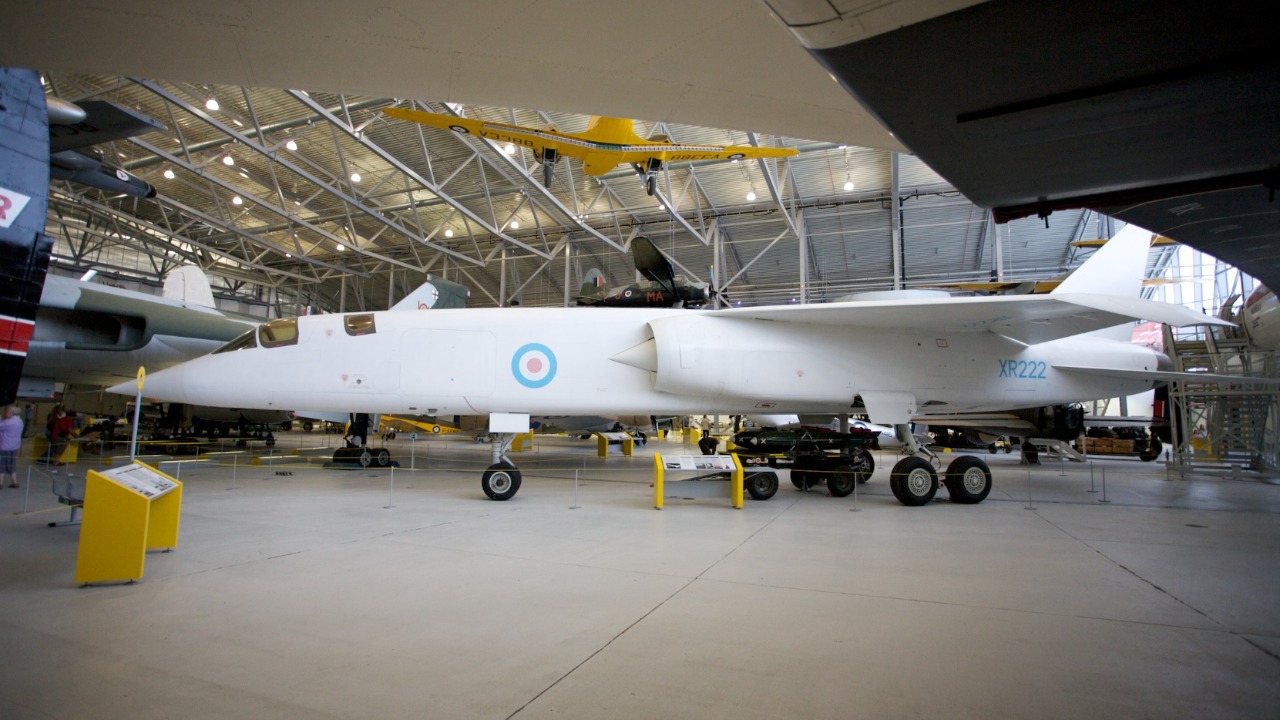
The influence of these retired aircraft can still be seen in modern aviation technology. The innovative designs and advanced features of aircraft like the BAC TSR-2 and the Avro Arrow have contributed to the development of today’s high-performance military and commercial aircraft. For example, the terrain-following radar first used in the TSR-2 is now a standard feature in many modern fighter jets.
Even though these aircraft didn’t see active service, they had a significant impact on military strategy and tactics. They demonstrated the potential of high-speed, high-altitude operations, influencing the development of future aircraft and shaping the way air forces operate around the world.
A Look to the Future: Can History Repeat Itself?
As we look to the future, it’s worth considering the risk of innovative aircraft being retired due to non-technical factors. Political, financial, and other non-technical factors continue to play a significant role in the development and deployment of new aviation technologies.
Current trends in aviation technology suggest that the pace of innovation is unlikely to slow down. However, the lessons from history remind us of the need for strategies to prevent the premature retirement of innovative aircraft. In an industry where technological advancements can be a matter of national security, it’s crucial to strike a balance between innovation and practicality.
