
Laser-based wireless charging has transitioned from a futuristic concept to a tangible reality, promising a significant transformation in how we power our devices. Recent advancements have enabled the safe transmission of power over distances up to 100 feet using infrared lasers. The technology’s potential impact on consumer electronics and beyond is substantial, offering a new era of convenience and efficiency in powering devices.
The Technology Behind Laser-Based Wireless Charging

At the core of laser-based wireless charging is the fundamental principle of using infrared lasers to transmit energy over long distances. Unlike traditional charging methods that rely on conductive or inductive connections, this technology employs beams of light to transfer energy wirelessly. The laser emits a beam that is captured by a photovoltaic cell on the receiving device, which then converts the light into electrical power. This process allows for a seamless and efficient power transfer, eliminating the need for physical connectors.
To ensure the safety of users, the technology incorporates several safety measures and regulations. These include automatic shut-off features if the beam’s path is obstructed by a person or object, ensuring that the laser does not cause harm. Regulatory bodies are actively involved in setting standards to make sure the technology is safe for consumer use, addressing concerns around exposure to laser beams and the potential for accidents. The efficiency of this technology is also noteworthy, with advanced systems achieving high conversion rates, turning a significant portion of the laser energy into usable power.
Current Applications and Use Cases

Laser-based wireless charging has the potential to revolutionize consumer electronics by providing a more versatile and convenient charging solution for devices such as smartphones and tablets. Imagine a world where your devices charge automatically as you move around your home or office, without the need for cables or charging pads. This flexibility could greatly enhance user experience by eliminating the need for wired connections and providing a constant power supply.
Beyond consumer electronics, the technology holds promise for industrial and commercial applications. In manufacturing and warehousing, where mobility is often required, laser-based charging could provide a reliable power source for robots and other mobile equipment. The healthcare sector could also benefit significantly, with the potential to power medical devices and equipment wirelessly, reducing the clutter of cables in clinical settings and enhancing the ease of equipment sterilization and mobility.
Comparison with Traditional Wireless Charging
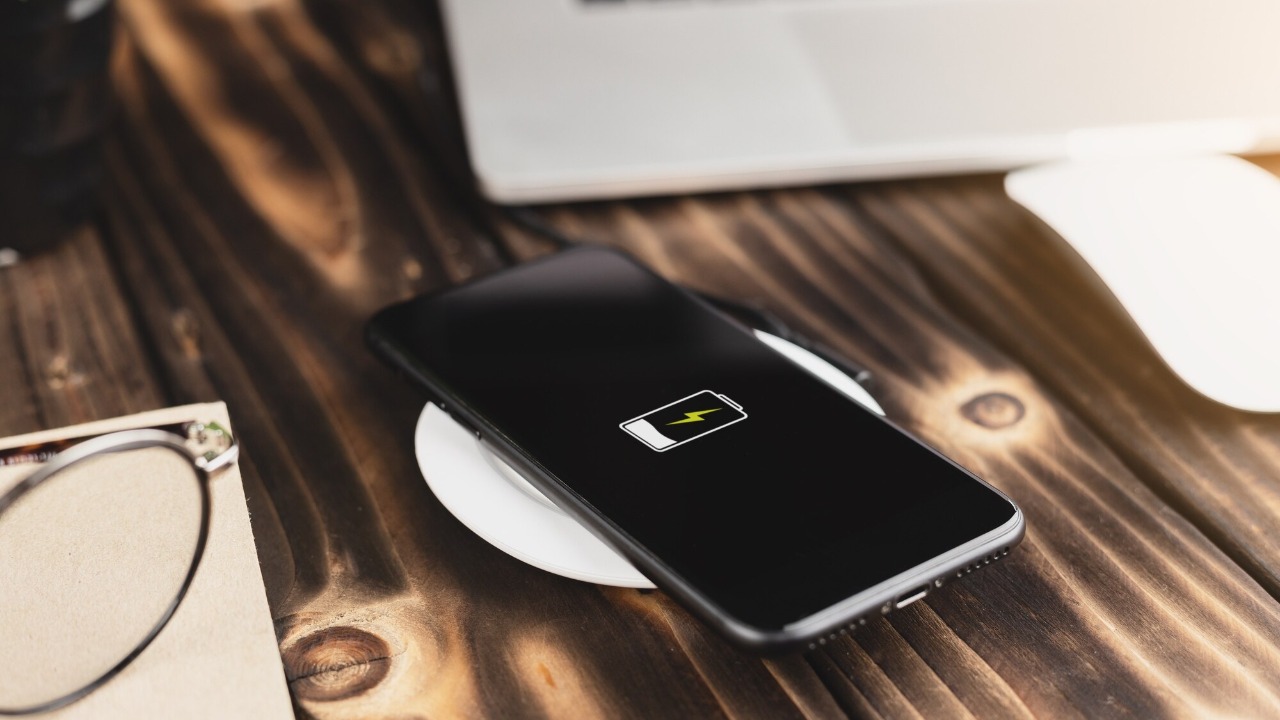
Compared to traditional Qi wireless charging, laser-based systems offer a much greater range and flexibility. Qi charging typically requires close proximity to a charging pad, limiting its usefulness in many scenarios. In contrast, laser-based charging can extend over distances up to 100 feet, giving users the freedom to move around a room or workspace without losing a charge. This extended range opens up new possibilities for how and where we can charge our devices.
When it comes to charging speed and efficiency, laser-based technology also shows promise. While traditional wireless charging methods have improved, they still lag behind in terms of power transfer rates. Laser-based systems have the potential to deliver faster charge times by efficiently converting laser energy into electricity. Additionally, the overall user experience is enhanced by the convenience of not having to manually connect devices to a charger, offering a seamless transition to a truly wireless lifestyle.
Market Potential and Industry Impact

The market potential for laser-based wireless charging is immense, with growth projections indicating a significant rise in adoption across various sectors. According to industry experts, the technology is set to become a key player in the next generation of consumer tech, driving economic growth and creating new business opportunities. The competitive landscape is rapidly evolving, with several companies investing heavily in research and development to advance this technology.
Opportunities for innovation abound, as laser-based charging could lead to advancements not only in consumer electronics but also in sectors such as automotive, aerospace, and defense. The ability to wirelessly power vehicles or drones over long distances could revolutionize these industries, offering new capabilities and efficiencies. As the technology matures, we can expect to see a wave of innovation that will reshape how we think about power and connectivity.
Challenges and Future Developments
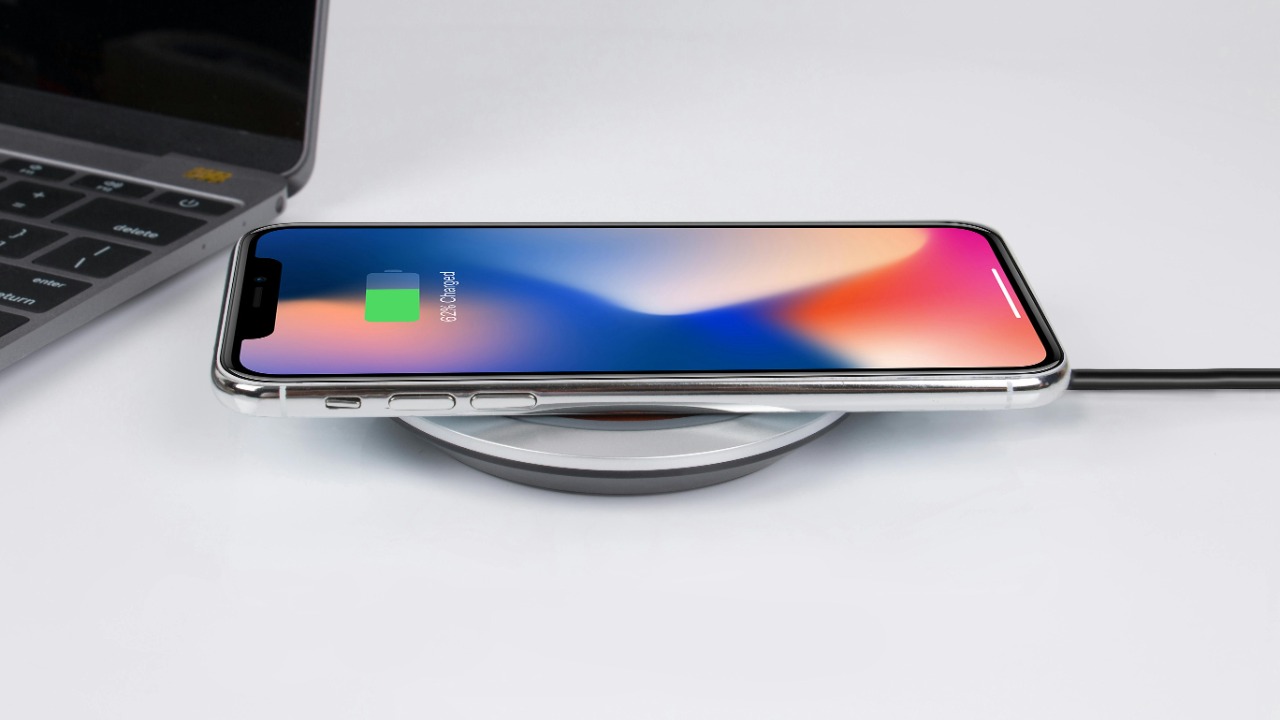
Despite its potential, laser-based wireless charging faces several challenges that must be addressed before it can achieve widespread adoption. Technical hurdles include improving the efficiency of power transfer and ensuring that the technology can operate reliably in various environments. Additionally, the need for robust safety standards and regulations remains a top priority, as developers and regulators work together to ensure that the technology is safe for public use.
Looking to the future, advancements in laser technology and photovoltaic cells could lead to even more efficient power transfer systems, further enhancing the viability and appeal of laser-based wireless charging. As research continues, breakthroughs in materials and engineering could pave the way for new applications and capabilities, solidifying the technology’s place in the future of energy transfer.
