The pursuit of faster-than-light travel has long been a staple of science fiction, but recent advancements in theoretical physics suggest that warp drives could one day become a reality. Scientists are now on a quest to harness exotic matter, a key component believed to be essential for creating warp bubbles that could enable spacecraft to traverse vast cosmic distances in the blink of an eye.
Theoretical Foundations of Warp Drives

The concept of warp drives first gained serious attention with the proposal of the Alcubierre Drive in 1994. This groundbreaking idea, put forth by physicist Miguel Alcubierre, suggested that faster-than-light travel might be possible through the manipulation of spacetime itself. By contracting space in front of a spacecraft and expanding it behind, a warp bubble could theoretically allow a vessel to travel vast distances without violating the laws of physics as we understand them.
Central to this concept is the role of exotic matter, which possesses a negative energy density. Exotic matter is necessary to stabilize the warp bubble, allowing the manipulation of spacetime required for the Alcubierre Drive to function. Despite its theoretical importance, the existence of exotic matter remains unproven, posing a significant challenge to the practical implementation of warp drives.
The hurdles extend beyond just the acquisition of exotic matter. Theoretical physics presents numerous challenges, including the vast amounts of energy required and potential issues with causality and the laws of relativity. These obstacles make the leap from theoretical concept to practical application a daunting task, yet they also fuel the determination of scientists worldwide.
Current Research and Developments
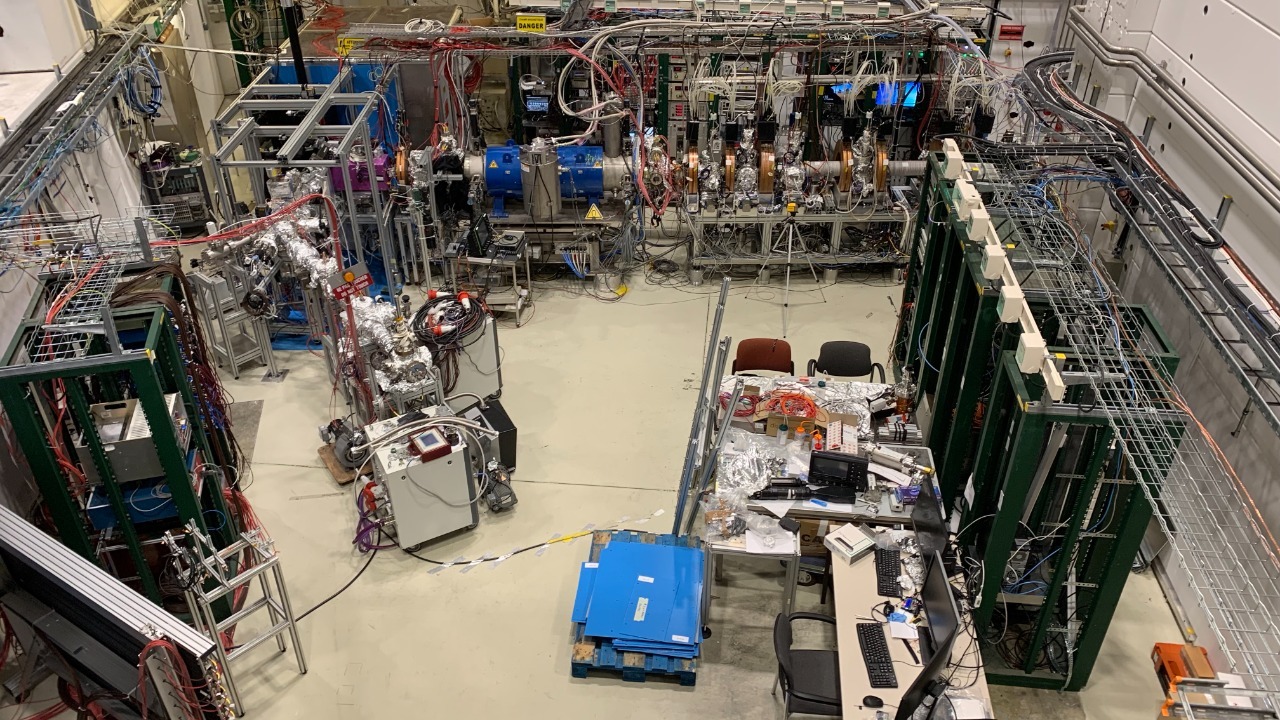
In laboratories around the globe, researchers are conducting key experiments to create and detect exotic matter. These experiments are at the forefront of a new era in physics, where the boundaries of what is possible are constantly being tested and redefined. For example, facilities like CERN and other high-energy physics labs are crucial to these efforts, as they explore the properties of particles and forces at energy scales previously unattainable.
Leading figures in this research include notable scientists such as Harold “Sonny” White and Eric W. Davis, who are pushing the boundaries of our understanding of warp physics. Institutions such as NASA’s Eagleworks Laboratories are also at the forefront, with goals to experimentally validate and refine the theories surrounding warp drive technology. Recent findings suggest that while practical applications may still be far off, theoretical models are becoming increasingly sophisticated.
Technological advancements play a significant role in this research. Quantum computing and high-energy physics tools are critical components in the pursuit of warp drive technology. These innovations allow for more complex simulations and calculations, opening up new possibilities for understanding and potentially achieving faster-than-light travel.
The Exotic Matter Space Race
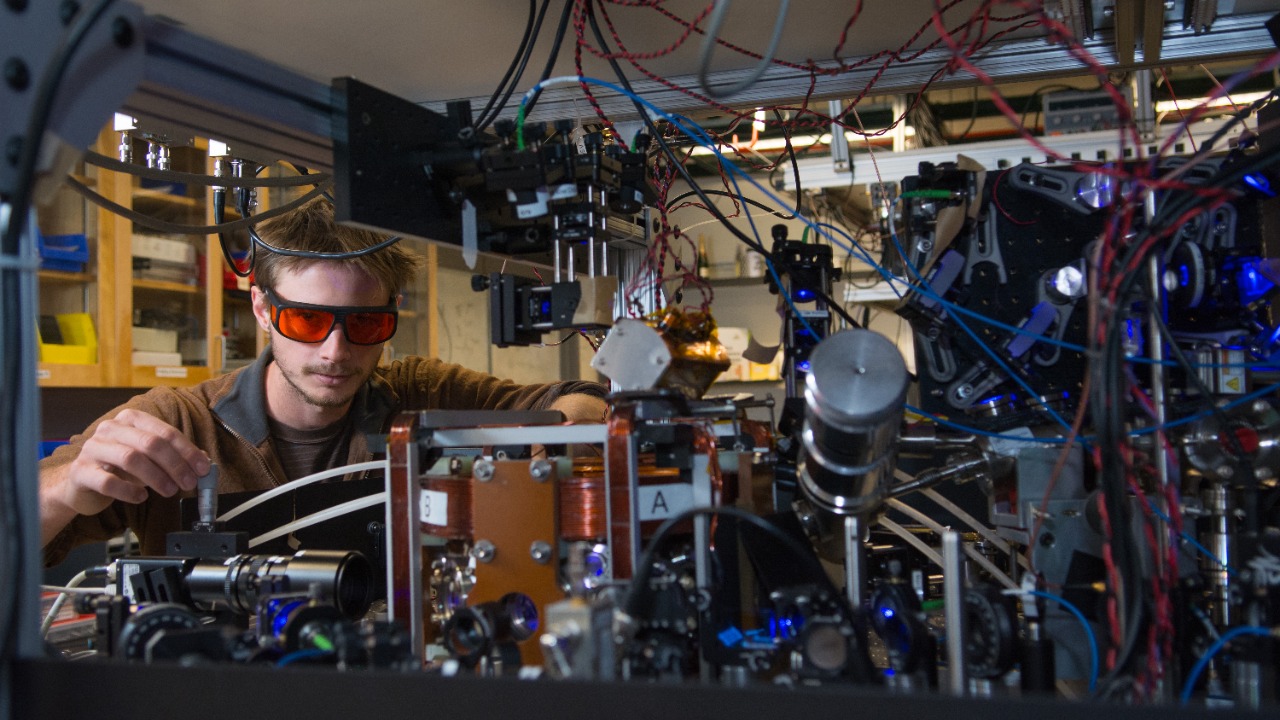
There’s a growing global interest in exotic propulsion technologies, leading to what some are calling an exotic matter space race. Countries and private entities are vying to achieve breakthroughs in this field, spurred by the potential technological and economic advantages that could come with being first to develop a working warp drive.
The potential military applications of warp drive technology cannot be overlooked. Such technology could revolutionize defense strategies, allowing for rapid deployment across the globe or even the solar system. However, this also raises ethical considerations, as the power to manipulate spacetime could lead to unforeseen consequences. Balancing the potential benefits with the risks is a challenge that the global community must address.
The race to develop warp drive technology is characterized by a tension between collaboration and competition. While some argue that global cooperation is essential for overcoming the scientific and technical challenges involved, others believe that competitive secrecy drives innovation. The balance between these forces will likely shape the future of warp drive research.
Implications for Space Exploration
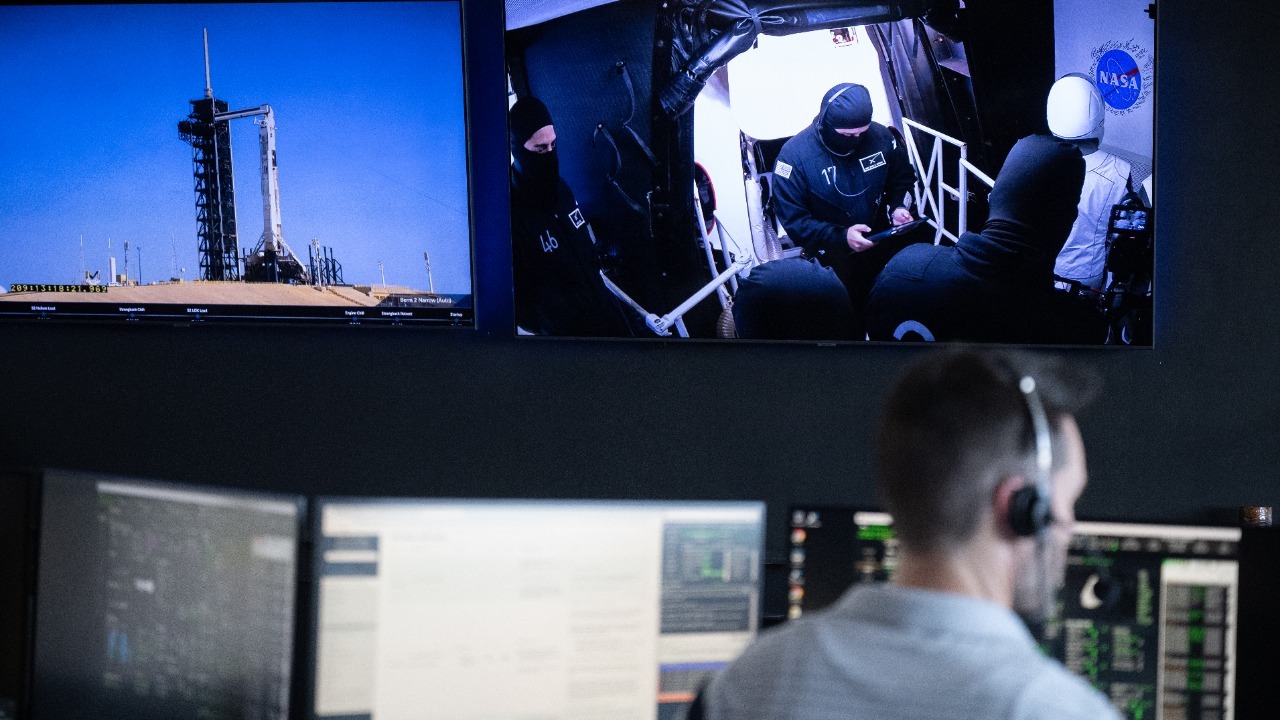
The successful development of warp drives could revolutionize space exploration, making interstellar travel a feasible reality. This technology would dramatically reduce travel times, potentially allowing humanity to reach distant stars within a human lifetime. The implications for space exploration are profound, offering the possibility of exploring and colonizing new worlds.
Beyond the technical and logistical benefits, the advent of warp drive technology could have significant societal impacts. It could open up new opportunities in space colonization and resource acquisition, potentially reshaping economies and altering geopolitical dynamics on Earth. The ability to access resources from other planets could alleviate shortages and drive economic growth, albeit with significant ethical and environmental considerations.
The potential for faster-than-light travel also raises ethical and philosophical questions. As humanity grapples with its place in the universe, the ability to traverse vast distances in the blink of an eye challenges our understanding of reality. Questions about the impact on human identity, culture, and society as a whole will need to be addressed as the possibility of warp drive technology becomes more tangible.
Future Prospects and Speculation
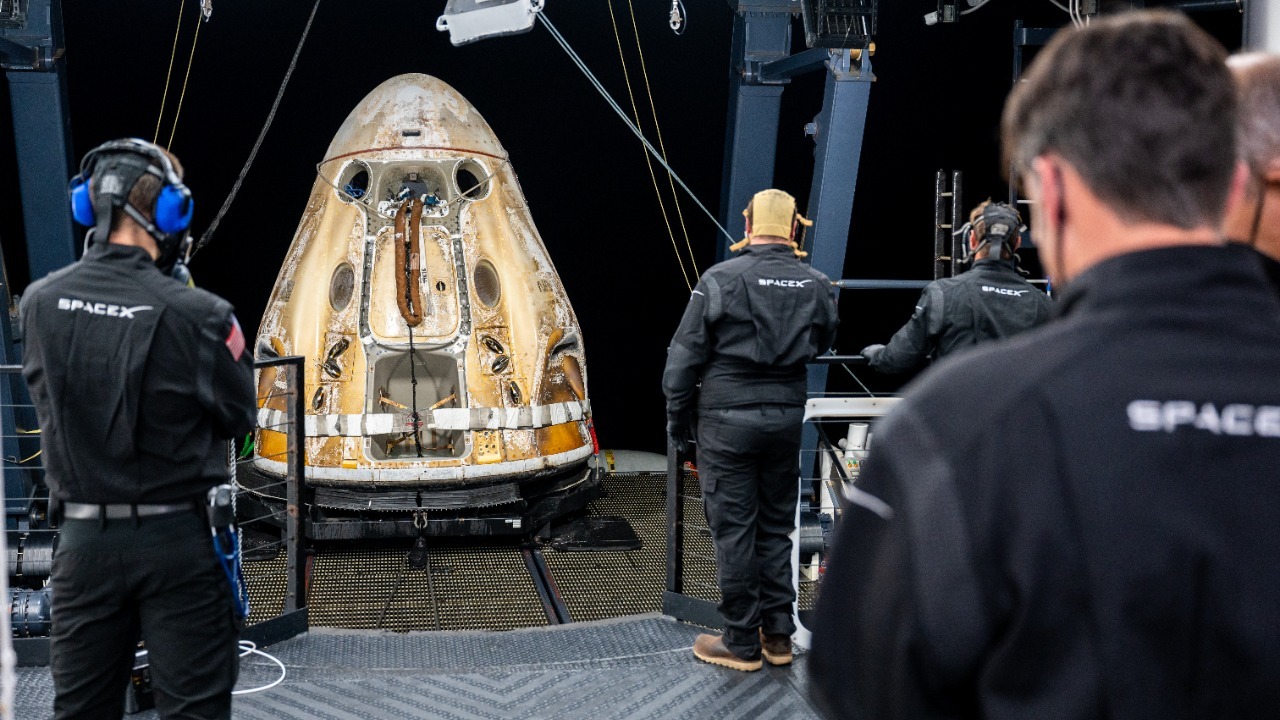
Speculating on the timeline for achieving a working warp drive is challenging, given the current state of research. While some optimistic projections suggest we may see breakthroughs within a few decades, others caution that the technological and theoretical hurdles are likely to take much longer to overcome.
Nonetheless, as research progresses, these timelines will likely become clearer.
The portrayal of warp drives in science fiction often paints a picture of near-instantaneous travel across the cosmos. However, the scientific realities faced by researchers are far more complex. The challenges of energy requirements, stability, and causality must be addressed before the dream of warp travel can be realized.
Looking to the long-term future, the advent of warp drive technology has the potential to alter humanity’s trajectory as a spacefaring civilization. The ability to explore and colonize distant planets could redefine our relationship with the cosmos, expanding the boundaries of human endeavor and shaping the future of our species. As we stand on the brink of these possibilities, the journey toward faster-than-light travel continues to captivate and inspire.
