The revolutionary advancement of lab-grown organ transplantation without rejection has the potential to redefine medical science. This innovation, steeped in the realms of bioengineering and immunology, could transform the future of medicine and raise important ethical considerations.
Understanding the Science of Lab-Grown Organs

Lab-grown organs, also known as bioengineered organs, are artificially created organs that are designed to replace or repair damaged tissues in the body. The process of creating these organs involves intricate techniques of tissue engineering, where cells are harvested from the patient and then multiplied in a lab. These cells are then used to populate a scaffold that gives the organ its shape and structure, creating a fully functional organ that is genetically identical to the patient’s own tissues.
One of the main challenges in organ transplantation is dealing with organ rejection, the body’s natural immune response to foreign tissue. However, scientists have managed to overcome this hurdle through the use of patient’s own cells in creating the lab-grown organs, thereby reducing the likelihood of rejection. The immune system recognizes these organs as self, not foreign, which leads to a higher chance of successful transplantation without the need for immunosuppressive drugs. You can read more about it in this Nature article.
The Medical Implications of Lab-Grown Organs
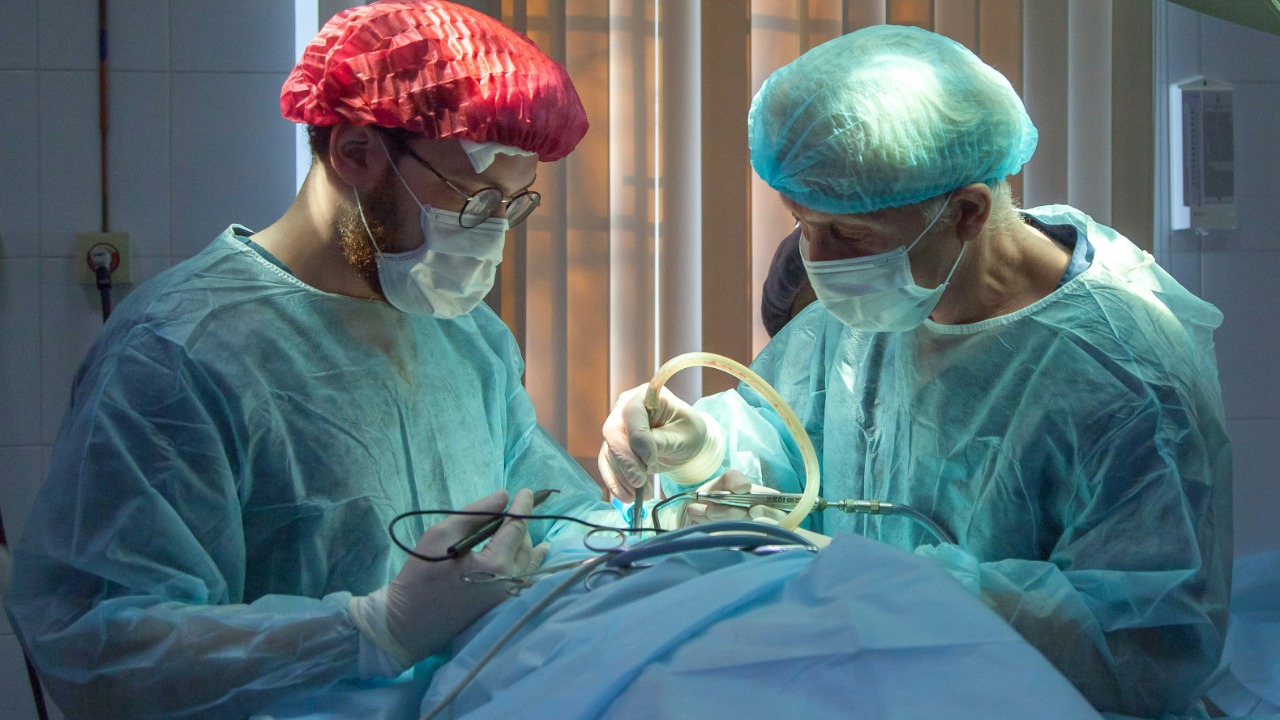
The advent of lab-grown organs holds immense potential to alleviate the global organ shortage, as well as the long waiting lists associated with organ transplants. Thousands of patients worldwide could benefit from this technology, as it would mean a quicker path to transplantation and potentially a higher success rate.
While the benefits of lab-grown organ transplants are promising, it is essential to weigh them against the possible risks. These could include complications related to the bioengineering process or the transplantation procedure itself. However, the potential to significantly improve the quality of life and lifespan for patients outweighs these risks. A deeper understanding of these implications can be found in this PMC article.
Case Studies of Successful Lab-Grown Organ Transplants

Several case studies have documented successful transplants of lab-grown organs without rejection. One notable case involved a young girl who received a lab-grown trachea and showed significant improvement in her ability to breathe and swallow. This case, among others, has provided substantial evidence of the viability of lab-grown organ transplantation.
Post-transplant recovery and long-term health outcomes for patients are also encouraging. Many patients who have undergone transplants with lab-grown organs have reported improved quality of life and health. However, it is important to note that long-term studies are still needed to understand the full implications of these transplants. You can learn more about some specific cases in this Nature Medicine article.
The Future of Organ Transplants

Lab-grown organs could revolutionize organ transplantation, making it faster, more efficient, and more accessible. This technology could potentially eliminate the need for organ donors and shorten the waiting time for patients in need of organ transplants.
However, substantial research and development are still needed to make lab-grown organ transplantation a common medical practice. The process of bioengineering organs is complex and requires meticulous precision, and there are still many scientific and technical hurdles to overcome. An insightful analysis of the future of organ transplantation can be found in this Gale Academic OneFile article.
Ethical Considerations of Lab-Grown Organ Transplantation

While the scientific advancements in lab-grown organ transplantation are exciting, they also raise important ethical considerations. These issues include who should have access to these organs and how they should be regulated. There is also the question of cost and whether the availability of such cutting-edge treatment will widen the socio-economic disparities in healthcare access.
It’s crucial that these ethical issues are addressed as the science progresses to ensure that the benefits of this technology are accessible to all, and not just the privileged few. A comprehensive exploration of these ethical implications can be found in this JSTOR article.
