After years of research and navigating complex regulatory landscapes, lab-grown meat has been cleared for wide release. This groundbreaking technology aims to reshape the food industry by offering a sustainable and ethical alternative to traditional livestock farming. However, its arrival brings forth questions about regulation, labeling, and the future of the meat industry.
Regulatory Milestones and Approvals

The path to regulatory approval for lab-grown meat has been a meticulous journey involving several key agencies. In the United States, both the FDA and USDA played pivotal roles in the approval process, ensuring that lab-grown products meet safety and quality standards. This collaborative regulatory framework was critical in navigating the complexities of bringing a novel food product to market. Over the years, the timeline of approvals reflects rigorous scrutiny, with milestones such as initial safety assessments leading to the current status of widespread release.
Globally, regulatory approaches to lab-grown meat vary significantly. Countries like Singapore have been at the forefront, approving the sale of lab-grown chicken as early as 2020. Meanwhile, the European Union is still in the process of developing comprehensive regulatory guidelines. These differences highlight the importance of international collaboration, as countries work together to harmonize standards and facilitate the growth of this innovative industry.
Consumer Perception and Market Potential
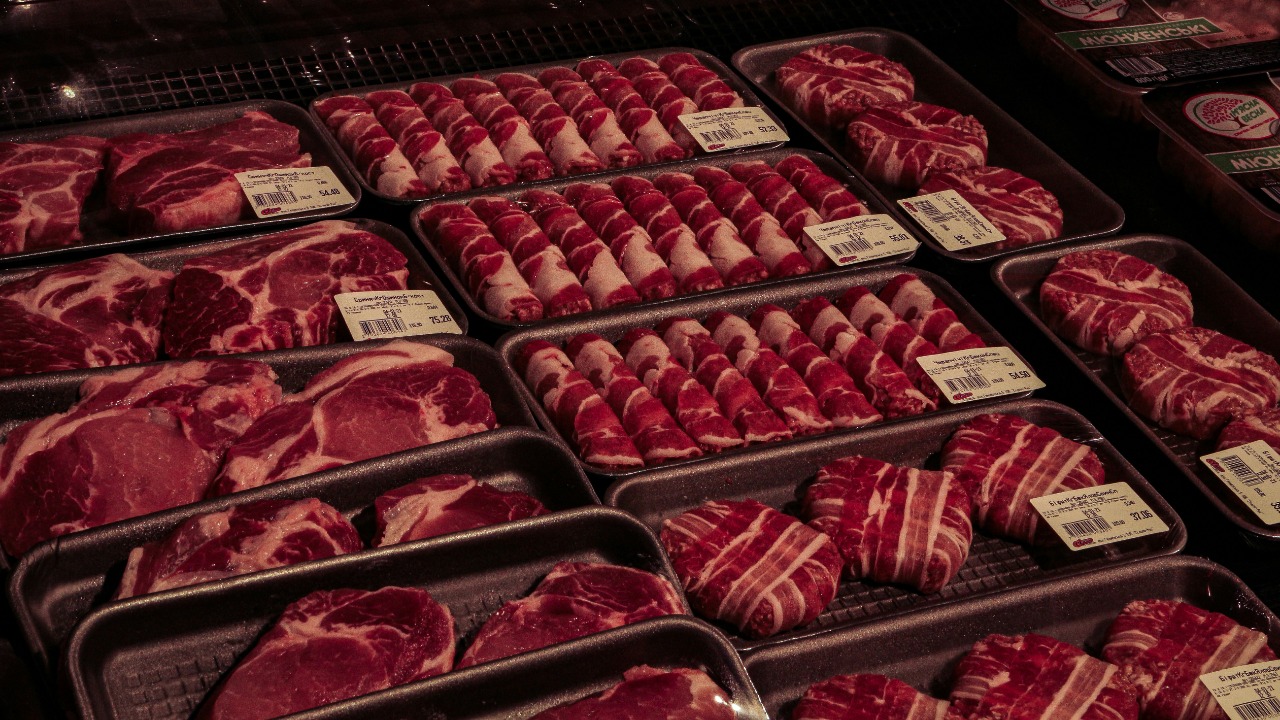
Public attitudes towards lab-grown meat are diverse. While some consumers express enthusiasm about the potential health and environmental benefits, others harbor concerns about safety and taste. Surveys indicate a growing curiosity, with a significant portion of respondents willing to try lab-grown meat, especially if it mimics the taste and texture of conventional meat. However, overcoming skepticism remains a hurdle, as consumers seek assurance about the product’s safety and nutritional value.
The market potential for lab-grown meat is substantial, with forecasts suggesting significant growth in the coming years. The economic impact could be transformative, as major food corporations and investors show increasing interest in this sector. Companies are eager to capitalize on the demand for sustainable food options, positioning lab-grown meat as a viable alternative amid rising environmental concerns and shifting consumer preferences.
Impact on Traditional Meat Industry
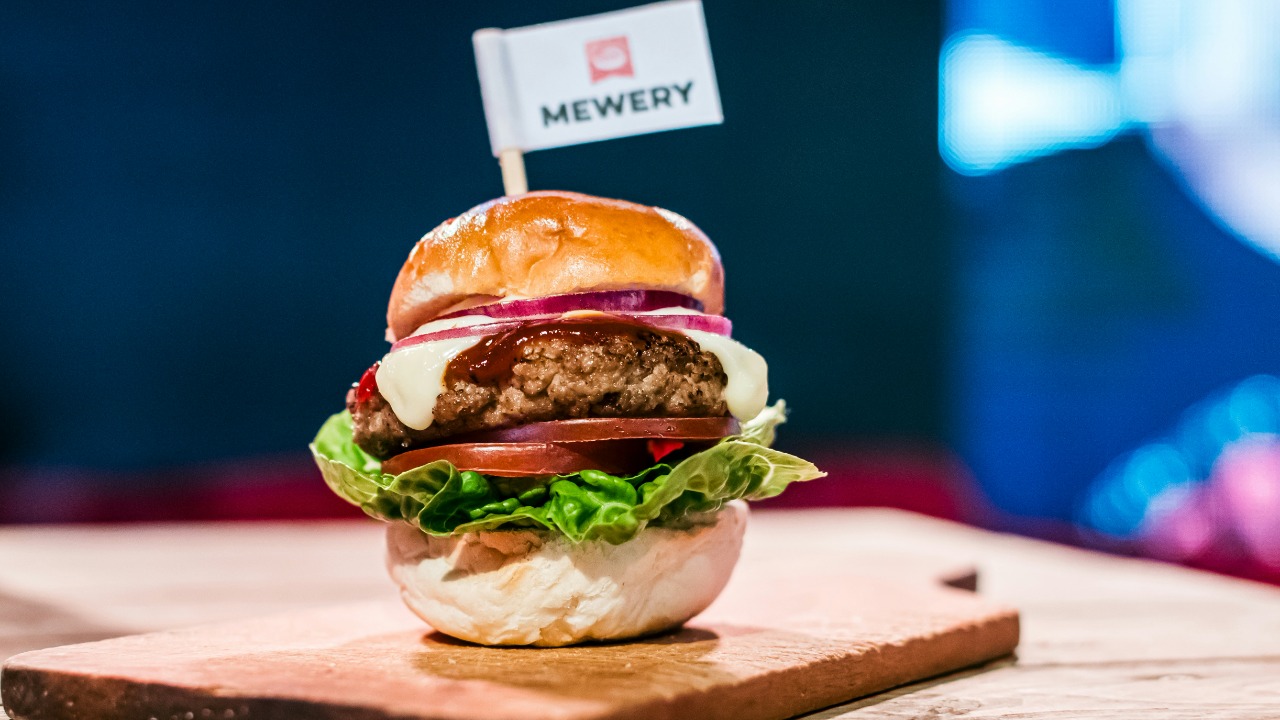
The introduction of lab-grown meat presents challenges and opportunities for the traditional meat industry. Livestock farmers and meat producers express concerns about competition and potential market share loss. Some fear that the rise of lab-grown meat could disrupt traditional farming practices, leading to economic repercussions for rural communities. In response, some companies are exploring collaborations with lab-grown meat producers to diversify their offerings and tap into new markets.
Debates around regulatory and labeling are crucial as the industry evolves. Organizations like the NCBA advocate for clear labeling to ensure consumer transparency and fair competition. These discussions are essential in shaping the market landscape, as stakeholders seek to balance innovation with the interests of traditional meat producers.
Environmental and Ethical Considerations
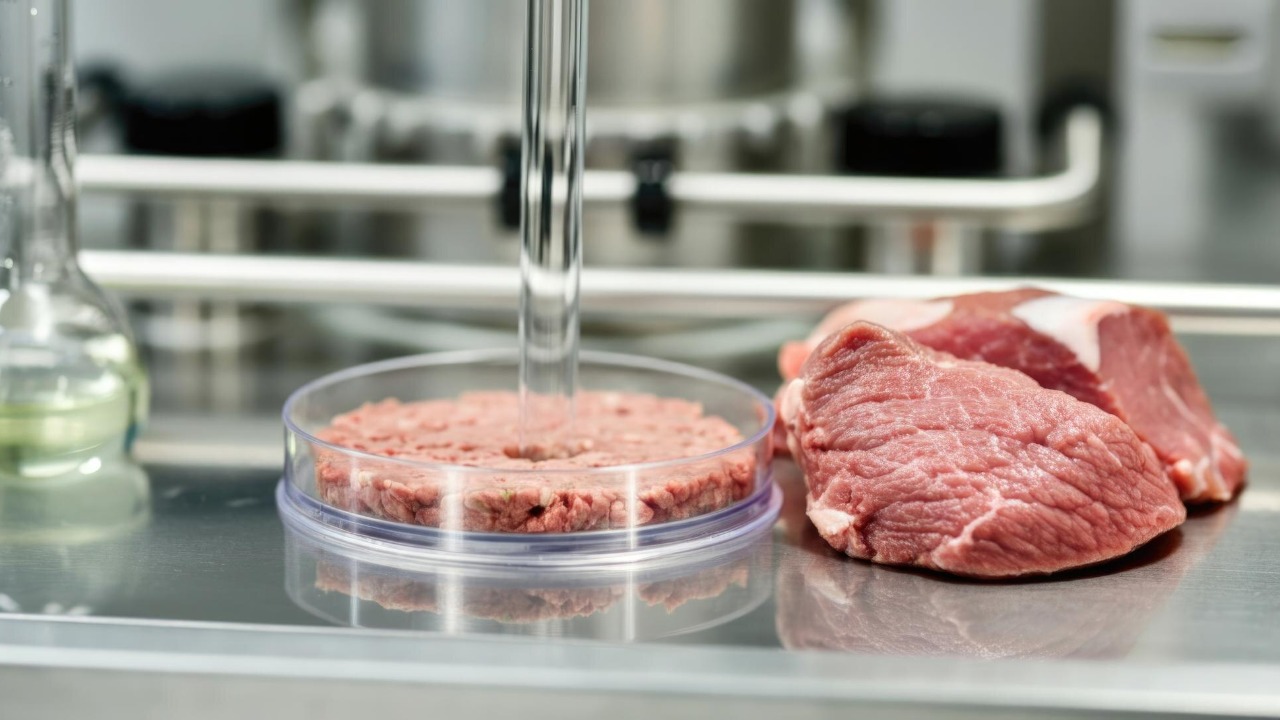
Lab-grown meat offers significant sustainability benefits compared to conventional meat production. It holds the promise of reducing greenhouse gas emissions, land use, and water consumption, addressing critical environmental challenges. By decoupling meat production from animal agriculture, lab-grown meat could significantly lessen the industry’s environmental footprint, aligning with global efforts to combat climate change.
From an ethical standpoint, lab-grown meat represents a paradigm shift in animal welfare. By eliminating the need for livestock farming, it addresses concerns about animal cruelty and industrial farming practices. However, cultural and philosophical debates persist, as some question the implications of consuming meat that is biologically engineered. These ethical discussions are shaping consumer perceptions and influencing acceptance of lab-grown meat.
Technological Challenges and Innovations
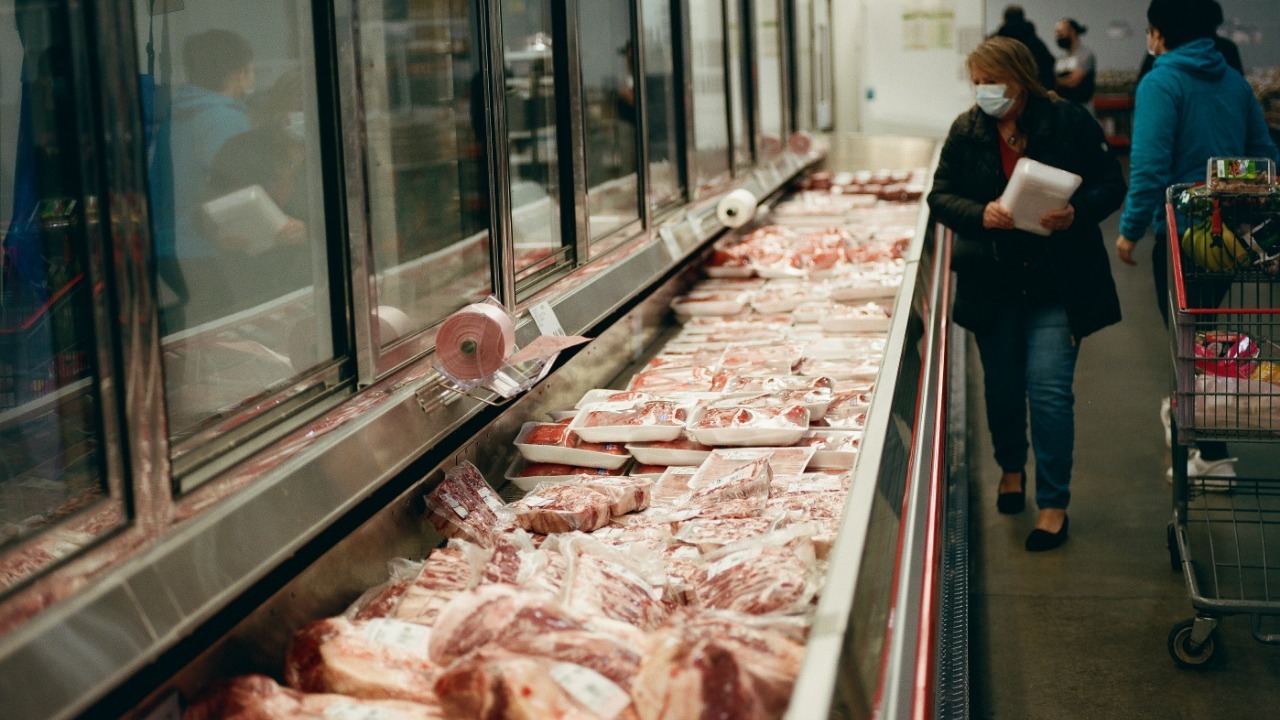
The production of lab-grown meat relies on cutting-edge technological advances in cell culture technology and bioreactors. Recent breakthroughs have improved the efficiency and scalability of production processes, bringing lab-grown meat closer to market readiness. Ongoing research and development efforts focus on refining these technologies to enhance product quality and reduce costs.
Despite these advancements, challenges in scaling production remain. High costs, scalability, and the need for specialized manufacturing infrastructure pose significant hurdles. Addressing these issues will require continued innovation and investment, as companies work to develop solutions that enable large-scale production and market viability.
Future Prospects and Industry Evolution
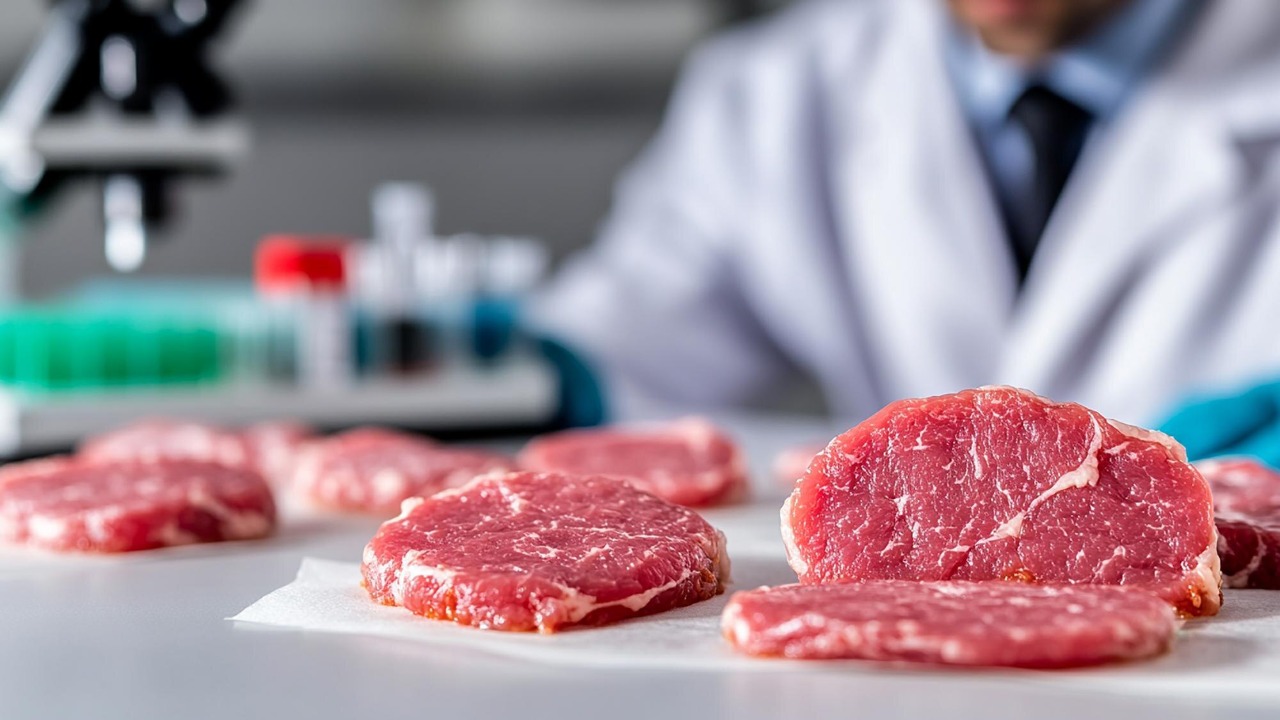
The future of lab-grown meat is poised for dynamic evolution, driven by shifts in consumer habits and industry standards. As awareness of environmental issues and ethical considerations grows, lab-grown meat could become a staple in global diets, contributing to food security and sustainability. Its potential to disrupt traditional meat supply chains opens new avenues for innovation and economic growth.
Government policy and innovation will play critical roles in shaping the industry’s trajectory. Supportive policies could accelerate growth, while regulatory challenges may impede progress. The continued innovation in production techniques and consumer engagement strategies will be vital in maintaining industry momentum and ensuring the long-term success of lab-grown meat. As the industry evolves, it will redefine what consumers expect from their food, ushering in a new era of sustainable and ethical consumption.
