
South Korea has unexpectedly canceled a $3.5 billion deal to purchase Apache helicopters from the United States, opting instead to focus its military budget on a single, cutting-edge technology. This strategic pivot reflects a broader shift in defense priorities and raises questions about the future of military modernization in the region.
The Initial Apache Deal and Its Significance

The original $3.5 billion deal to acquire Apache helicopters from the United States was a significant milestone in South Korea’s defense strategy. The Apache helicopters were intended to enhance the nation’s air capabilities, providing a robust response to potential threats from neighboring adversaries. With their advanced radar systems and precision strike capabilities, the Apaches were seen as a crucial addition to South Korea’s military arsenal.
Strategically, the Apache deal underscored the importance of U.S.-South Korean military alliances. The acquisition was not just about boosting military capabilities but also about reaffirming South Korea’s commitment to its long-standing partnership with the United States. The decision to cancel the deal has naturally sparked reactions from the U.S., which may now need to reconsider its bilateral defense strategies and agreements with South Korea.
Reasons Behind the Cancellation

Budgetary constraints and a shift in defense priorities are at the core of South Korea’s decision to cancel the Apache deal. As the nation evaluates its defense needs, Apache helicopters were deemed less suitable for addressing emerging threats in the region. The decision reflects a critical assessment of military capabilities, balancing traditional hardware with the need for more advanced, adaptable solutions.
Domestic political pressures and public opinion have also played a role in this decision. As military budgets tighten, there is increasing scrutiny over defense expenditures. The choice to prioritize other technologies over the Apache deal may be seen as a response to public demand for more efficient and cost-effective military solutions. This is a reflection of the evolving landscape of defense priorities in South Korea.
The Chosen Technology: Drones
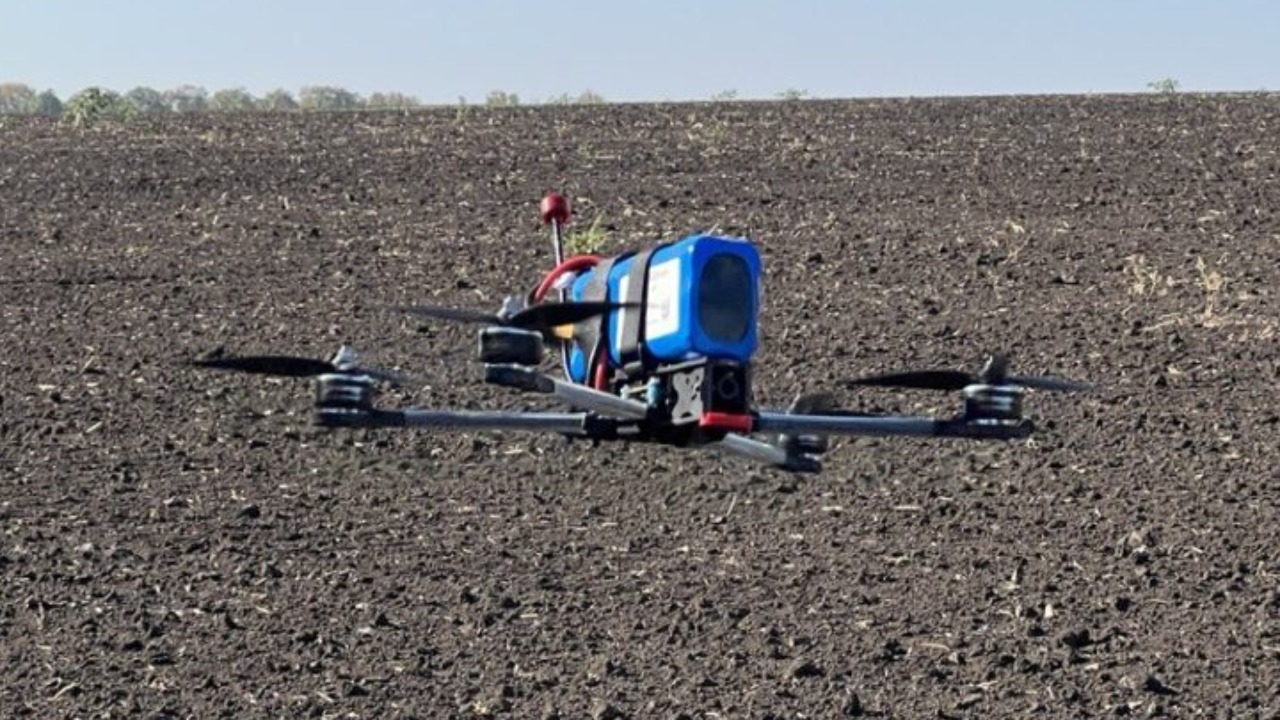
South Korea’s investment in drone technology marks a significant pivot in its defense strategy. Drones offer numerous advantages over traditional military hardware like Apache helicopters, including lower operational costs, increased flexibility, and enhanced surveillance capabilities. The ability to deploy drones quickly and efficiently makes them an attractive alternative for modern military operations.
The strategic benefits of drones are vast. They can be used for intelligence gathering, reconnaissance, and even targeted strikes, providing a versatile tool for South Korea’s military. By focusing on drone technology, South Korea is positioning itself to better address the challenges of modern warfare, where agility and technological superiority are paramount.
Impact on Regional Security Dynamics

The cancellation of the Apache deal has implications for the balance of power in the Asia-Pacific region. By shifting its focus to drones, South Korea is signaling a change in its defense posture that could influence regional security dynamics. Neighboring countries, including North Korea and China, are likely to monitor these developments closely, as they could alter the strategic calculus in the region.
Reactions from neighboring countries are mixed. While some may view the cancellation as a reduction in South Korea’s immediate offensive capabilities, others might see the investment in drones as a forward-looking strategy that enhances its defensive posture. This shift may also lead to changes in military alliances and partnerships, as South Korea aligns itself with countries that prioritize similar technological advancements.
Future of South Korea’s Defense Strategy
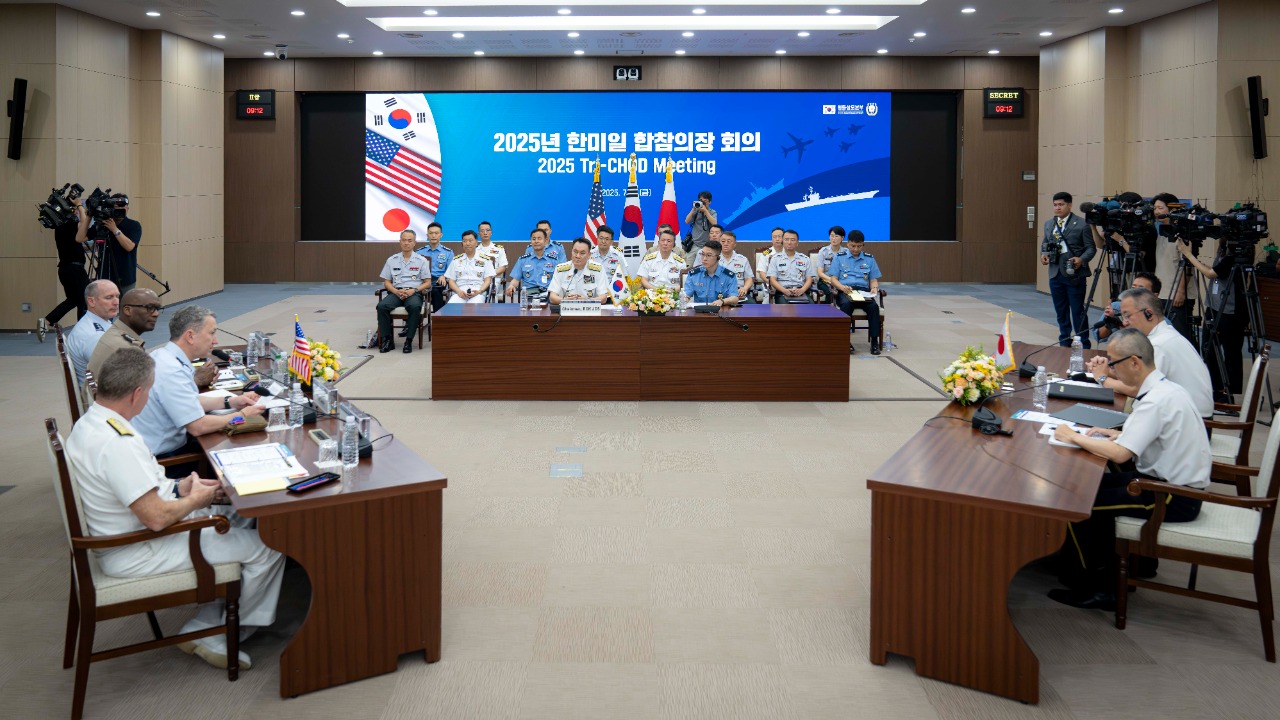
The long-term implications for South Korea’s military spending and procurement are profound. By focusing on advanced technologies such as drones, South Korea is setting the stage for greater integration of AI and robotics into its defense infrastructure. This shift aligns with the nation’s vision for modernizing its military forces by 2030, a plan that emphasizes innovation and technological superiority.
As South Korea continues to develop its military strategy, the integration of new technologies will be critical. The abandonment of the Apache deal may be just the beginning of a broader transformation in how South Korea approaches defense. By embracing cutting-edge technologies, South Korea is poised to redefine its military capabilities for the future.
Challenges and Criticisms

Despite the potential advantages, there are concerns over South Korea’s reliance on a single technology like drones. Critics argue that this focus could create vulnerabilities, especially if the technology is not adequately protected against cyber threats or other forms of disruption. Defense analysts and military experts have expressed skepticism about the feasibility of relying heavily on drones for comprehensive defense needs.
Addressing these challenges will require careful implementation and integration of new technologies into South Korea’s defense framework. As the nation moves forward, it will need to ensure that its investments in drones and other advanced technologies are robust, secure, and capable of meeting the demands of modern warfare. The path to modernization will be complex, but South Korea’s commitment to advancing its military capabilities remains clear.
