In a remarkable discovery, three school kids uncovered a rare juvenile Tyrannosaurus rex fossil while hiking in North Dakota, sparking significant interest in the paleontological community. This teenage T. rex, found in the northern US, offers unique insights into the development stages of one of the most famous dinosaur species. The discovery has since been spotlighted by several media outlets, emphasizing the importance of curiosity and exploration.
Discovery of the Fossil
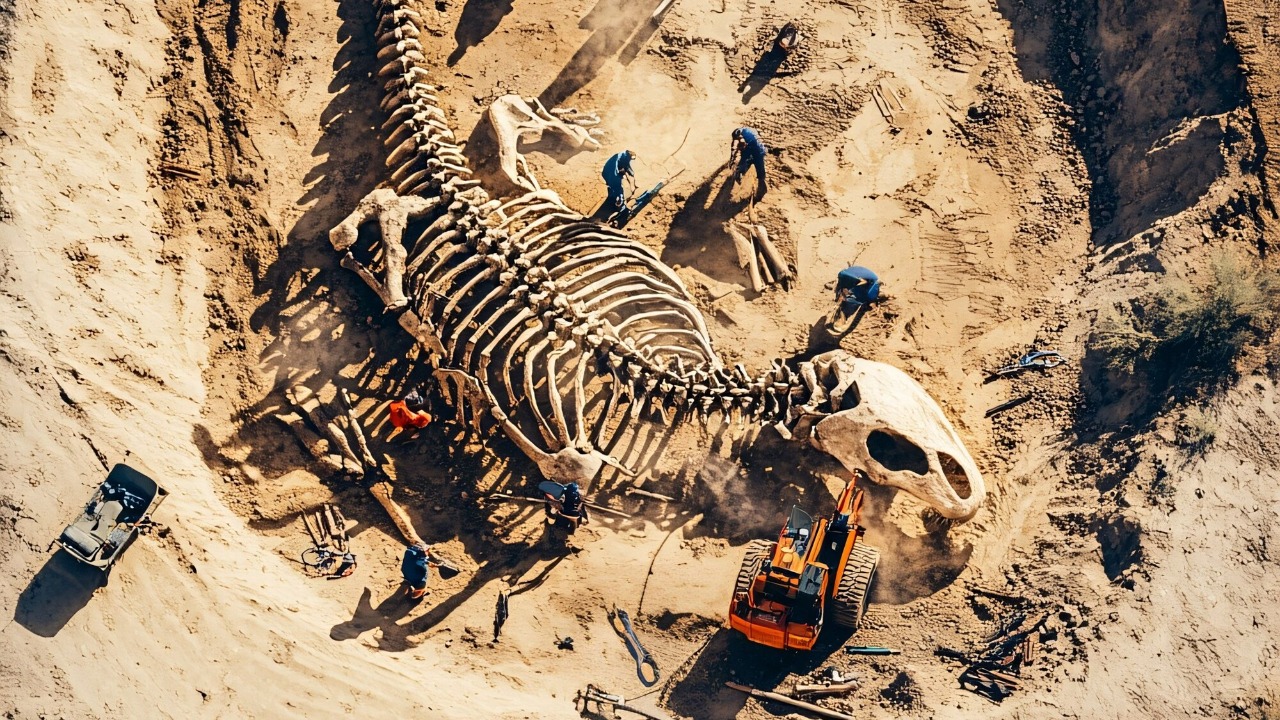
The fossil was discovered by three young explorers during a hike in North Dakota, marking a significant find in the field of paleontology. This discovery has been described as an “incredible dinosaur discovery,” highlighting its rarity and scientific value. The location of the find—North Dakota—adds to the region’s reputation for rich fossil beds and significant paleontological discoveries. According to IFLScience, the chance encounter by these kids underscores the potential for unexpected contributions to science by amateur fossil hunters.
North Dakota has long been known for its fossil-rich terrain, and this discovery further cements its status as a hotspot for paleontological research. The fossil’s discovery by schoolchildren not only highlights the region’s geological wealth but also serves as a reminder of the importance of exploration and curiosity in scientific discovery. As reported by USA Today, the find has captivated both the scientific community and the public, drawing attention to the potential for significant discoveries in unexpected places.
The serendipitous nature of the discovery underscores the potential for significant scientific contributions from unexpected sources. The children, who were on a casual hike, stumbled upon the fossil partially exposed on the surface, a testament to the rich paleontological landscape of North Dakota. This region, part of the Hell Creek Formation, is renowned for its Late Cretaceous period deposits, which have yielded numerous dinosaur fossils, including those of the Triceratops and Edmontosaurus. The discovery by these young explorers adds to the growing list of significant finds in the area, highlighting the importance of preserving these natural sites for ongoing and future scientific research.
Moreover, the involvement of local authorities and paleontologists in the excavation process ensured that the fossil was carefully extracted and preserved. The collaborative effort between amateur discoverers and professional scientists exemplifies the community’s role in advancing scientific knowledge. As the fossil was unearthed, it became clear that it was remarkably well-preserved, providing a rare glimpse into the past. This find not only enriches the scientific community’s understanding of the T. rex but also serves as an educational tool, inspiring young minds to engage with science and exploration.
Significance of a Juvenile T. Rex Fossil
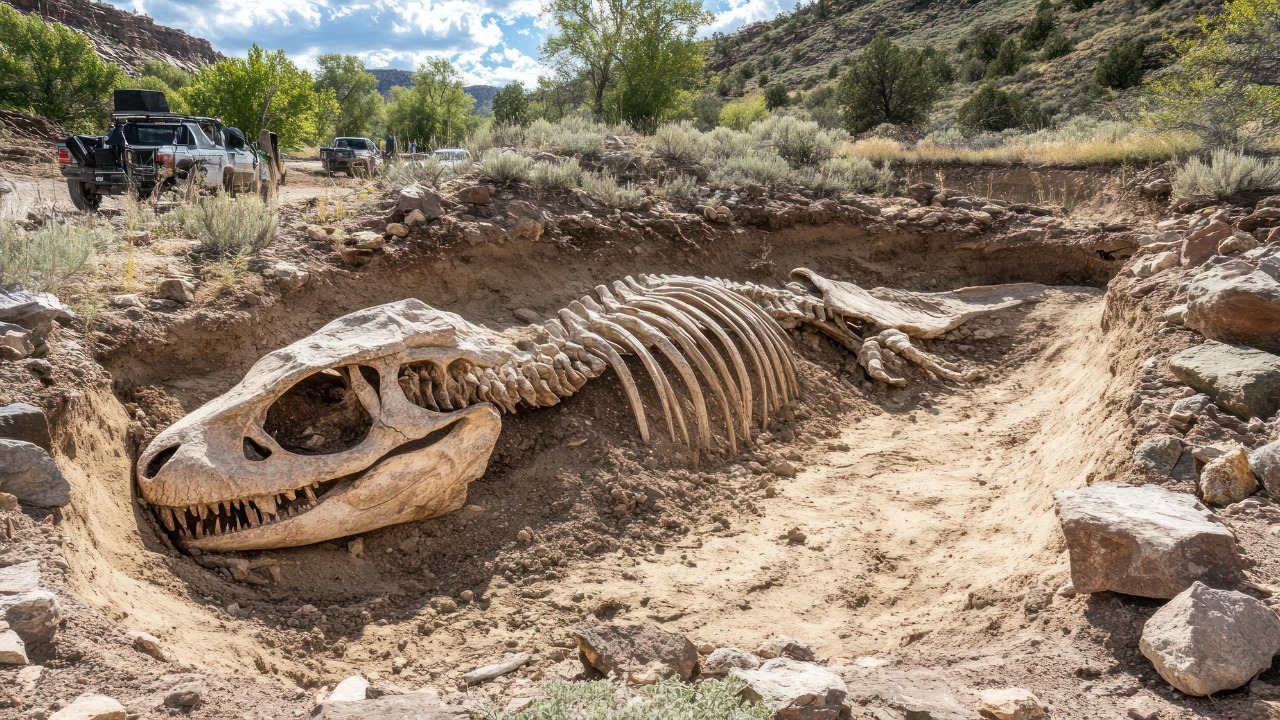
A juvenile T. rex fossil is a rare find, providing new insights into the growth and development stages of these iconic predators. This discovery helps bridge gaps in the understanding of how T. rexes transitioned from adolescence to adulthood. According to Cosmos Magazine, the fossil offers a unique opportunity for scientists to study the morphological changes that occur in T. rexes as they age.
The fossil’s significance lies in its potential to reveal details about the life history of T. rexes, which have long fascinated scientists and the public alike. By examining the fossil, researchers can gain insights into the growth patterns, dietary habits, and environmental adaptations of these prehistoric giants. As noted by Denverite, this discovery could provide valuable data that enhances our understanding of dinosaur biology and evolution.
The juvenile T. rex fossil offers a rare opportunity to study the ontogeny of one of the most formidable predators of the Cretaceous period. Unlike adult specimens, which are more commonly found, juvenile fossils can reveal crucial information about the growth rates and developmental stages of these dinosaurs. This particular fossil, with its partially developed features, allows scientists to examine the changes in bone structure and muscle attachment sites that occur as the T. rex matures. Such studies can provide insights into how these dinosaurs adapted to their environment and evolved over time.
Additionally, the fossil’s discovery has sparked discussions about the social behavior of T. rexes. Some paleontologists speculate that juvenile T. rexes may have lived in groups or family units, which could have implications for understanding their hunting strategies and survival mechanisms. By analyzing the fossil’s context and comparing it with other finds, researchers hope to piece together a more comprehensive picture of the life and times of these prehistoric giants. This discovery not only fills a gap in the fossil record but also opens new avenues for research into the evolutionary biology of theropods.
Impact on Future Paleontological Research
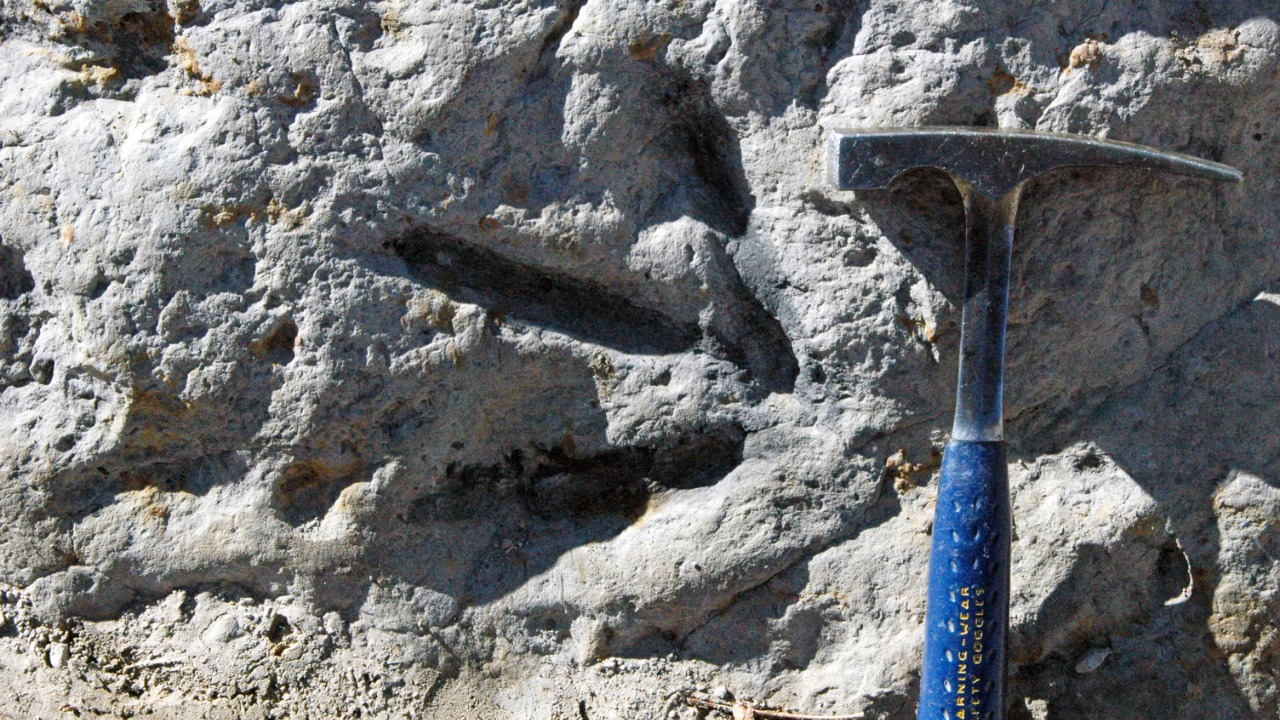
The discovery has inspired renewed interest in the study of dinosaur fossils among young people, demonstrating the importance of encouraging exploration and curiosity. This find emphasizes the potential for amateur fossil hunters to contribute to significant scientific discoveries, potentially guiding future exploration efforts. As reported by DOGOnews, the story of these young explorers serves as an inspiration for future generations of scientists.
The fossil’s addition to collections at institutions like the Denver Museum of Nature & Science enhances research opportunities and public engagement with paleontology. The museum’s involvement ensures that the fossil will be studied and preserved for future research, allowing scientists to continue exploring the mysteries of the T. rex. This collaboration between amateur discoverers and professional researchers highlights the importance of community involvement in scientific endeavors, as noted by Denverite.
The discovery has also highlighted the importance of interdisciplinary collaboration in paleontology. By involving experts from various fields such as geology, biology, and even climate science, the study of the fossil can yield a more holistic understanding of the ancient ecosystems in which the T. rex thrived. This approach can lead to new methodologies in fossil analysis and interpretation, potentially revolutionizing how paleontological research is conducted.
Furthermore, the public’s fascination with this discovery has led to increased interest in paleontological studies, particularly among young students. Educational programs and workshops inspired by the find are being developed to encourage a new generation of scientists. These initiatives aim to provide hands-on experience in fossil excavation and analysis, fostering a deeper appreciation for the natural world and the scientific process. As noted by DOGOnews, the story of these young explorers serves as a powerful reminder of the impact that curiosity and determination can have on scientific discovery, potentially shaping the future of paleontological research.
