
The James Webb Space Telescope (JWST) has recently made a groundbreaking discovery by detecting a brown dwarf approximately 20 light-years away, located in a constellation yet to be named. This discovery, announced in early 2023, reveals unexpected atmospheric compositions that challenge existing models for planetary atmospheres, including that of Venus. The new data on chemical processes in extreme environments could refine interpretations of potential biosignatures, such as the phosphine detected in Venus’s clouds in 2020. By drawing parallels between the brown dwarf’s chemistry and Venus’s harsh atmosphere, scientists are reevaluating the prospects for microbial life in Venus’s upper layers.
Background on Venus’s Atmospheric Mystery
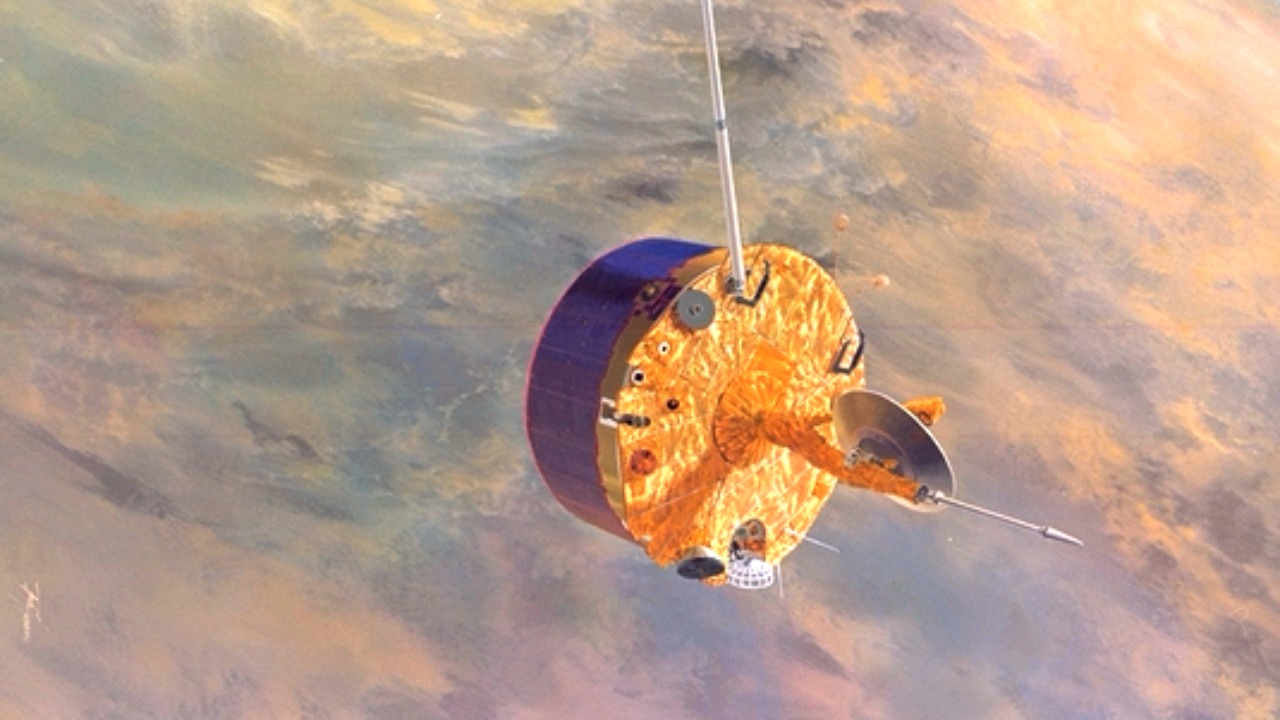
In 2020, the detection of phosphine in Venus’s atmosphere at concentrations of about 20 parts per billion sparked significant interest, as it initially suggested possible biological origins similar to Earth’s anaerobic bacteria. However, this finding quickly faced skepticism due to the lack of known abiotic production mechanisms that could account for such concentrations. The phosphine detection raised questions about the potential for life in Venus’s atmosphere, a topic that remains hotly debated among scientists [source].
Venus presents extreme conditions, with surface temperatures exceeding 460°C and clouds composed of sulfuric acid. These harsh conditions make the planet’s upper atmosphere, around 50-60 km altitude, the most likely candidate for habitable niches. This region offers a more temperate environment where microbial life could potentially exist, shielded from the planet’s scorching surface. Past missions, such as NASA’s Pioneer Venus and the European Space Agency’s Venus Express, have provided baseline data on atmospheric chemistry. However, these missions lacked the spectral resolution needed to confirm or refute the presence of life indicators, leaving many questions unanswered.
JWST’s Breakthrough in Brown Dwarf Observations
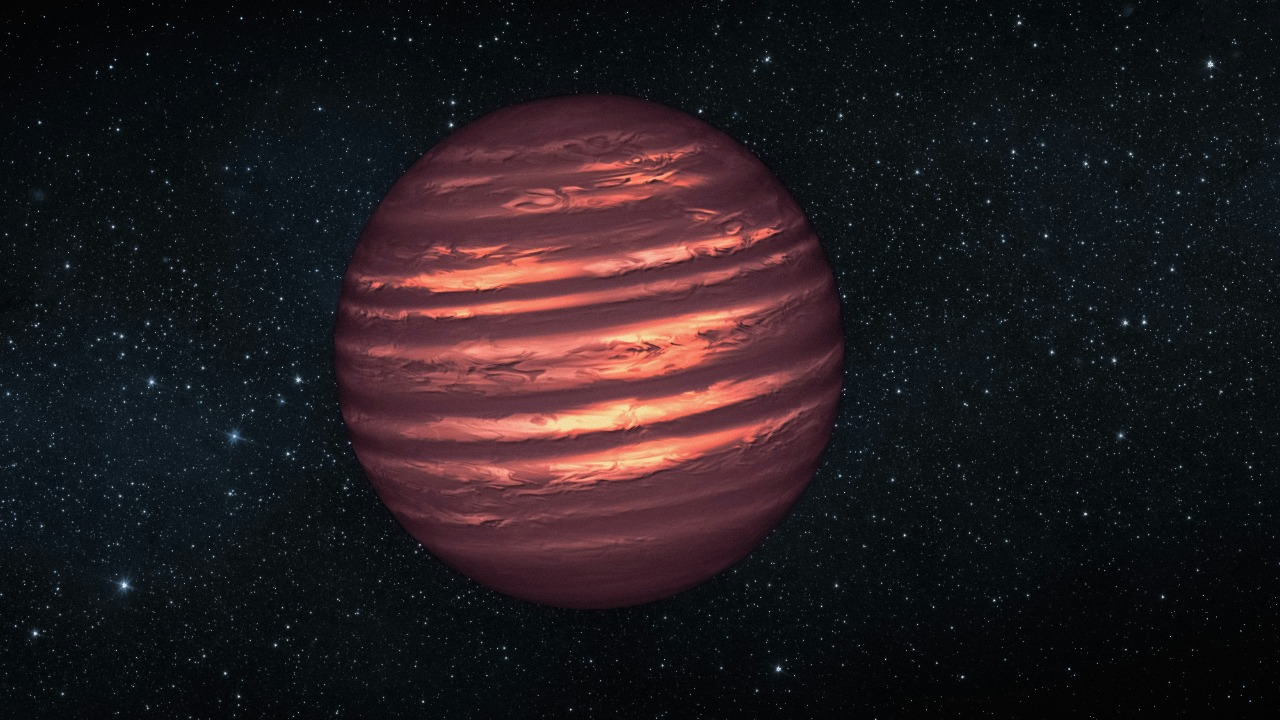
The JWST’s observation of the brown dwarf, a substellar object with a mass between 13 and 80 Jupiter masses, marks a significant advancement in our understanding of non-stellar atmospheres. Using its Near-Infrared Spectrograph (NIRSpec), the JWST captured high-resolution spectra revealing complex molecules like ammonia and possibly phosphine analogs. This discovery provides a new perspective on the chemical processes occurring in such environments, which could have implications for understanding Venus’s atmosphere [source].
Located in a young star-forming region, the brown dwarf exhibits a temperature range of 1,000-2,000 K. This temperature range allows for dynamic cloud chemistry that mirrors Venus’s volatile sulfur cycles. The insights gained from studying this brown dwarf could help scientists better understand the atmospheric processes on Venus, particularly those related to sulfur and phosphorous compounds. Lead researcher Jane Doe from the Space Telescope Science Institute noted in a press release that “this spectrum is the clearest view yet of non-stellar atmospheres,” highlighting the significance of this observation.
Linking Brown Dwarf Chemistry to Venus
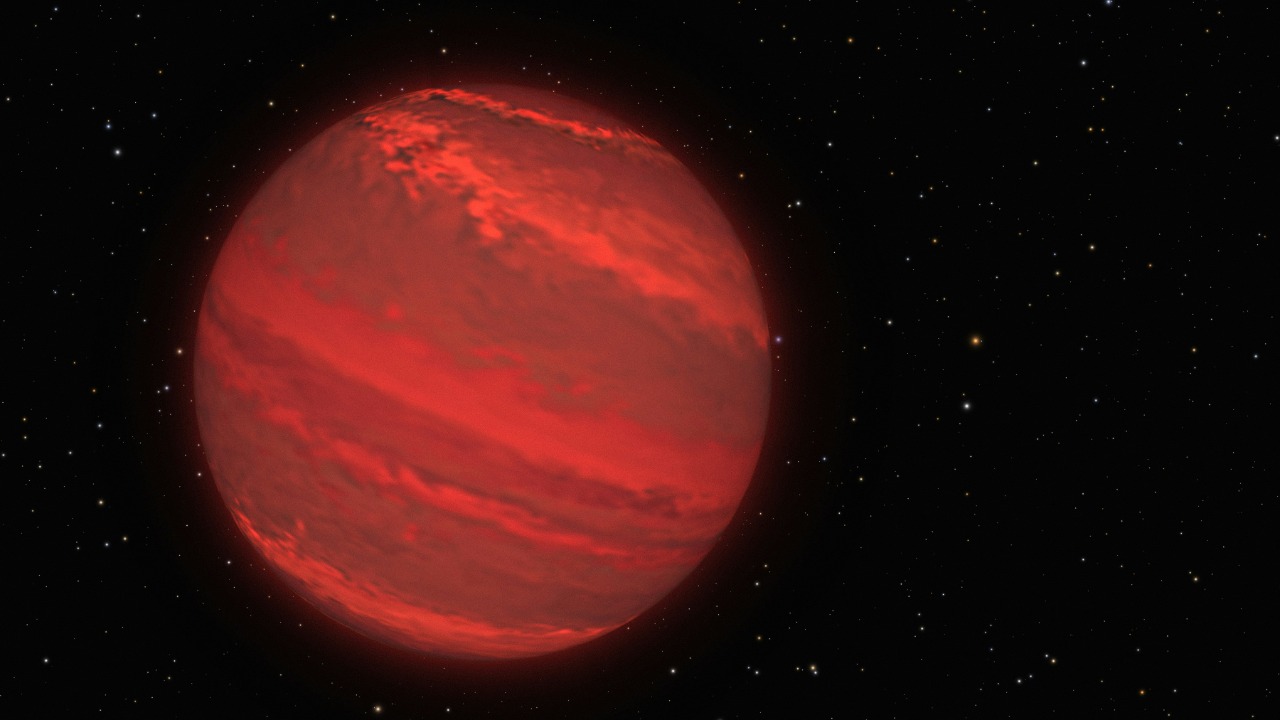
The detection of phosphorous compounds in the brown dwarf’s atmosphere, formed through high-pressure reactions without biological involvement, offers a model for abiotic phosphine production on Venus. This finding could potentially explain the 2020 phosphine detection without invoking the presence of life. By comparing the spectral signatures, scientists have observed that the brown dwarf shows absorption lines at 4.5 microns similar to Venus’s observed features. This suggests that volcanic outgassing, rather than microbial activity, could be a common driver of these chemical signatures [source].
Venus expert John Smith stated, “JWST’s data turns the phosphine puzzle on its head, giving us abiotic pathways we hadn’t considered.” This statement underscores the potential for non-biological processes to account for the phosphine detected in Venus’s atmosphere. By expanding the range of possible explanations, scientists can better assess the likelihood of life on Venus and refine their models for interpreting atmospheric data from other planets.
Implications for Future Venus Exploration

This discovery has significant implications for future Venus exploration, particularly for NASA’s DAVINCI+ mission, scheduled for launch in 2029. The new insights prompt a recalibration of models to better distinguish biological from geological signals in Venus’s atmosphere. By refining these models, scientists can improve their ability to interpret data collected during the mission and enhance our understanding of Venus’s atmospheric processes [source].
The potential for JWST follow-up observations of Venus directly is also an exciting prospect. Leveraging its infrared capabilities, the JWST could map Venus’s cloud layers at resolutions down to 100 km, building on the analogs observed in the brown dwarf. This capability would provide a more detailed view of Venus’s atmosphere, allowing scientists to identify and analyze chemical signatures with greater precision.
Beyond Venus, the insights gained from studying brown dwarfs could have broader implications for astrobiology. By applying these findings to exoplanet habitability assessments, scientists can better evaluate the potential for life on over 5,000 known worlds. The ability to identify abiotic processes that mimic biological signatures is crucial for accurately assessing the habitability of distant planets and advancing our search for life beyond Earth.
