NASA’s Juno probe, which has been orbiting Jupiter since 2016, may have reached the end of its mission as of October 2025. Reports suggest a possible silent death due to a mission shutdown, but confirmation remains elusive because NASA is currently closed. This uncertainty arises from the lack of communication from the probe, leaving experts unable to verify its status. This development contrasts with earlier mission extensions and ongoing efforts like NASA’s Europa Clipper, which launched toward Jupiter on October 15, 2024.
The Uncertainty Surrounding Juno’s Status
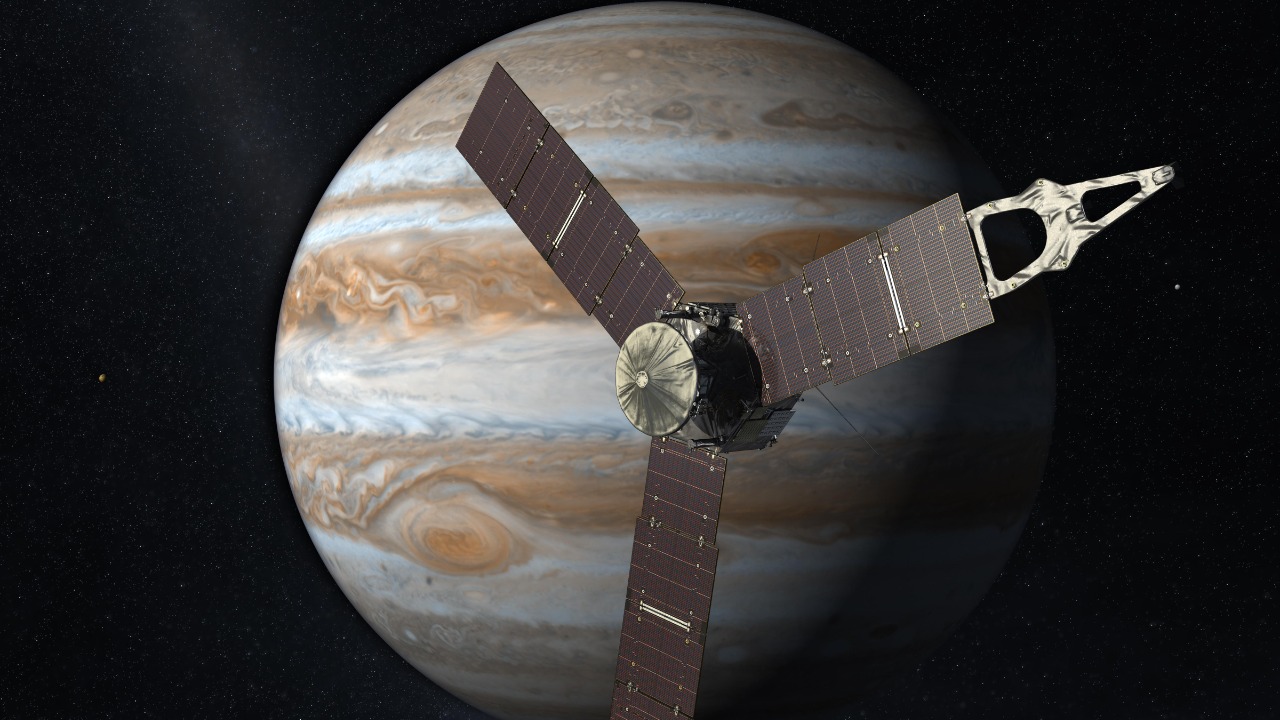
The status of NASA’s Juno probe, which has been orbiting Jupiter, is currently shrouded in uncertainty. Reports indicate that the mission may have come to an end, but no one can confirm this due to the lack of communication from the probe. According to Space.com, the probe’s operational status remains unknown as of October 6, 2025. The situation is further complicated by NASA’s closure, which has left experts unable to verify whether the Juno mission is indeed dead.
The question of whether the Juno mission orbiting Jupiter is dead remains unanswered. As reported by India Today, the closure of NASA as of October 7, 2025, has contributed to the uncertainty surrounding the probe’s fate. Without the ability to communicate with the spacecraft, experts are left in the dark about its current status.
The concept of a silent death near Jupiter for the Juno mission is a possibility that has been raised. According to Universe Magazine, the mission may have ended due to a shutdown, leaving the probe in a state of silence as of October 7, 2025. This scenario underscores the challenges faced in confirming the operational status of distant spacecraft.
Impact of NASA’s Operational Shutdown

The closure of NASA has significantly impacted the ability to confirm the status of the Juno probe. As highlighted by India Today, this operational shutdown has prevented any verification of the probe’s status, contributing to the ongoing uncertainty about its potential end near Jupiter. The inability to communicate with the spacecraft has left experts without the necessary data to make a definitive assessment.
The role of the shutdown in potentially causing the Juno mission’s silent death cannot be overlooked. According to Universe Magazine, the lack of operational capacity at NASA has meant there is no way to verify the probe’s operations as of October 7, 2025. This situation highlights the critical importance of continuous communication and monitoring for the success of space missions.
Historical Context of the Juno Mission
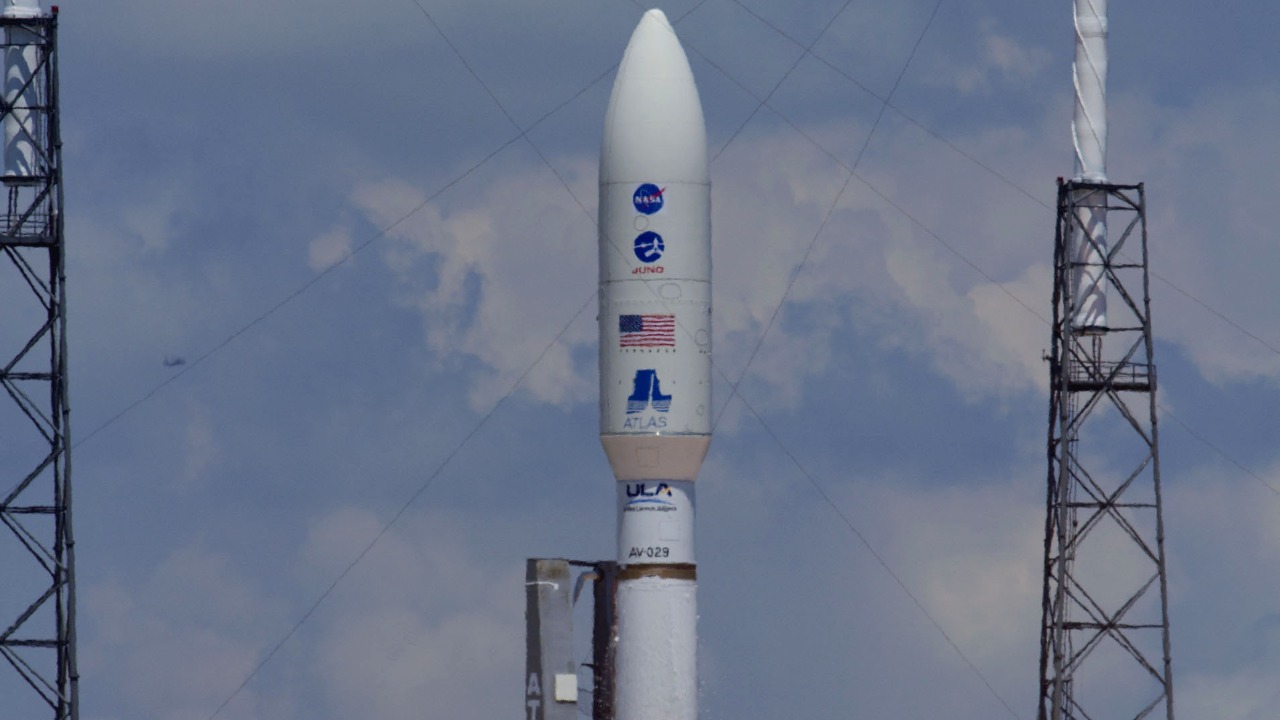
The Juno mission has a rich history, having been extended beyond its initial timeline. As reported by Business Insider, NASA announced on June 5, 2018, that the mission would continue until at least July 2021. This extension allowed the probe to gather valuable data about Jupiter, contributing to our understanding of the gas giant and its environment.
Since its arrival at Jupiter, the Juno probe has been orbiting the planet, providing a wealth of scientific insights. The recent reports of its possible end in October 2025 mark a significant moment in the mission’s timeline. According to Space.com, the probe’s ongoing orbit has been a key aspect of its mission, offering a backdrop to the current uncertainty surrounding its status.
Related NASA Efforts at Jupiter
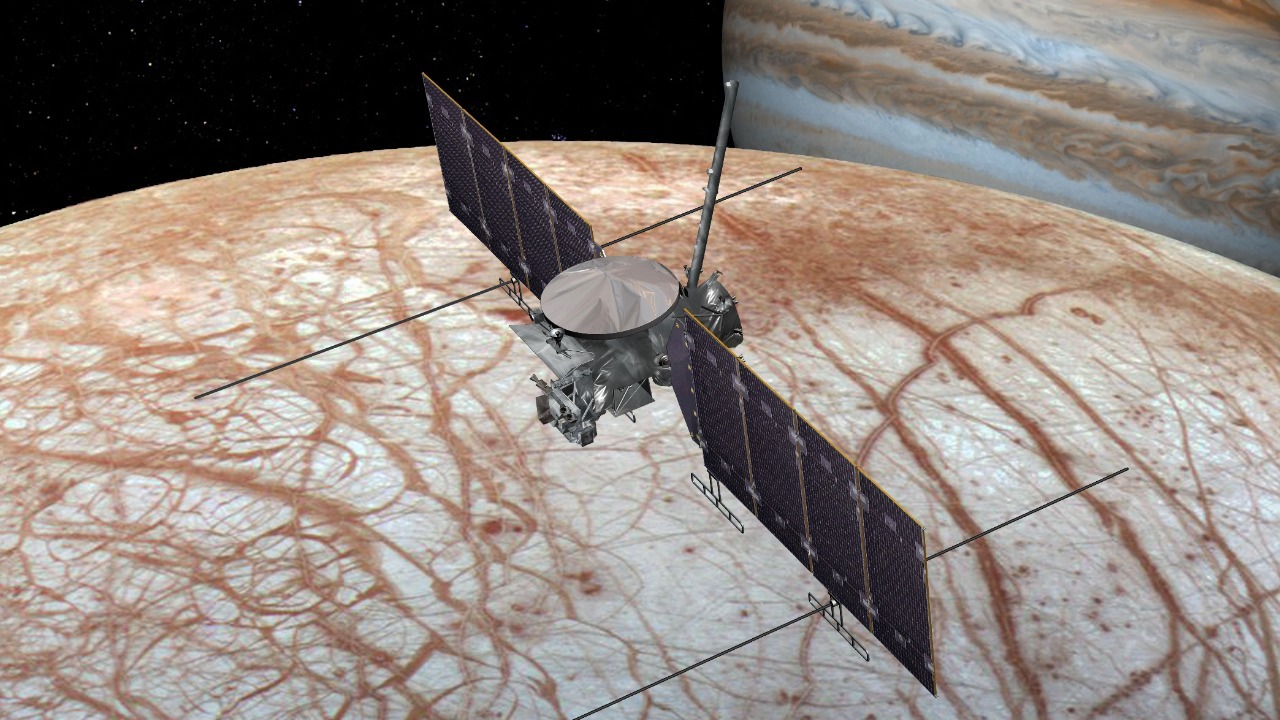
Amid the uncertainty surrounding the Juno mission, NASA’s exploration efforts at Jupiter continue with the Europa Clipper mission. As detailed by Astronomy.com, the Europa Clipper set sail for Jupiter on October 15, 2024. This mission aims to explore Jupiter’s moon Europa, focusing on its potential to support life and its subsurface ocean.
The Europa Clipper mission represents a significant follow-on exploration effort, highlighting NASA’s ongoing commitment to studying Jupiter and its moons. Despite the challenges faced by the Juno mission, the Europa Clipper offers a new opportunity to gather data and expand our understanding of the Jovian system. This mission underscores the importance of continued exploration and the pursuit of knowledge in the face of uncertainty.
In addition to the Europa Clipper, NASA has been involved in other missions aimed at understanding Jupiter and its moons. The Juno mission itself has been a cornerstone of this effort, providing unprecedented data about Jupiter’s atmosphere, magnetic field, and gravitational forces. These insights have been crucial in shaping our understanding of the largest planet in our solar system and its complex system of moons.
Furthermore, NASA’s commitment to exploring Jupiter is evident in its long-term planning and investment in missions like the Europa Clipper. This mission is particularly focused on investigating the icy surface and subsurface ocean of Europa, one of Jupiter’s most intriguing moons. Scientists believe that Europa’s ocean, which lies beneath a thick layer of ice, could potentially harbor conditions suitable for life. The Europa Clipper will carry a suite of scientific instruments designed to study the moon’s ice shell and ocean, analyze its surface composition, and search for signs of recent or ongoing geological activity. This mission is expected to provide valuable data that could answer fundamental questions about the potential habitability of other worlds in our solar system.
