A recent breakthrough in Japan involving a 90 °C battery could be the key to unlocking a more efficient and high-performing future for hydrogen-powered vehicles. This innovative technology promises to enhance the capabilities of these green alternatives to traditional gas-powered cars.
Understanding Hydrogen-Powered Vehicles
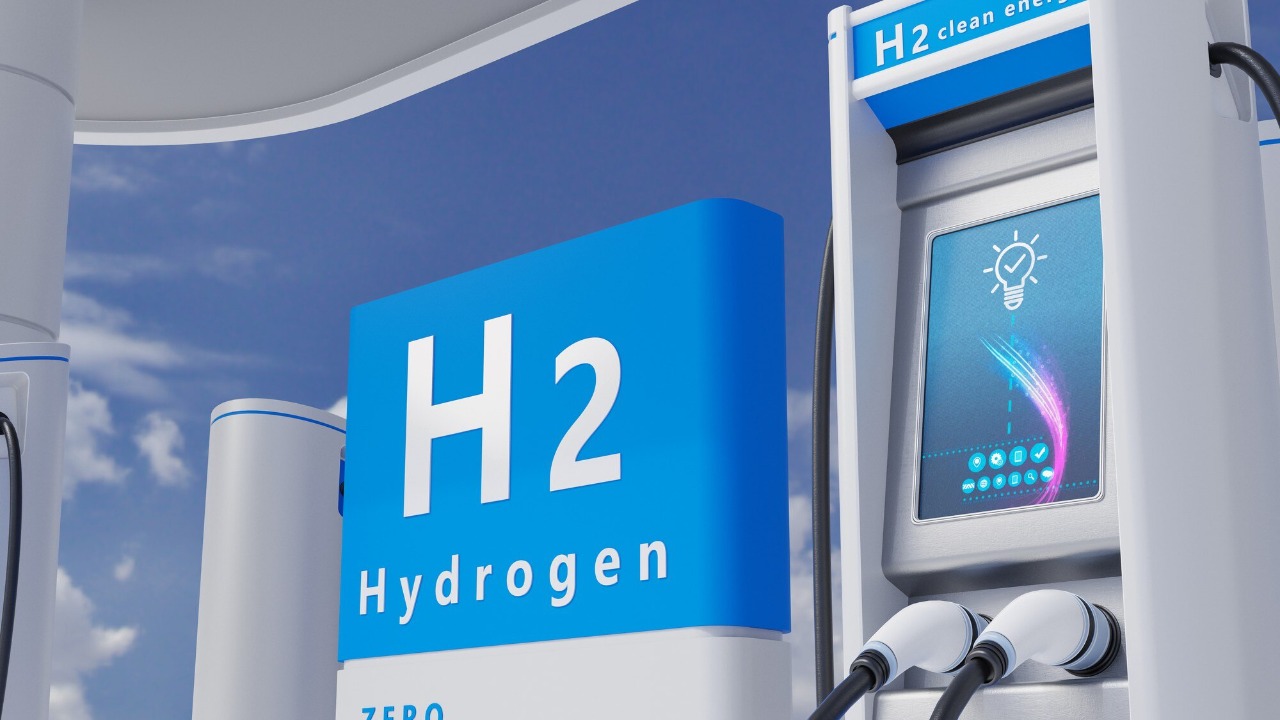
Hydrogen-powered vehicles, which use hydrogen gas as their primary source of power, are fast becoming popular alternatives to traditional gasoline vehicles. These vehicles use a fuel cell to convert hydrogen into electricity, which then powers an electric motor. This process is not only highly efficient but also environmentally friendly, as the only byproduct of this reaction is water.
Compared to traditional gas-powered vehicles, hydrogen vehicles offer a number of advantages. For starters, they emit zero harmful greenhouse gasses. Furthermore, hydrogen, being the most abundant element in the universe, presents a virtually inexhaustible fuel source. However, there are also challenges such as the energy-intensive production of hydrogen and the lack of infrastructure for hydrogen refuelling. More details on this topic can be found in this research paper.
Japan’s 90 °C Battery Breakthrough: An Overview

A major development in the world of hydrogen vehicles comes from Japan, where a new 90 °C battery technology has been developed. This technology significantly differs from conventional hydrogen fuel cell technologies. While traditional fuel cells operate at temperatures below 80 °C, this new battery can function efficiently at a higher temperature, leading to enhanced performance and efficiency of hydrogen-powered vehicles.
The innovation plays a crucial role in improving the overall efficiency of hydrogen-powered vehicles. By allowing the fuel cell to operate at higher temperatures, the 90 °C battery reduces the need for cooling systems, thereby enhancing the overall energy efficiency of the vehicle. More information on this breakthrough can be found here.
Impact on the Hydrogen Vehicle Industry

This new battery technology has the potential to revolutionize the hydrogen vehicle industry. Its higher operating temperature could lead to more compact and efficient vehicle designs, which in turn could increase the adoption rates of hydrogen vehicles. According to a study, this development could be a game-changer for the industry.
Comparisons of market growth before and after the breakthrough reveal the potential impact of this technology. The increased efficiency and performance of hydrogen vehicles equipped with the 90 °C battery could drive more consumers towards these eco-friendly alternatives, accelerating the shift away from traditional gas-powered vehicles.
Challenges and Solutions

Despite the potential benefits, there are challenges in implementing the 90 °C battery technology on a large scale. These include technical issues related to the durability and reliability of the battery at high temperatures, as well as the need for new infrastructure to support this technology. However, with the support of both the government and the private sector, these obstacles can be overcome.
A key factor in overcoming these challenges is the development of policies and initiatives that encourage the adoption of hydrogen vehicles. For instance, the Japanese government has been actively promoting the use of hydrogen as a clean energy source, which could facilitate the implementation of the 90 °C battery technology. Additionally, discussions on the Reddit Cars forum suggest that the private sector is also showing interest in this new technology.
What the Future Holds

Looking to the future, the advent of the 90 °C battery could have significant implications for the development of hydrogen-powered vehicles. This technology could pave the way for more efficient and high-performing hydrogen vehicles, contributing to the global effort to reduce greenhouse emissions and achieve environmental sustainability goals.
Furthermore, the breakthrough might also influence the development of other alternative fuel vehicles. For example, the high-temperature operation of the 90 °C battery could be applicable to other types of fuel cells, such as those used in electric vehicles. Ultimately, the successful implementation of this technology could mark a significant step forward in our journey towards a greener and more sustainable future.
