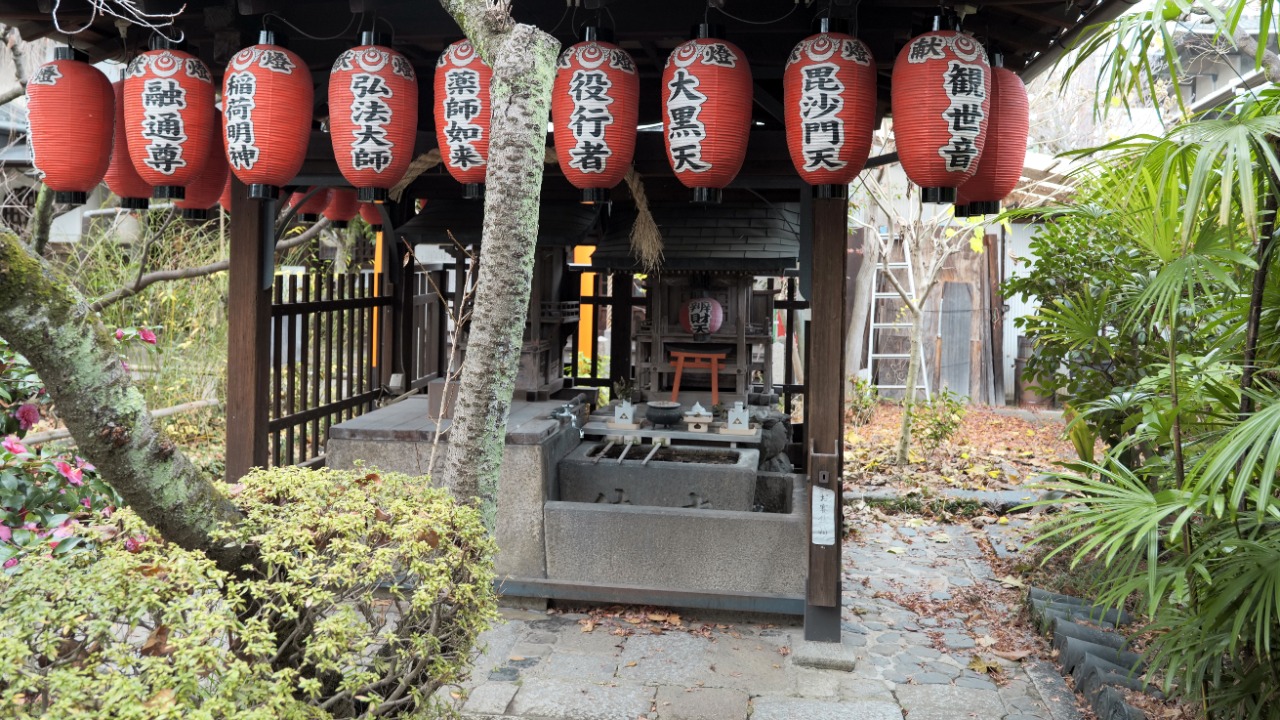
The historical and cultural richness of Japan’s ancient shrines is well-documented, but beneath their hallowed grounds lies a marvel of civil engineering. These shrines are not just spiritual centers but also serve as reservoirs of an advanced and sustainable water system, demonstrating the ancient Japanese genius in blending architecture with water management.
Unveiling the Hidden Wonder: Japan’s Advanced Underground Water System
Underneath the bustling cityscape of Japan, a world-class engineering marvel hides in plain sight. The Saitama Super Arena, a multipurpose indoor arena, houses the world’s largest underground water tank. This gigantic tank serves as a testament to Japan’s innovative approach to water management, demonstrating the nation’s ability to effectively store and distribute water, even in densely populated urban areas.
The construction of this colossal water tank was not only an engineering feat but also a significant financial investment. Despite the high costs involved, the benefits offered by this advanced water management system are invaluable. With the capacity to store and distribute massive quantities of water, this system ensures the consistent delivery of this essential resource to the city’s inhabitants.
The Sacred Connection: Water in Japanese Shrinology
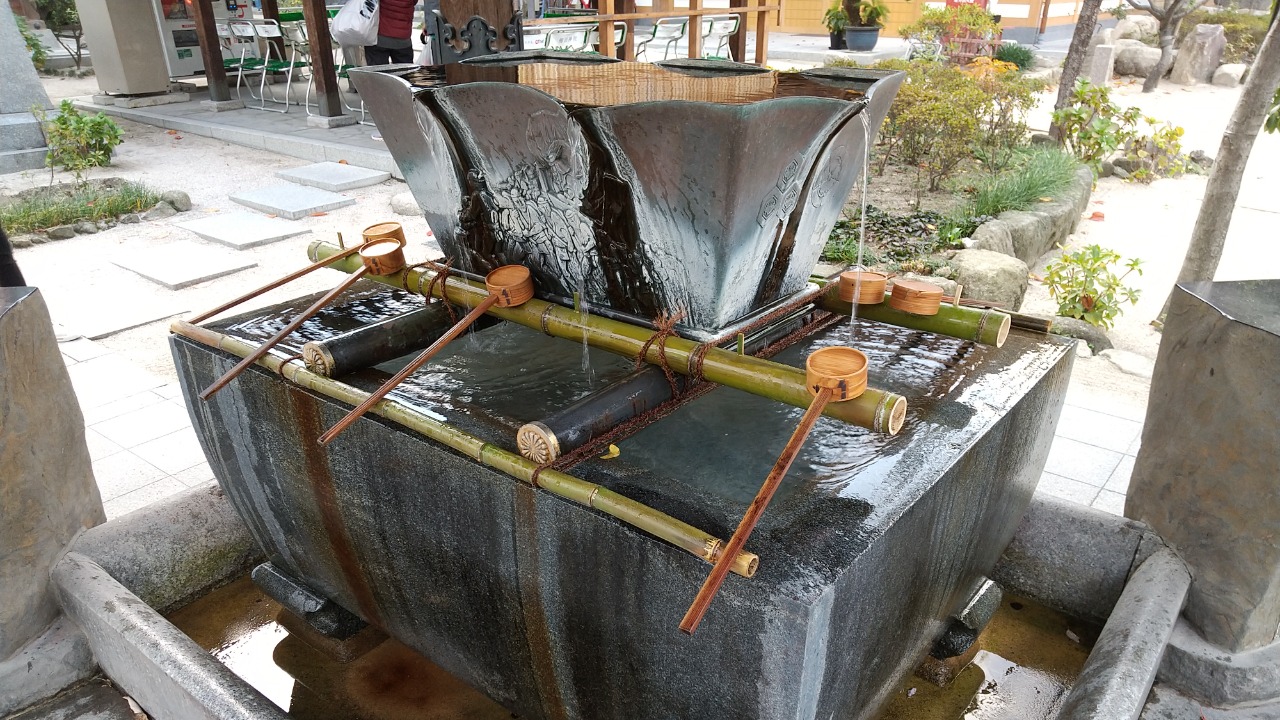
Water holds a significant place in the spiritual practices observed at Japanese shrines. A prime example is the “Temizu” ritual, which involves the symbolic cleansing of hands and mouth with water before entering the shrine. This ritual, as detailed on Japan Bite, underscores the deep-rooted connection between water and spirituality in Japanese culture.
Moreover, the architectural design of these shrines often incorporates elements of water, further highlighting the blend of cultural and practical aspects. Whether it’s the strategic placement of purification basins or the inclusion of water motifs in the design elements, the integration of water is a constant theme in Japanese shrines.
Japan’s Historical Water Management Techniques: A Look Back
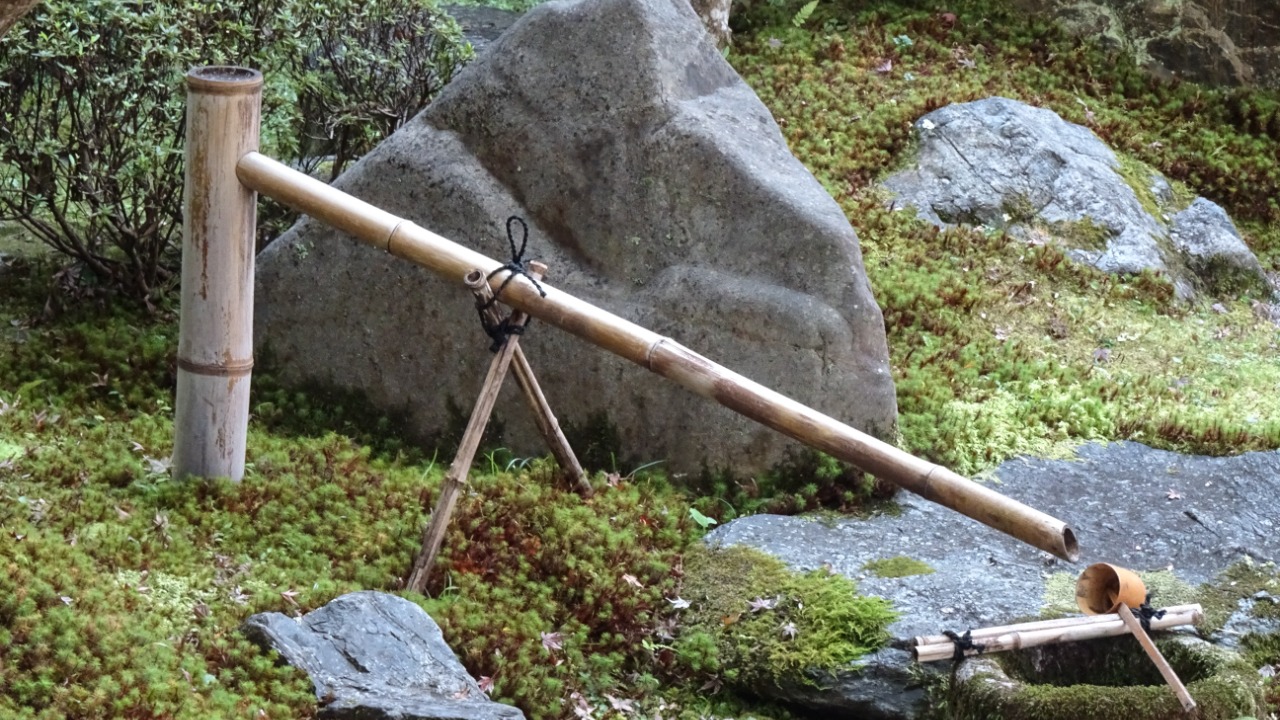
The advanced water systems found in Japan today are the result of centuries of evolution and refinement. From the intricate irrigation systems of ancient rice fields to the sophisticated underground water tanks of the modern era, Japan’s history of water management is a journey of continuous learning and adaptation. An in-depth analysis of these historical techniques can be found on JSTOR.
These historical water management techniques have greatly influenced the development of modern Japanese water infrastructure. The principles of sustainability, efficiency, and harmony with nature, which were integral to these ancient systems, continue to guide the design and implementation of contemporary water management solutions in Japan.
Implications of Japan’s Shrine Water System on Modern Urban Planning

Japan’s shrine water systems offer valuable insights for modern urban planning. The seamless integration of these systems into densely populated urban spaces without disrupting their aesthetic appeal is a lesson in efficient space utilization. Moreover, these systems demonstrate how a city’s infrastructure can coexist harmoniously with its natural and cultural elements.
The sustainable aspects of these historical water systems also hold potential solutions to modern environmental challenges. By harnessing the principles of these systems, urban planners can design more sustainable and resilient cities. For a detailed study on this, refer to the article published in Oxford Academic.
Conclusion: The Resilience and Innovation of Japanese Engineering

The resilience of Japanese engineering is evident in the advanced water systems hidden beneath their shrines. Unfazed by the test of time, these systems continue to function efficiently, serving as a testament to the durability and reliability of Japanese engineering.
Furthermore, these hidden water systems demonstrate Japan’s innovative thinking. The ability to balance cultural significance with practical necessities exemplifies the nation’s forward-thinking approach. For a comprehensive understanding of Japan’s innovative water systems, refer to the book available on Google Books.
