Japan is accelerating the deployment of its F-35B ‘Jump Jets’ in response to the increasing military pressure from China. As regional tensions rise, these advanced aircraft are pivotal to enhancing Japan’s defense capabilities in the Asia-Pacific theater. The move is part of a broader strategy to fortify the nation’s security in a dynamically shifting geopolitical landscape.
The Strategic Importance of the F-35B Fleet
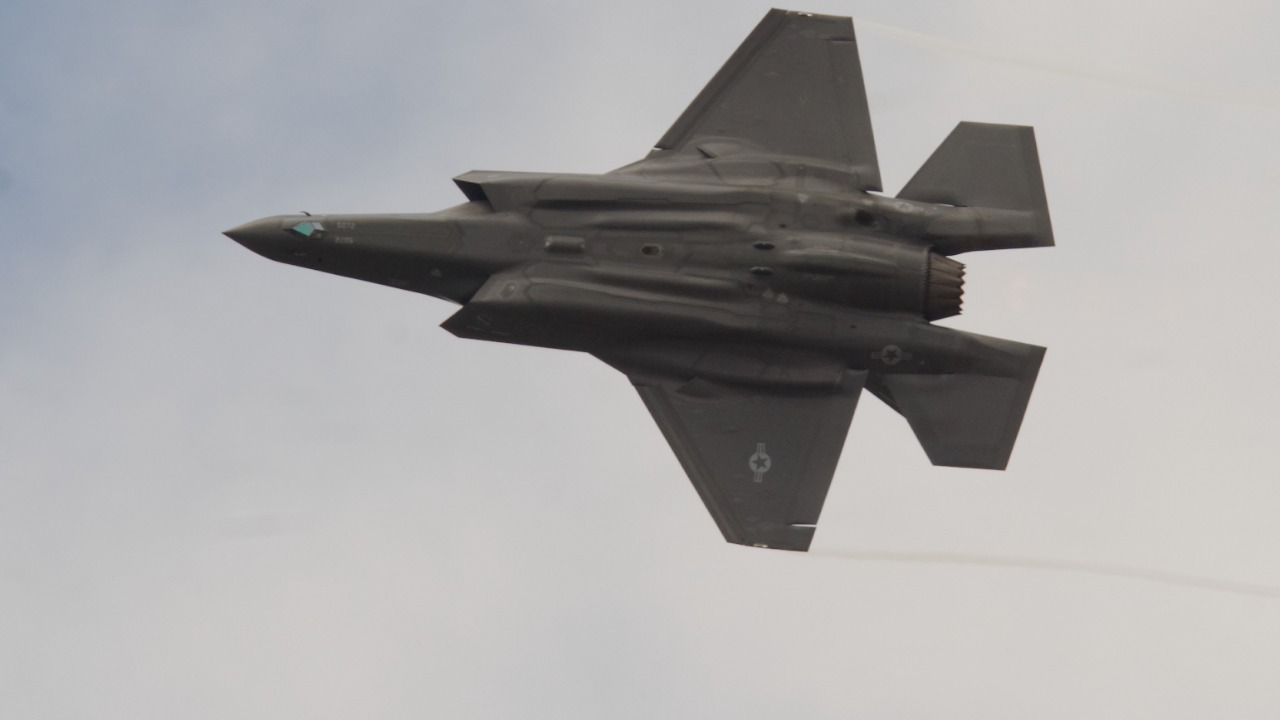
The F-35B is an essential addition to Japan’s military arsenal, known for its unique vertical takeoff and landing capabilities. This feature is particularly suited to Japan’s geographical constraints, where the availability of long runways can be limited. The ability to operate from short strips or even improvised airfields provides Japan with a significant tactical advantage, allowing rapid deployment and flexibility in various combat scenarios.
By integrating the F-35B into its defense forces, Japan strengthens its military alliances and deterrence strategies. The jets serve as a formidable deterrent against potential aggressors, enhancing Japan’s ability to project power and maintain stability in the region. However, incorporating these advanced aircraft into the Self-Defense Forces presents challenges, including pilot training and maintenance support, which require substantial investment and coordination.
Rising Tensions in the Asia-Pacific Region
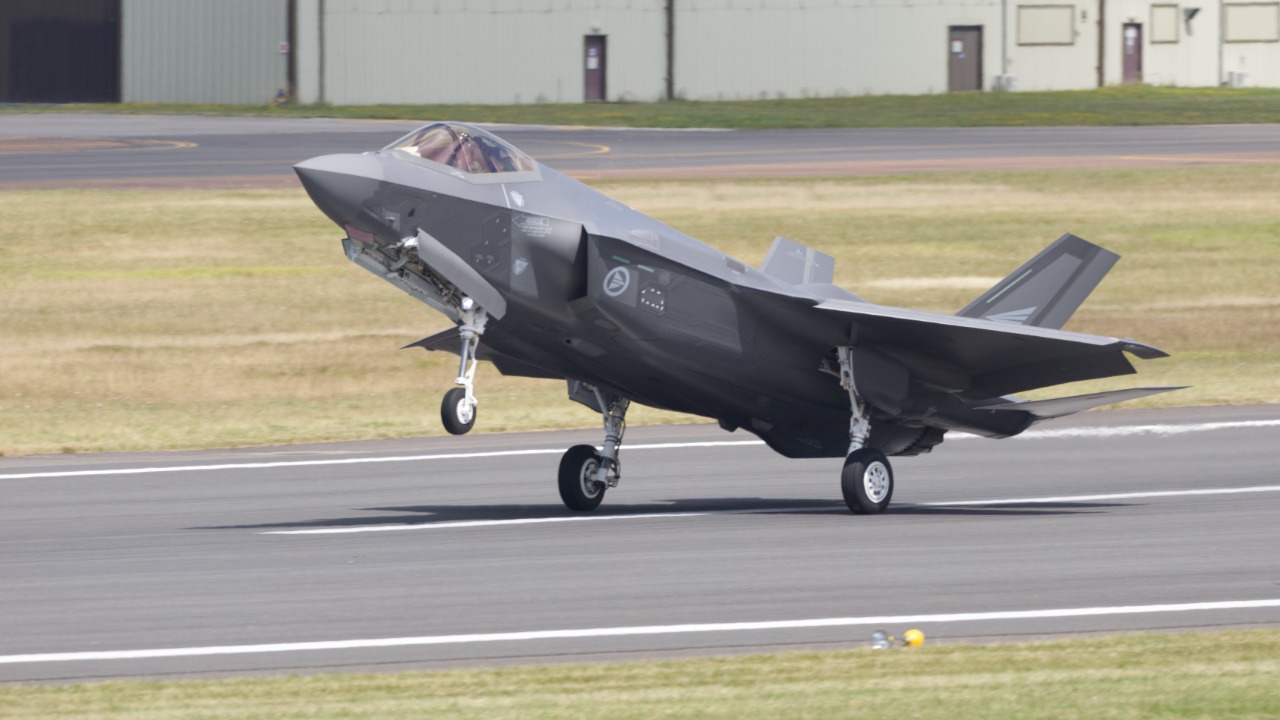
China’s military expansion is a significant factor contributing to regional tensions. With the development of advanced aerial capabilities such as the J-35 stealth fighters, China is rapidly modernizing its air force, prompting neighboring countries to reassess their defense strategies. This expansion has raised alarms not only for Japan but also for other Asia-Pacific nations concerned about maintaining a balance of power.
Territorial disputes, particularly in the East and South China Seas, play a crucial role in regional dynamics. These waters, rich in resources and strategically significant, are hotly contested, with China’s assertive claims creating flashpoints for potential conflict. As tensions persist, international responses have varied, with countries like the United States and Australia increasing their military presence and bolstering alliances to counterbalance China’s growing influence.
Technology and Capability Advancements
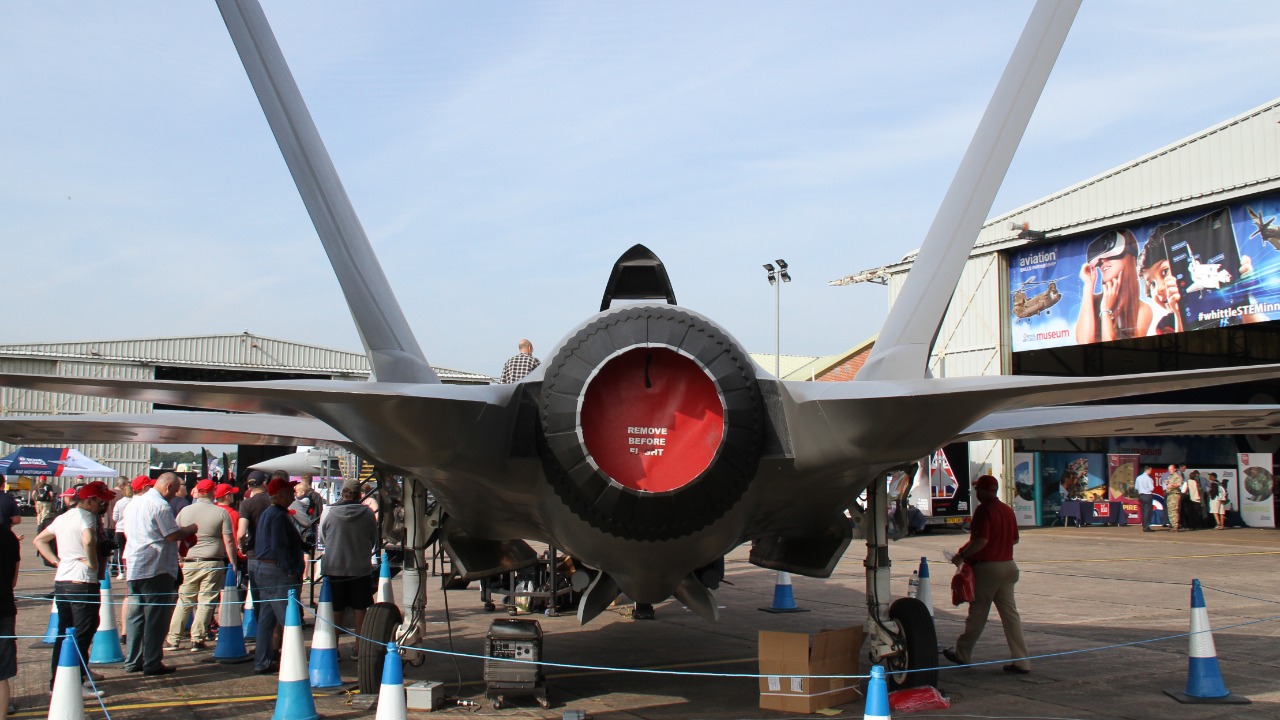
The F-35B is at the forefront of military aviation technology, boasting cutting-edge features like stealth, sensor fusion, and advanced avionics. These capabilities allow it to conduct missions with a high level of survivability and effectiveness, making it a critical asset in modern warfare. The aircraft’s ability to gather, analyze, and share data in real-time enhances situational awareness and decision-making on the battlefield.
When compared to its Chinese counterparts, the F-35B offers a technological edge, particularly against aircraft like the J-35. This superiority is attributed to its advanced sensor suite and network-centric capabilities, providing a tactical advantage in air engagements. Looking to the future, the F-35B is expected to play a vital role in next-generation warfare, with potential upgrades and enhancements ensuring it remains a cornerstone of Japan’s defense strategy.
Economic and Political Considerations

The decision to fast-track the F-35B program carries significant budgetary implications for Japan. The considerable investment required for procurement, training, and maintenance is a major financial commitment, impacting national defense budgets. However, this expenditure is deemed necessary to secure Japan’s strategic interests and maintain regional stability.
Domestically, the move has sparked debate, with public opinion divided over the increased military spending. Internationally, the deployment of the F-35B has political repercussions, potentially straining diplomatic relations with neighboring countries wary of Japan’s military resurgence. Nevertheless, the strong US-Japan alliance remains a cornerstone of Japan’s security policy, with the F-35B serving as a symbol of this enduring partnership.
Implications for Regional Security
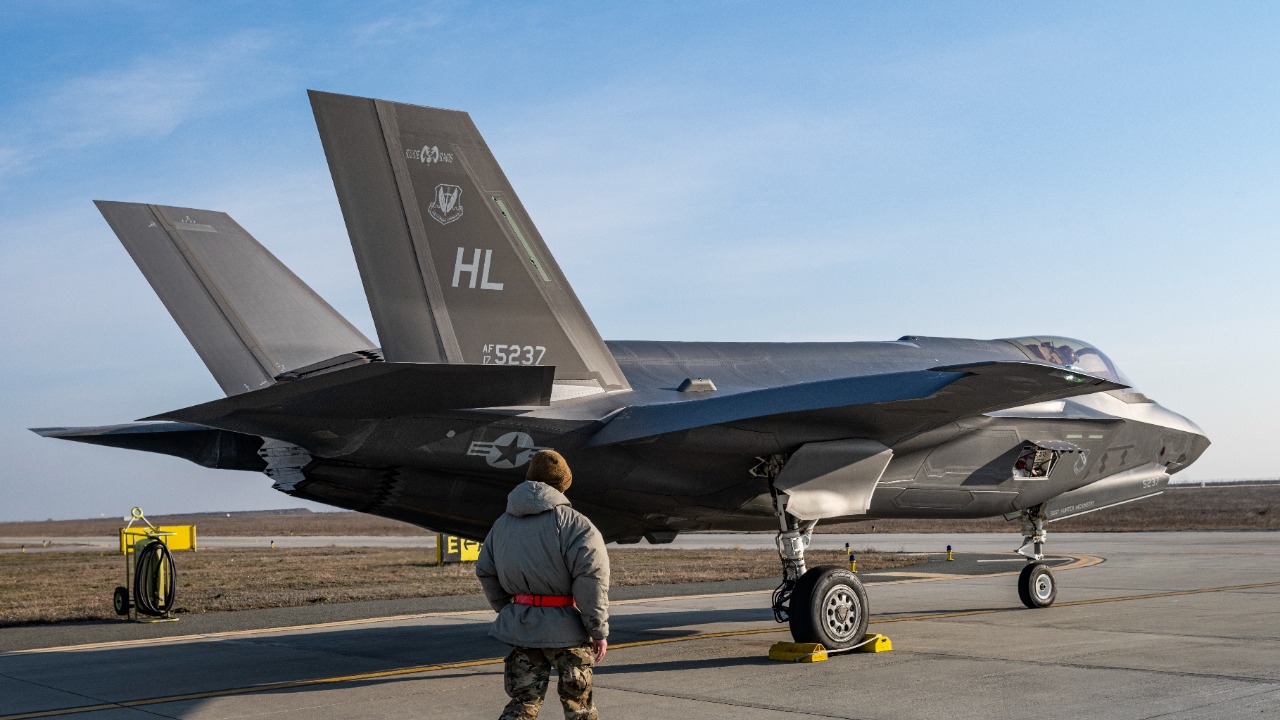
The introduction of the F-35B into Japan’s defense forces significantly strengthens the nation’s deterrence capabilities. These aircraft serve as a potent deterrent against potential aggressors, signaling Japan’s commitment to defending its territorial integrity and maintaining regional peace. However, this military enhancement could potentially accelerate an arms race in the Asia-Pacific, as neighboring countries may feel compelled to upgrade their own defense systems.
In the long term, the deployment of the F-35B fits into Japan’s broader vision for national and regional security. The aircraft’s advanced capabilities and strategic value align with Japan’s goals of ensuring stability and safeguarding its interests in a rapidly evolving geopolitical environment. As Japan continues to navigate the complexities of regional security, the F-35B will undoubtedly play a pivotal role in shaping the future of the nation’s defense strategy.
