At Kyoto University Hospital, a groundbreaking clinical trial has commenced, marking the first human trial of a drug designed to regrow teeth. This innovative research could revolutionize dental treatment and offer a solution to millions suffering from tooth loss worldwide. By exploring the mechanisms behind dental regeneration, Japanese scientists aim to bring a novel therapeutic option to the forefront of modern dentistry.
The Science Behind Tooth Regrowth

The quest to regrow teeth involves understanding and manipulating the biological processes that occur at the cellular level. The drug under trial aims to stimulate the regeneration of dental tissue by activating specific genes and pathways that are responsible for tooth development. This process is akin to how teeth naturally form during early human development. By harnessing this natural potential, scientists hope to trigger a controlled regrowth of teeth, offering a potentially permanent solution to tooth loss.
Historically, the concept of tooth regeneration has been explored through various approaches, including stem cell therapy and tissue engineering. Previous research in regenerative medicine has laid the groundwork for this trial, overcoming numerous scientific challenges. Innovations such as bioactive scaffolds and growth factor delivery systems have been pivotal in advancing the field. However, significant hurdles remain, such as ensuring the precise control of tooth shape and size, as well as integrating the newly grown teeth with existing dental structures.
The Significance of the Clinical Trial
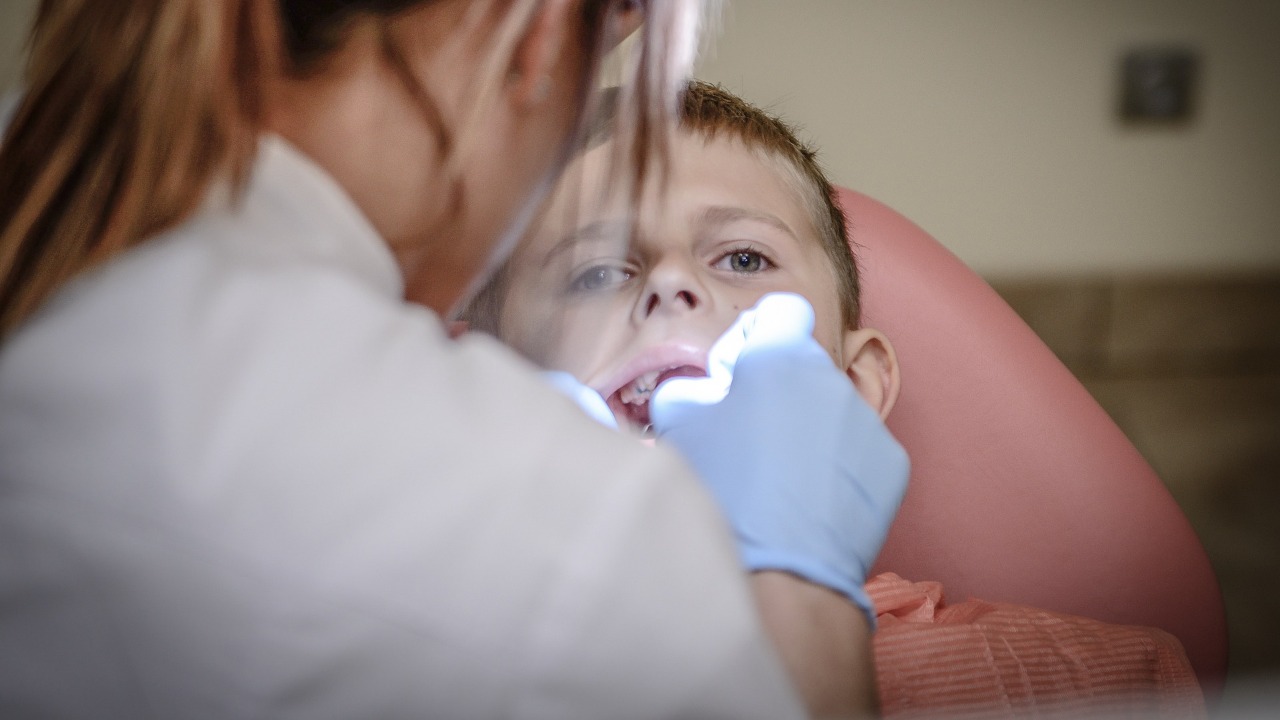
The clinical trial at Kyoto University Hospital is structured into phases, each designed to rigorously test the safety and efficacy of the tooth-regenerating drug. These phases will assess various factors, including dosage, side effects, and the drug’s ability to successfully stimulate tooth regrowth. Researchers anticipate that successful completion of the trial phases could lead to a revolutionary shift in dental practices, offering a viable alternative to traditional methods such as dentures and implants.
The potential impact on dentistry is profound. Should the trials prove successful, they could lead to a paradigm shift in how dental professionals approach tooth loss. This innovation could reduce the reliance on costly and invasive procedures, making dental care more accessible and less burdensome for patients. The ethical considerations surrounding such a groundbreaking treatment are also paramount. The trial must adhere to strict regulations to ensure the safety and well-being of participants, addressing concerns about the long-term effects and potential risks of regenerative medicine.
The Role of Kyoto University Hospital
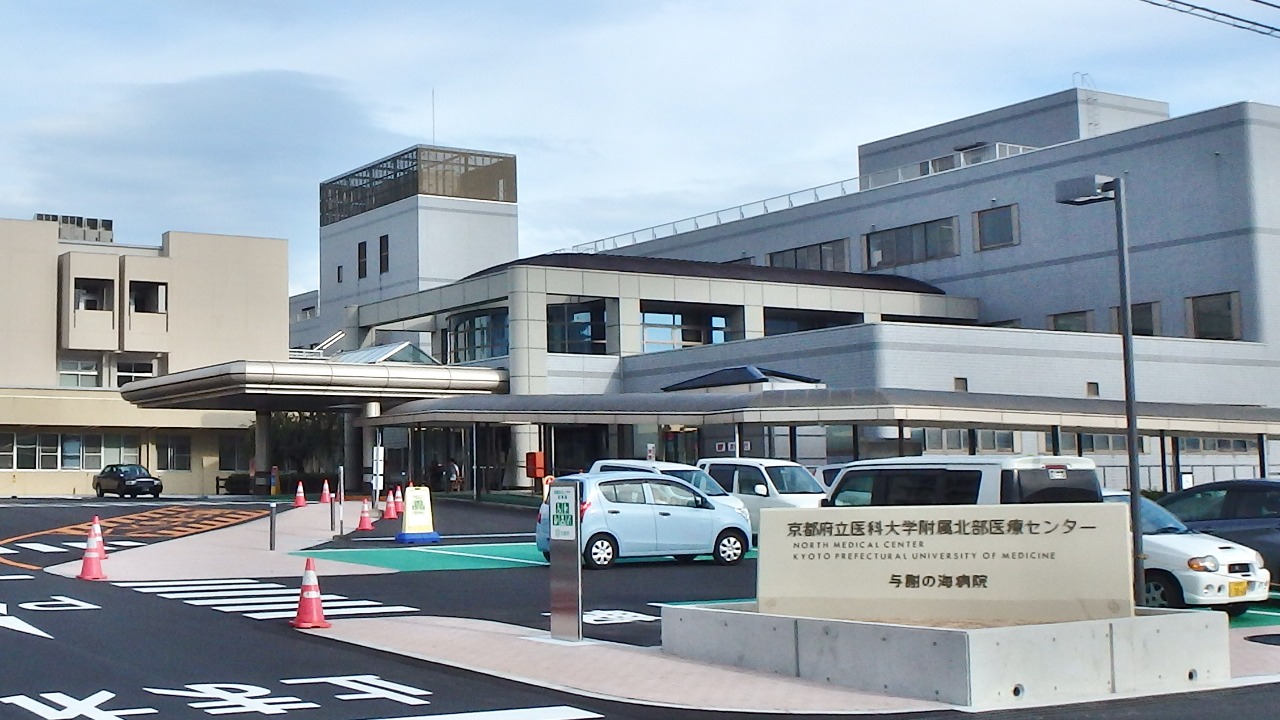
Kyoto University Hospital has long been at the forefront of pioneering medical research, with a history of significant contributions to various fields of healthcare. This institution is known for its commitment to advancing medical science through rigorous research and innovative approaches. The hospital’s involvement in the tooth regrowth trial underlines its dedication to exploring novel solutions that could have far-reaching implications for global health.
The success of such a complex trial is not solely the result of the hospital’s efforts but also its collaborative partnerships with other research institutions. These collaborations bring together a wealth of expertise and resources, enhancing the trial’s potential for success. Additionally, the hospital’s state-of-the-art infrastructure and expertise provide an ideal environment for conducting such intricate research. The combination of advanced technology and skilled professionals ensures that the trial is executed with precision and care, setting a benchmark for future studies in regenerative medicine.
Global Implications of Tooth Regeneration
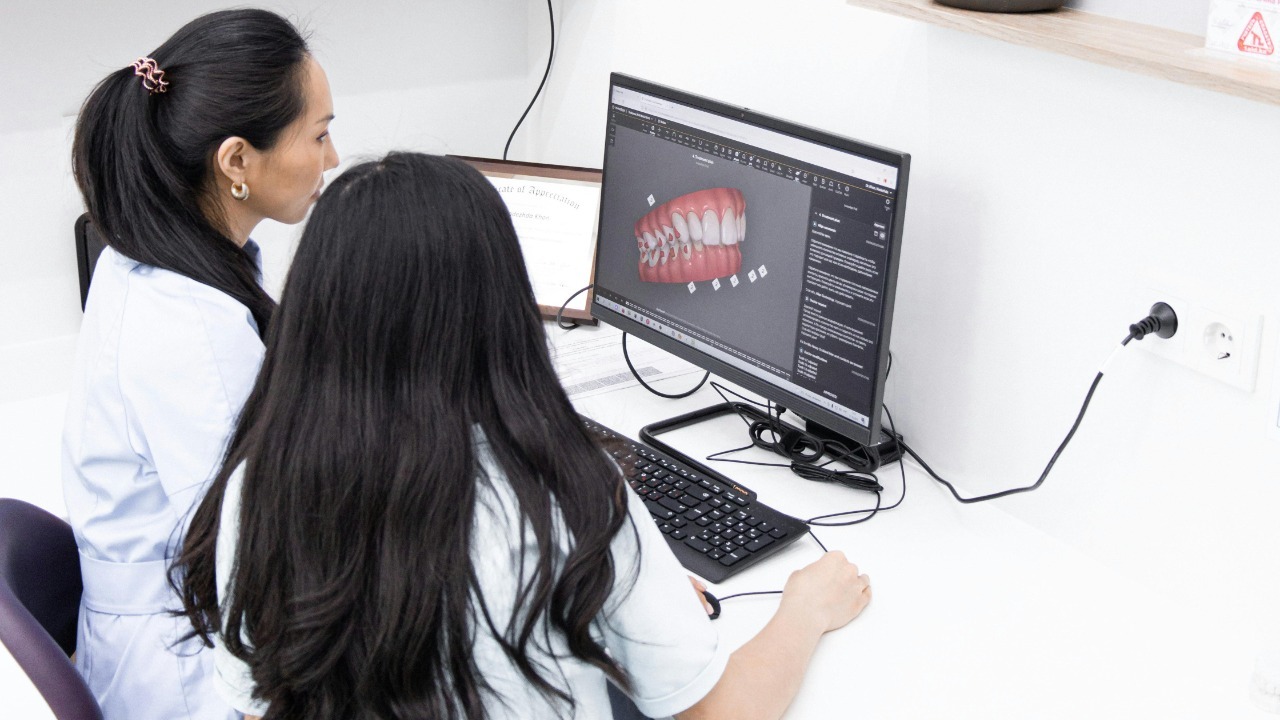
The innovation of tooth regeneration has the potential to address widespread dental health issues on a global scale. Tooth loss is a significant problem affecting millions across various demographics, often leading to decreased quality of life and increased healthcare costs. By offering a sustainable solution to tooth loss, this breakthrough could alleviate the burden on public health systems and improve the lives of countless individuals.
Economically, the implications are equally significant. The reduction in demand for traditional and often expensive dental procedures could lead to substantial cost savings in dental care, making it more accessible to a broader population. This development could also stimulate further investment in regenerative medicine, potentially leading to advancements beyond dentistry and into other areas of healthcare.
Public Reception and Future Outlook

Public perception of the tooth regrowth trial is a mix of optimism and skepticism. Many are hopeful about the potential benefits, while others remain cautious about the unknowns associated with such a novel treatment. The media has played a significant role in shaping public expectations, with coverage ranging from enthusiastic endorsements to critical analyses of the trial’s potential risks and rewards.
As the trial progresses, the long-term vision for tooth regrowth therapy extends beyond immediate dental applications. Successful outcomes could pave the way for advancements in other areas of regenerative medicine, offering new hope for conditions previously deemed untreatable. The broader implications of this research could redefine healthcare practices, emphasizing the body’s intrinsic ability to heal and regenerate.
In conclusion, the first human trial of a drug designed to regrow teeth at Kyoto University Hospital represents a significant milestone in dental and regenerative medicine. The collaboration, expertise, and cutting-edge research involved highlight the potential for transformative changes in how we approach dental health and beyond.
