Jane Goodall, the renowned primatologist who revolutionized our understanding of primates with her discovery of chimpanzee tool use, has passed away at the age of 91. Her groundbreaking research and tireless advocacy for wildlife conservation have left an indelible mark on the field of primatology and the world at large.
Early Career Beginnings
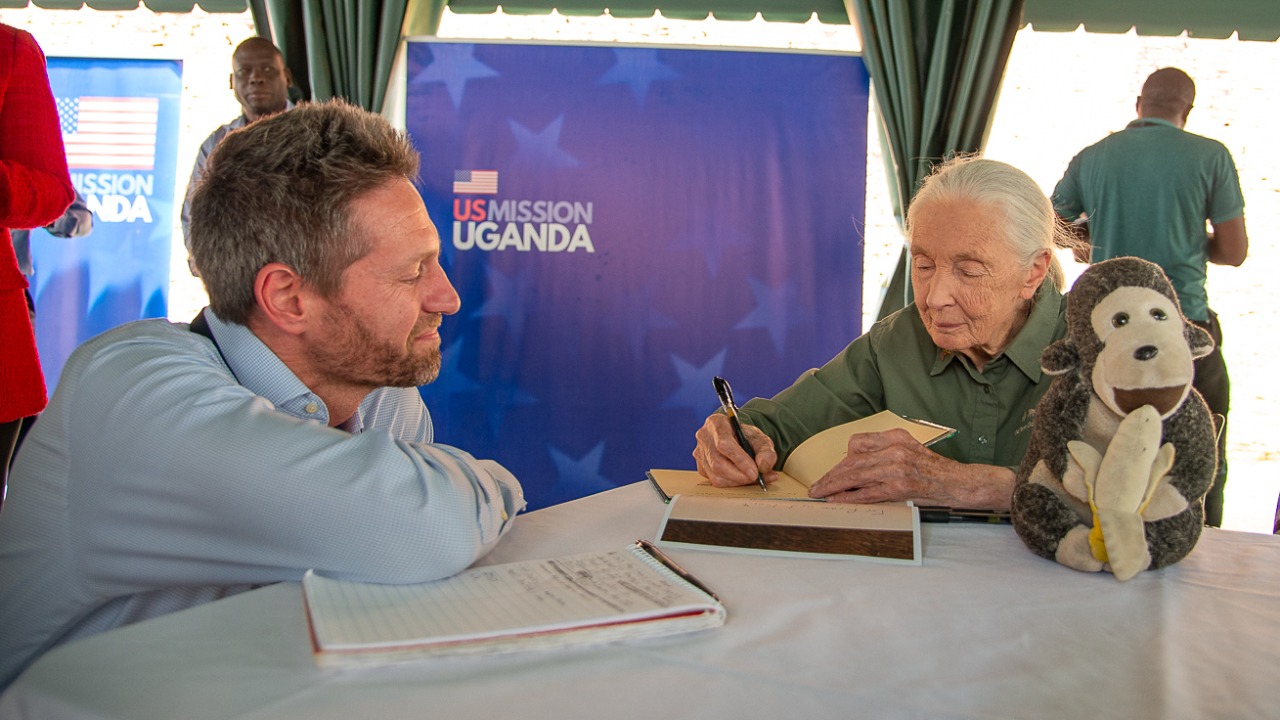
Goodall’s journey into primatology was driven by a deep fascination with animals and a desire to understand their behaviors. Her initial foray into the field was marked by a determination to study chimpanzees in their natural habitat, a decision that would ultimately reshape our understanding of these complex creatures (Live Science). Preparing for this endeavor, Goodall was influenced by key figures and underwent rigorous training to equip herself for the challenges of fieldwork (NBC Los Angeles).
Goodall’s early career was marked by her tenacity and resilience. Despite having no formal training in primatology, she was determined to study chimpanzees in their natural habitat. She was mentored by the renowned anthropologist Louis Leakey, who recognized her potential and helped her secure funding for her research. Goodall’s early years in the field were challenging, but her dedication and passion for understanding chimpanzee behavior laid the groundwork for her future discoveries (Live Science).
Discovery of Chimpanzee Tool Use
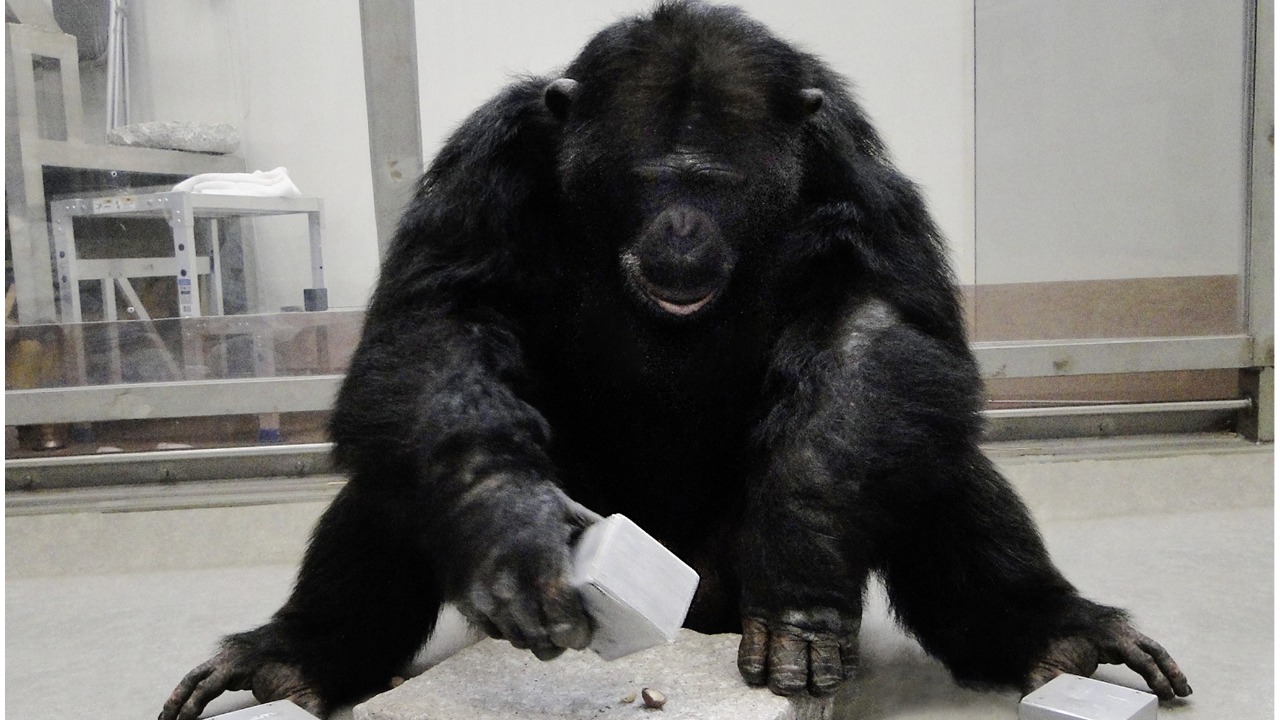
Goodall’s most significant contribution to science came when she observed chimpanzees using tools, a behavior previously believed to be exclusive to humans. This discovery challenged existing scientific views on primate intelligence and opened up new avenues of research (Live Science). The breakthrough came during her time observing wild chimpanzees, providing invaluable context to her findings (NBC Los Angeles). This discovery had far-reaching implications, reshaping our understanding of animal behavior and evolution (The Tower).
Goodall’s discovery of chimpanzee tool use was a pivotal moment in the field of primatology. She observed a male chimpanzee, whom she named David Greybeard, using a twig to extract termites from a mound. This was the first recorded instance of a non-human primate using tools, a behavior that was previously thought to be unique to humans. Goodall’s discovery challenged the prevailing scientific paradigm and revolutionized our understanding of primate intelligence (NBC Los Angeles).
Research in Gombe Stream
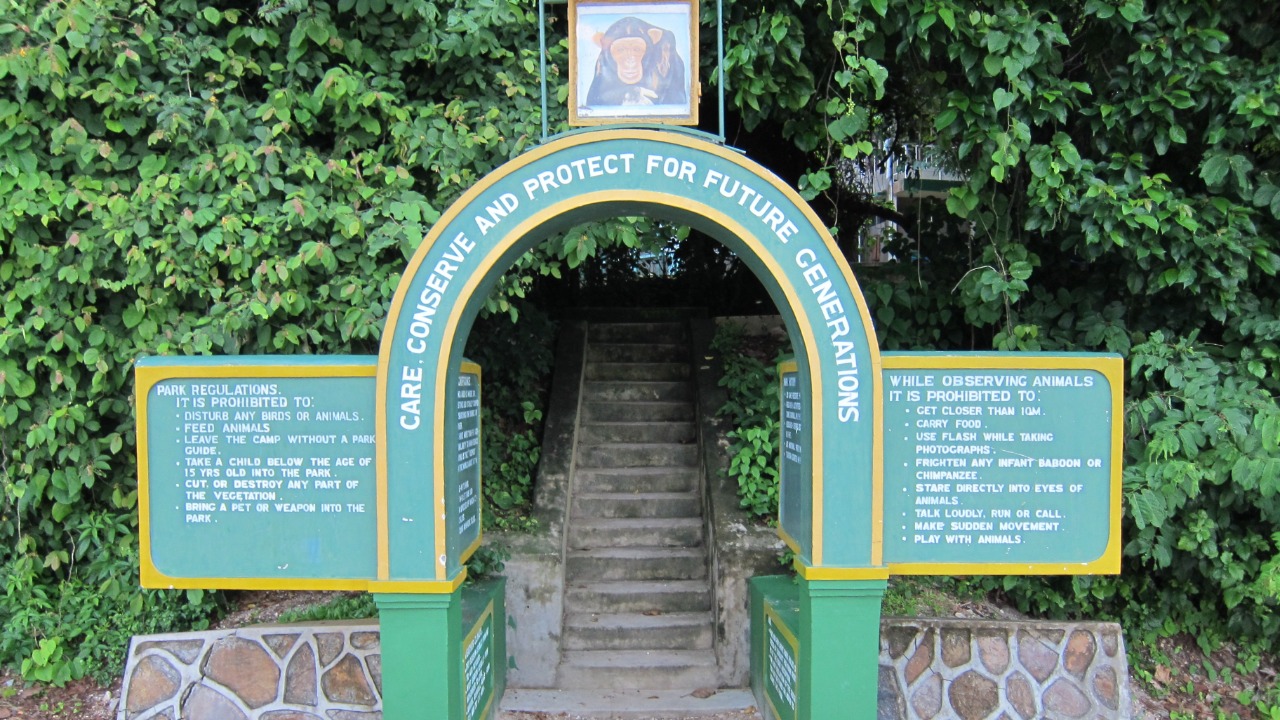
Goodall established a long-term research site in Tanzania’s Gombe Stream National Park, which became the foundation for her extensive studies on chimpanzee behavior (Patch). Her observations extended beyond tool use, delving into the complex social structures and behaviors of chimpanzees. This research provided unprecedented insights into the lives of our closest living relatives (GoLocalProv).
Goodall’s research in Gombe Stream National Park was groundbreaking. She spent decades observing and documenting the social dynamics, behaviors, and intelligence of the chimpanzee communities there. Her research revealed that chimpanzees have complex social structures, exhibit a wide range of emotions, and are capable of both altruistic and aggressive behaviors. These findings challenged the notion of human exceptionalism and significantly advanced our understanding of primate behavior (GoLocalProv).
Conservation Advocacy
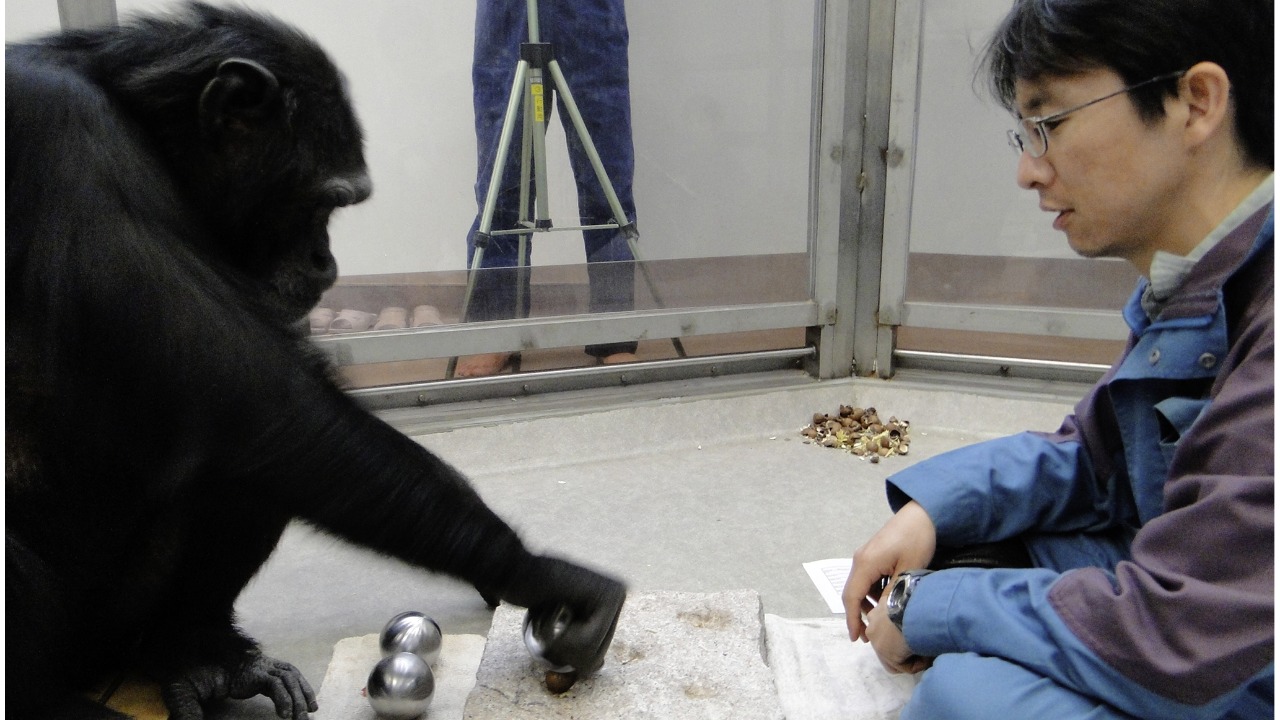
Over time, Goodall transitioned from research to active conservation work, becoming a vocal advocate for endangered species (GoLocalProv). She founded organizations dedicated to wildlife protection and environmental education, using her influence to promote conservation efforts worldwide (NBC Los Angeles). Goodall’s advocacy extended to combating habitat loss and poaching, issues that pose significant threats to wildlife populations (The Tower).
She founded the Jane Goodall Institute, which promotes wildlife conservation and environmental education. Goodall also played a key role in the establishment of the Tchimpounga Chimpanzee Rehabilitation Center in the Republic of Congo, which provides care for orphaned and injured chimpanzees (The Tower).
Awards and Honors
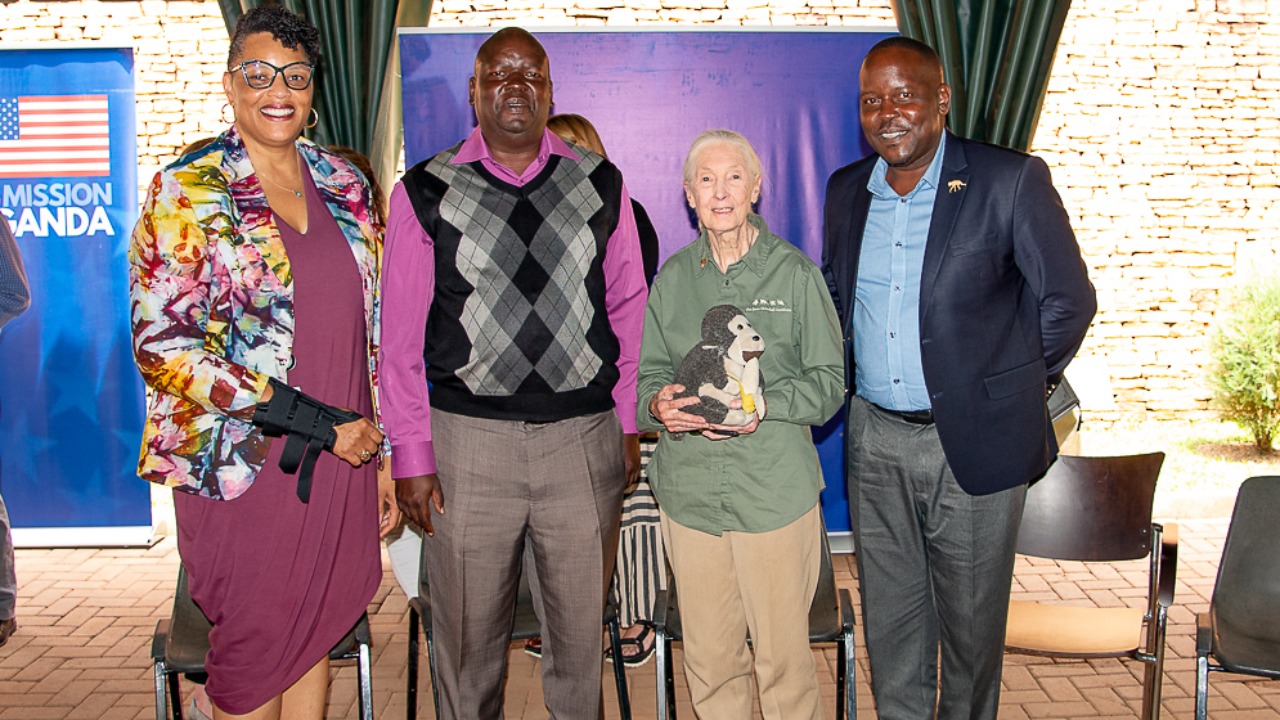
Over the course of her career, Goodall received numerous awards and honors in recognition of her contributions to science and conservation. She was named a Dame Commander of the Order of the British Empire, one of the highest honors in the United Kingdom. She also received the Kyoto Prize in Basic Science, the Benjamin Franklin Medal in Life Science, and the Gandhi-King Award for Nonviolence. These accolades reflect the profound impact of Goodall’s work on our understanding of the natural world (Patch).
Personal Life and Later Years
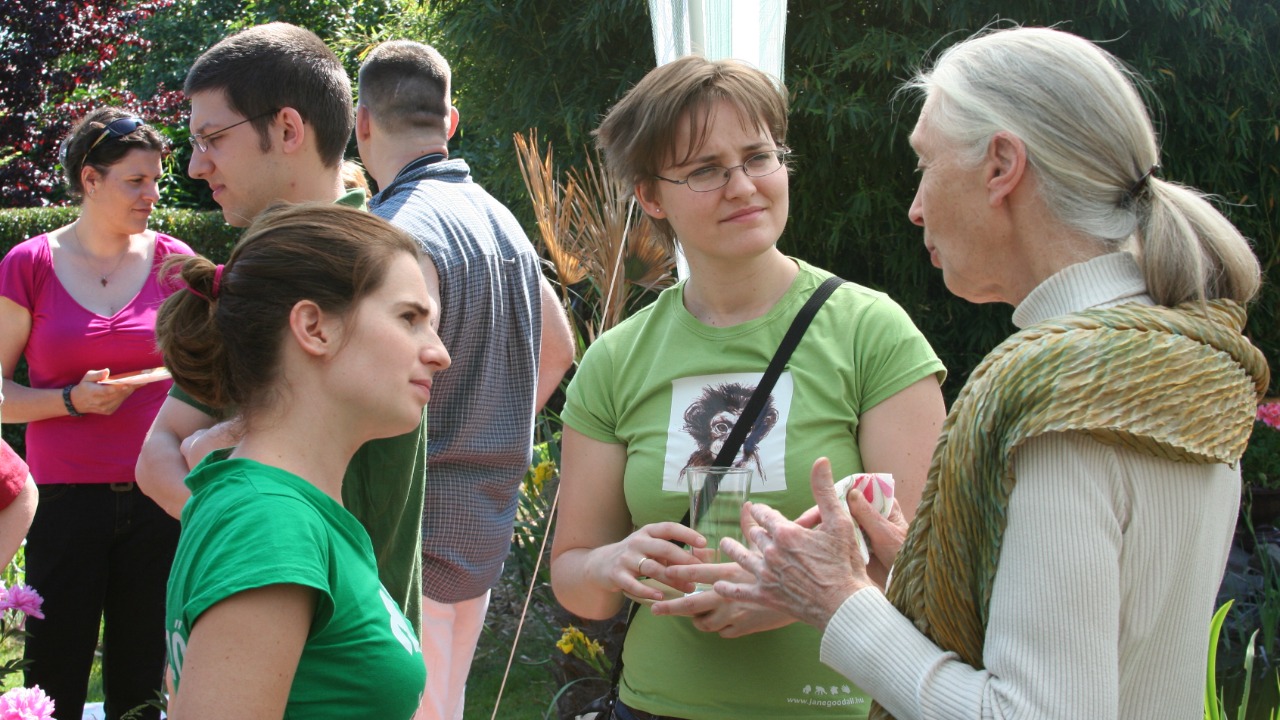
Goodall’s personal life was as rich and varied as her professional career. She was married twice and had one son, Hugo Eric Louis van Lawick, who followed in his mother’s footsteps and became a wildlife filmmaker. Despite the demands of her work, Goodall remained deeply committed to her family and friends. In her later years, she continued to travel extensively, giving lectures and promoting conservation efforts around the world. Her passion for wildlife and dedication to conservation remained undiminished until the end of her life (NBC Los Angeles).
Lasting Impact on Science
Goodall’s work has had a profound and lasting impact on the scientific community. Her research challenged long-held beliefs about primate behavior and intelligence, and her advocacy for ethical animal research has influenced guidelines and practices in the field. Goodall’s legacy continues to inspire future generations of scientists, conservationists, and animal lovers. Her pioneering research and tireless advocacy for wildlife conservation have left an indelible mark on the world (Live Science).
