In a historic discovery that has left scientists and astronomy enthusiasts in awe, the James Webb Space Telescope (JWST) has potentially identified a new exoplanet orbiting Alpha Centauri A. This finding not only expands our knowledge of the universe but also offers a fascinating look into planetary systems beyond our own.
The James Webb Space Telescope: A Game-Changer in Space Exploration

Launched in 2021, the James Webb Space Telescope (JWST) is a marvel of modern astronomy. Its mission is to explore the universe in unparalleled detail, from the first galaxies that formed after the Big Bang to the formation of star systems capable of supporting life. The JWST, with its impressive array of instruments, is designed to observe the universe in the infrared range of the electromagnetic spectrum, allowing it to peer through dust clouds and into the very hearts of galaxies.
The role of the JWST in the detection of the potential exoplanet cannot be overstated. Unlike its predecessor, the Hubble Space Telescope, which primarily observed in visible and ultraviolet light, JWST’s infrared capabilities enable it to uncover hidden treasures in the universe. This technology has been pivotal in the detection of the potential exoplanet orbiting Alpha Centauri A.
Alpha Centauri A: The Closest Star System to Earth
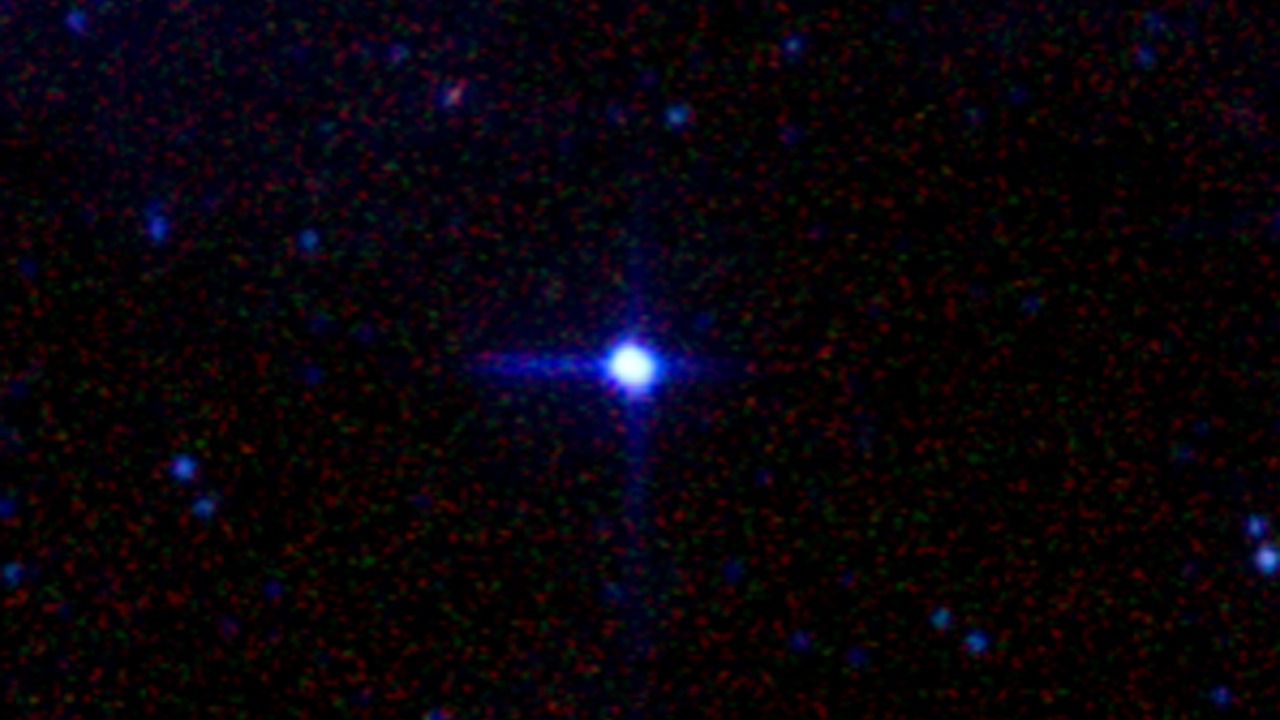
Alpha Centauri A is part of the closest star system to our own, lying just over four light-years away. Its proximity makes it a tantalizing target for astronomers and has spurred numerous investigations into this system. The potential discovery of an exoplanet in this system is particularly exciting as it could offer insights into planetary formation and conditions in our cosmic neighborhood.
Previous attempts to explore this star system have been fraught with challenges. The brightness of the stars in the Alpha Centauri system, coupled with limitations in telescope technology, made the detection of planets tricky. However, with the advent of the JWST, astronomers are now able to cut through the luminous glare of the stars to potentially spot previously unseen celestial bodies.
Unveiling the Potential New Exoplanet
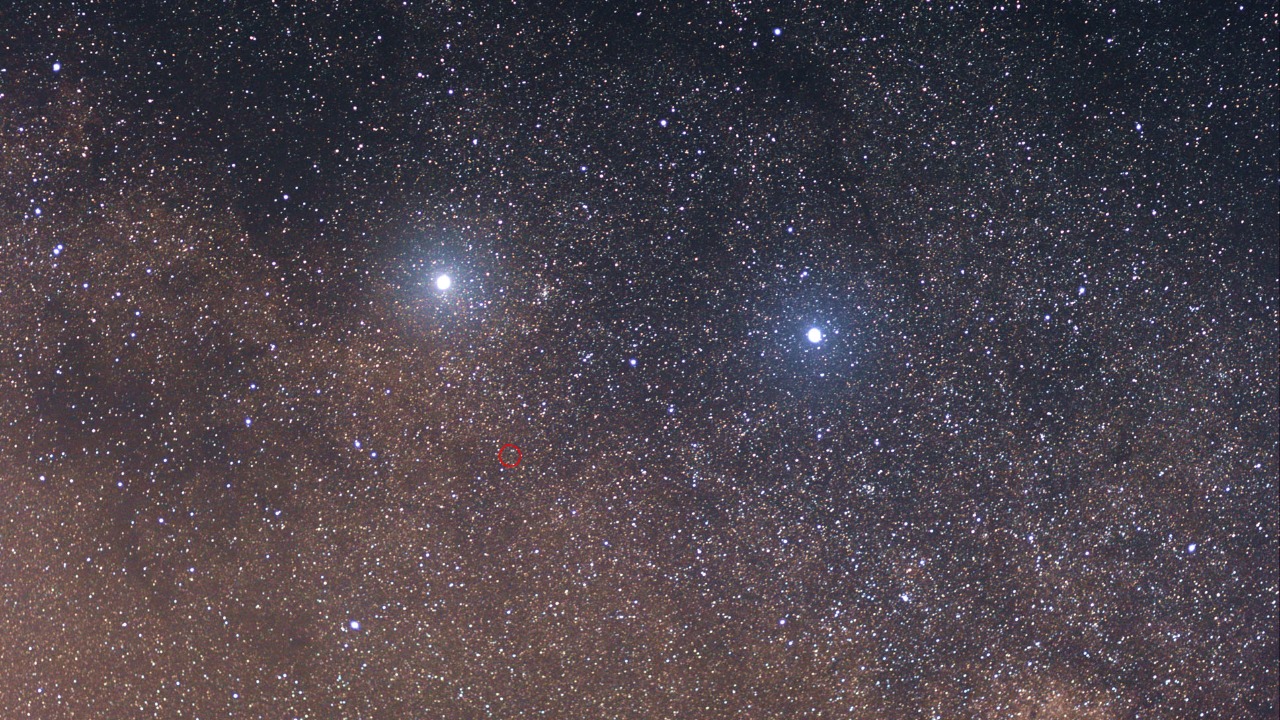
Details about the potential exoplanet, such as its size, orbit, and other unique characteristics, are still being analyzed. What we do know, thanks to the JWST’s advanced technology, is that this planet appears to be a gas giant, similar in size to Jupiter. This is an exciting find, as gas giants are thought to play a crucial role in planetary system formation.
The process used by JWST to detect this potential exoplanet involved a method known as transit photometry. By observing the star’s light dim slightly as the planet passed in front of it, JWST was able to infer the existence of the exoplanet. As for the question of life and habitability, it’s too early to speculate, but the discovery opens up exciting possibilities for future research.
Implications for Future Research and Exploration

This discovery could have a profound impact on future astronomical research and space exploration. The potential exoplanet around Alpha Centauri A could provide a unique laboratory for studying the atmospheres of gas giants outside our solar system. It could also shed light on the processes involved in planet formation and evolution.
The role of the JWST in this discovery underscores the telescope’s importance in shaping our understanding of the universe and its potential for future discoveries. With its advanced capabilities, the JWST is set to continue its mission of revealing the secrets of the cosmos and potentially discovering more exoplanets in the future.
Public and Scientific Reactions to the Discovery

The discovery has been met with excitement and anticipation in both the scientific community and the public. For astronomers, the potential exoplanet represents a significant step forward in our understanding of the universe and the search for extraterrestrial life. To the public, discoveries such as this one underscore the awe-inspiring vastness of the universe and the potential for new, remarkable discoveries.
Speculations and theories about the potential exoplanet are already circulating, with many people eager to learn more about this intriguing new world. While the journey to fully understanding this celestial body is just beginning, one thing is clear: the discovery of a potential exoplanet around Alpha Centauri A marks a new chapter in the era of space exploration.
