The James Webb Space Telescope has unveiled breathtaking, never-before-seen details of the black hole jet in M87, offering unprecedented insights into this supermassive black hole located 55 million light-years away in the Virgo cluster. These observations, released in early October 2025, reveal intricate structures in the jet emanating from the black hole, marking a significant advancement in astrophysics. [source]
Background on M87’s Black Hole
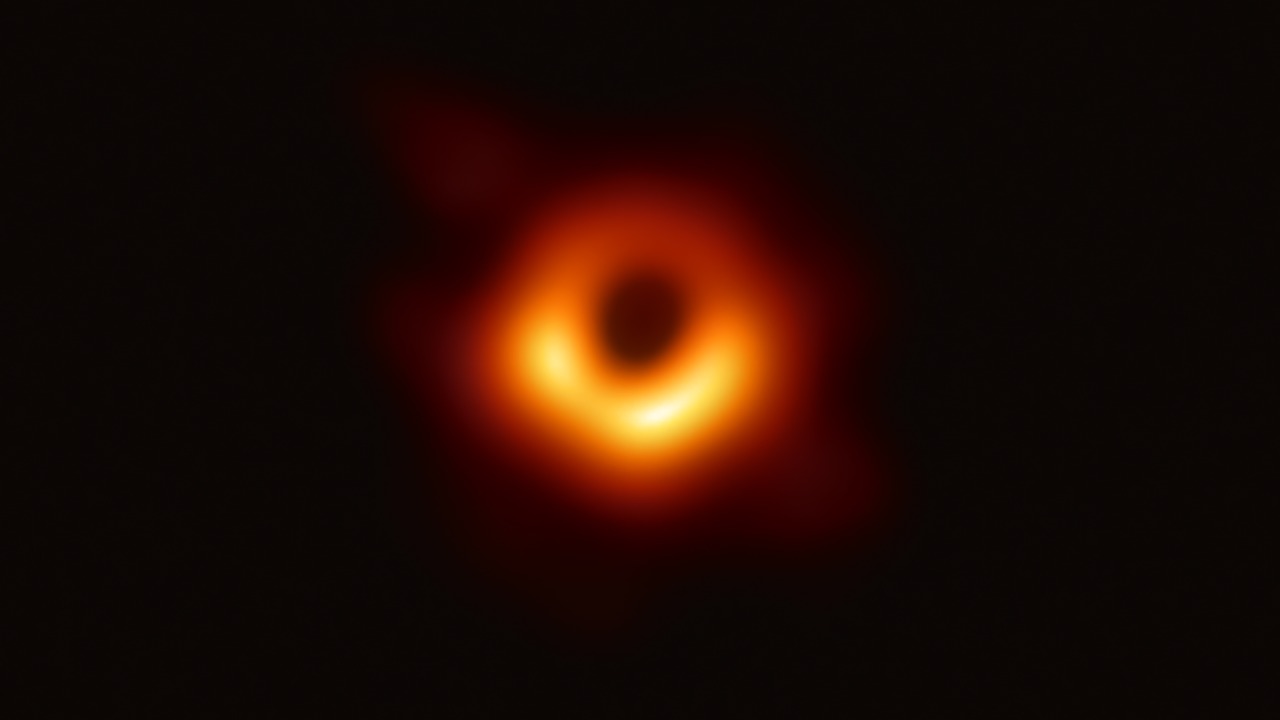
The supermassive black hole at the center of M87, with a mass of 6.5 billion solar masses, was first imaged by the Event Horizon Telescope in 2019. This monumental achievement provided the first direct visual evidence of a black hole’s existence, capturing the world’s attention and setting the stage for further exploration. The black hole’s immense gravitational pull and its surrounding accretion disk have been subjects of intense study, offering insights into the nature of these enigmatic cosmic phenomena. [source]
The relativistic jet extending thousands of light-years from the black hole has been a focal point of research. Previously observed primarily in radio wavelengths, this jet is now detailed in infrared by the James Webb Space Telescope (JWST), revealing new aspects of its structure and behavior. M87’s location in the Virgo cluster, 55 million light-years from Earth, makes it a key active galactic nucleus that has been studied for decades, providing a rich field for understanding the dynamics of black holes and their jets. [source]
The black hole in M87 is not only massive but also one of the most studied due to its relative proximity and the dramatic features it exhibits. Its accretion disk, composed of gas and dust spiraling into the black hole, emits intense radiation as it heats up, providing a natural laboratory for studying extreme physics. The Event Horizon Telescope’s image of the black hole’s shadow was a landmark in observational astronomy, confirming theoretical predictions about the appearance of black holes and their event horizons. This has spurred a new era of research, focusing on understanding the complex dynamics of accretion and jet formation. [source]
JWST’s Observation Techniques
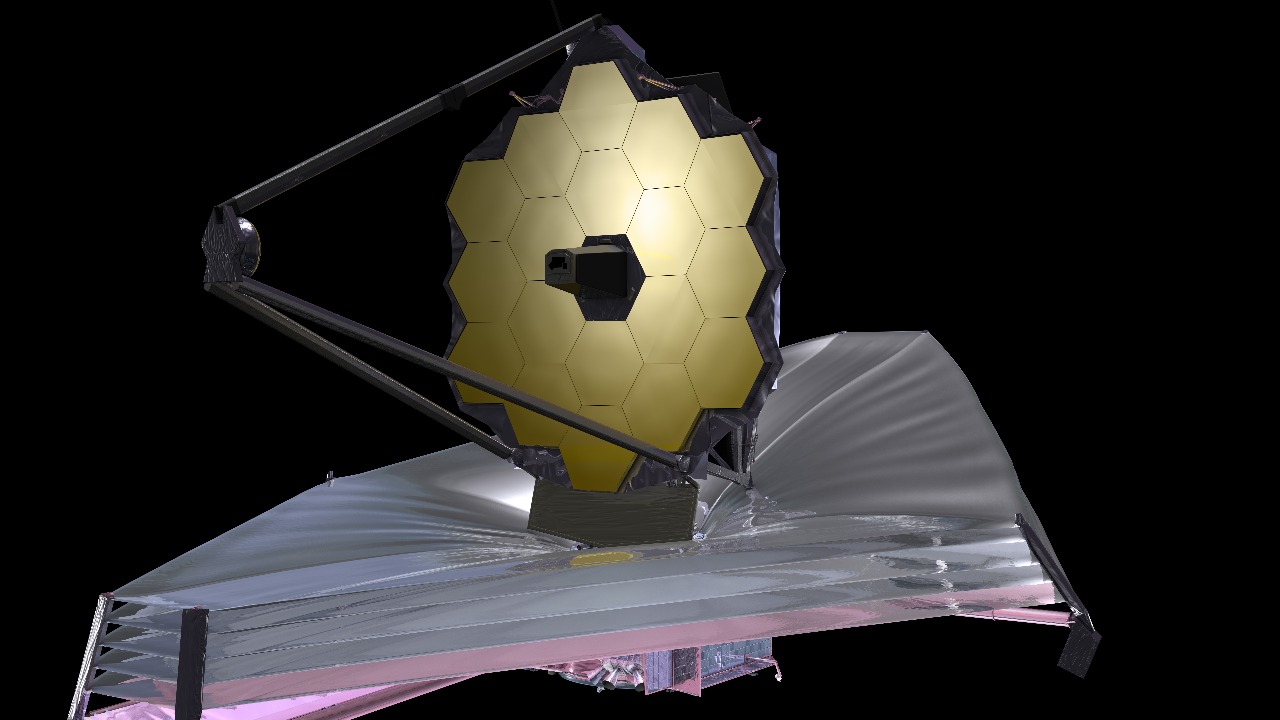
The James Webb Space Telescope utilized its Near-Infrared Camera (NIRCam) and Mid-Infrared Instrument (MIRI) to capture high-resolution images of the jet’s structure on October 6, 2025. These instruments allowed astronomers to penetrate cosmic dust, revealing filamentary details in the jet that were not visible in prior optical or radio observations. This capability has opened new avenues for understanding the complex interactions within the jet and its surrounding environment. [source]
The integration of JWST’s observations with data from the Event Horizon Telescope has enabled a multi-wavelength analysis, providing a more comprehensive view of the jet’s characteristics. This collaboration highlights the importance of combining different observational techniques to gain a deeper understanding of cosmic phenomena, enhancing our ability to study the universe in unprecedented detail. [source]
The JWST’s ability to observe in the infrared spectrum is crucial for penetrating the dense clouds of dust and gas that often obscure celestial phenomena. This capability allows astronomers to study the jet’s internal structure with unprecedented clarity, revealing the interactions between high-energy particles and magnetic fields. The NIRCam and MIRI instruments are particularly adept at capturing the thermal emissions from these particles, providing data that helps refine models of jet dynamics. By integrating these observations with those from other telescopes, researchers can construct a more complete picture of the processes occurring near the black hole. [source]
Key Discoveries in the Jet Details
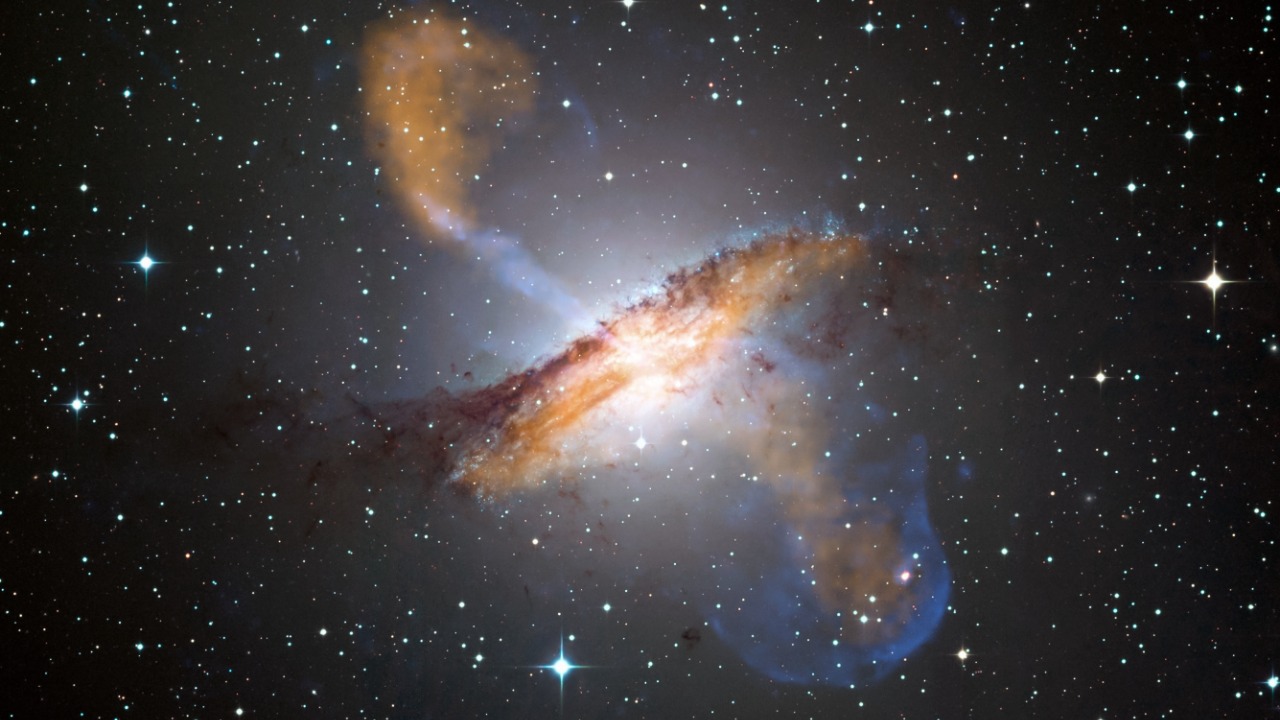
The observations have revealed never-before-seen knots and twists in the jet, indicating variable ejection speeds up to 99% the speed of light. These findings suggest a dynamic and complex process governing the jet’s formation and evolution, challenging existing models and prompting new theories about the mechanisms driving such high-speed ejections. [source]
Emissions from heated gas and relativistic particles have been observed, showing the jet’s interaction with the surrounding interstellar medium. These interactions are crucial for understanding how jets influence their host galaxies, potentially affecting star formation and galactic evolution. Additionally, asymmetric features in the jet suggest that magnetic fields play a significant role in shaping its structure, offering new insights into the magnetic dynamics at play in such extreme environments. [source]
The detailed imaging of the jet has also uncovered variations in brightness along its length, which may indicate regions of shock waves where particles are accelerated to near-light speeds. These shock waves are thought to be caused by interactions with the surrounding medium or by instabilities within the jet itself. Understanding these processes is essential for explaining how jets can transport energy across vast distances and influence their host galaxies. The presence of these features supports the hypothesis that jets are not uniform streams but rather complex structures shaped by both internal and external forces. [source]
Scientific Implications and Future Research
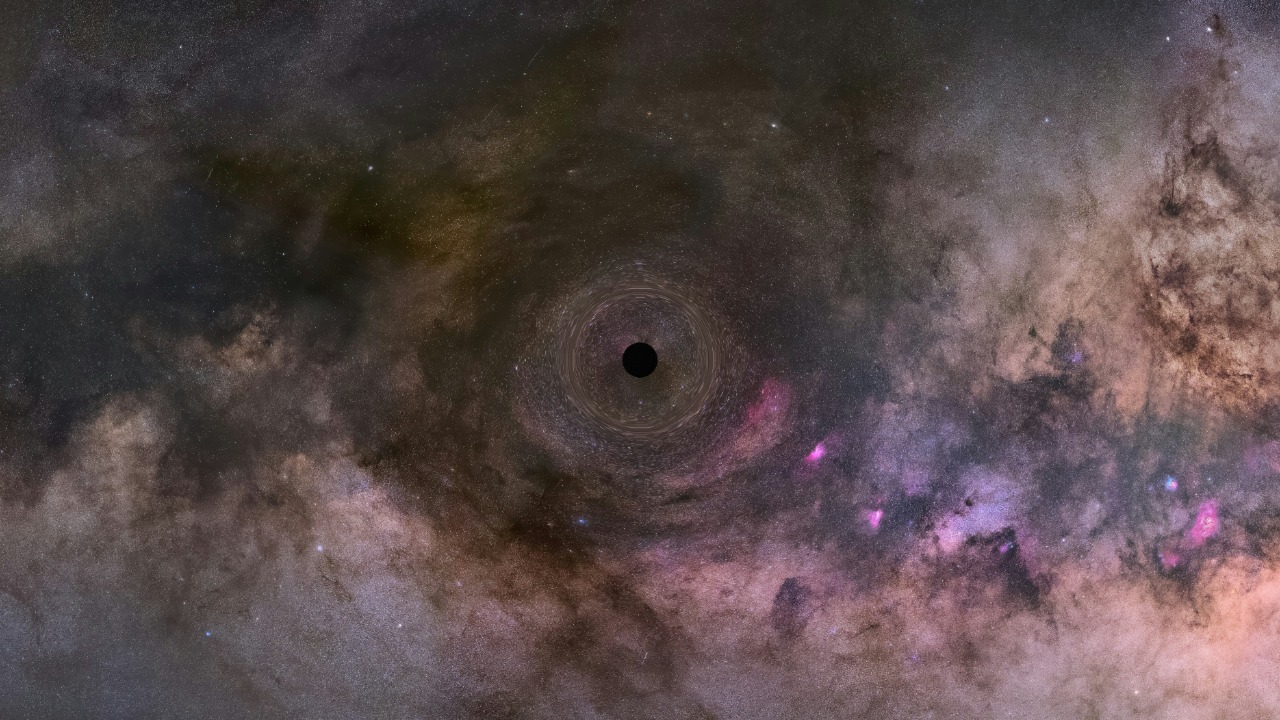
The detailed observations from the James Webb Space Telescope enhance our understanding of black hole accretion and jet formation mechanisms. By providing a clearer picture of the processes involved, these findings contribute to the broader field of astrophysics, offering clues about the fundamental forces shaping the universe. The potential links to galaxy evolution, as the jet may influence star formation in M87, underscore the interconnectedness of cosmic phenomena and the importance of studying them in a holistic manner. [source]
Planned follow-up observations with JWST and other telescopes aim to monitor jet variability over time, providing further insights into the dynamic nature of these cosmic structures. By continuing to explore the intricacies of M87’s black hole jet, scientists hope to unravel the mysteries of black holes and their role in the universe, paving the way for future discoveries and advancements in our understanding of the cosmos. [source]
