The James Webb Space Telescope (JWST) has uncovered remarkable evidence of a supermassive black hole that appears to have plowed through a distant galaxy, carving out an enormous scar visible in infrared observations. This discovery, detailed in recent astronomical reporting, suggests dynamic interactions between black holes and their host galaxies on a cosmic scale, potentially reshaping our understanding of galactic evolution. Source
The James Webb Space Telescope’s Role in the Observation
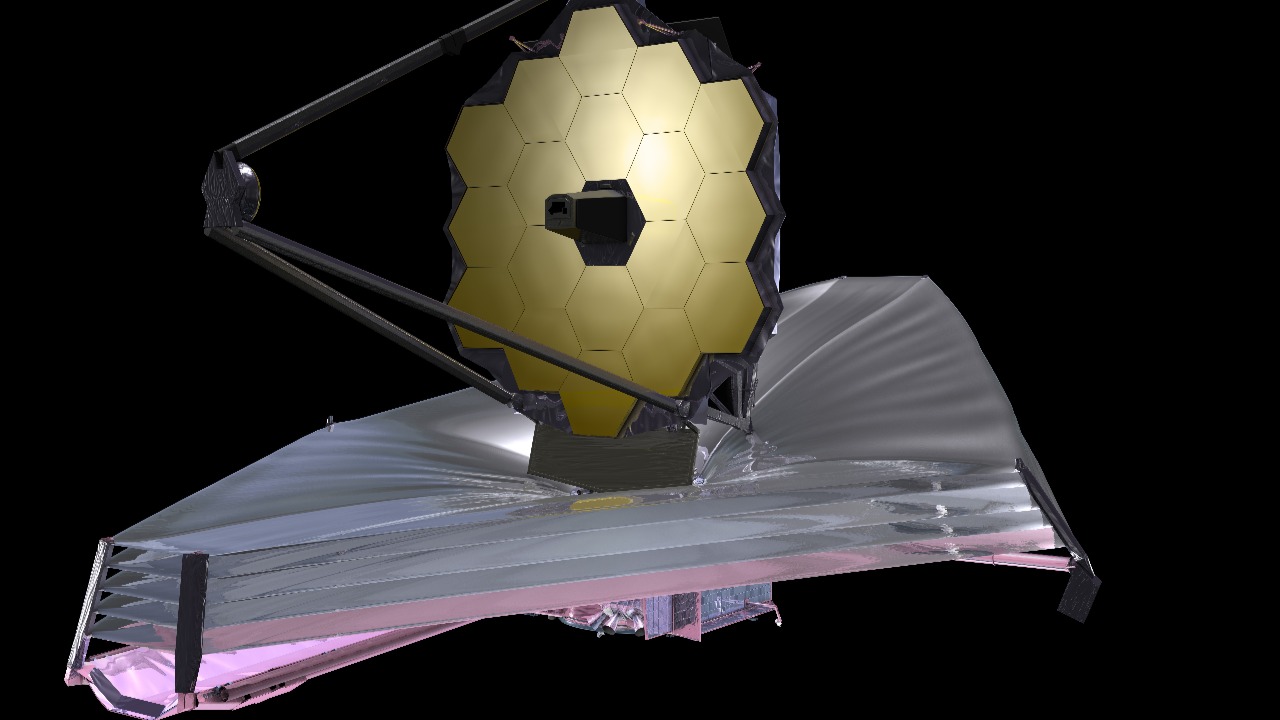
The James Webb Space Telescope’s advanced infrared capabilities have been pivotal in detecting the path of a supermassive black hole through a galaxy’s dense gas and dust. Unlike other telescopes, JWST’s sensitivity to infrared light allows it to peer through these cosmic veils, revealing structures that are otherwise invisible. This capability was crucial in identifying the “scar” left by the black hole, a trail of disrupted material that marks its passage through the galaxy. The use of near-infrared spectroscopy was particularly instrumental in highlighting this scar, showcasing the power of JWST’s imaging techniques in uncovering hidden cosmic phenomena.
In addition to its imaging prowess, JWST’s ability to observe galaxies at significant distances is noteworthy. The galaxy in question is located billions of light-years away, yet JWST’s resolution allowed astronomers to visualize the event with remarkable clarity. This capability not only underscores the telescope’s technological advancements but also its potential to transform our understanding of the universe. By capturing such distant and dynamic events, JWST provides a window into the past, offering insights into the processes that shape galaxies over cosmic time scales.
Characteristics of the Black Hole and Its Movement
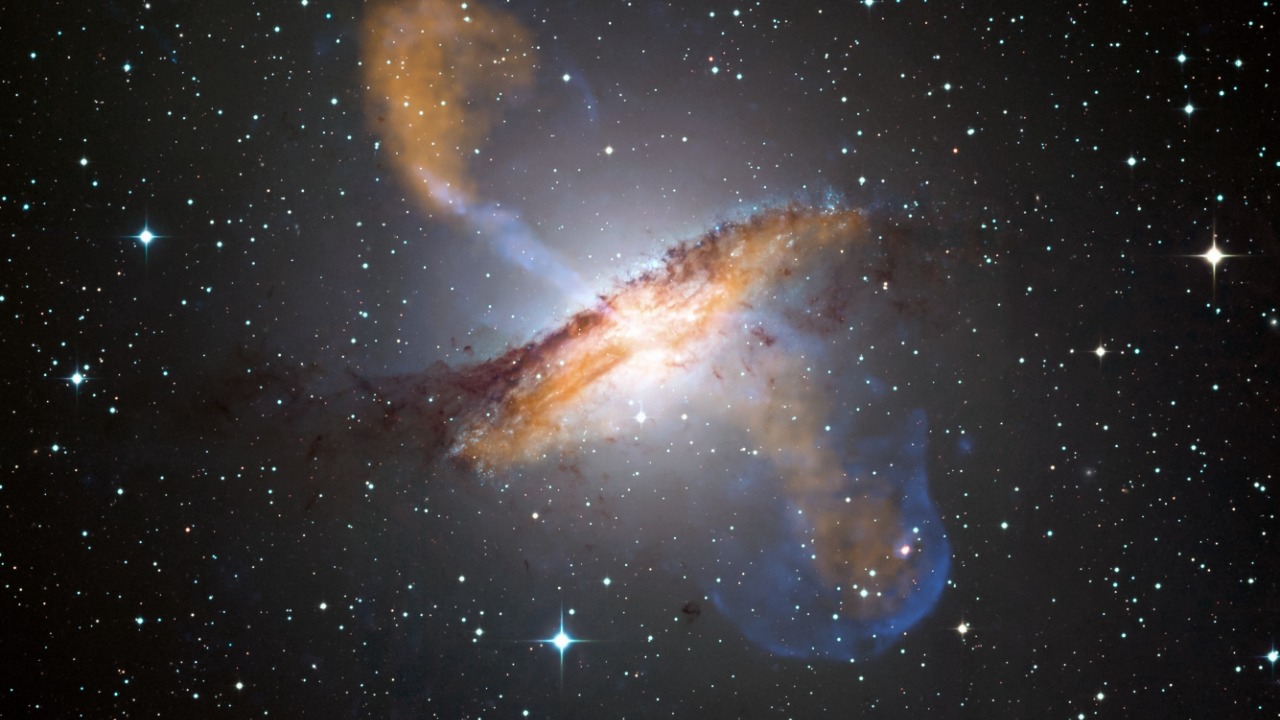
The black hole responsible for this cosmic scar is estimated to be a supermassive black hole, a type that typically resides at the center of galaxies. However, this particular black hole appears to be wandering through the galaxy, a behavior that is both unusual and intriguing. Its estimated mass, while not specified in the report, suggests a formidable gravitational force capable of influencing its surroundings significantly. The evidence for the black hole’s high-speed transit comes from velocity measurements derived from gas outflows and shock waves observed along the scar, indicating a rapid and forceful movement through the galactic medium.
The origins of the black hole’s displacement are a subject of speculation among astronomers. One possibility is that it was ejected from its original position due to a merger event with another black hole or galaxy. Alternatively, gravitational interactions with a companion galaxy could have propelled it into its current trajectory. These scenarios highlight the complex gravitational dynamics that can occur in galactic environments, offering a glimpse into the violent processes that can reshape galaxies and their components.
The Nature and Scale of the Galactic Scar
The scar left by the black hole is a striking feature, both in terms of its physical appearance and its implications for the galaxy’s structure. It is described as a stripped-away region of ionized gas and stars, stretching across thousands of light-years. This enormous scale emphasizes the black hole’s powerful influence, as it carves a path through the galaxy, leaving a visible mark that can be studied from afar. The composition of the scar, primarily ionized gas, suggests that the black hole’s passage has significantly disrupted the interstellar medium, potentially triggering new star formation in its wake.
The impact of this scar on the galaxy’s structure is profound. By depleting the interstellar medium in the affected area, the black hole’s transit could alter the galaxy’s future star formation rates and overall evolution. This event serves as a reminder of the dynamic and often violent nature of the universe, where massive objects like black holes can dramatically reshape their environments. Comparing the scar’s size to familiar cosmic scales, its extent is truly enormous, spanning distances that dwarf even the largest known structures in the universe.
Implications for Galactic Dynamics and Future Research
This discovery challenges traditional models of black hole-galaxy co-evolution, suggesting that “runaway” black holes may have been more common in the early universe than previously thought. Such events could play a significant role in shaping the structure and evolution of galaxies, prompting a reevaluation of existing theories. Astronomers involved in the study have described the finding as “remarkable,” highlighting its potential to illustrate the violent interactions that can occur on a cosmic scale. This insight into the behavior of black holes and their impact on galaxies could lead to new models of galactic dynamics and evolution.
Looking ahead, follow-up observations with JWST and other telescopes are planned to track similar scars and refine theories on black hole mobility. By studying these events in greater detail, astronomers hope to gain a deeper understanding of the mechanisms driving black hole movement and their effects on galactic environments. This ongoing research will not only enhance our knowledge of black holes but also contribute to a broader understanding of the universe’s dynamic nature. As JWST continues to explore the cosmos, it promises to uncover more of these extraordinary events, offering new insights into the forces that shape our universe.
