
While much attention is given to artificial intelligence, China’s advancements in biotechnology are rapidly positioning it as a formidable competitor to the United States. China’s strategic investments, robust educational frameworks, and technological innovations are reshaping the landscape of global scientific leadership. As the nation continues to enhance its capabilities in biotech, the implications for international competition and collaboration are profound.
China’s Strategic Investments in Biotech

China’s rapid ascent in the biotech industry is significantly fueled by its government-backed initiatives and funding. The country has made biotechnology a core component of its Made in China 2025 plan, which prioritizes technological advancement in key sectors. This strategic focus has resulted in substantial government investments and policies that support biotech research and development. The Chinese government is not only pouring funds into state-led projects but is also creating an environment conducive to innovation and growth in the biotech field.
In addition to direct funding, China is fostering public-private partnerships and encouraging venture capital investments to stimulate the growth of biotech startups. The synergy between state entities and private companies has led to a thriving ecosystem where innovation can flourish. This collaborative approach, coupled with increased venture capital inflow, has propelled China to the forefront of the biotech sector, challenging traditional powerhouses like the United States.
The Role of Talent and Education
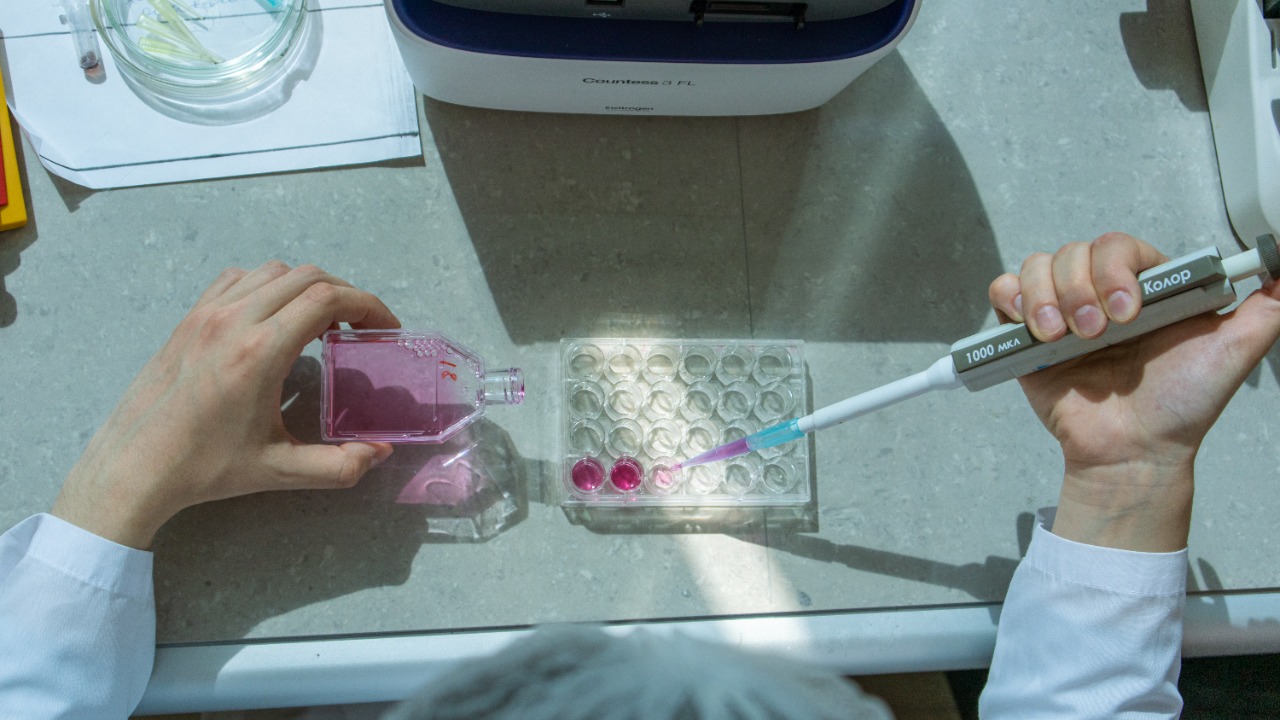
China’s rise in biotechnology is also underpinned by its robust educational initiatives aimed at cultivating a skilled workforce. The country has expanded its biotech education programs, offering specialized degrees and training designed to meet the industry’s demands. Chinese universities are producing a new generation of biotech experts equipped with the skills required to drive innovation. Moreover, the government offers incentives to students pursuing careers in biotechnology, ensuring a steady pipeline of talent.
Talent repatriation efforts further bolster China’s capabilities in biotech. The government has implemented programs to attract Chinese scientists and researchers who have studied or worked abroad to return home. By facilitating international collaboration and knowledge exchange, China is bridging the gap between domestic and global expertise, enhancing its scientific prowess and positioning itself as a leader in the biotech sector. Initiatives like these are instrumental in closing the gap between China’s scientific capabilities and those of other leading nations, including the U.S.
Technological Advancements and Research
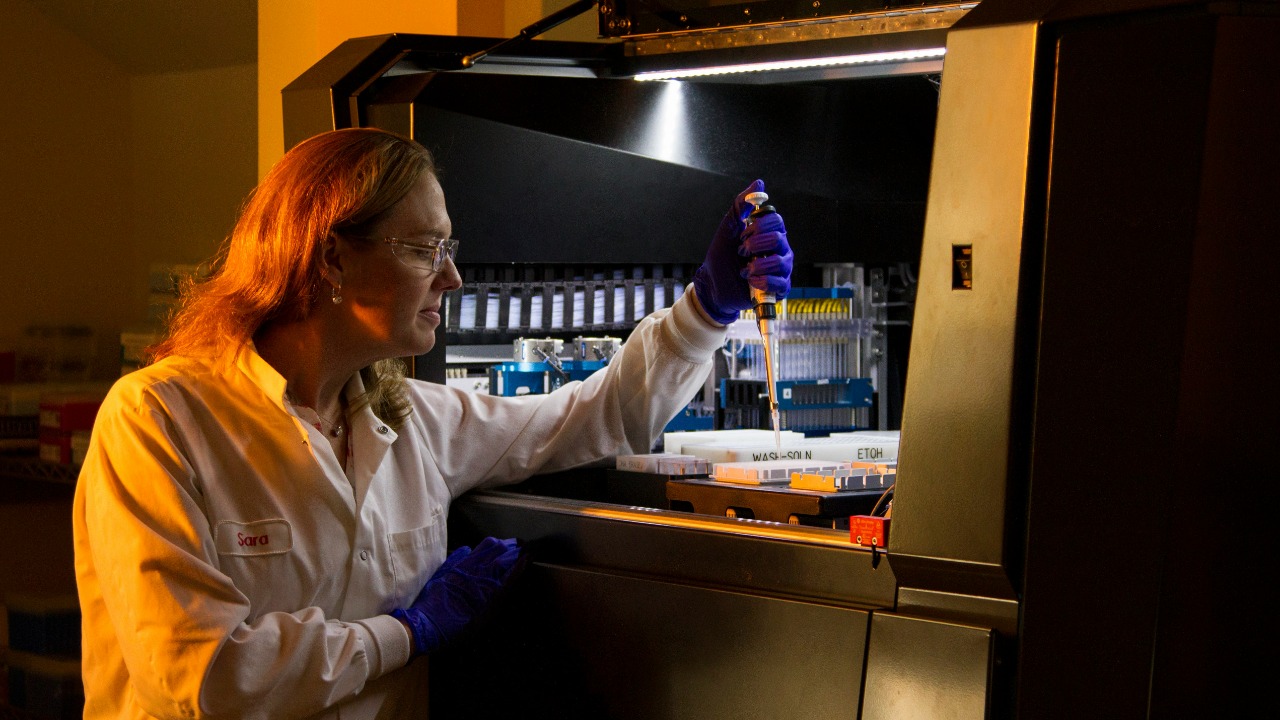
China’s technological advancements in gene editing and synthetic biology are noteworthy. The nation has made significant progress in CRISPR technology and other gene-editing tools, which are revolutionizing the field of genetics. These breakthroughs have vast applications in healthcare and agriculture, offering the potential for transformative advances in disease treatment and food security. China’s focus on synthetic biology further underscores its commitment to leading-edge research and innovation.
Innovations in drug development and personalized medicine are another area where China is making strides. Emerging biotech companies in China are at the forefront of drug discovery, utilizing cutting-edge technologies to develop new treatments. Additionally, personalized medicine initiatives are being tailored to meet the unique needs of the Chinese population, reflecting China’s ability to adapt global innovations to local contexts. These efforts not only enhance healthcare outcomes in China but also position the country as a key player in the global biotech arena.
Intellectual Property and Regulatory Environment

One of the critical factors in China’s biotech rise is the evolution of its intellectual property landscape. Recent changes in IP laws and enforcement have improved protection for biotech innovations, encouraging both domestic and foreign investment. These improvements are vital for fostering a competitive environment where innovation can thrive, as they provide the security that investors and companies need to engage in long-term R&D projects.
China’s regulatory environment has also undergone significant reforms, particularly in streamlining the drug approval process. This has made it easier and faster for biotech companies to bring new products to market. By comparison, the regulatory processes in the U.S. remain more cumbersome, which could potentially hinder its ability to keep pace with China’s rapid advancements. These regulatory changes are instrumental in attracting global interest and investment in China’s biotech sector.
Implications for Global Leadership

The shifting dynamics in biotech leadership have profound implications for global scientific standards and innovation. China’s growing influence is evident in its ability to set global biotech standards and practices, challenging the traditional dominance of the U.S. in this field. This shift presents both challenges and opportunities for the U.S., which must adapt its strategies to maintain its leadership position.
To effectively respond to China’s biotech advancements, the U.S. needs to consider strategic policy responses and bolster its own biotech initiatives. Increasing investment in R&D, fostering international cooperation, and encouraging healthy competition are essential steps to stimulate innovation. By embracing these strategies, the U.S. can ensure it remains a pivotal player in the rapidly evolving global biotech landscape.
