Recent discoveries hint at potential biosignatures on Mars, sparking excitement among space scientists and enthusiasts alike. The evidence is being touted as “arguably the best evidence we have so far” for the possibility of life existing on the Red Planet.
Understanding the Latest Mars Biosignature Discovery
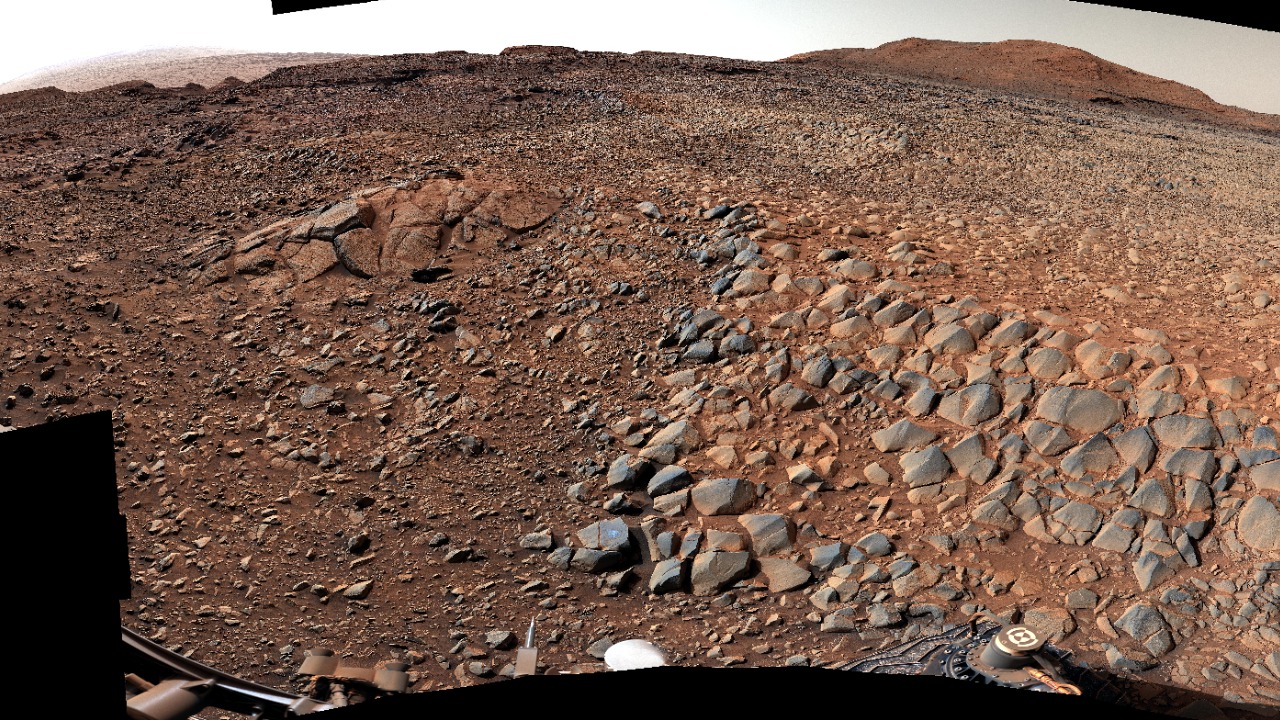
The nature of the latest biosignature discovery on Mars is intriguing and complex. The specifics of the discovery are yet to be fully disclosed, but the excitement in the scientific community is palpable. This discovery is considered the best evidence yet for potential life on Mars due to its unique characteristics and the advanced tools and techniques used in making this discovery. The details of these tools and techniques are proprietary to the researchers involved, but their effectiveness is evident in the quality of the evidence uncovered.source
While the specifics of the discovery are still under wraps, it’s known that the biosignature evidence was found in Martian rock samples. These samples were collected and analyzed using state-of-the-art technology, which allowed for a level of precision and detail previously unattainable. The biosignatures detected are believed to be organic in nature, suggesting the presence of past or present life forms.source
The discovery is the result of years of meticulous research and exploration by a dedicated team of scientists. The team’s expertise spans a range of disciplines, including astrobiology, geology, and chemistry, reflecting the interdisciplinary nature of the search for life on Mars. The researchers’ commitment to rigorous scientific methods ensures the credibility of their findings, which are subject to peer review and further analysis.
The Possibility of Life on Mars
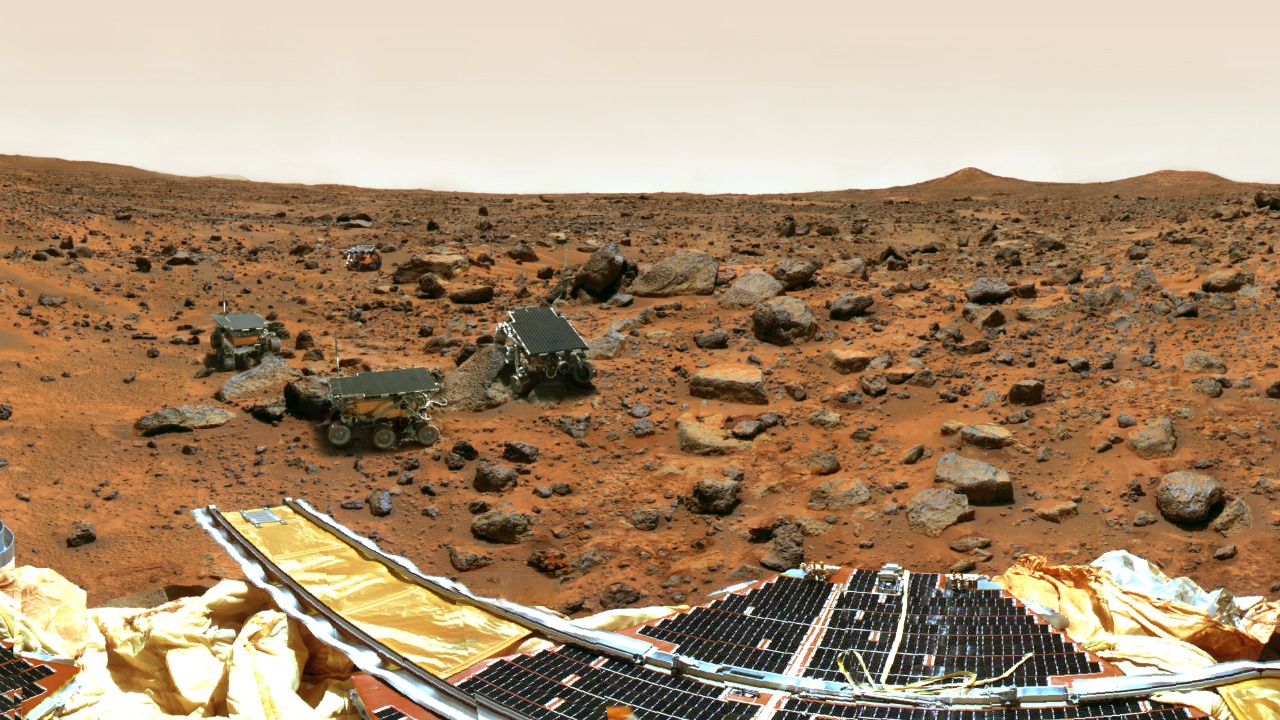
The implications of the latest discovery for the existence of life on Mars are profound. If the biosignatures are confirmed, it could mean that Mars once harbored, or perhaps still harbors, life. The conditions necessary for life are a topic of ongoing research, but it is generally agreed that water, a source of energy, and certain chemical elements are required. Mars, with its history of water and volcanic activity, fits into this framework.source
Past evidence suggesting the possibility of life on Mars has been tantalizing but inconclusive. From the discovery of methane in the Martian atmosphere to the detection of organic molecules, scientists have been piecing together a picture of Mars that is increasingly hospitable to life. This latest discovery adds a significant piece to that puzzle.
Reactions to the Discovery

The scientific community has reacted to this latest discovery with a mix of excitement and caution. While the potential implications are thrilling, scientists are careful to stress that further analysis is needed before any definitive conclusions can be drawn. The public’s response has been overwhelmingly positive, with many expressing excitement at the possibility of life beyond Earth.
This discovery could potentially impact future Mars missions and research. If the biosignatures are confirmed, it could spur increased funding and interest in Mars exploration. It could also influence the design of future missions, with a greater emphasis on life detection.
Among the scientific community, the discovery has sparked a renewed interest in Mars and its potential for life. Researchers around the world are eagerly awaiting more details about the biosignatures and the methodology used in their detection. The discovery has also sparked discussions about the need for more advanced technology and innovative approaches to space exploration.source
Public reaction to the discovery has been largely positive, with many expressing hope and excitement about the potential for life beyond Earth. Social media platforms have been abuzz with discussions about the discovery, with users sharing news articles, scientific papers, and personal thoughts on the implications of the findings. The discovery has also sparked interest in space exploration among younger generations, potentially inspiring future scientists and astronauts.
What’s Next in Mars Exploration
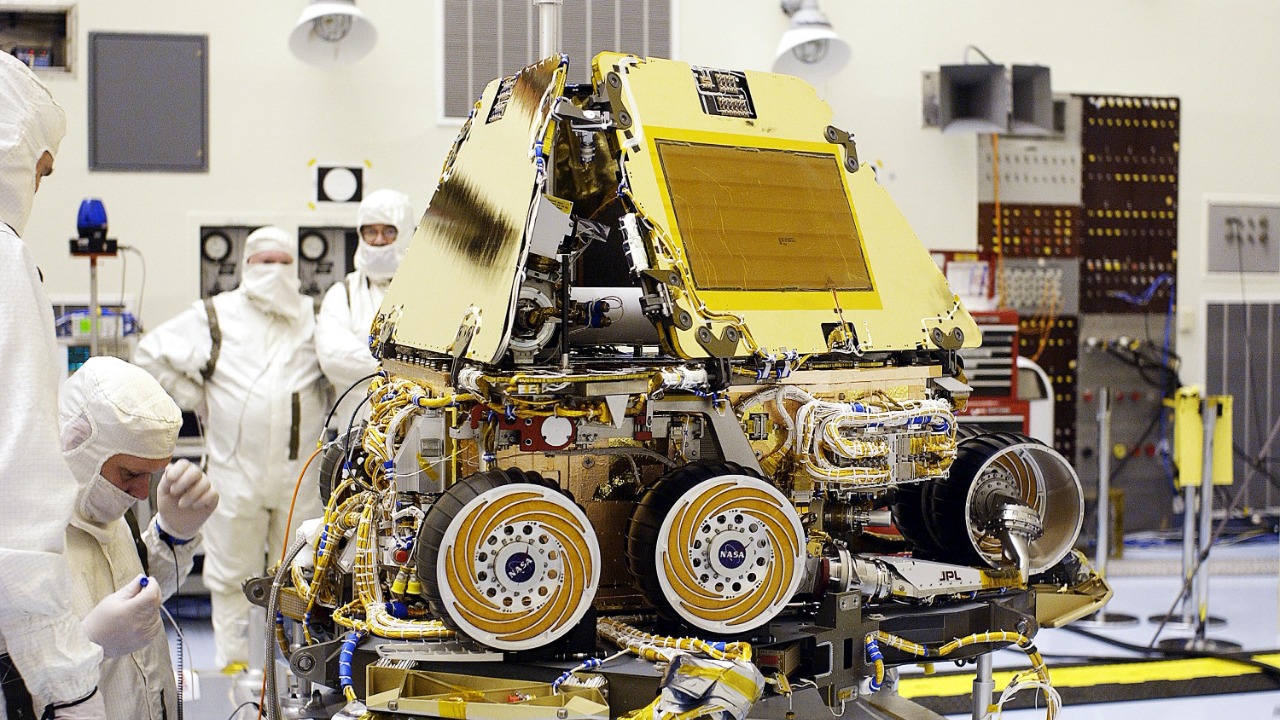
The future of Mars exploration is bright, with several missions planned that could provide further evidence or refute the current findings. These missions will continue to probe the Martian surface and atmosphere, seeking to understand the planet’s history and potential for life.
The potential impact this discovery could have on the search for life beyond Earth is enormous. If life can exist on Mars, it raises the possibility that life could exist elsewhere in the universe. This discovery could therefore have far-reaching implications for our understanding of life’s prevalence and diversity in the cosmos.source
Upcoming Mars missions are expected to build on this discovery, with plans to collect and analyze more rock samples. These missions will employ even more advanced technology, including the latest rovers and landers, to further explore the Martian surface. The goal is not only to confirm the presence of biosignatures but also to learn more about the planet’s geological history and climate.source
Furthermore, the discovery has implications for the search for life beyond Mars. If life can exist on Mars, it suggests that life could exist on other planets with similar conditions. This has implications for the search for life in other parts of our solar system, such as Jupiter’s moon Europa and Saturn’s moon Enceladus, both of which are believed to harbor subsurface oceans. The discovery also fuels the ongoing search for exoplanets in the habitable zone of their stars, where conditions might be right for life.
