Recent astronomical discoveries suggest that Earth may have a second moon, sparking intrigue and debate within the scientific community. While our planet’s primary moon has been a constant companion, new data reveals the potential existence of a mini-moon temporarily captured by Earth’s gravity. This fascinating celestial phenomenon offers fresh insights into our understanding of Earth’s orbital dynamics and the broader cosmos.
The Concept of Mini-Moons
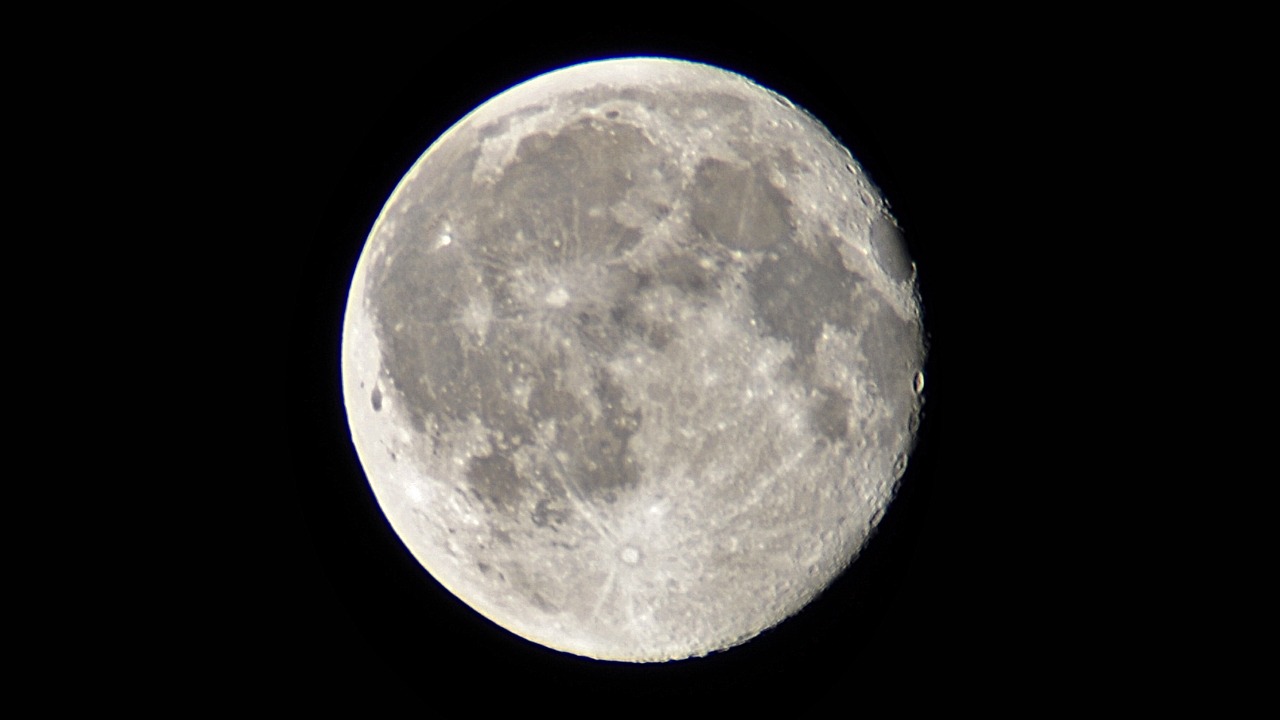
Mini-moons are small celestial bodies that are temporarily captured by a planet’s gravitational pull, distinct from the larger, permanent moons like Earth’s primary satellite. They typically range in size from a few meters to a few kilometers in diameter and have highly variable orbits. Unlike our main moon, which has been a steadfast presence for billions of years, mini-moons are transient visitors, often staying in orbit for only a few months or years before continuing on their cosmic journey.
Historically, the discovery of mini-moons has been a rare event, primarily due to their small size and the difficulty of detecting them. Notable instances of mini-moon discoveries include objects like 2006 RH120, which orbited Earth for a brief period before escaping its gravitational influence. Such discoveries, documented in reputable sources like the Journal of Modern Physics, have provided valuable insights into the dynamic nature of Earth’s gravitational environment.
Recent Discoveries and Data
New observational evidence has emerged, supported by recent studies and articles such as those published in the PSU Vanguard. These studies highlight the role of technological advancements in detecting these elusive celestial bodies, including improvements in telescope sensitivity and tracking algorithms. These tools have enabled astronomers to identify potential mini-moons with greater accuracy and frequency than ever before.
The scientific validation of the mini-moon hypothesis is further bolstered by peer-reviewed research found in journals like Springer and JSTOR. Scientists employ rigorous criteria to confirm the existence of mini-moons, including their orbital characteristics, size estimates, and the temporary nature of their capture by Earth’s gravity. These studies provide a robust framework for distinguishing mini-moons from other near-Earth objects.
Implications for Astronomy and Science
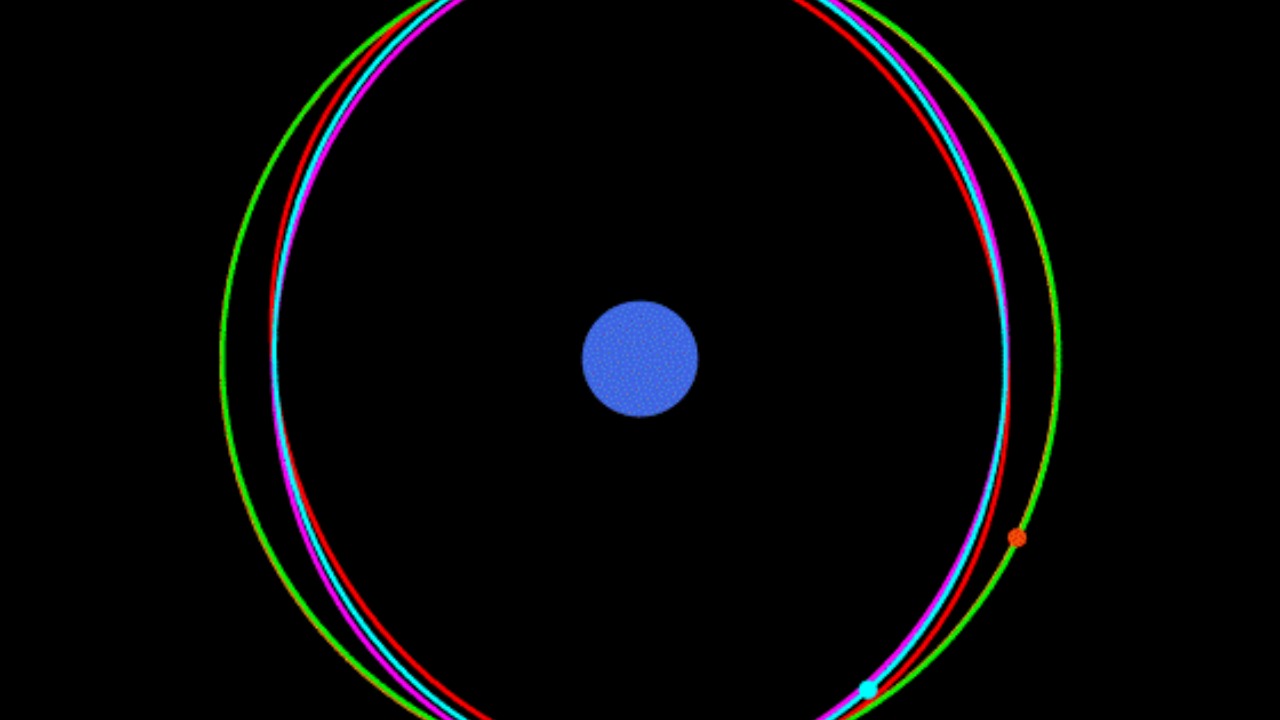
The discovery of mini-moons has significant implications for our understanding of Earth’s orbit. It challenges existing models by introducing a dynamic element that can affect gravitational dynamics, offering a new avenue for studying the complexities of celestial mechanics. These findings prompt a reevaluation of how Earth’s gravitational field interacts with smaller objects, potentially leading to new insights into planetary science.
Beyond immediate orbital dynamics, the broader scientific significance of mini-moons extends to future space exploration and our understanding of near-Earth objects. Insights gleaned from studying mini-moons could inform strategies for asteroid deflection and resource utilization. Additionally, these discoveries might influence theories about the formation and evolution of the solar system, providing clues about the processes that shaped our cosmic neighborhood.
Challenges and Controversies
Despite the excitement surrounding mini-moon discoveries, debates persist within the scientific community. Some astronomers remain skeptical, questioning whether certain objects qualify as mini-moons or are merely passing near-Earth objects. The challenge lies in distinguishing these transient visitors from the myriad of small asteroids and space debris that populate our solar system.
Current research is also limited by technological and observational constraints. While advances have been made, detecting and tracking small objects in Earth’s vicinity remains a formidable challenge. Continued exploration and investment in technology are needed to address these limitations. Researchers must also explore new methodologies and collaborative efforts to improve detection capabilities and confirm the existence of mini-moons with greater certainty.
The Future of Mini-Moon Research
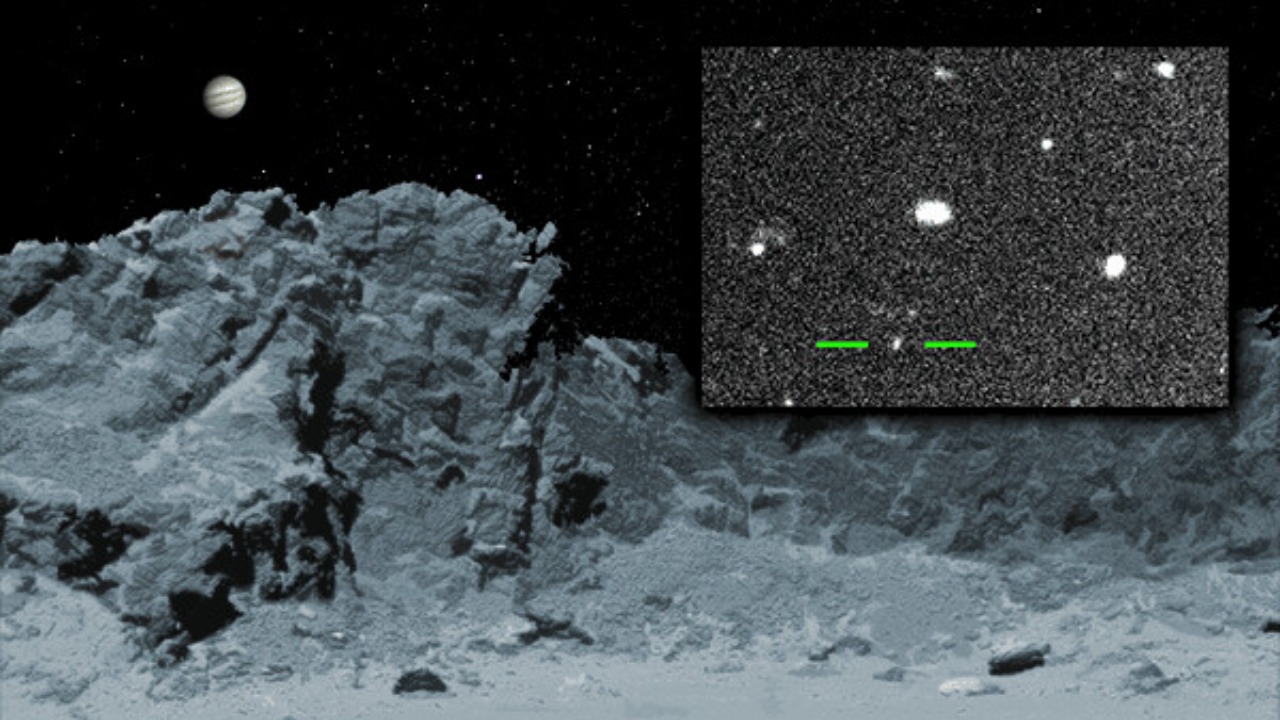
Looking ahead, upcoming missions and observations promise to expand our understanding of mini-moons. Planned initiatives aim to study these objects in greater detail, with international collaborations playing a crucial role in advancing this field of study. By pooling resources and expertise, the global scientific community can enhance our ability to detect and analyze these small celestial bodies.
Potential discoveries and innovations in mini-moon research hold exciting prospects for the future. As technology evolves, we may uncover new mini-moons or gain deeper insights into their behavior and impact on Earth’s gravitational dynamics. Ongoing research will undoubtedly shape our understanding of mini-moons and their place within the solar system, offering a glimpse into the intricate dance of celestial bodies that define our universe.
