
The concept of a space hotel, once a figment of science fiction, is rapidly becoming a reality. With plans to open the world’s first hotel in space as early as 2027, this venture is set to revolutionize both the hospitality and space tourism industries. The exciting developments and challenges involved in bringing this out-of-this-world accommodation to life highlight the merging of technology and imagination.
The Vision Behind the Space Hotel
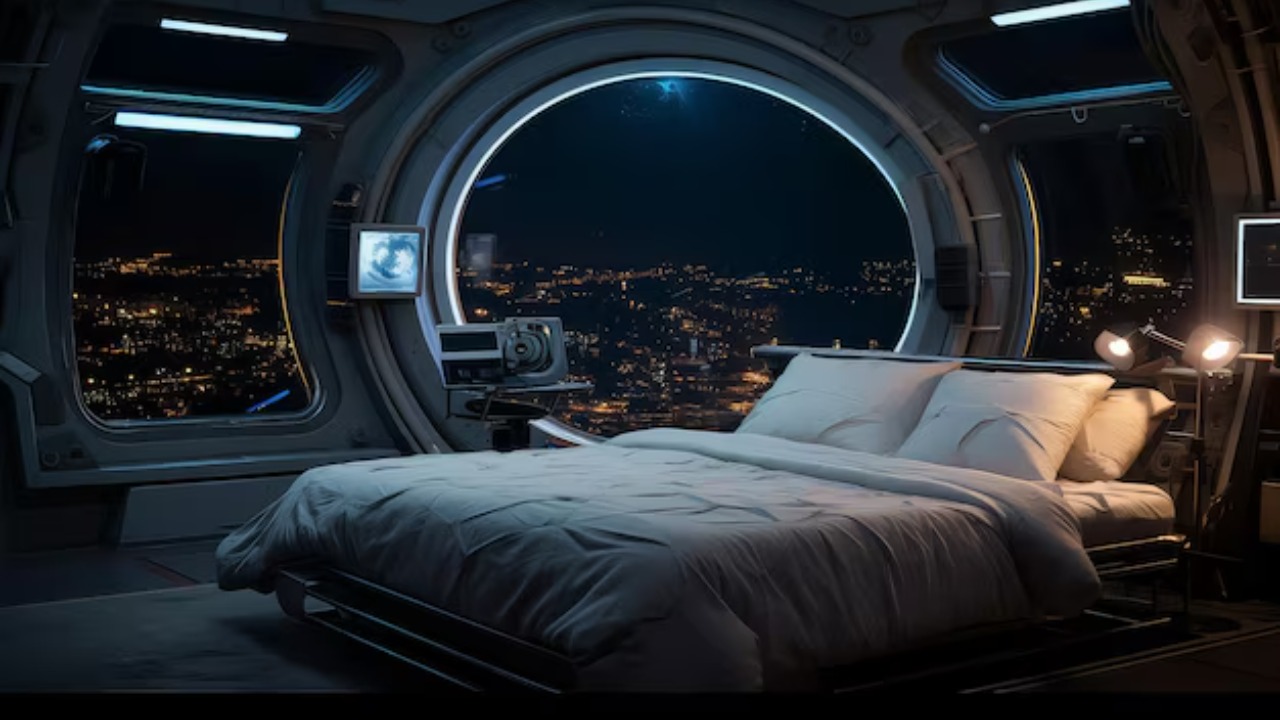
The transformation from a mere dream to an impending reality involves several key players and stakeholders. The driving force behind this project includes private aerospace companies and innovative entrepreneurs who share a common vision. Their combined efforts aim to make space travel more accessible and comfortable for a broader audience. By collaborating with renowned architects and engineers, these visionaries are shaping a future where space tourism becomes a mainstream venture.
The inspiration for creating a hotel in space stems from the desire to offer a unique experience that is both thrilling and luxurious. The goals are not just to provide accommodations but to create an environment where guests can experience the wonders of space in comfort. This project fits seamlessly into the broader trend of space tourism, serving as a catalyst for other ventures aiming to bring humanity closer to the stars.
Design and Construction Challenges
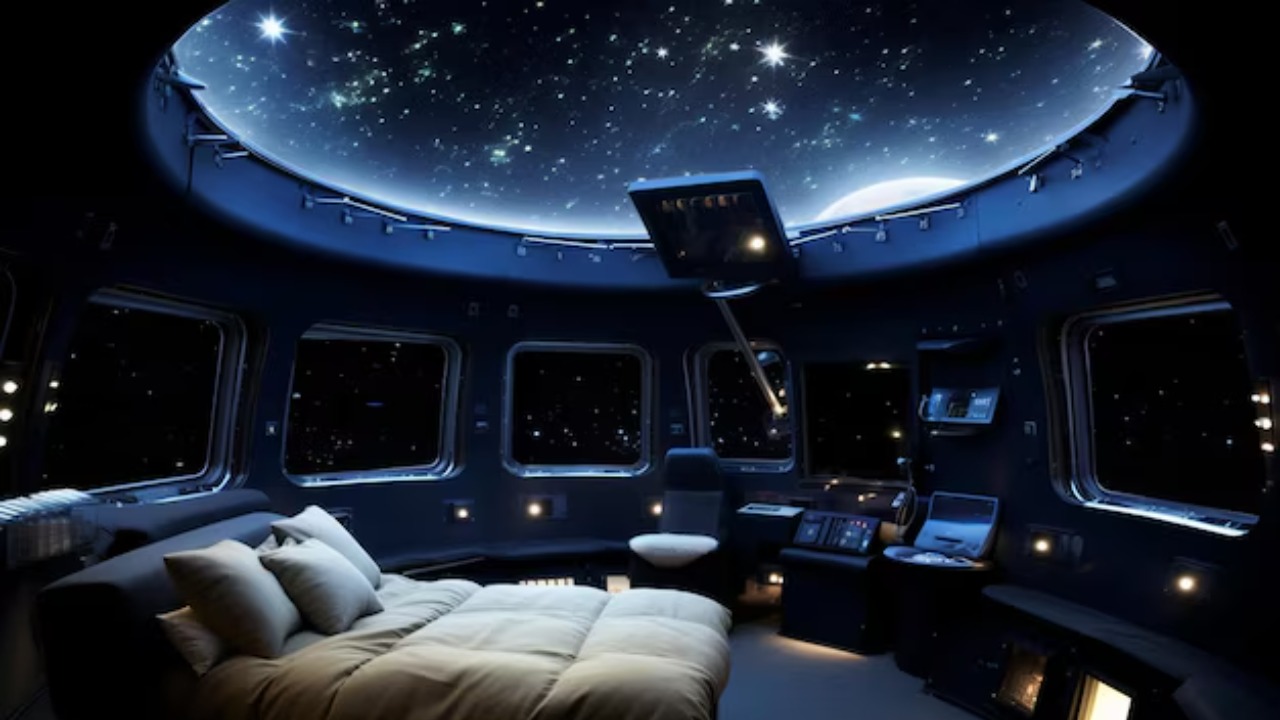
Designing and constructing a space hotel involves groundbreaking architectural and engineering achievements. The structure must withstand the harsh conditions of space, including extreme temperatures and radiation. Engineers are tasked with creating a habitat that not only supports human life but also provides a high level of comfort and safety for its inhabitants.
Transporting materials and assembling the hotel in orbit presents significant logistical challenges. Each component must be carefully designed for transport via spacecraft, and assembly requires precision and coordination. Safety measures are paramount, with protocols established to ensure the well-being of both guests and crew. These measures include emergency evacuation plans and life support systems designed to function flawlessly in the vacuum of space.
The Role of Hospitality Giants

Leading hotel chains are playing a critical role in this groundbreaking project by lending their expertise in hospitality. For instance, Hilton has been actively involved in the design and service planning for the space hotel, ensuring that guests receive the same level of luxury and comfort they would expect on Earth.
Traditional hospitality concepts are being reimagined for a zero-gravity environment. From room layouts to dining experiences, every aspect is designed to accommodate the unique conditions of space. The anticipated accommodations include suites with stunning views of Earth, gourmet dining experiences, and recreational activities that take advantage of the weightless environment.
The Economic Impact of Space Tourism

The space hotel venture is a significant financial undertaking, with projected costs running into the billions. Funding comes from a mix of private investments and partnerships with government space agencies. The economic benefits are vast, including job creation in both the aerospace and hospitality sectors, as well as technological advancements that could have applications on Earth.
The potential market for space tourism is expanding as more individuals express interest in becoming space travelers. The expected clientele includes wealthy tourists seeking a unique vacation experience, as well as corporate clients hosting events or conducting research in space. The economic implications extend beyond the immediate project, potentially influencing global tourism patterns and inspiring future innovations.
Potential Challenges and Criticisms
As exciting as the project is, it does not come without its share of challenges and criticisms. Environmental concerns are at the forefront, with increased space travel posing potential risks to Earth’s atmosphere. The emissions from rocket launches and the long-term impact of increased human activity in space are subjects of ongoing debate.
Ethical considerations also arise, particularly concerning the disparity between luxury space experiences and global socio-economic issues. Critics question the prioritization of luxury space tourism over addressing pressing concerns on Earth. Additionally, public skepticism and safety concerns must be addressed to gain widespread acceptance and support for the project.
Future Prospects for Space Hospitality
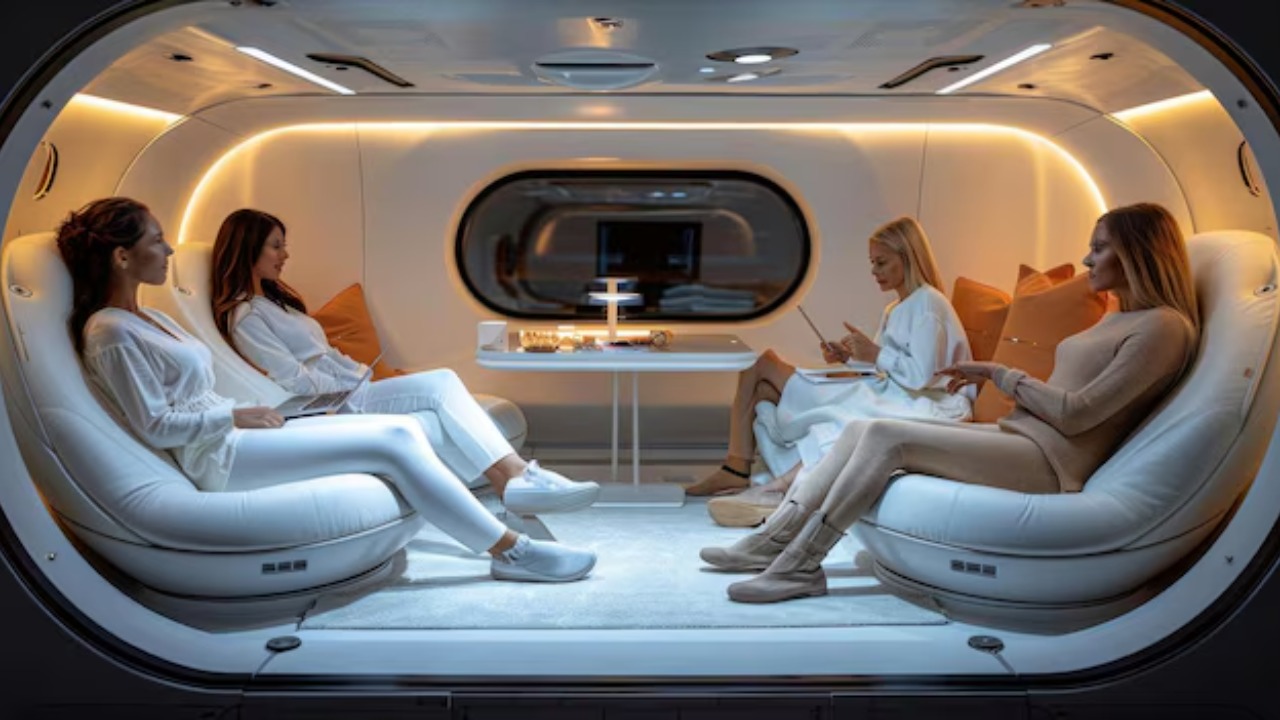
Looking ahead, the long-term vision for space hospitality includes the potential for additional space hotels and expanded facilities. The successful launch of the first space hotel could pave the way for further developments in space colonization, potentially leading to permanent human settlements beyond Earth.
This milestone in space tourism could have ripple effects on terrestrial hospitality and tourism industries. It may inspire new trends in luxury travel and accommodation, influencing how we think about vacations and leisure activities on Earth. The possibilities are vast, and the future of space hospitality holds much promise for innovation and exploration.
For more insights on the world’s first space hotel and its anticipated opening in 2027, visit Orbital Today and Tim Smith Real Estate Group.
